
Surface Tension : Part 03
The Migration of Grip
Rock to Runway
(2016‑Present)
Written by Leah Balagopal
Surface Tension has followed rubber from its earliest uses. Parts 00–02 trace the path from animal hides and hobnails through vulcanization and the emergence of sticky rubber, from Bramani’s original problem to Boreal’s Firé and the pursuit of feel that reshaped climbing footwear through the 1980s and ’90s. Part 03 moves beyond the rock, tracing how those same ideas found their way into fashion houses and skate shops.
If you've spent any time near the overlap of outdoor gear and fashion in the last year, you've already seen the takes. Climbing rubber is having a moment and the sole has left the confines of the mountain. The forecasters called it that technical footwear has gone luxury and now the cycle that usually follows is already visible on the horizon, but this one is a unique case.
While there is the typical backlash that comes with anything going mainstream, it's more the term that has died than the actual product. The word gorpcore may feel loaded but the clothing and footwear that were part of it aren't. And for this reason, Vibram is still the default language of traction nearly ninety years after Bramani first vulcanized a sole in the shadow of a tragedy. It works.
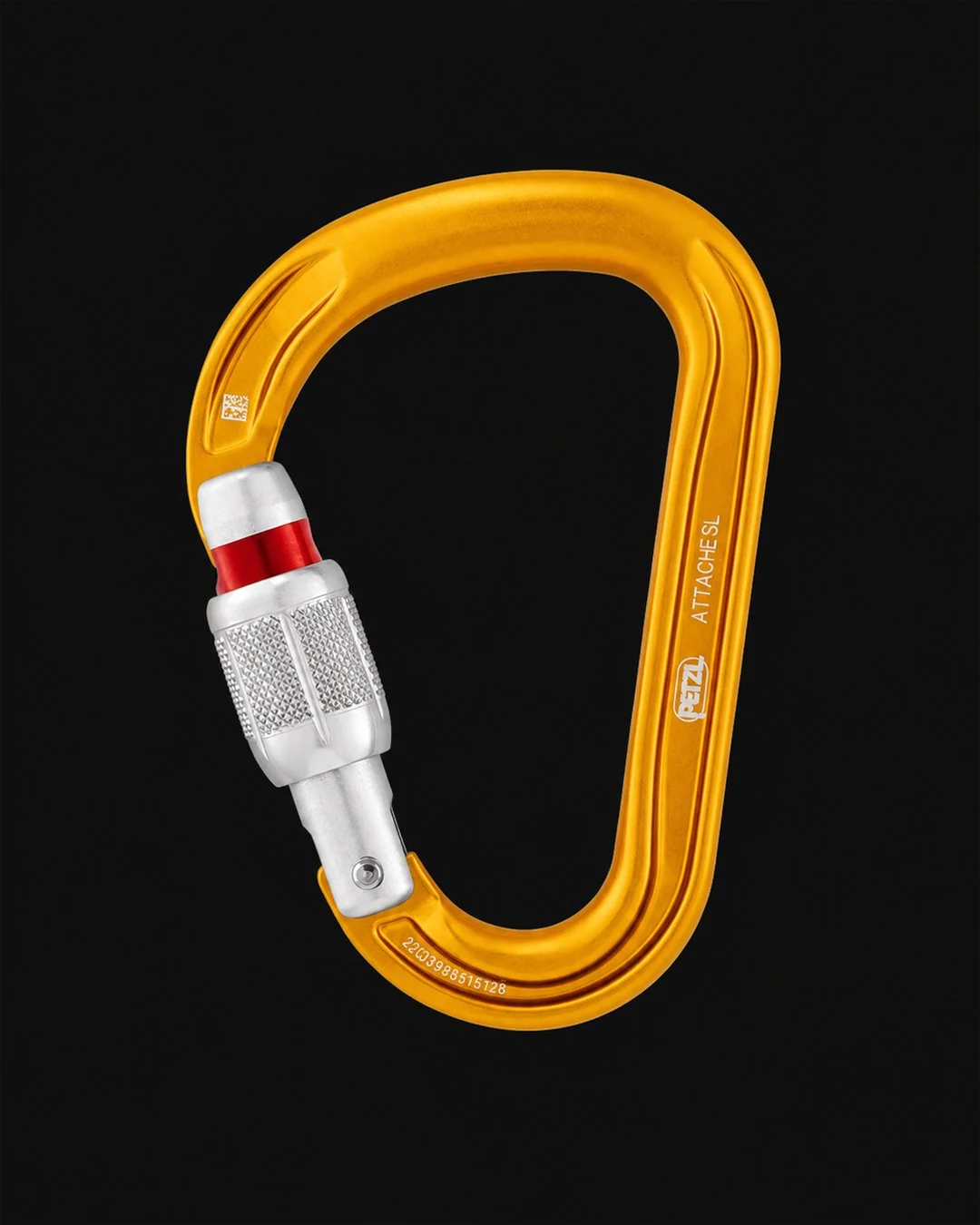
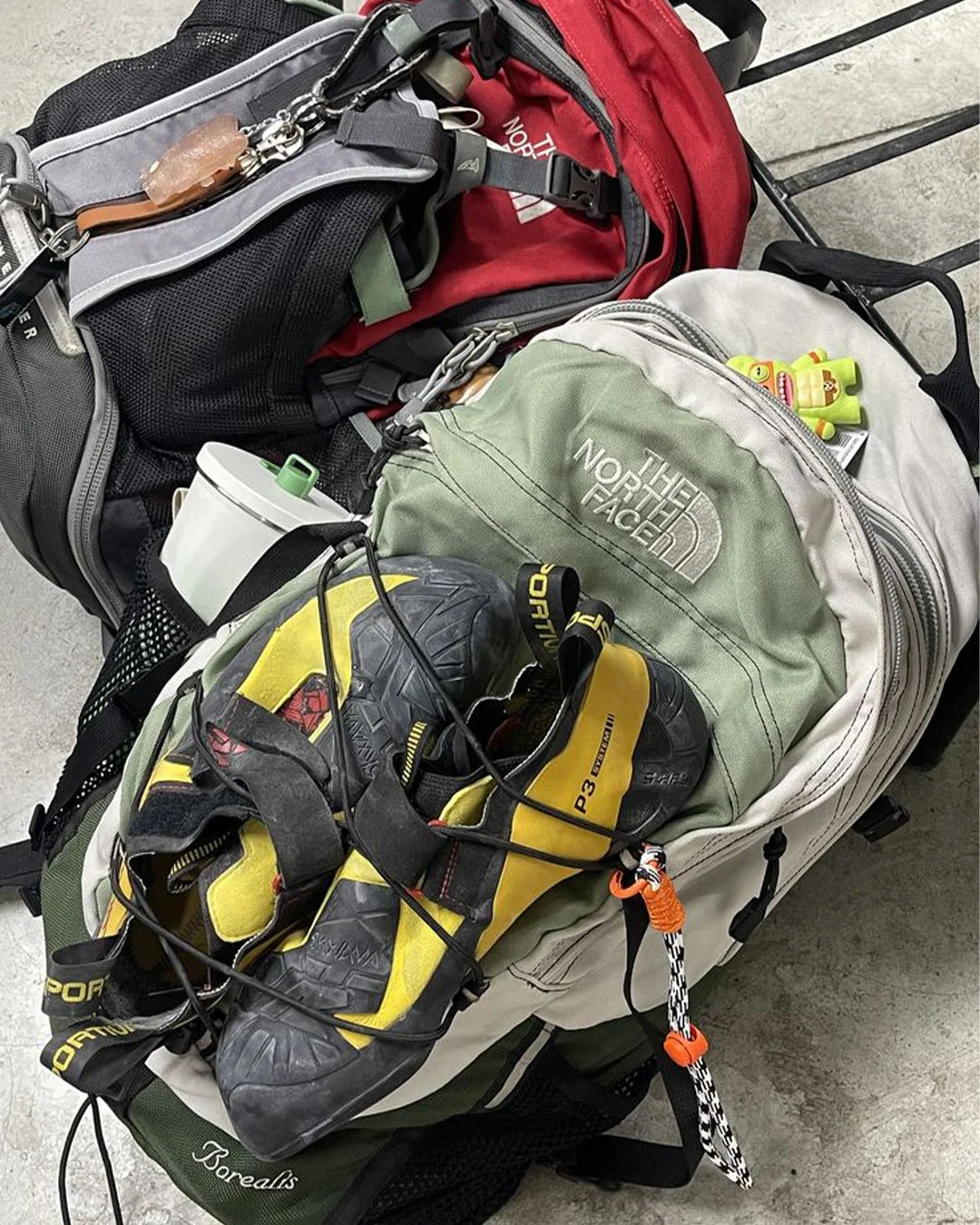
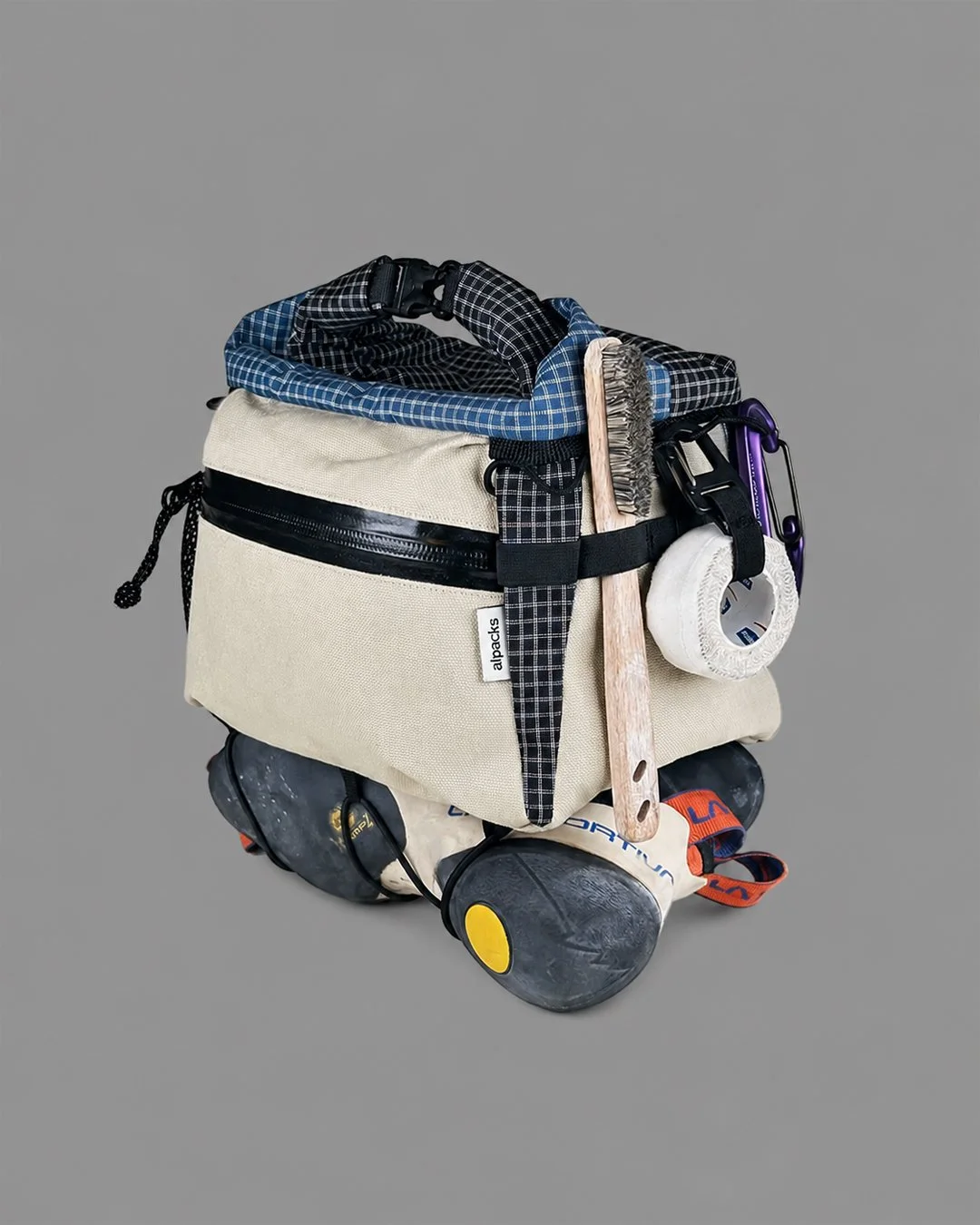
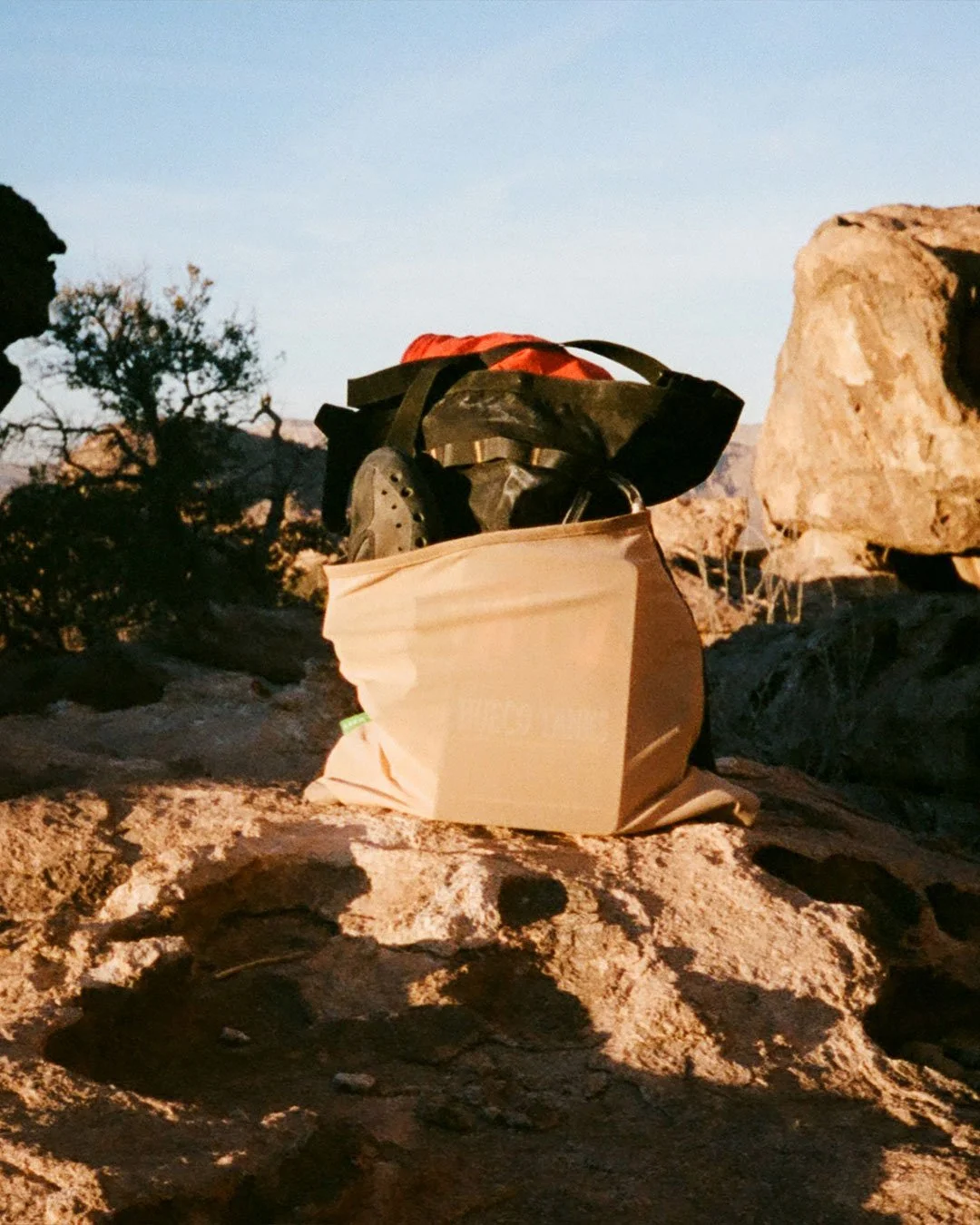
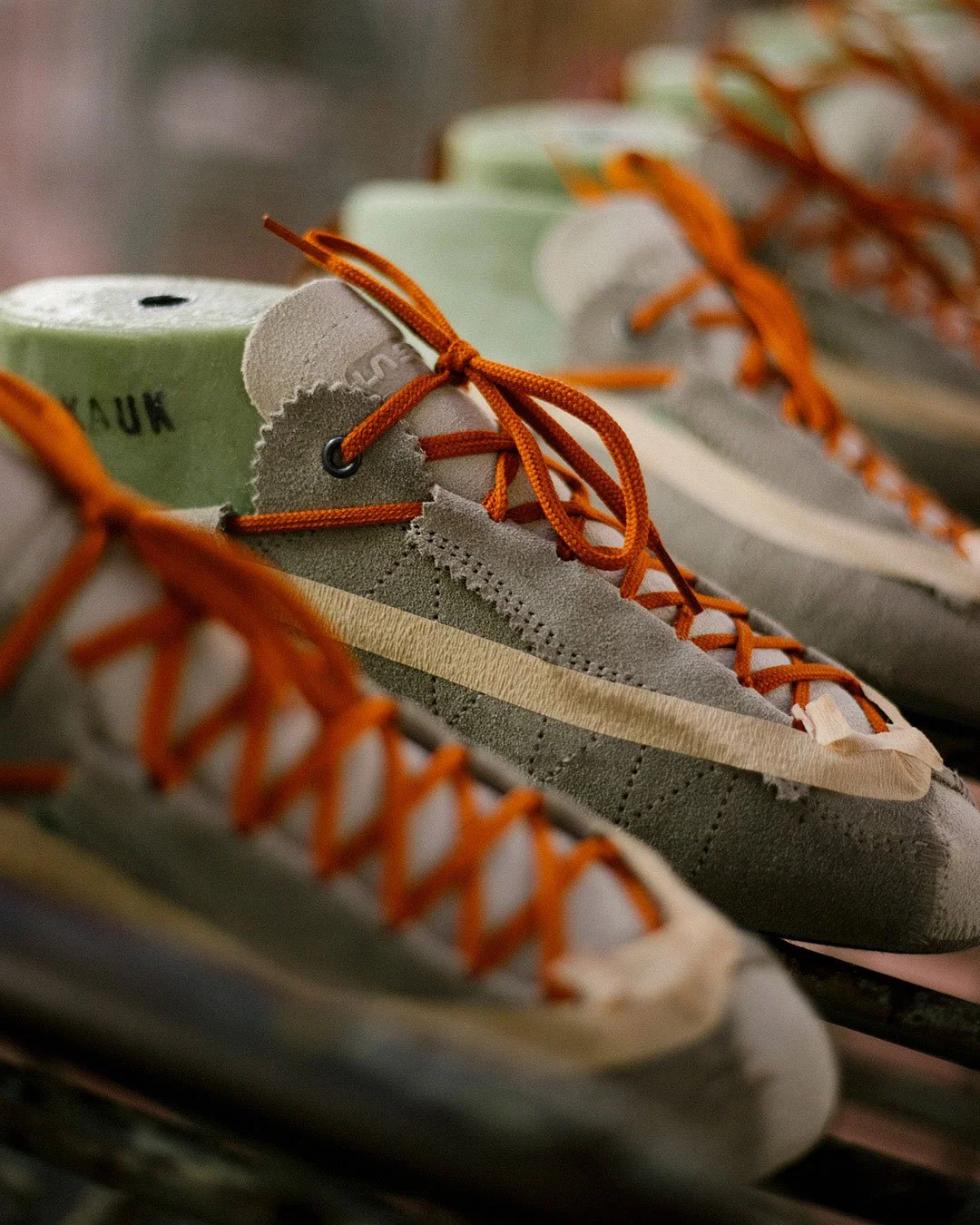
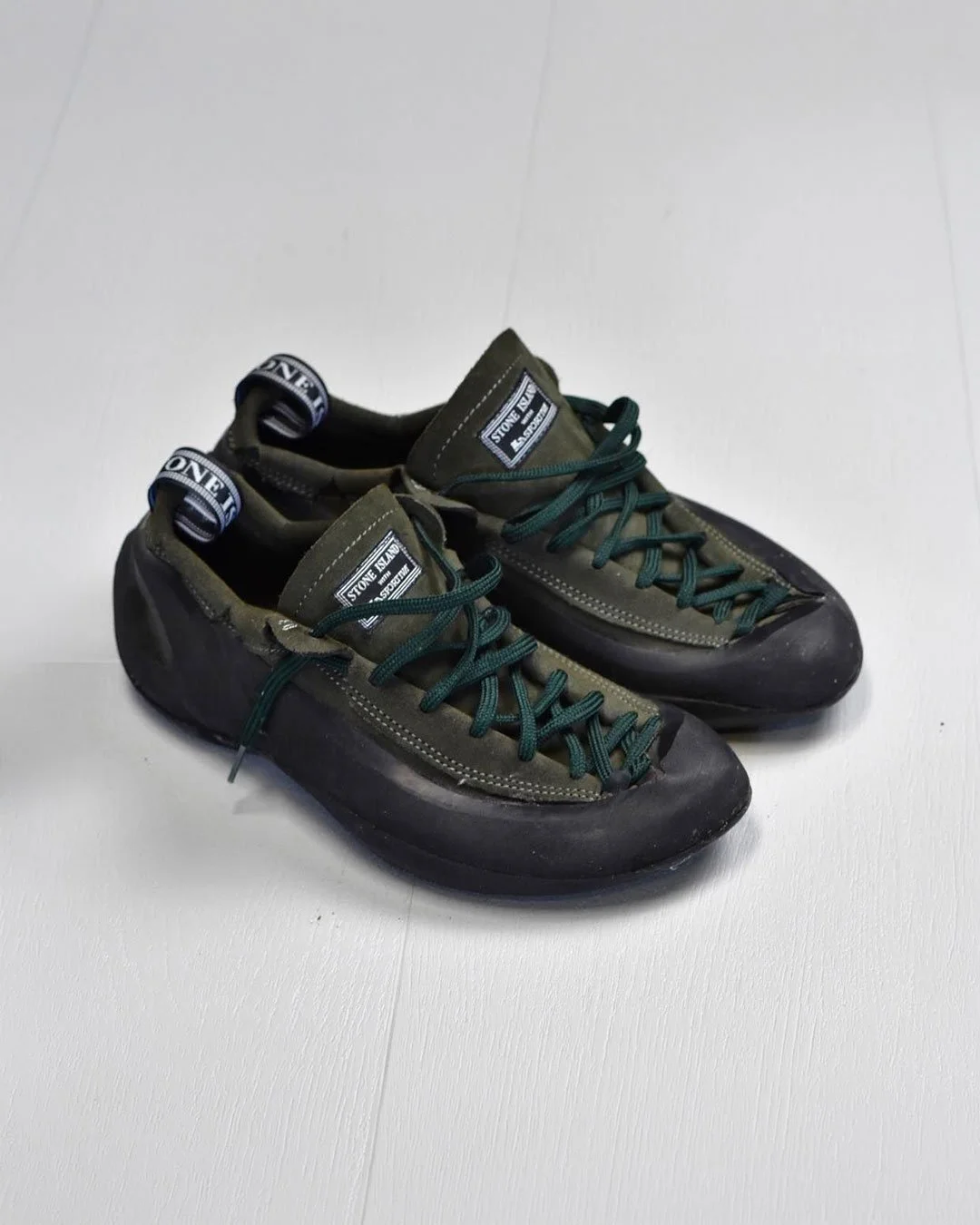
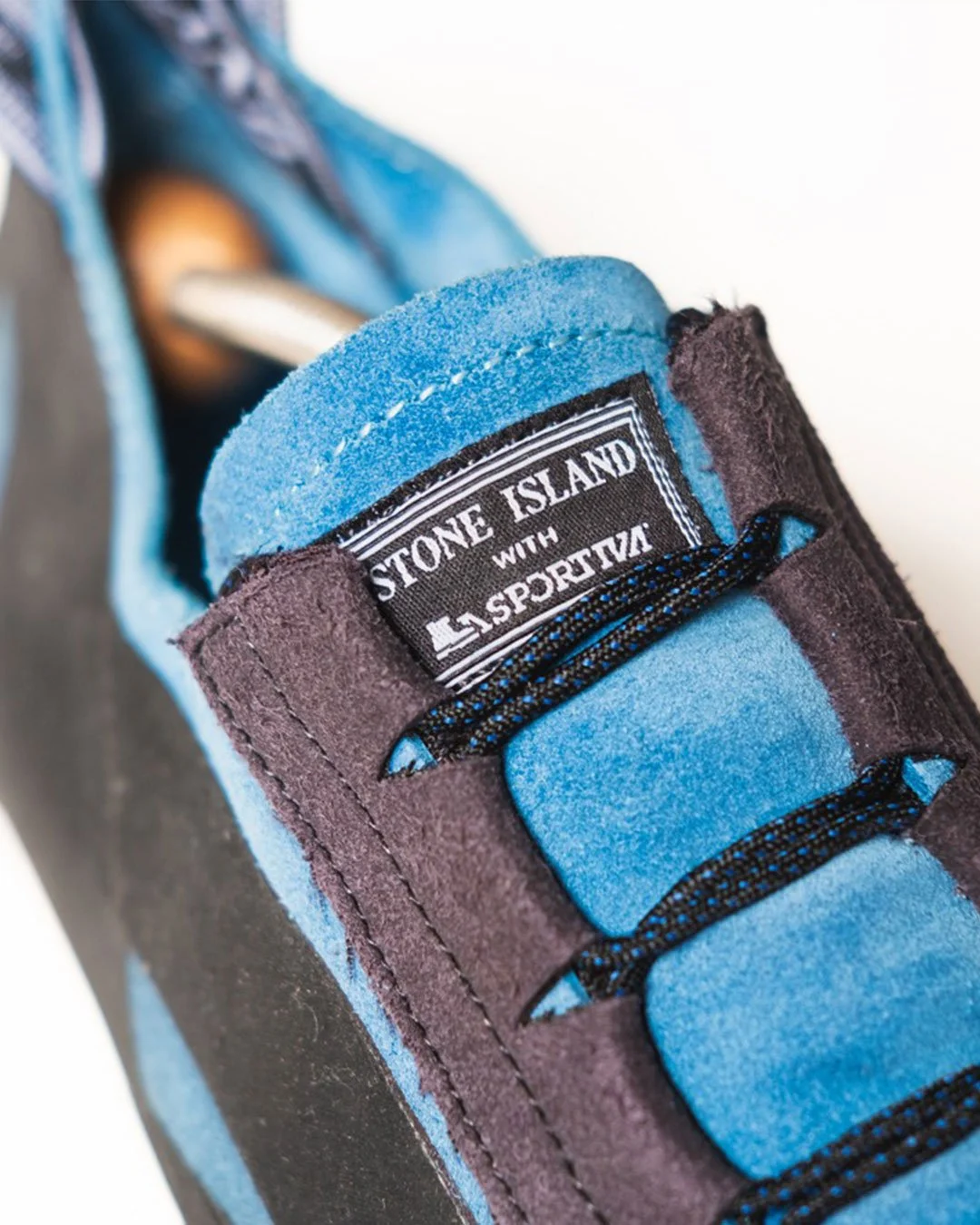
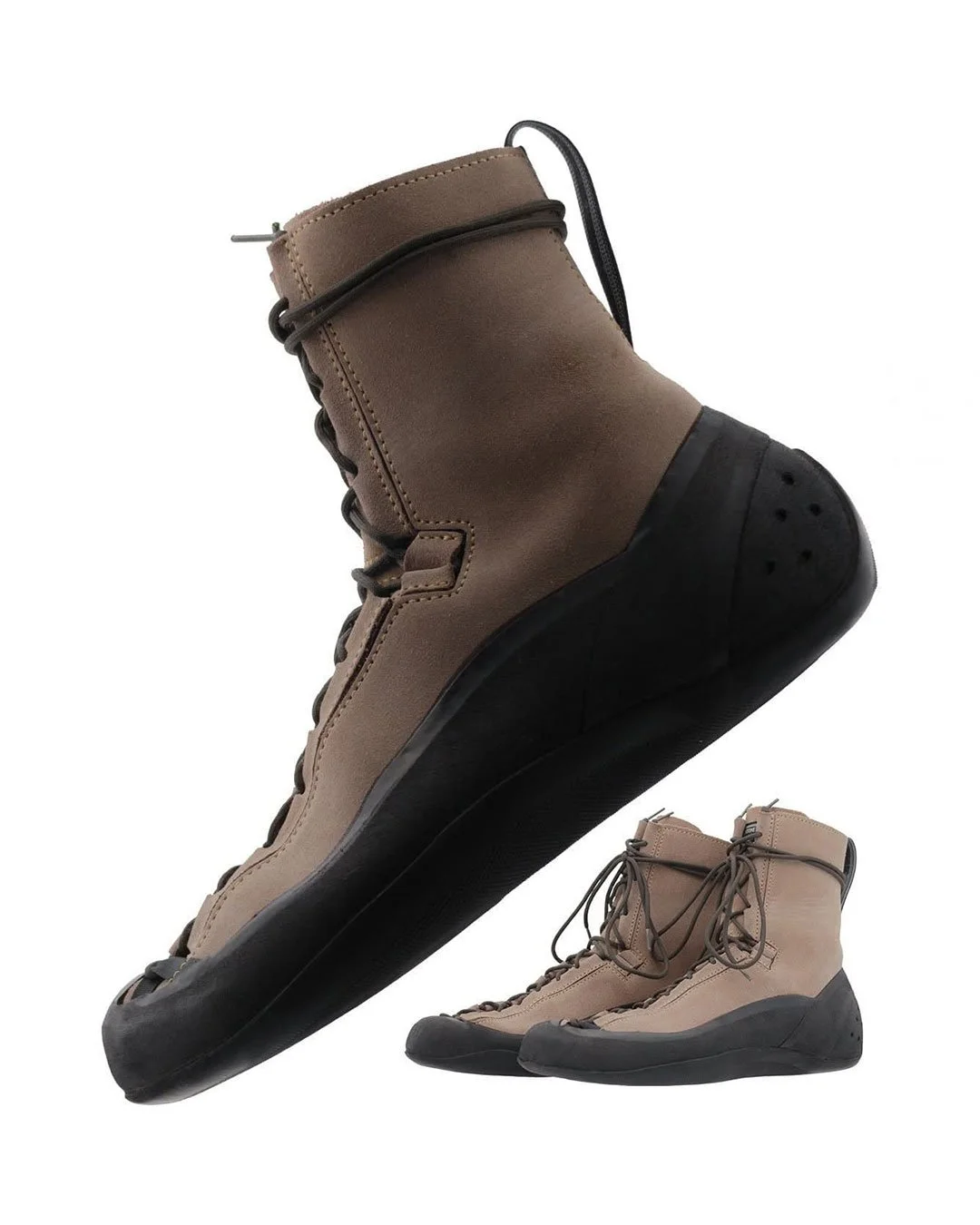
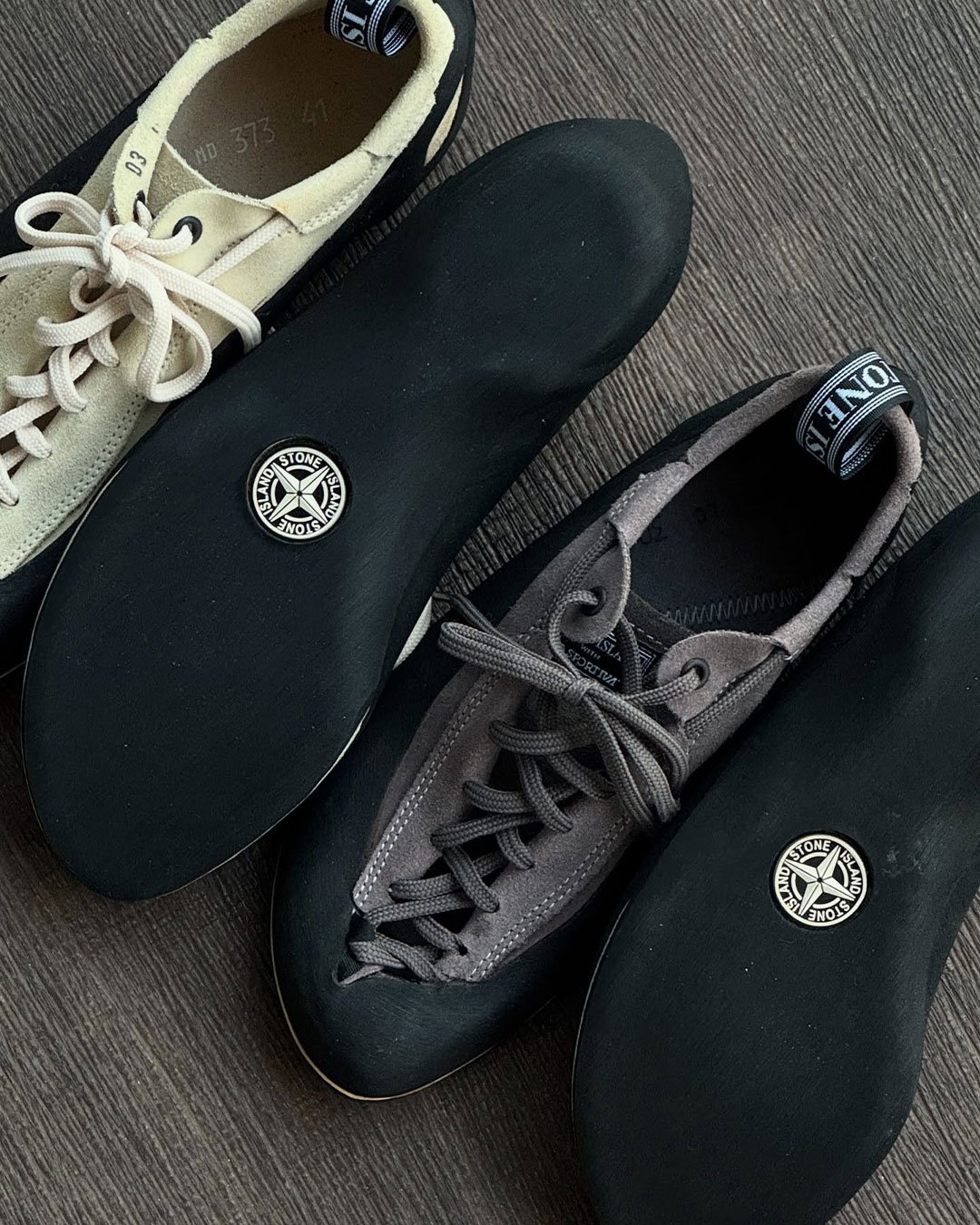
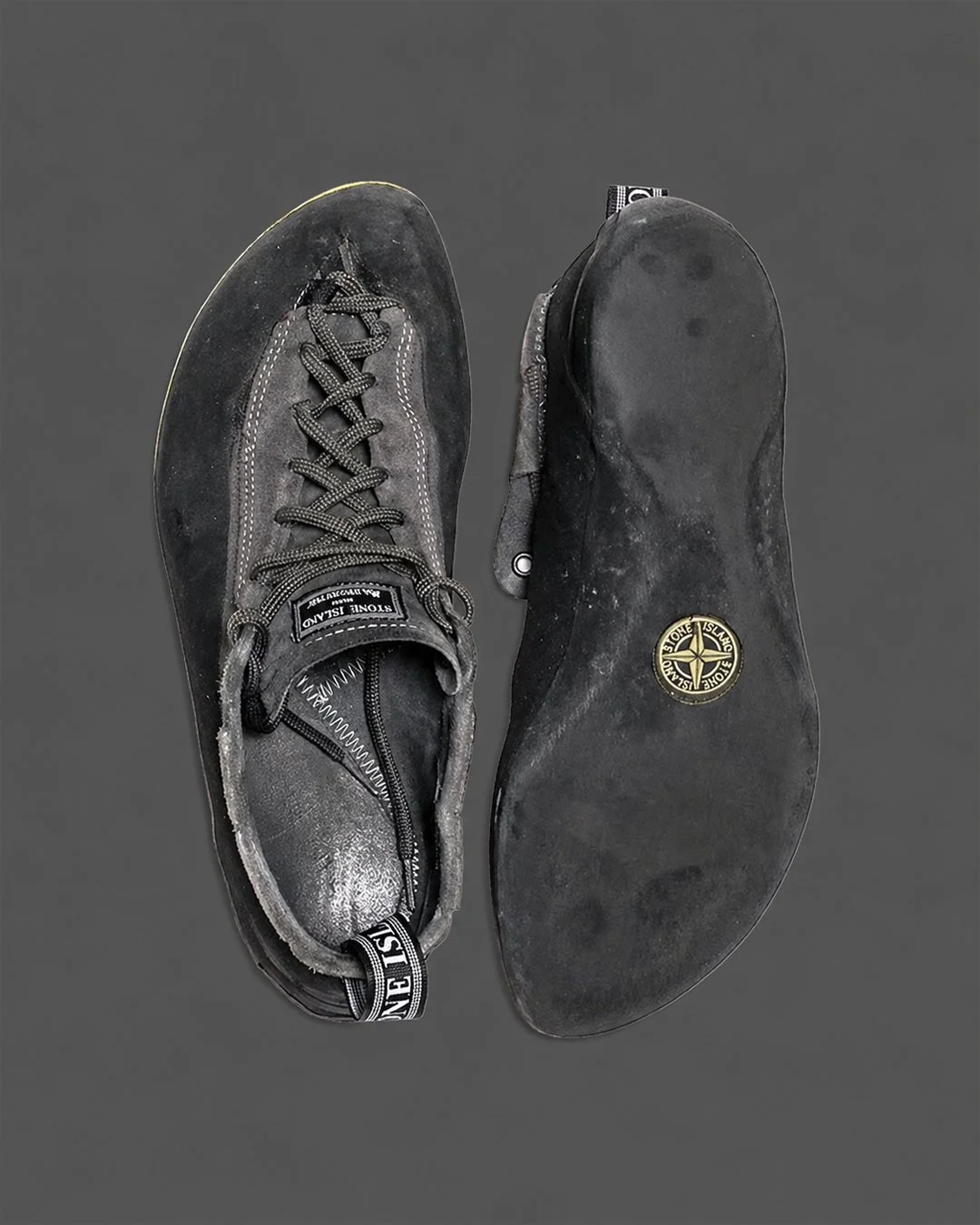
As mentioned in Part 01, the best designs are kept alive because the problem they solve doesn't go away. Fashion can borrow an aesthetic and discard it. What it can't do as easily is discard the thing that made the aesthetic worth borrowing in the first place. Climbing rubber is a good example of that. The appeal isn't just visual. It comes from a form that was shaped over decades by use.
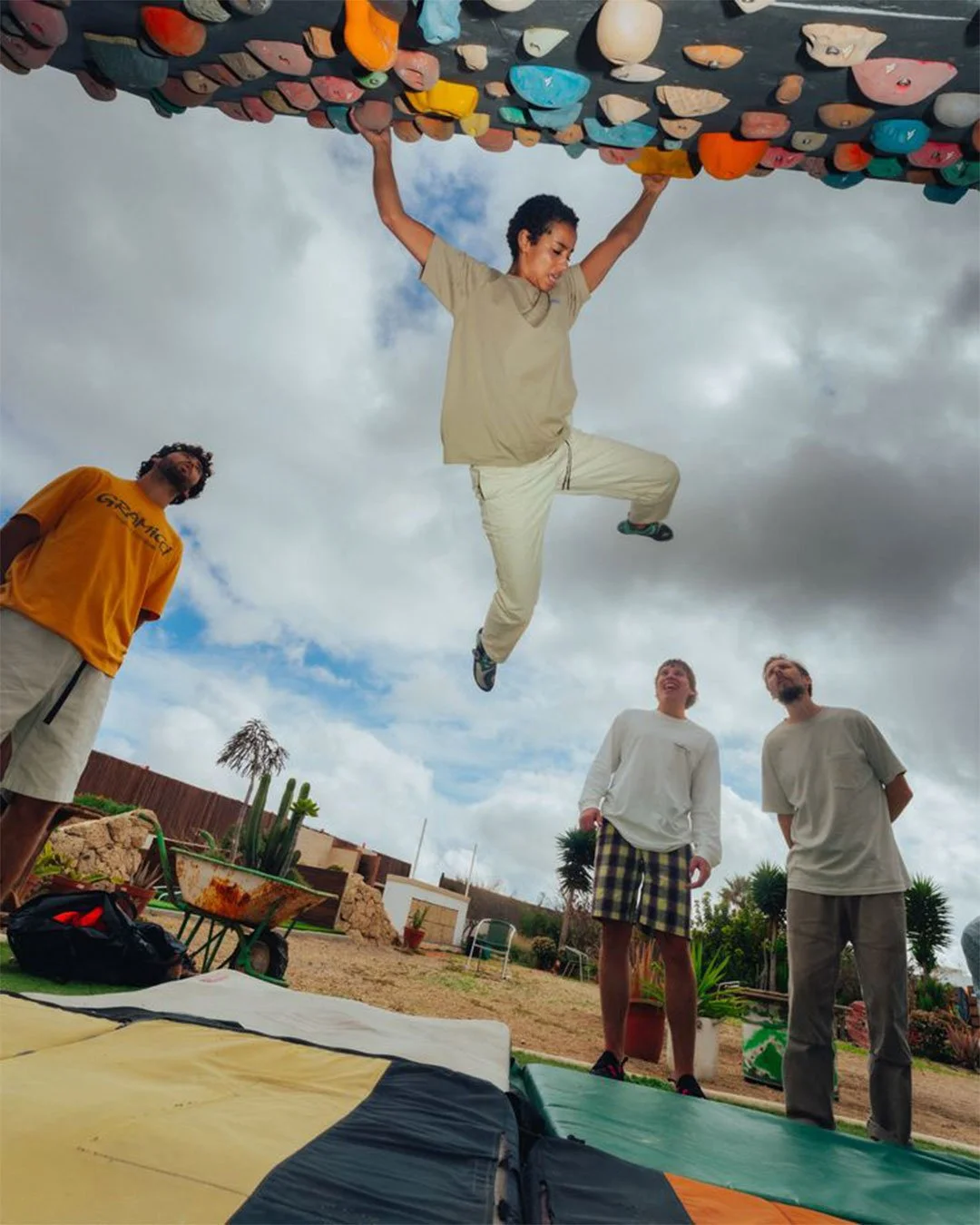
Indoor climbing's growth through the 2010s did something the broader culture rarely credits. It democratized the equipment. By the early 2020s, tens of millions of people globally had worn a climbing shoe and had chalk on their hands. Even if just plastic, the sensation of rubber on rock became something the average person could understand and relate to. The technical object lost its insider gatekeeping, and when that happens, the aesthetics become more available.
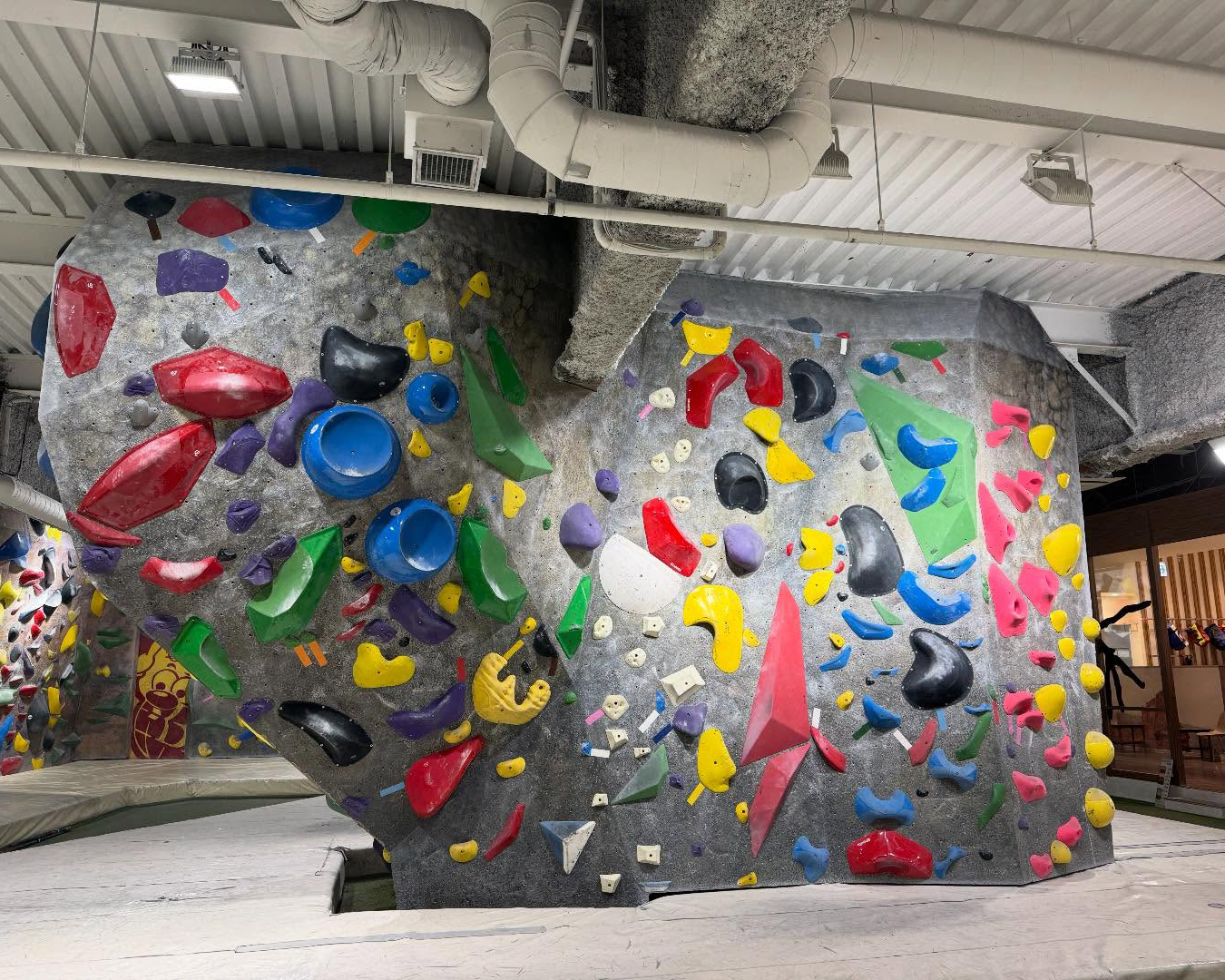
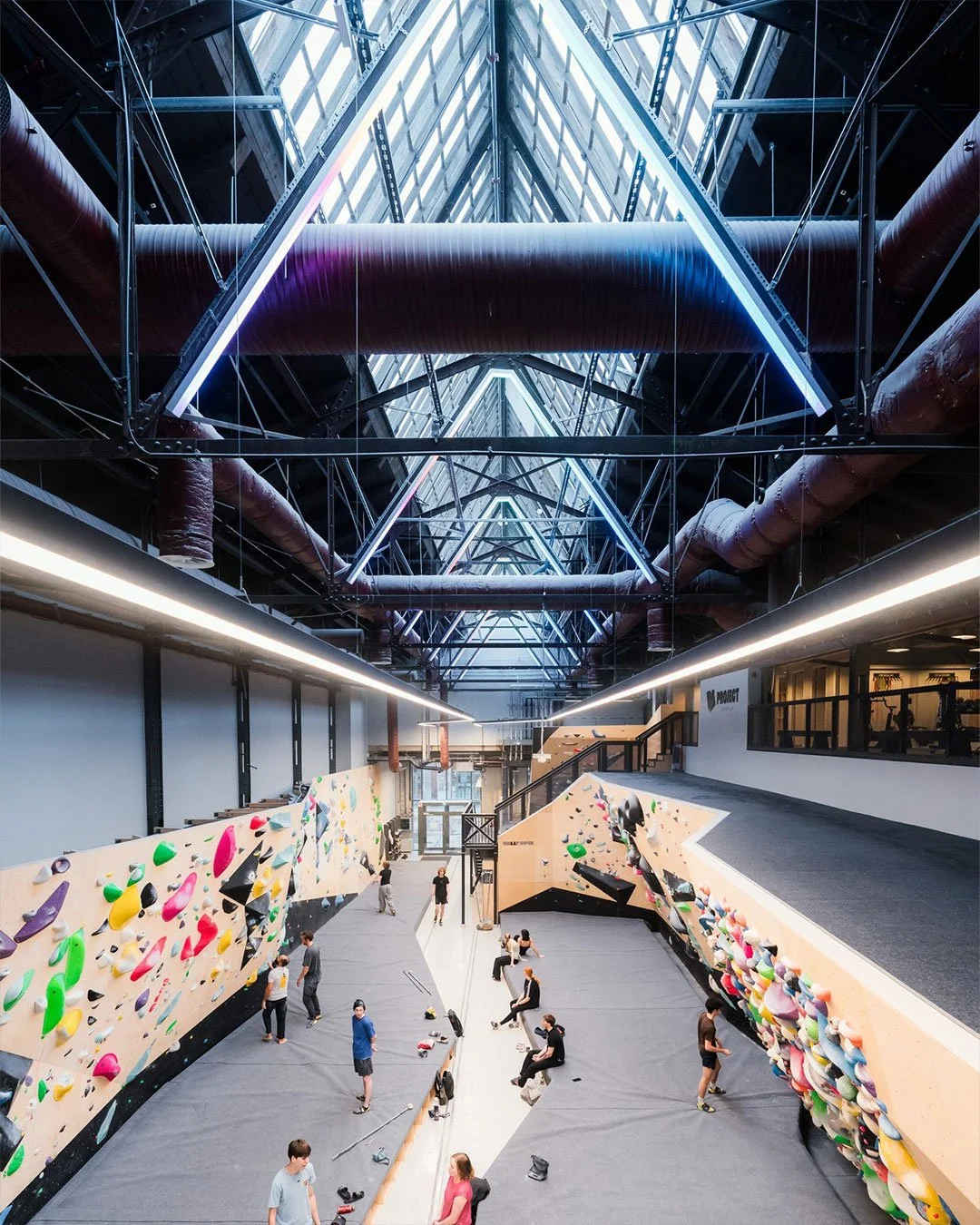
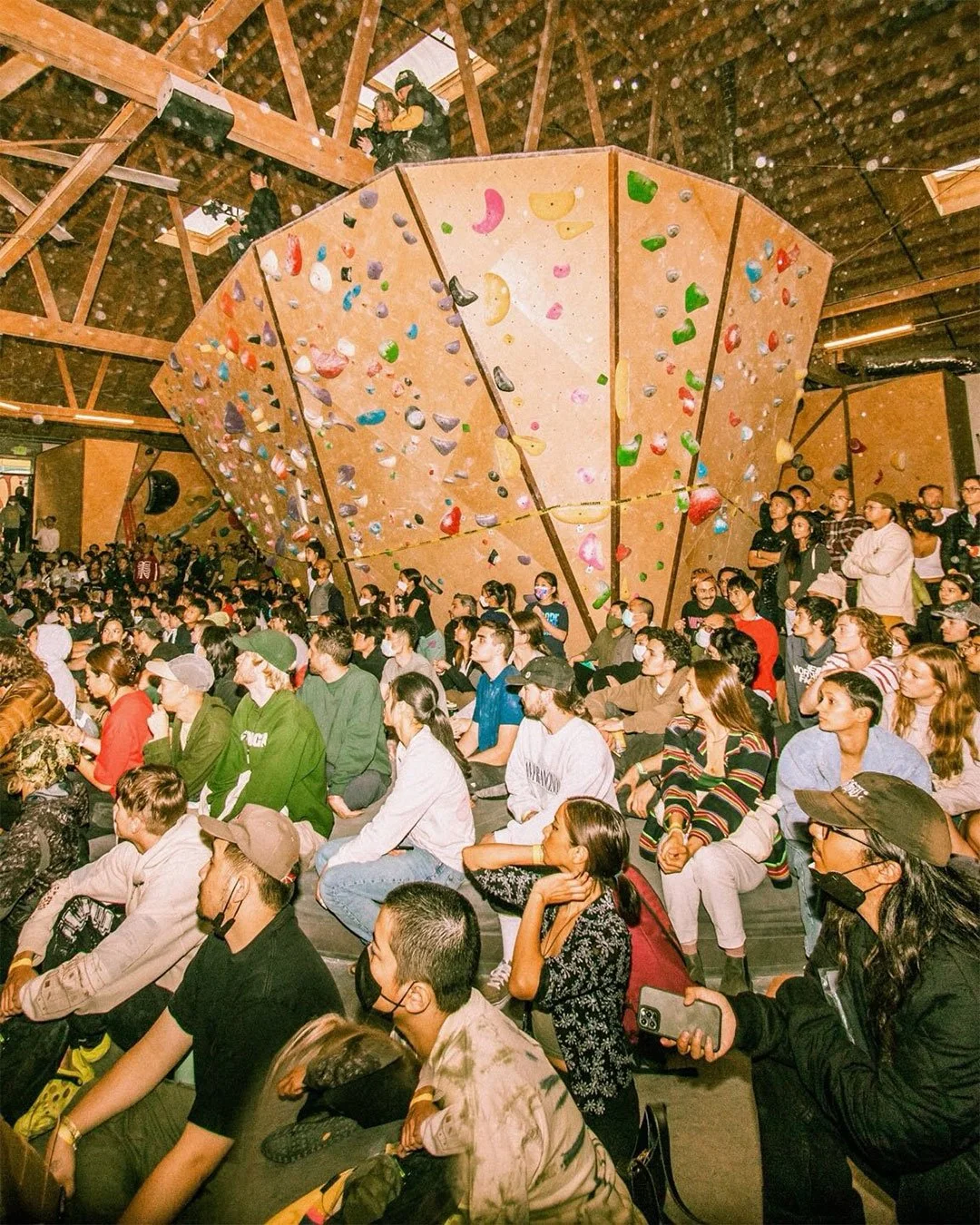
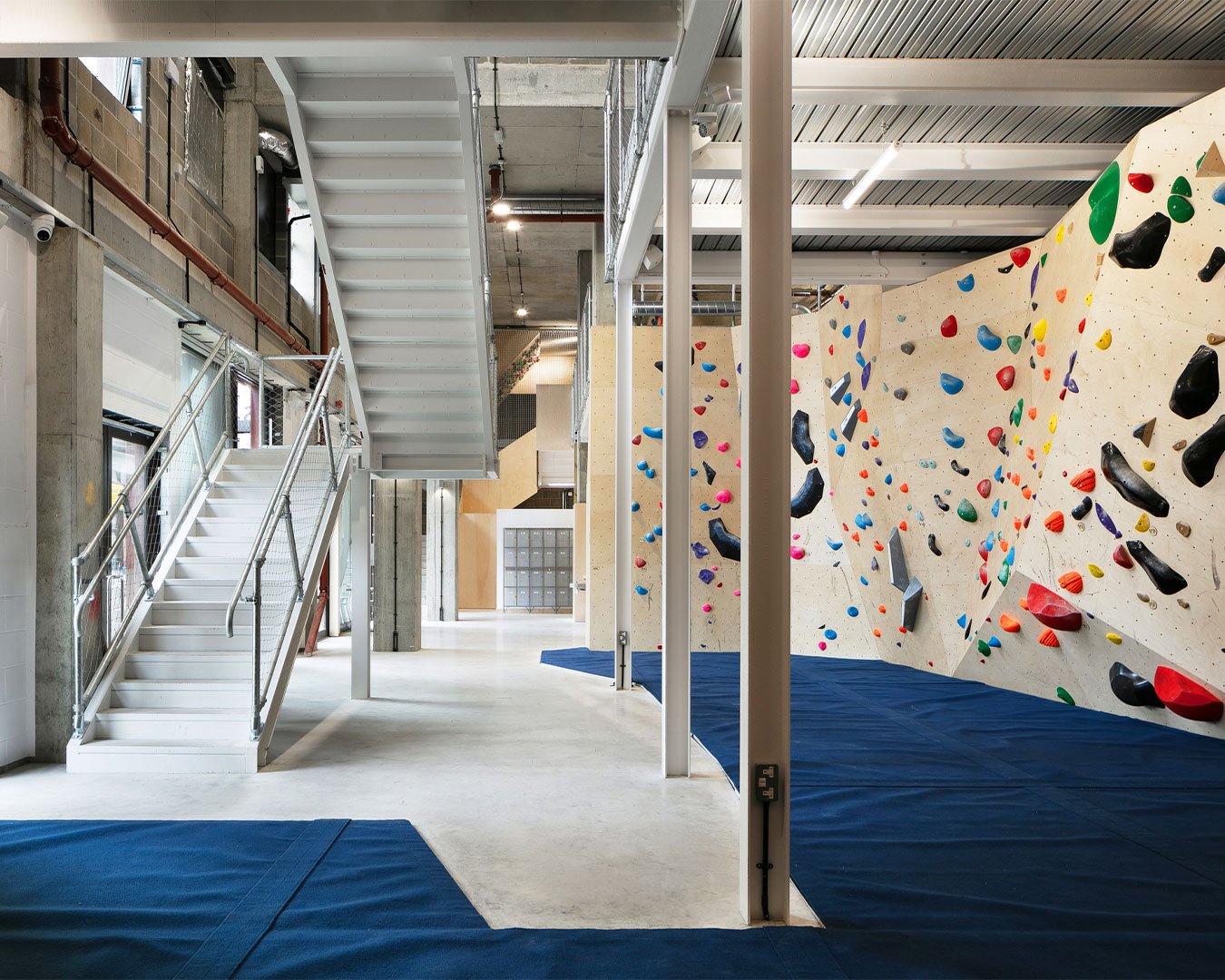
Since the COVID era, there has been a massive uptick in outdoor hobbies across the board, and climbing is one of the clearest examples of a sport that has completely shed its old demographic. It isn't just for dirtbags living out of vans anymore and travelling from crag to crag. Climbing gyms are now a reliable sign of gentrification, opening in cities and looking more like Apple Stores than a rock wall. What was once a culture defined by chalky outdoors people who just wanted whatever would give them the most success on a mountain has shifted into something else entirely. People treat the gym as an extension of networking, a third space, a place to be seen as much as to train. People looking for something physical to do on a Tuesday, and a reason to wear the fit.
There has always been crossover between high fashion and activewear, but what's accelerating it now is simpler than any trend report will tell you. The creative directors and the runway models are showing up at the local climbing gym on weekends. The influence doesn't need to travel far when the people making the clothes are already chalking their hands. It seeps into everything from there.
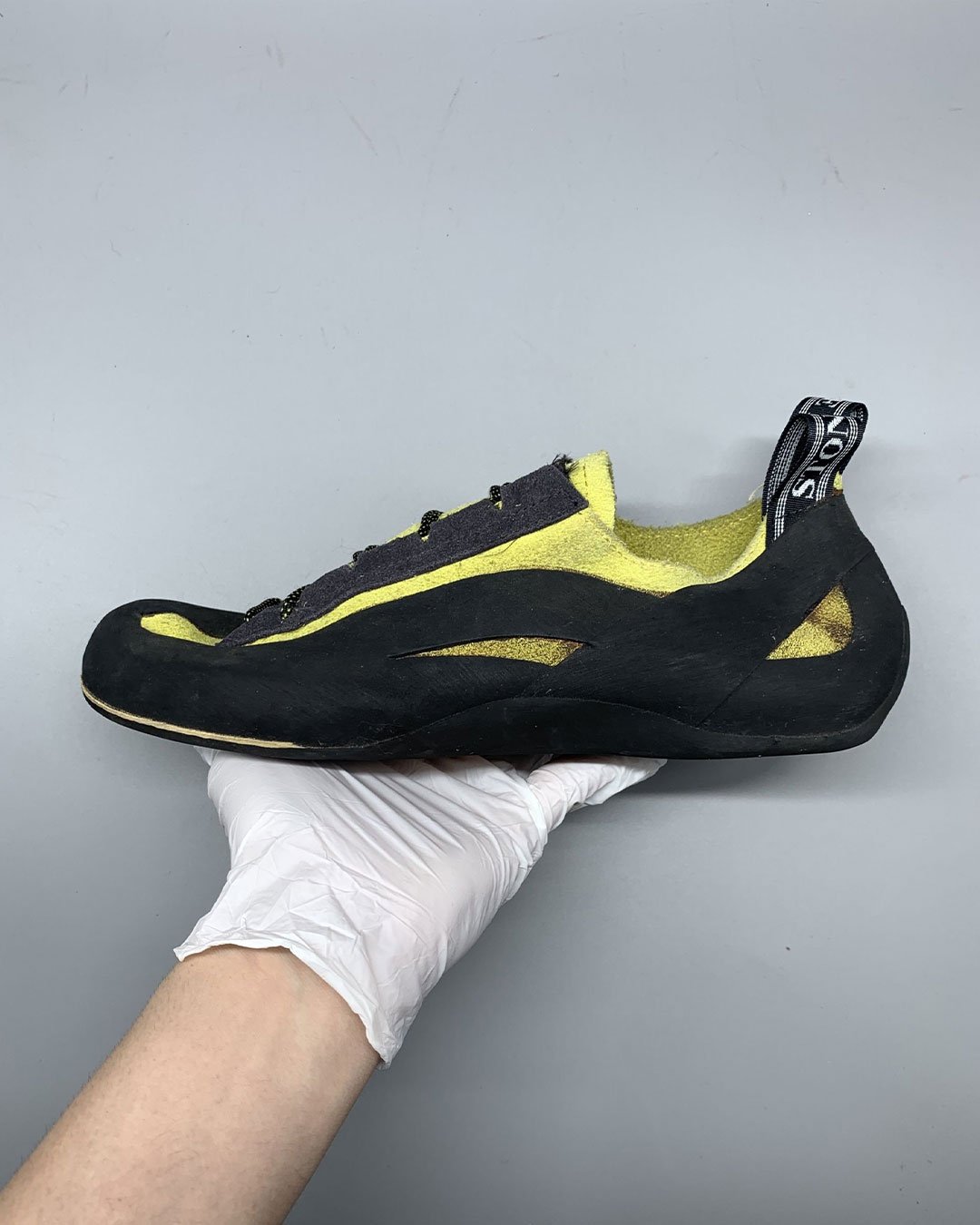
When people talk about climbing and fashion colliding, Stone Island's 2004 collaboration with La Sportiva is always the first reference point. Rightfully so as it was genuinely early. The compass badge appeared on a climbing shoe silhouette at a time when no one had coined gorpcore and the idea that a climbing shoe could carry cultural weight would have struck most people as absurd. What Stone Island understood was that the climbing shoe was already a form. With its raked last, wrapped rand and asymmetric pull, the shoe's geometry was the result of decades of technical refining and carried a specific kind of beauty like a well-made tool.
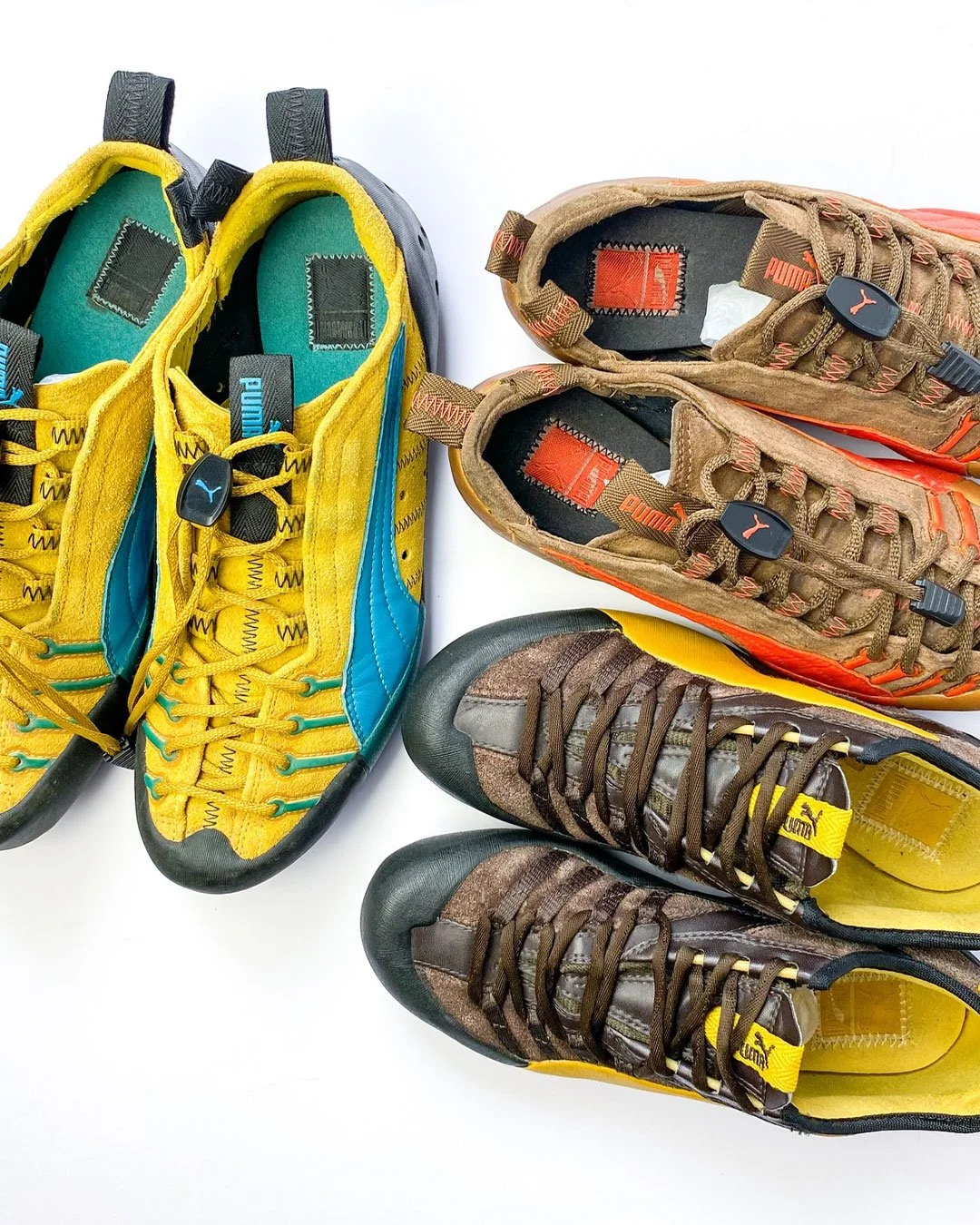
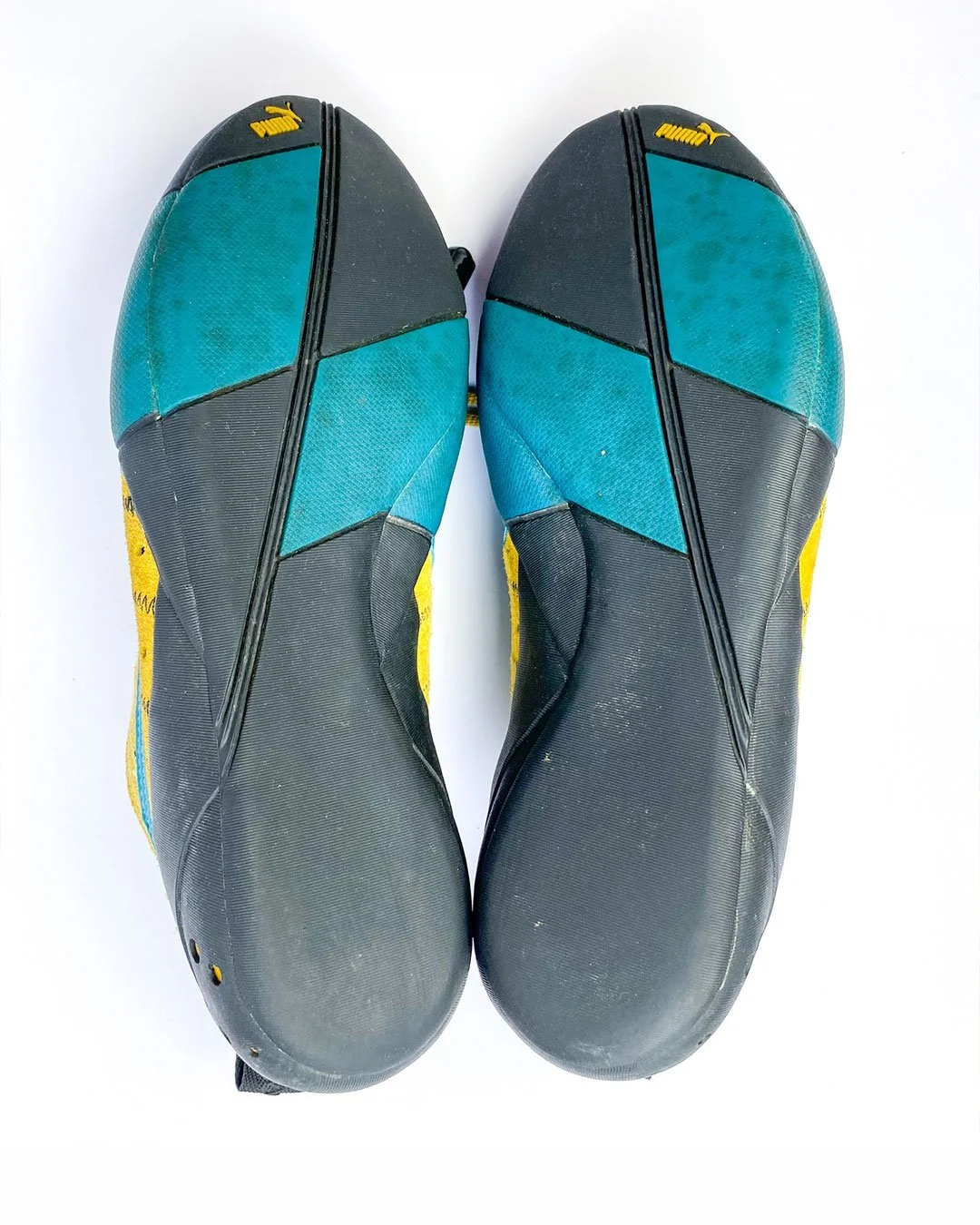
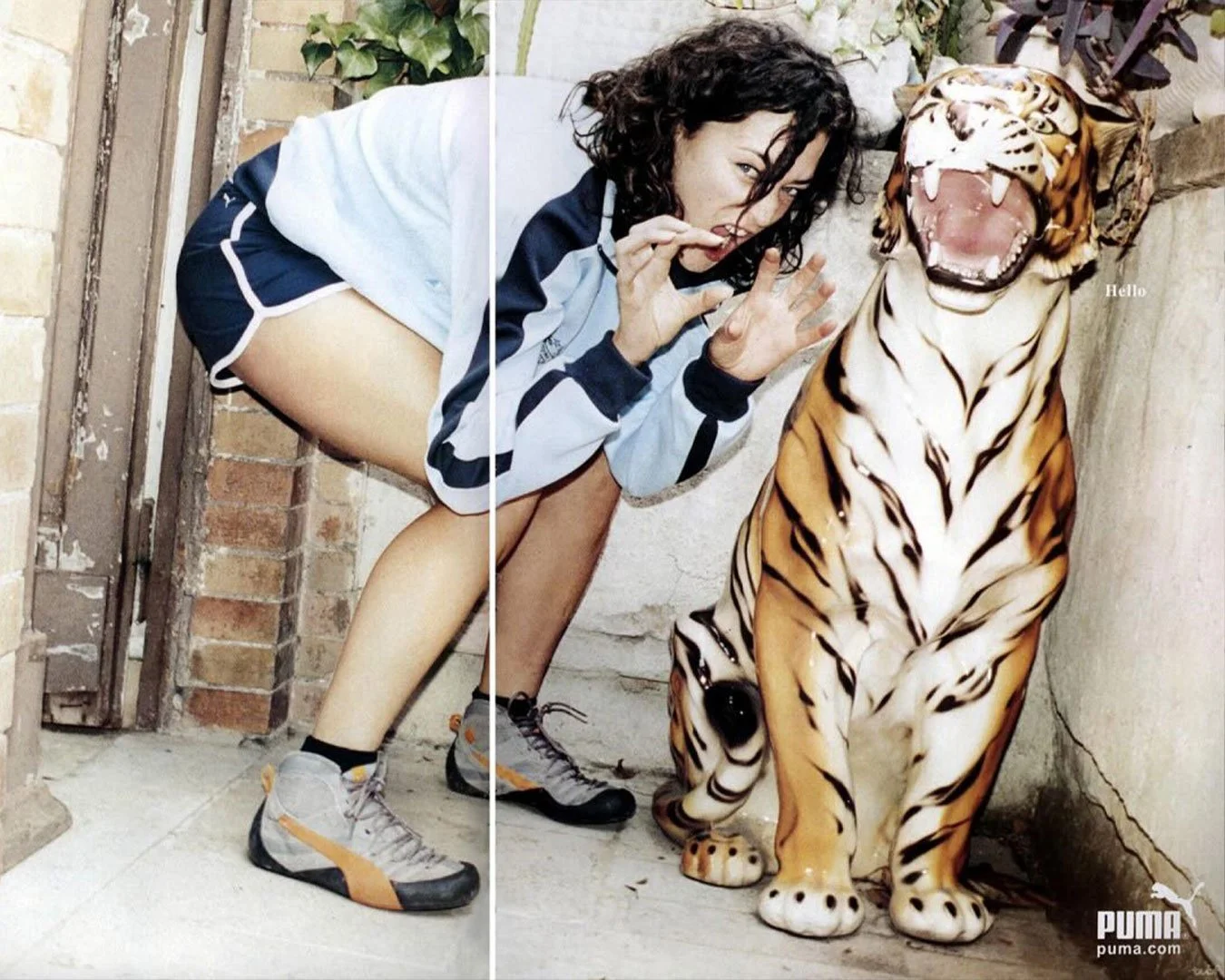
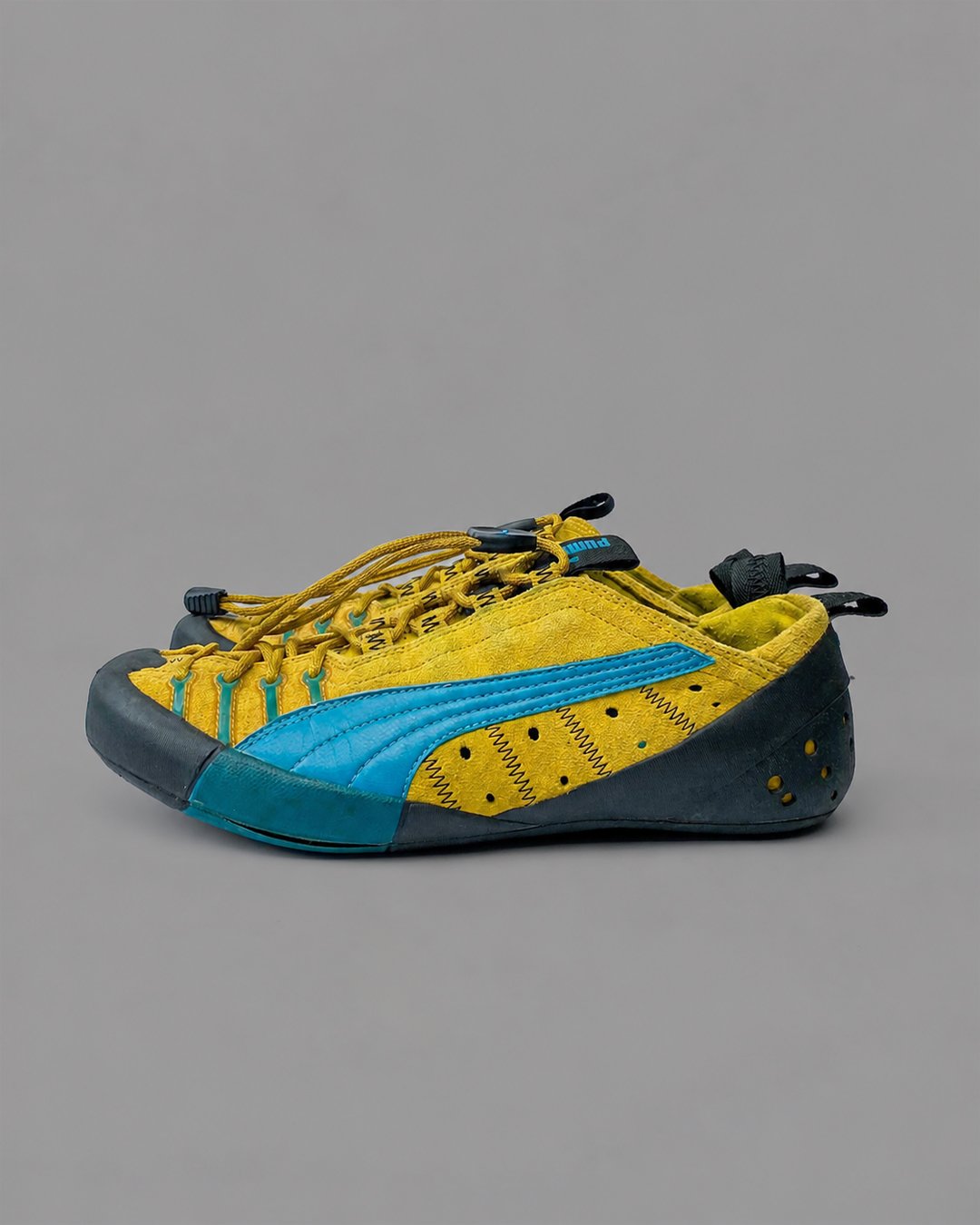
Puma's Klim and Skrill line, launched around the same time, made a similar bet on the silhouette. The shoe's narrow profile and technical detailing borrowed the coding from rock shoes and carried it into sneaker territory. That borrowing sat mostly quiet for the next decade until the climbing gym happened.
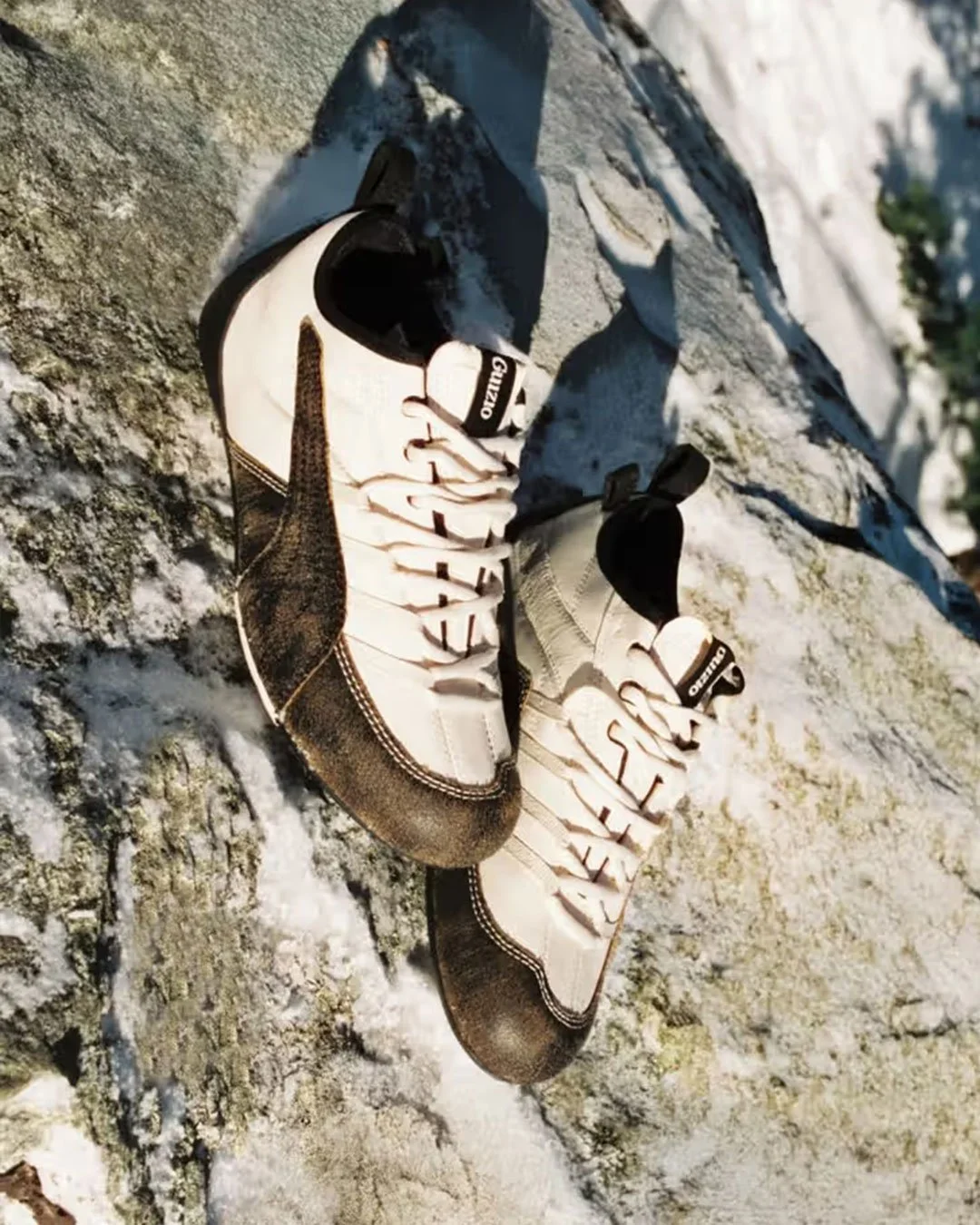
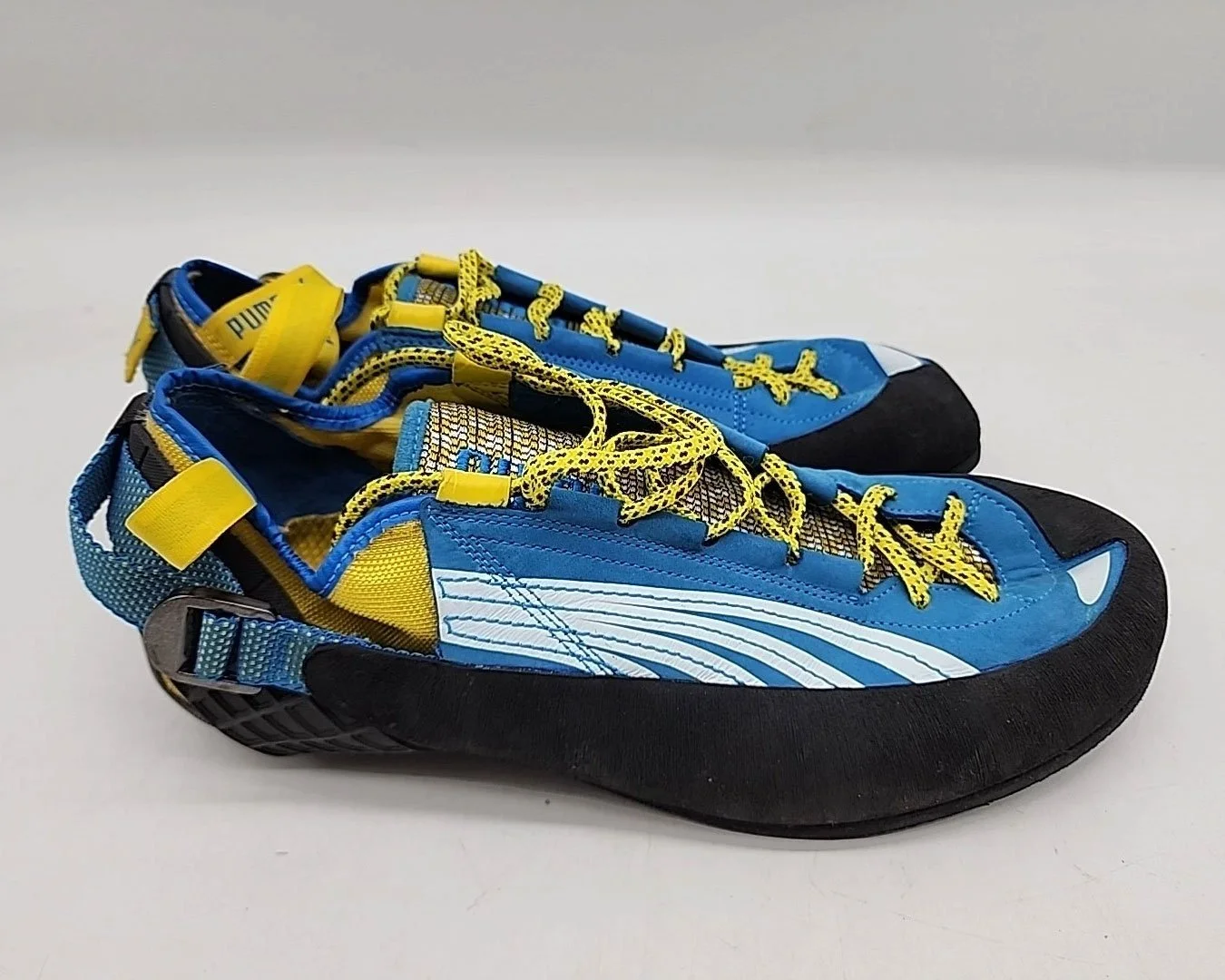
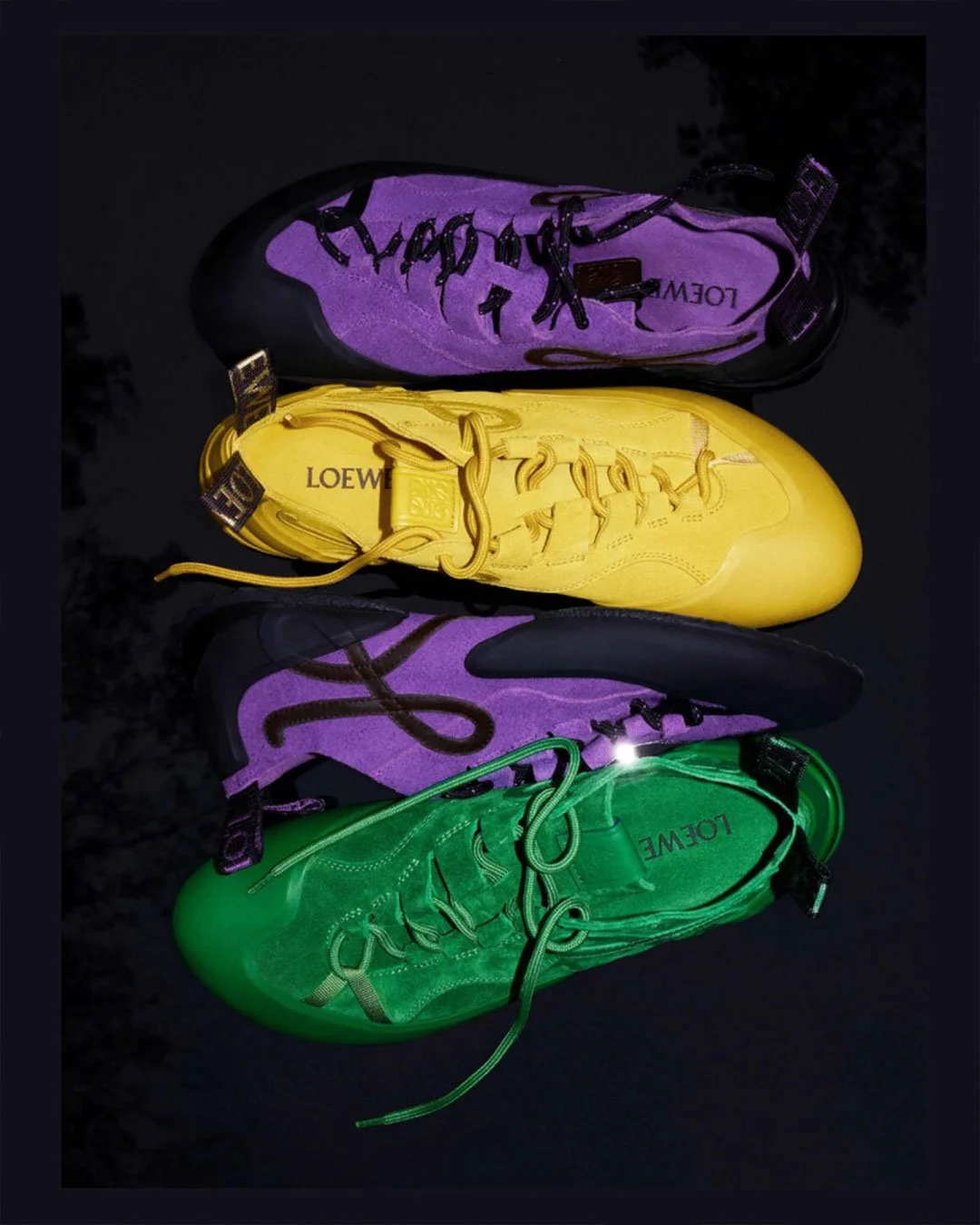
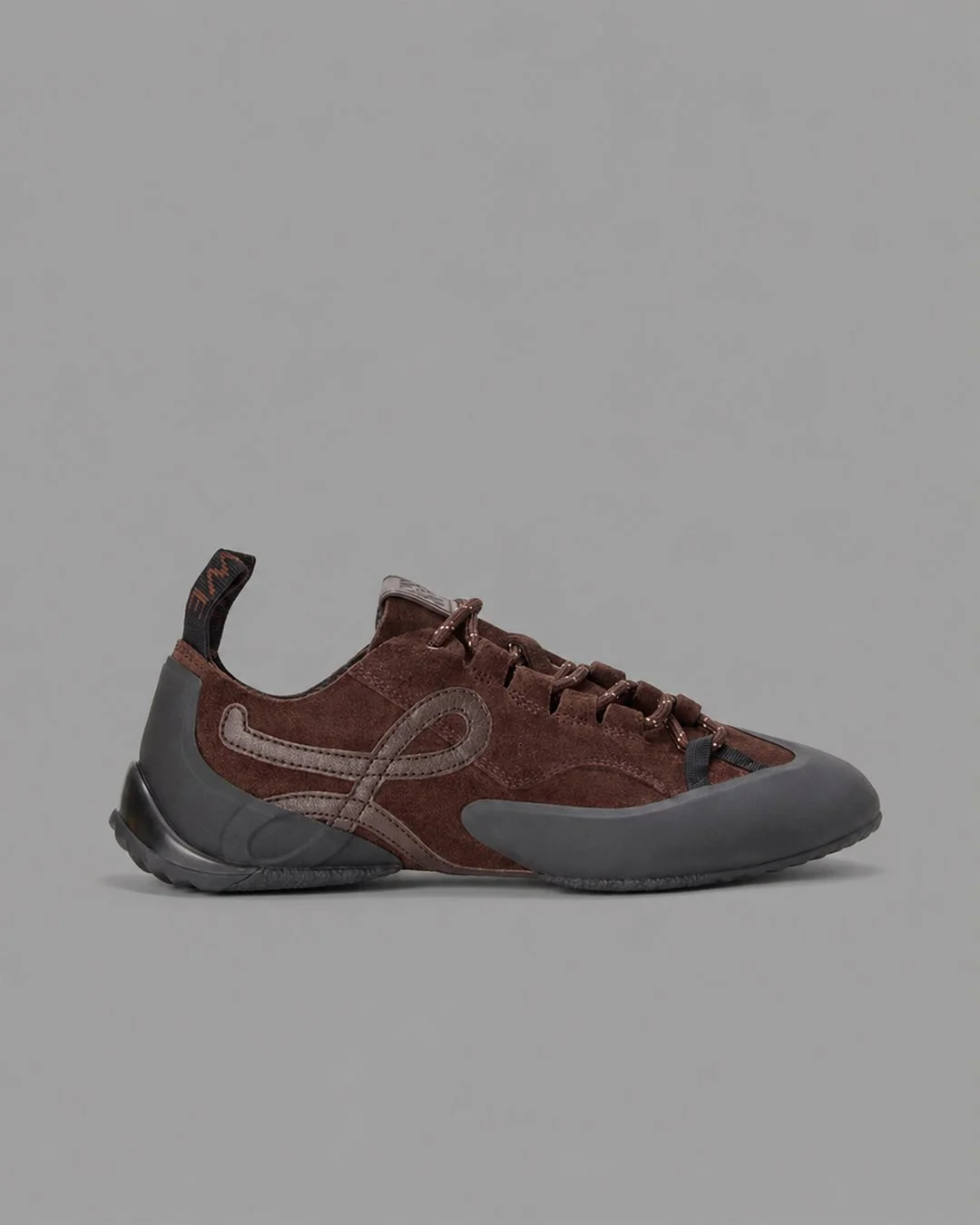
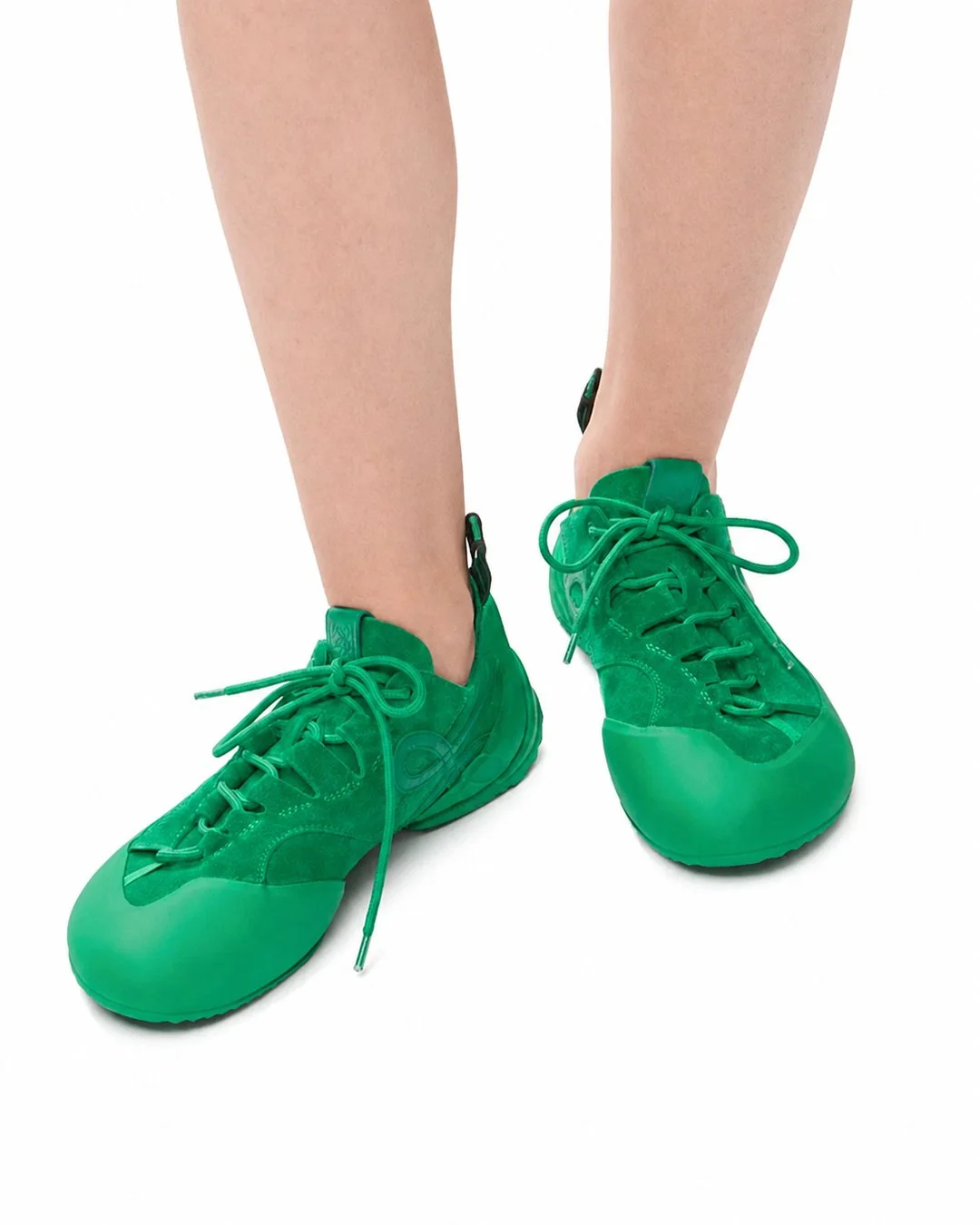
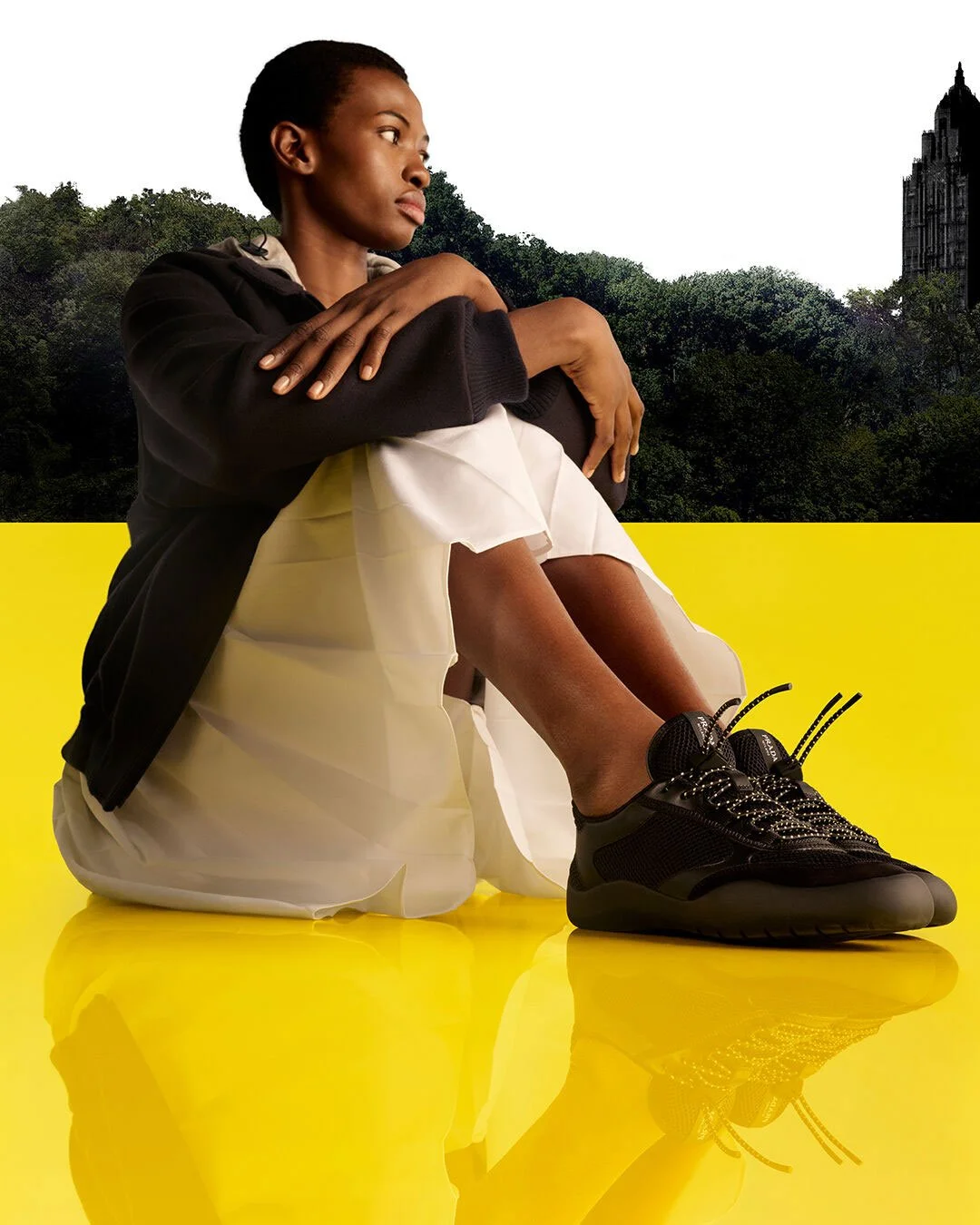
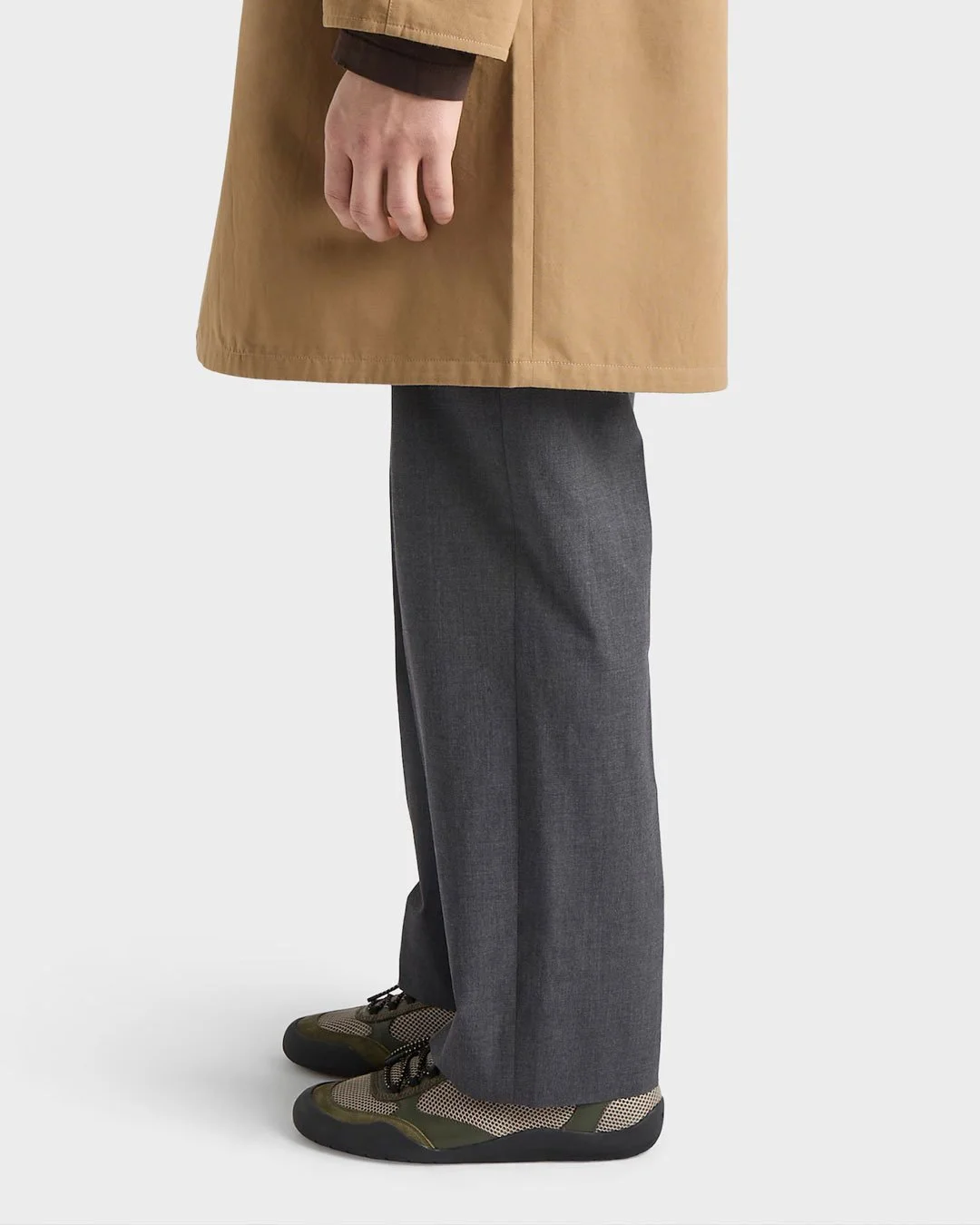
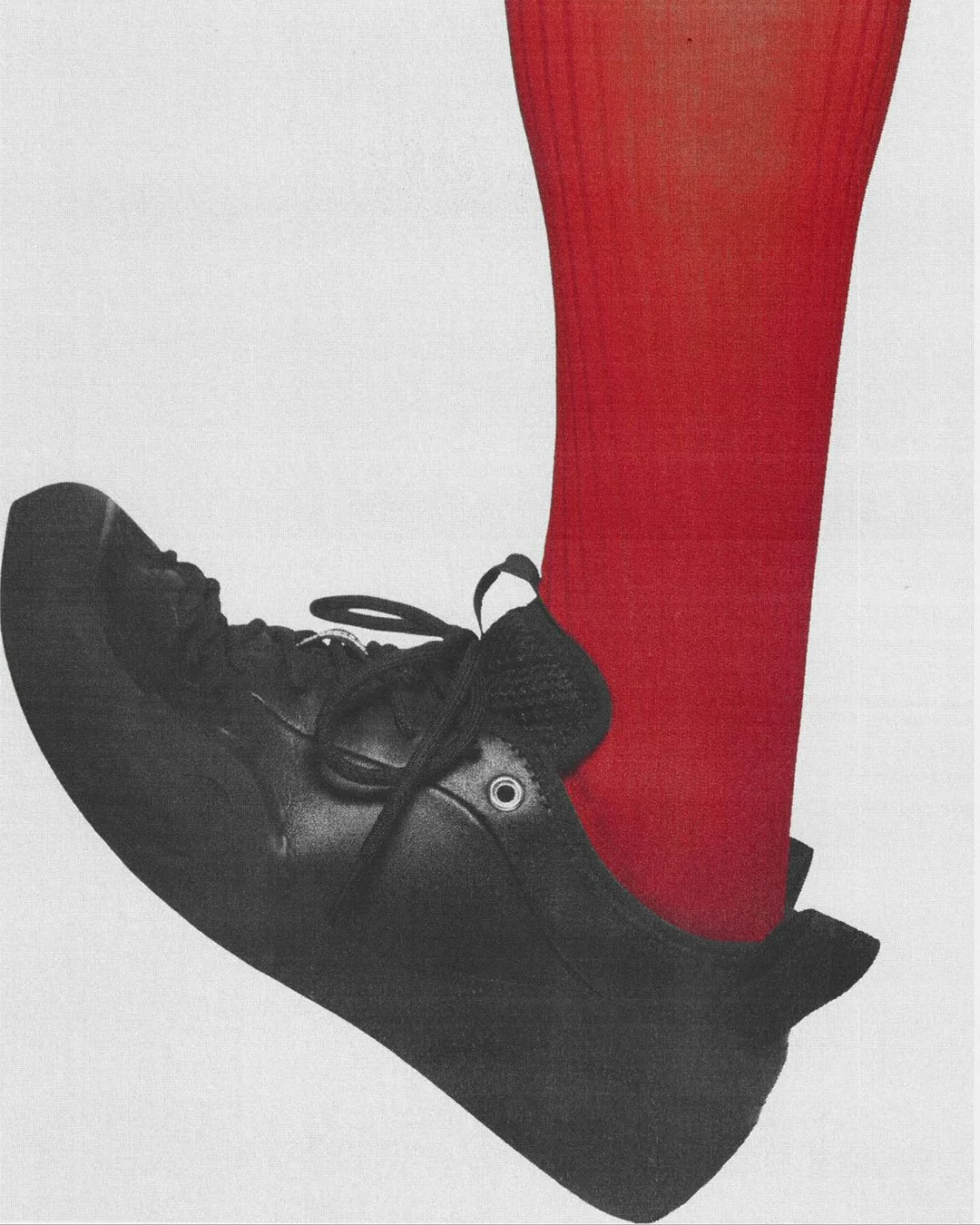
Something shifted when Loewe priced a climbing-inspired sneaker at four figures and it sold. Not because of what was inside the shoe, but because of what the outside said. The thick black rand with an exaggerated toebox and the deliberate technical stitching were both visual cues taken from a rock shoe and translated into calf leather. The rubber wasn't Stealth C4. But it looked like it could be. Part 03 looks at how climbing rubber crossed over into mainstream fashion, and whether it's actually going to stick.
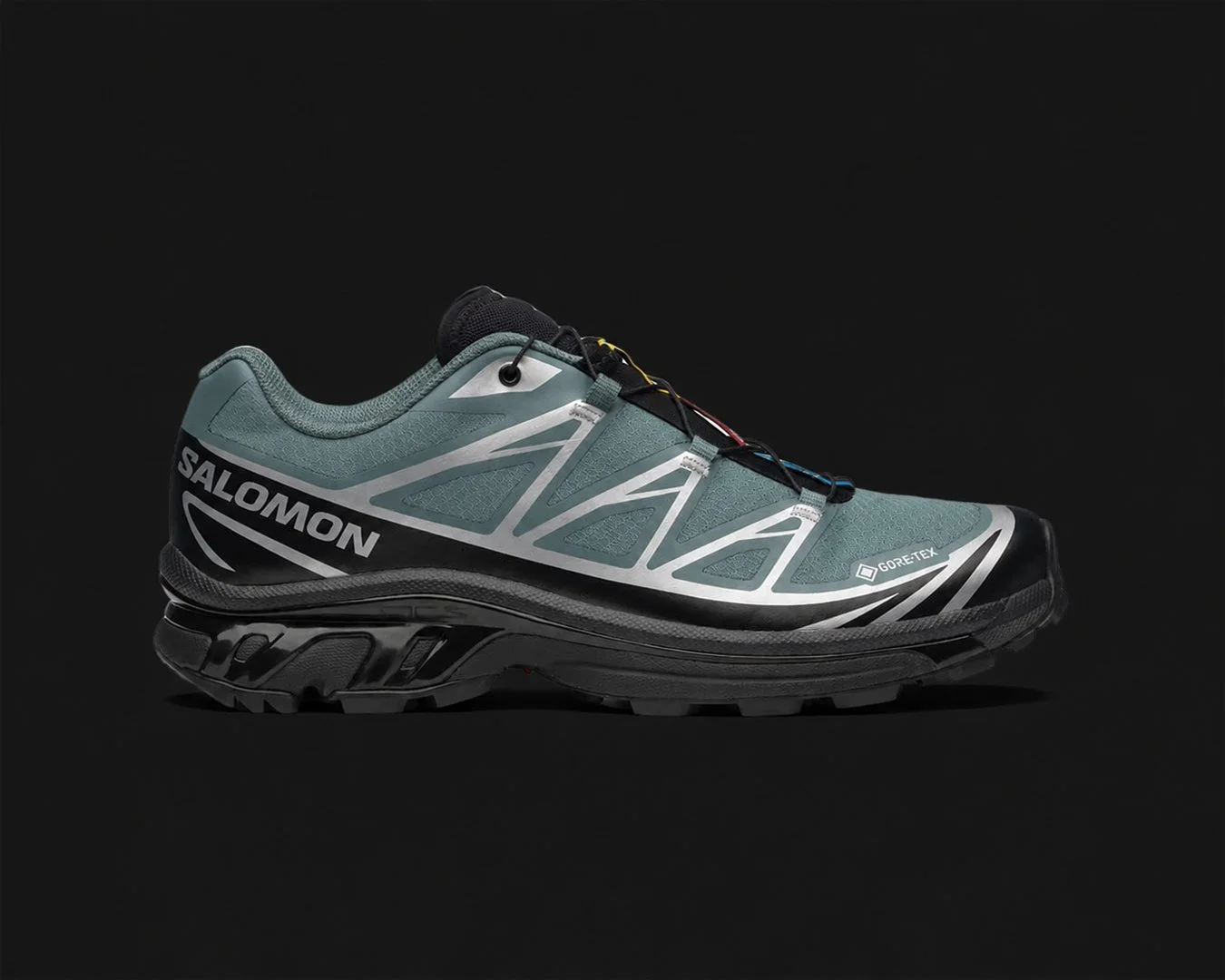
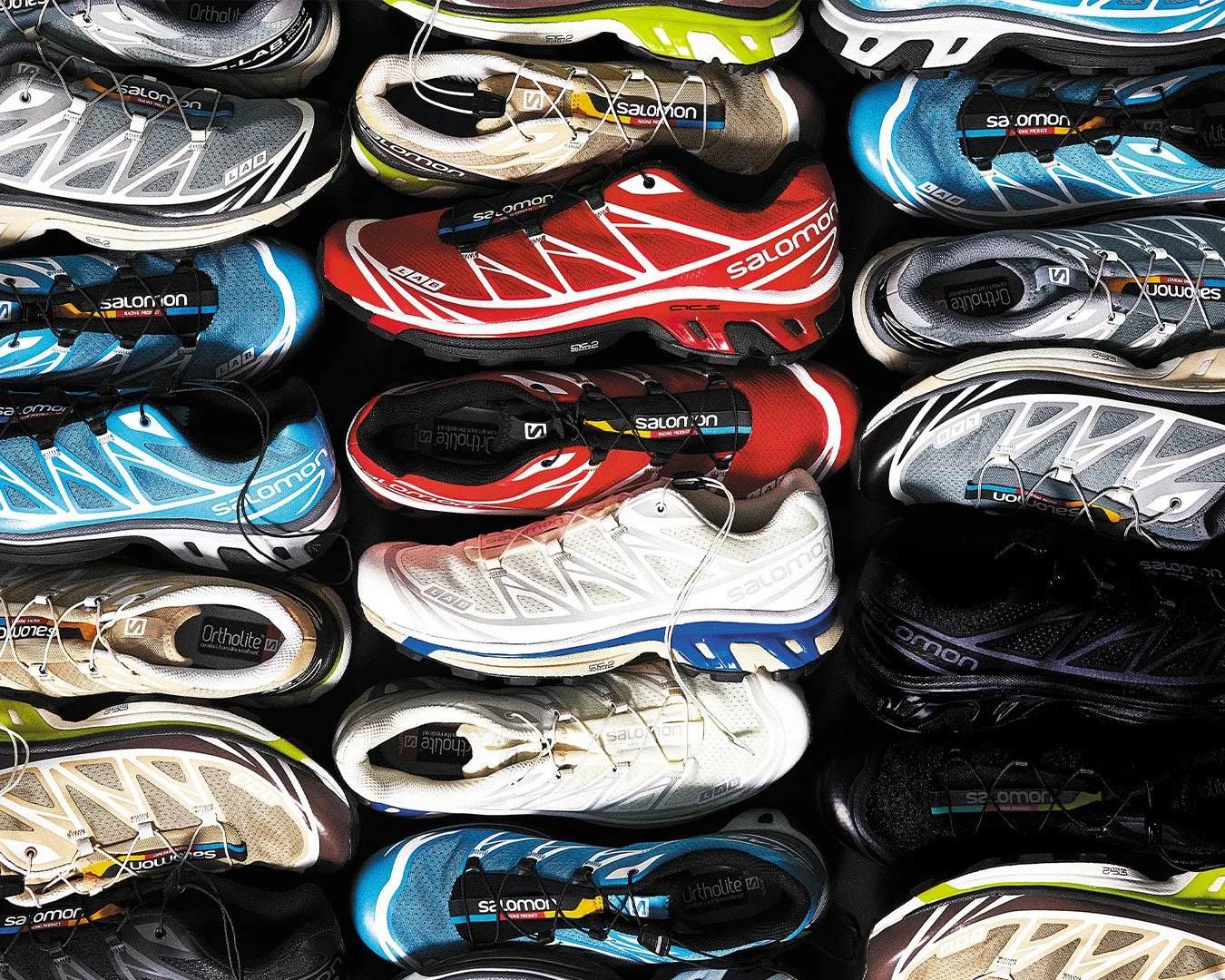
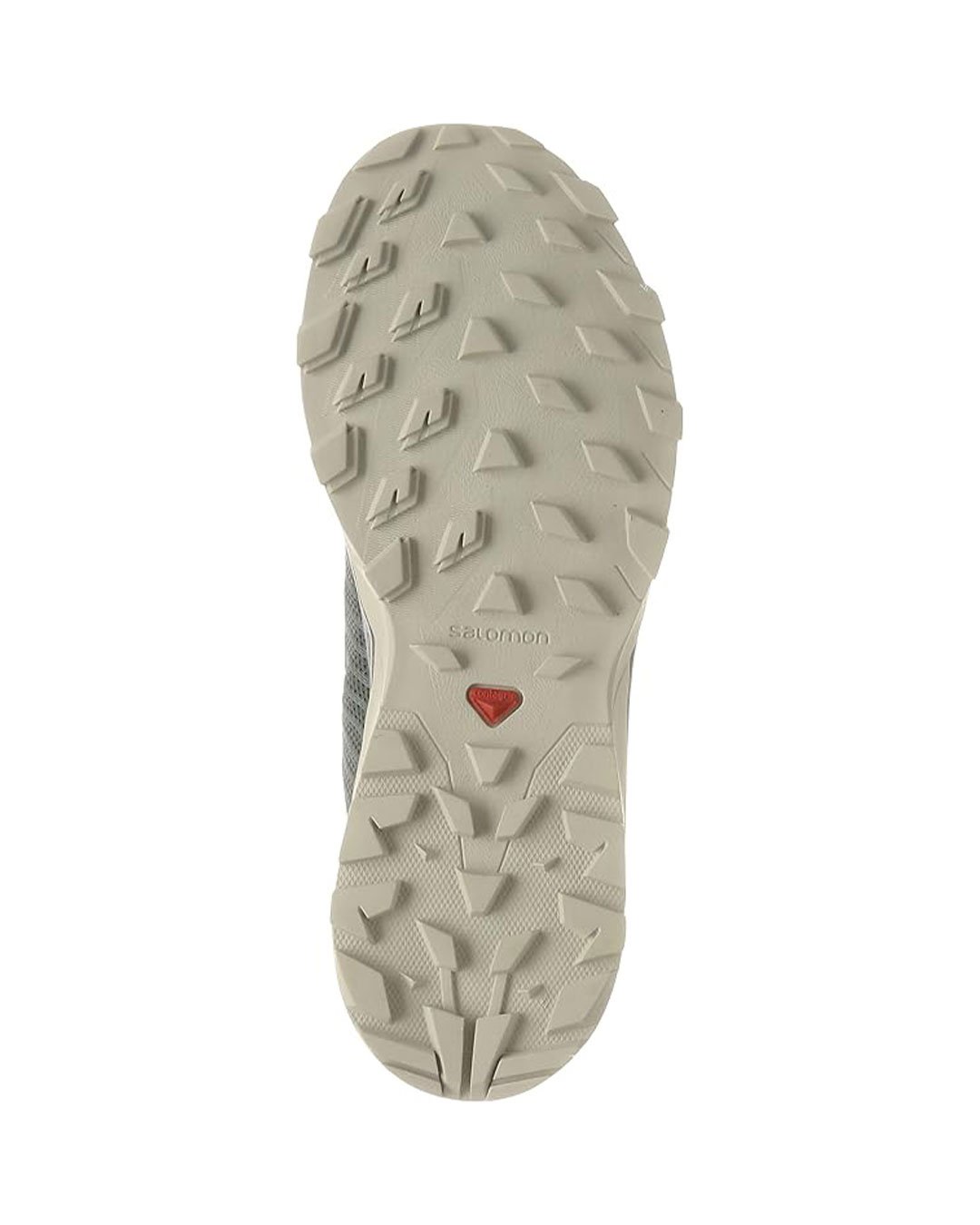
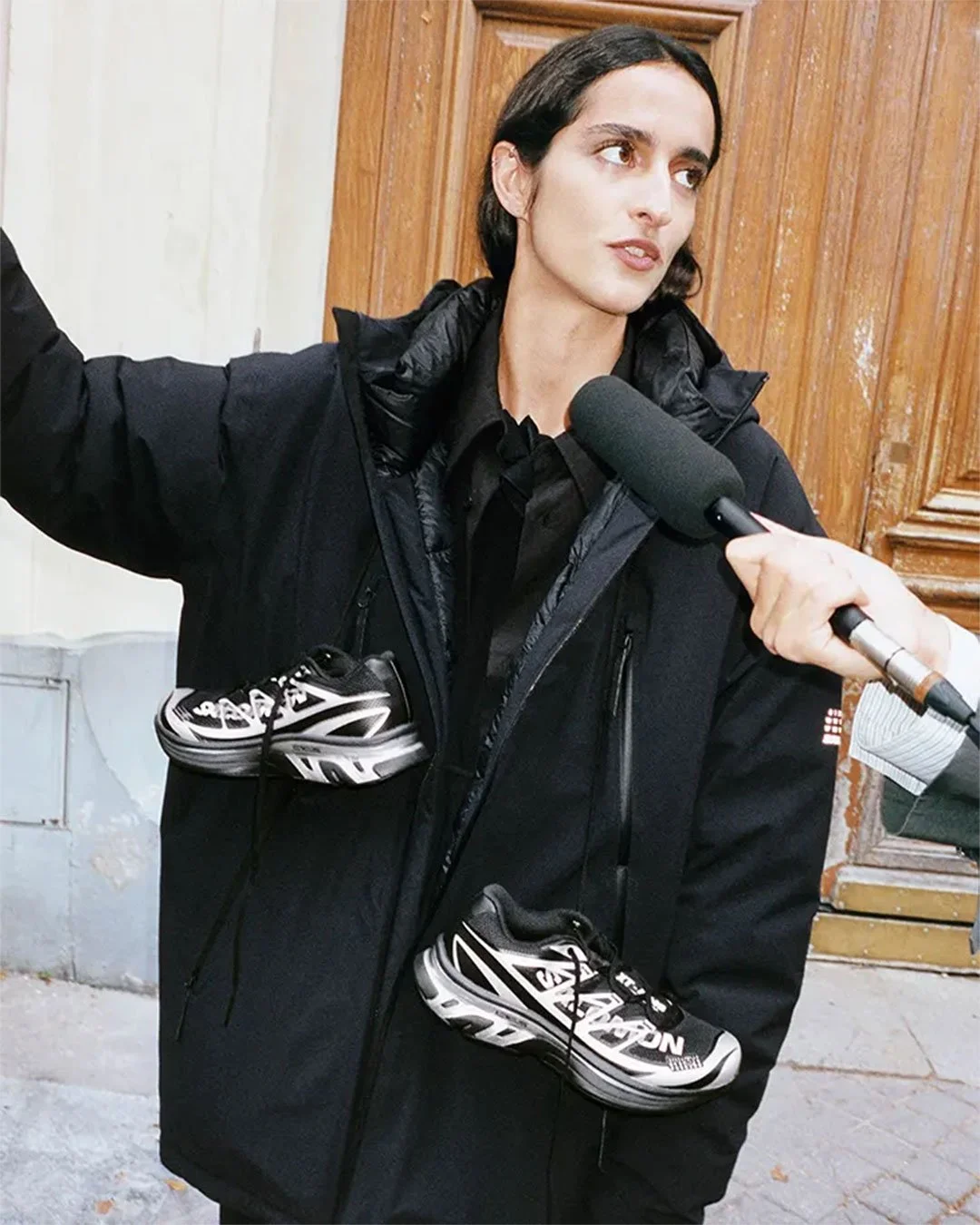
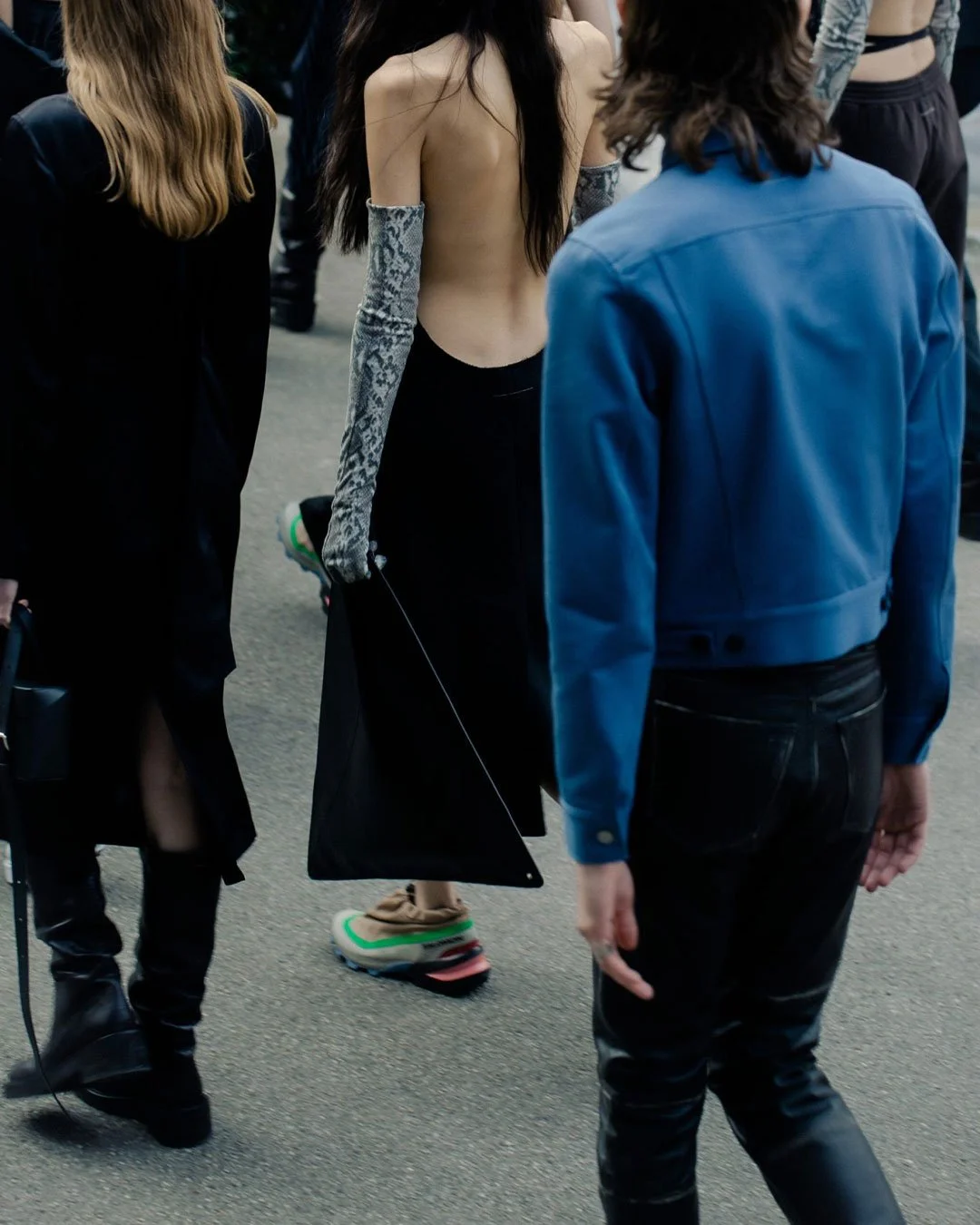
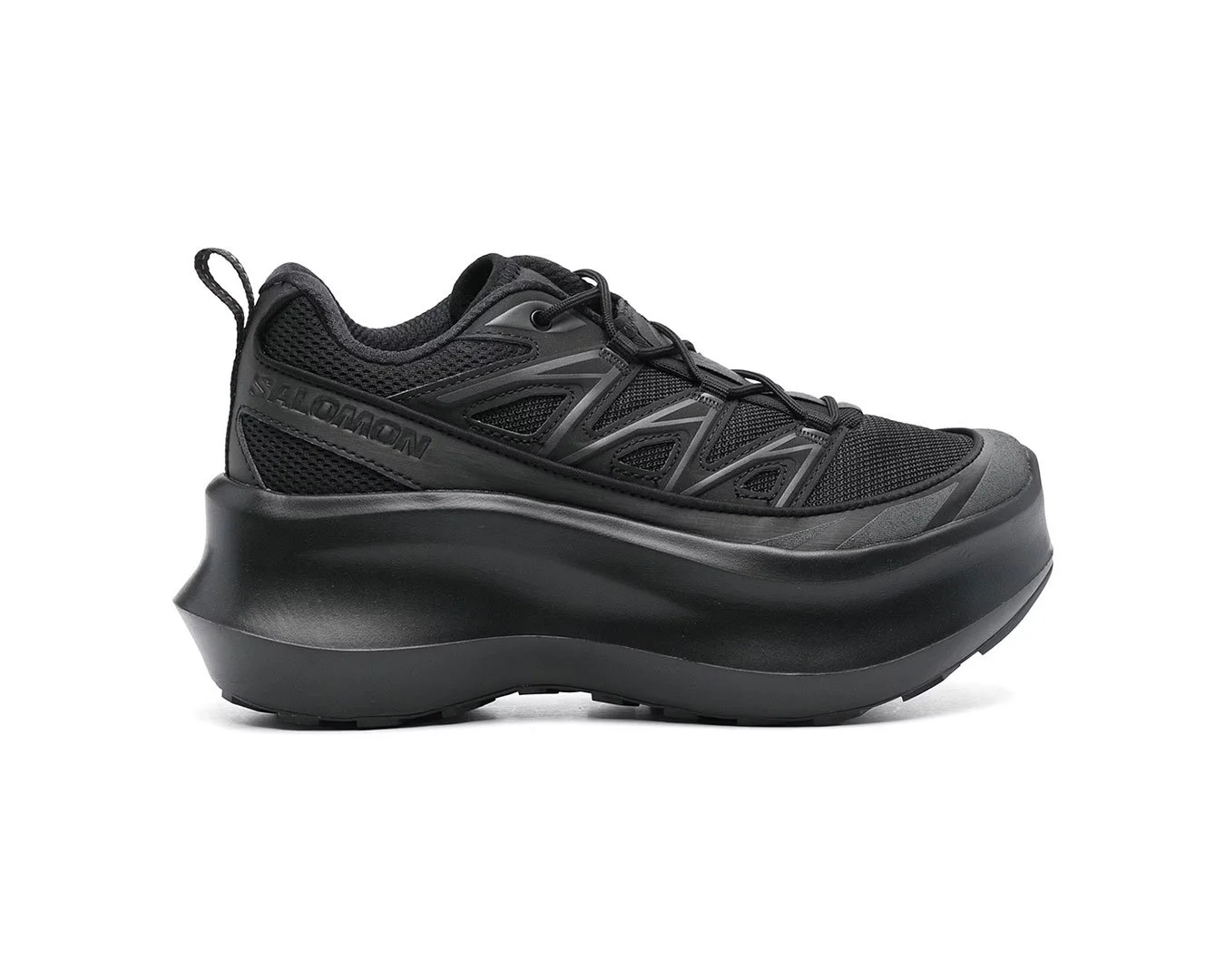
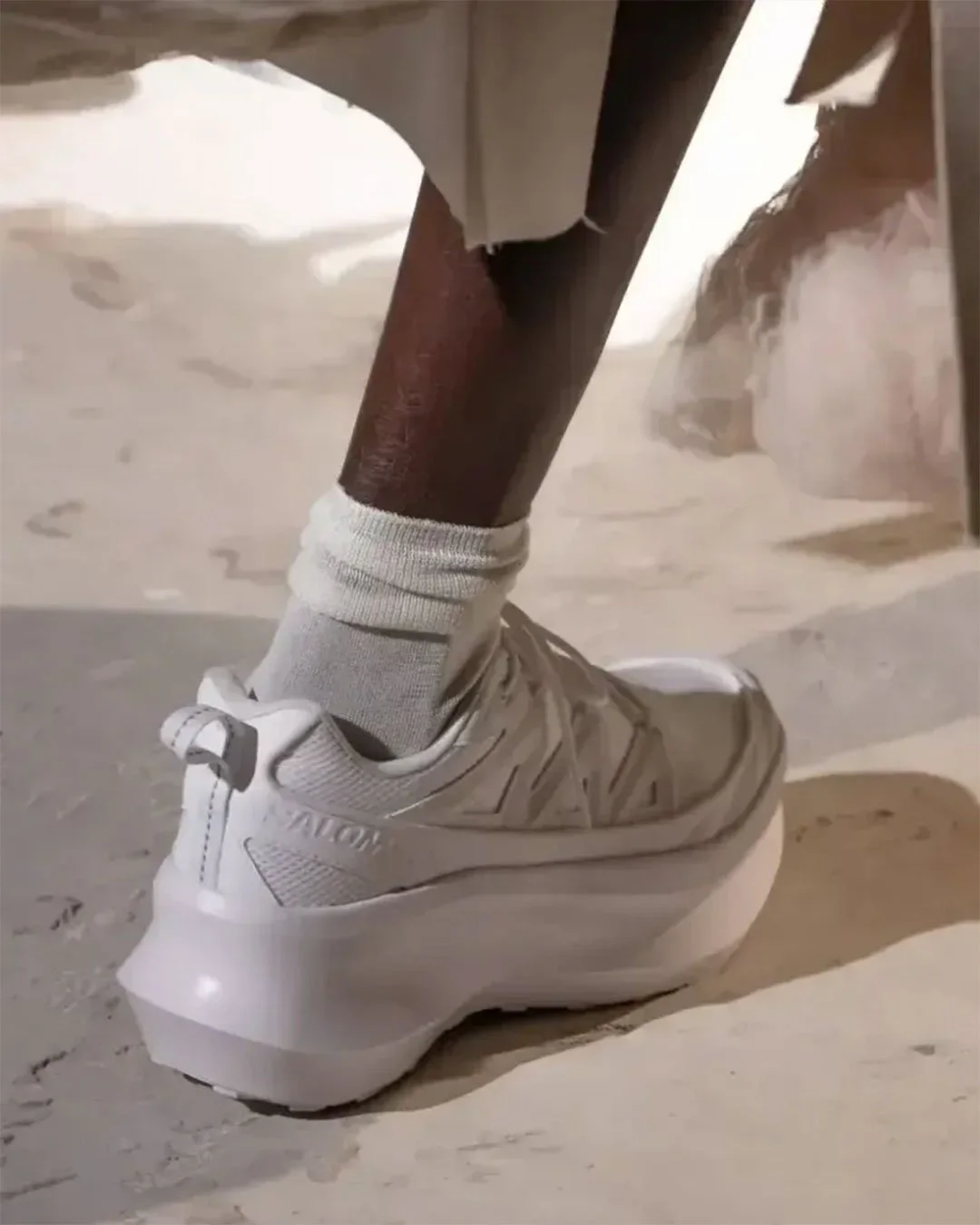
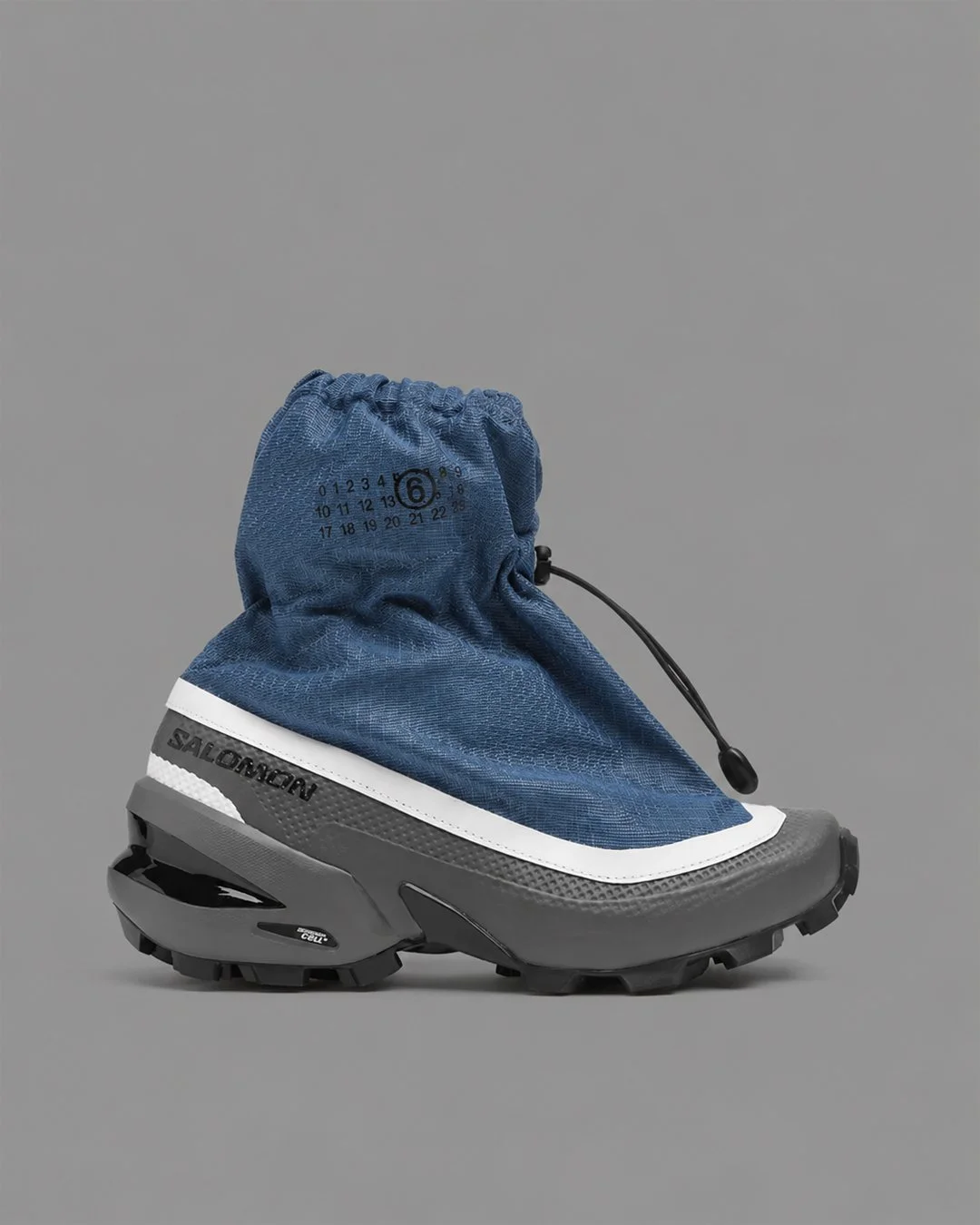
The Salomon XT-6 is the trail running version of the same story. Reissued with MM6 Maison Margiela and Comme des Garçons, it sits at $300-400 for what is at its core a mud shoe. The Contagrip sole, Salomon's proprietary rubber compound, was developed for traction on wet rock and loose terrain. In the Margiela collab, that same sole becomes something else and utility reimagined as a statement, in the same way the rand is visible on a Loewe sneaker.
Fashion has a well-documented habit of moving toward whatever subculture is perceived as serious and physical and slightly inaccessible. Workwear, military surplus, motorcycling, and skateboarding have all gone through a version of the same arc. The climbing shoe is simply the latest vehicle, but there's something specific about rubber that distinguishes this migration from earlier ones.
A Carhartt jacket borrowed its authority from duration; the idea of hard use accumulated over time. A motorcycle boot carried weight and protection. Climbing rubber was engineered to solve a tactile problem at the boundary between the human body and the material world. Every evolution covered in the earlier parts of this series including hysteresis, Shore A ratings, hand-laid heel construction, and the no-edge concept was in service of making that contact more reliable and more sensitive. The shoe was built to feel more rather than shield you from the elements.
What's actually happening is more of an identity migration. Climbing is physical and slow, tactile and utterly indifferent to how it looks. In a moment consumed by algorithms and AI-generated everything, that's exactly the point. It is the opposite of content. Which is part of why the fashion world wants a piece of it, and part of why actual climbers find that so strange to watch. A $1,000 sneaker with rand detailing worn on a city sidewalk is a long way from the problem Bramani was trying to solve.
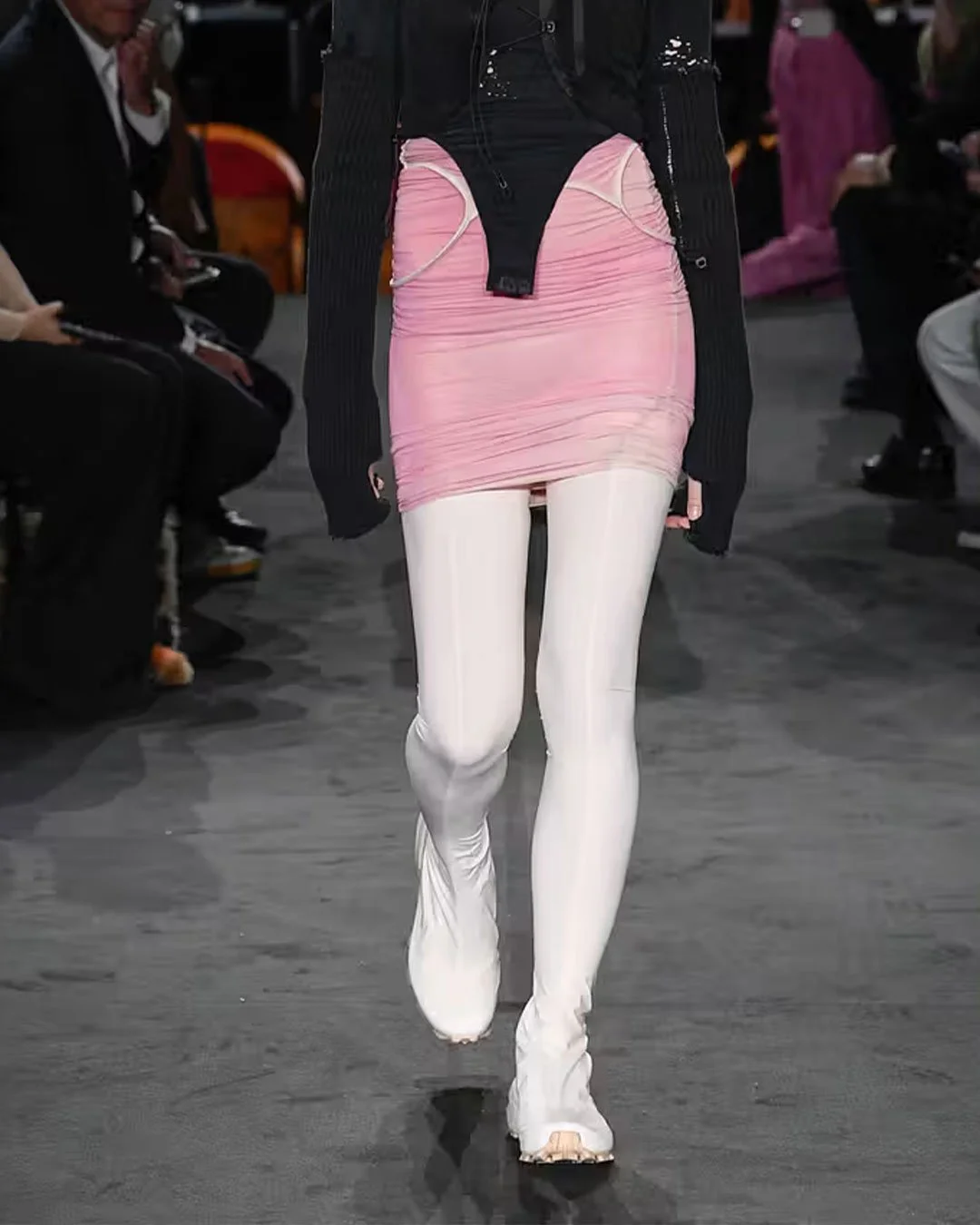
The irony is that what passes for climbing footwear in fashion is mostly the appearance of climbing footwear, the profile, the rand detailing, the deliberate technical signals. The aesthetic without the engineering. But the more interesting thing happening in parallel is what's being built for actual climbers and how that line is blurring too.
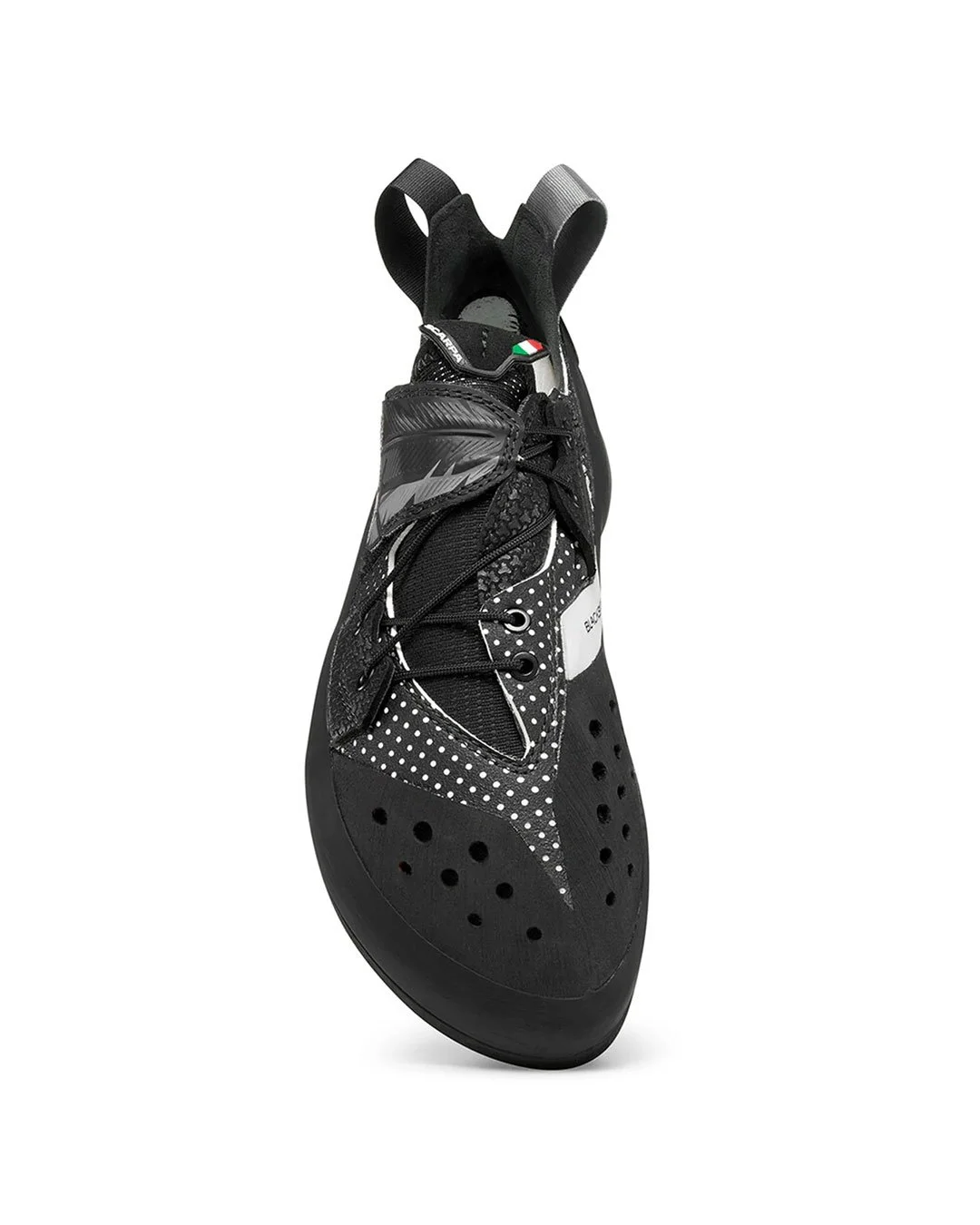
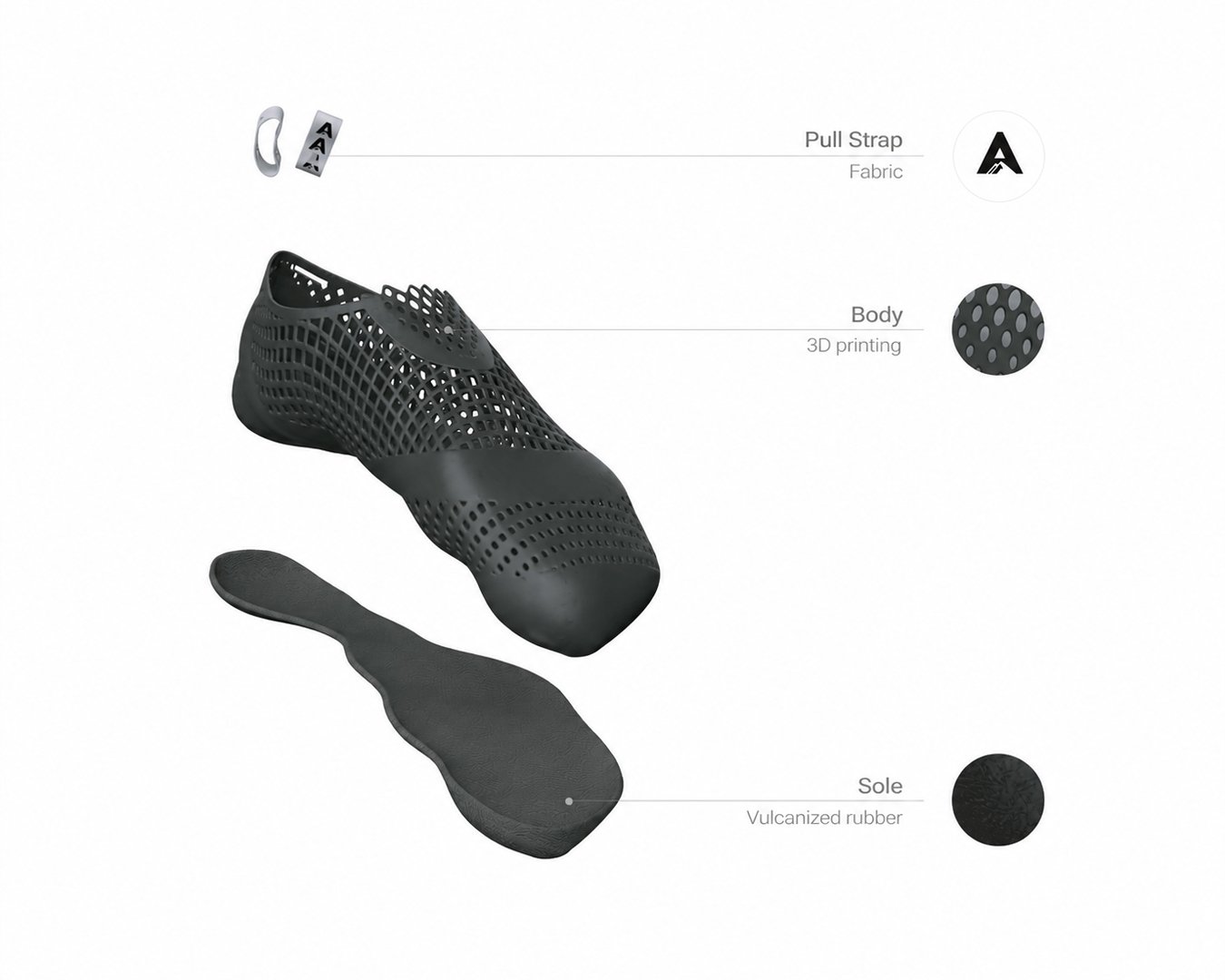
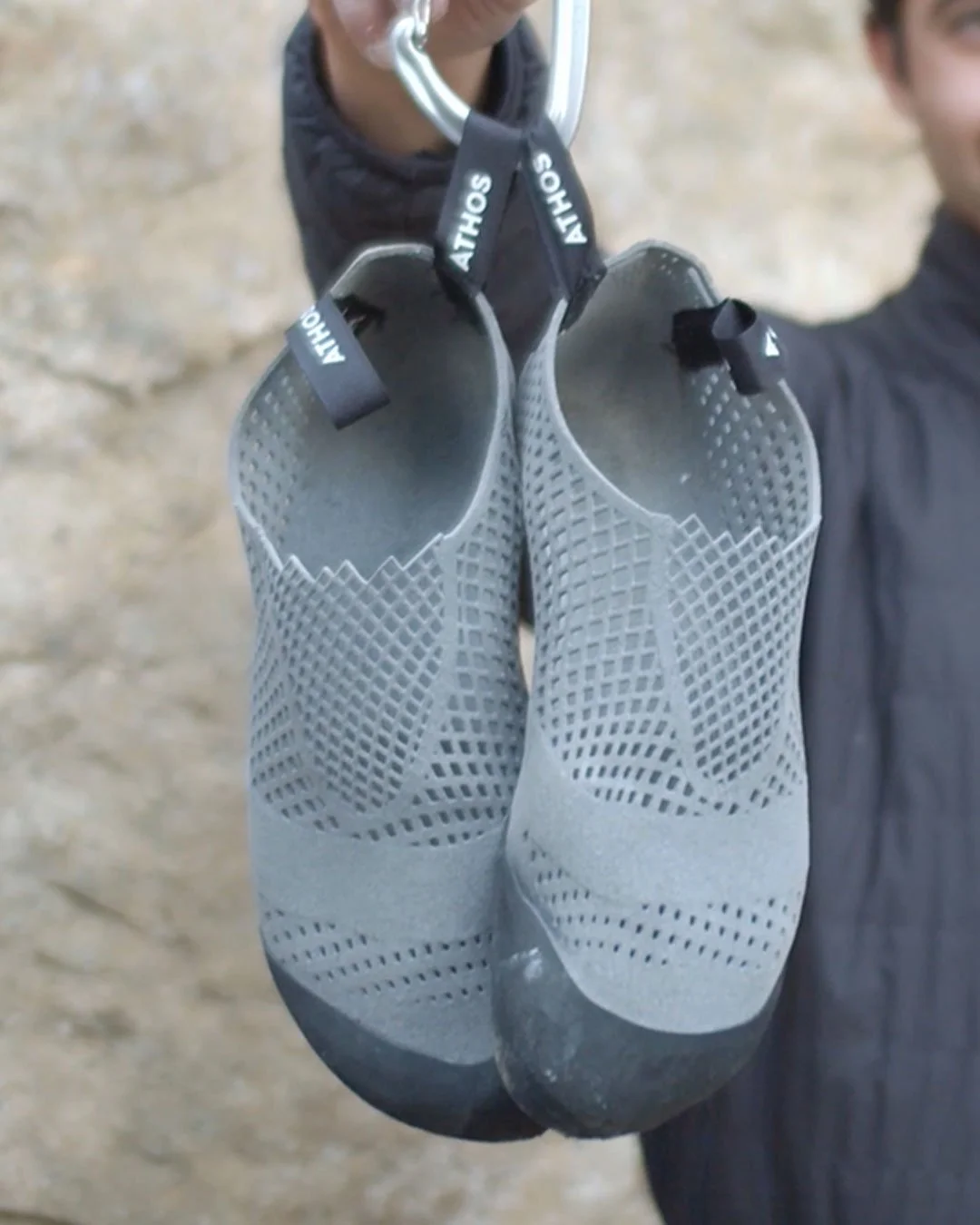
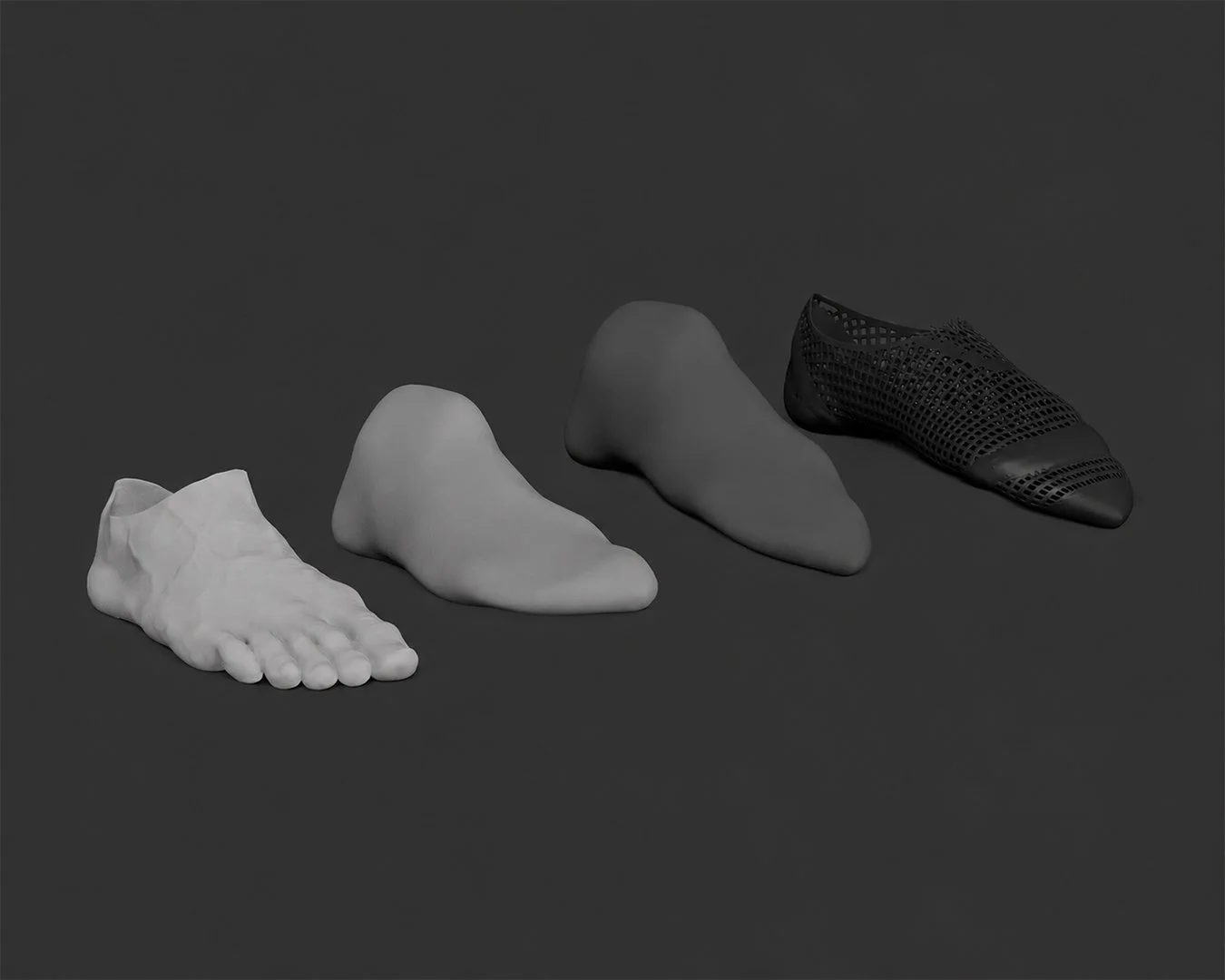
Scarpa hasn't stopped. The designers are working continuously, bringing new models that push construction and materials forward for people who are genuinely going to use them. And alongside the established names, a new wave is emerging. ATHOS is exploring custom 3D printed builds that account for individual foot geometry. It's built not just for performance optimization but with the acknowledgment that everyone's shape is different and that the shoe should answer to the foot, not the other way around.
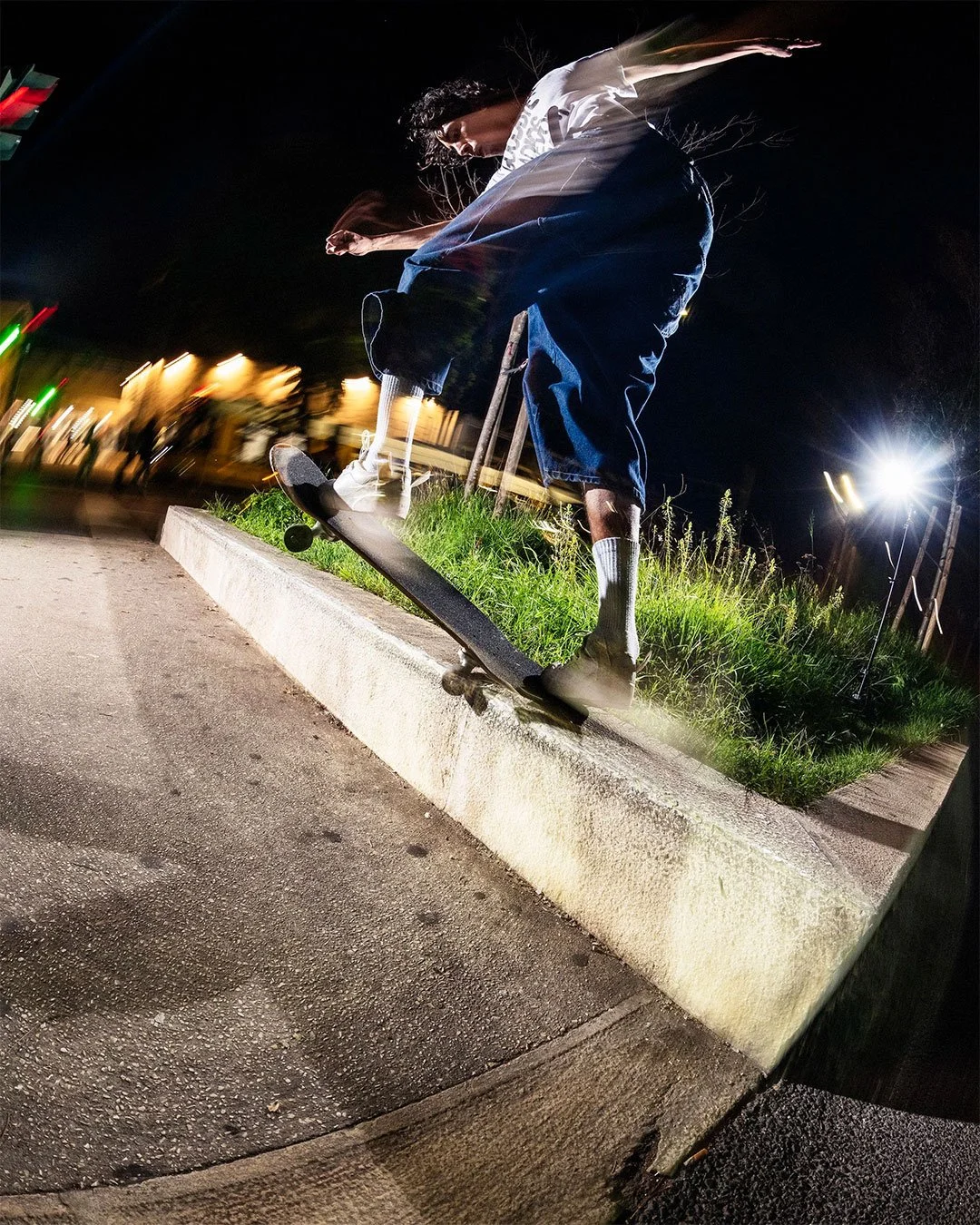
Brands like Village PM have taken climbing's technical logic and turned it toward skateboarding, where the engineering actually improves the sport rather than just referencing it. It's a genuine transfer of function, not just a transfer of form.
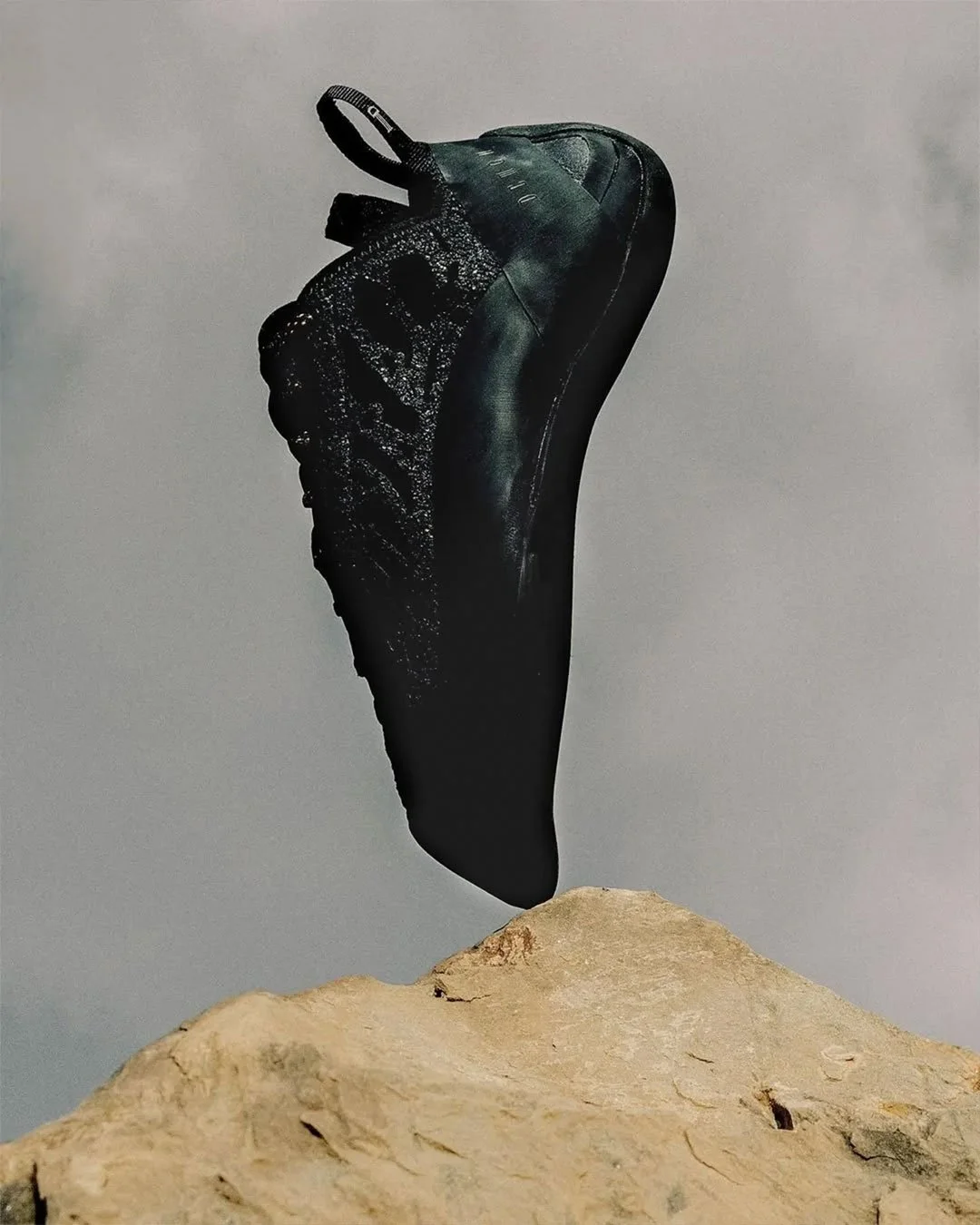
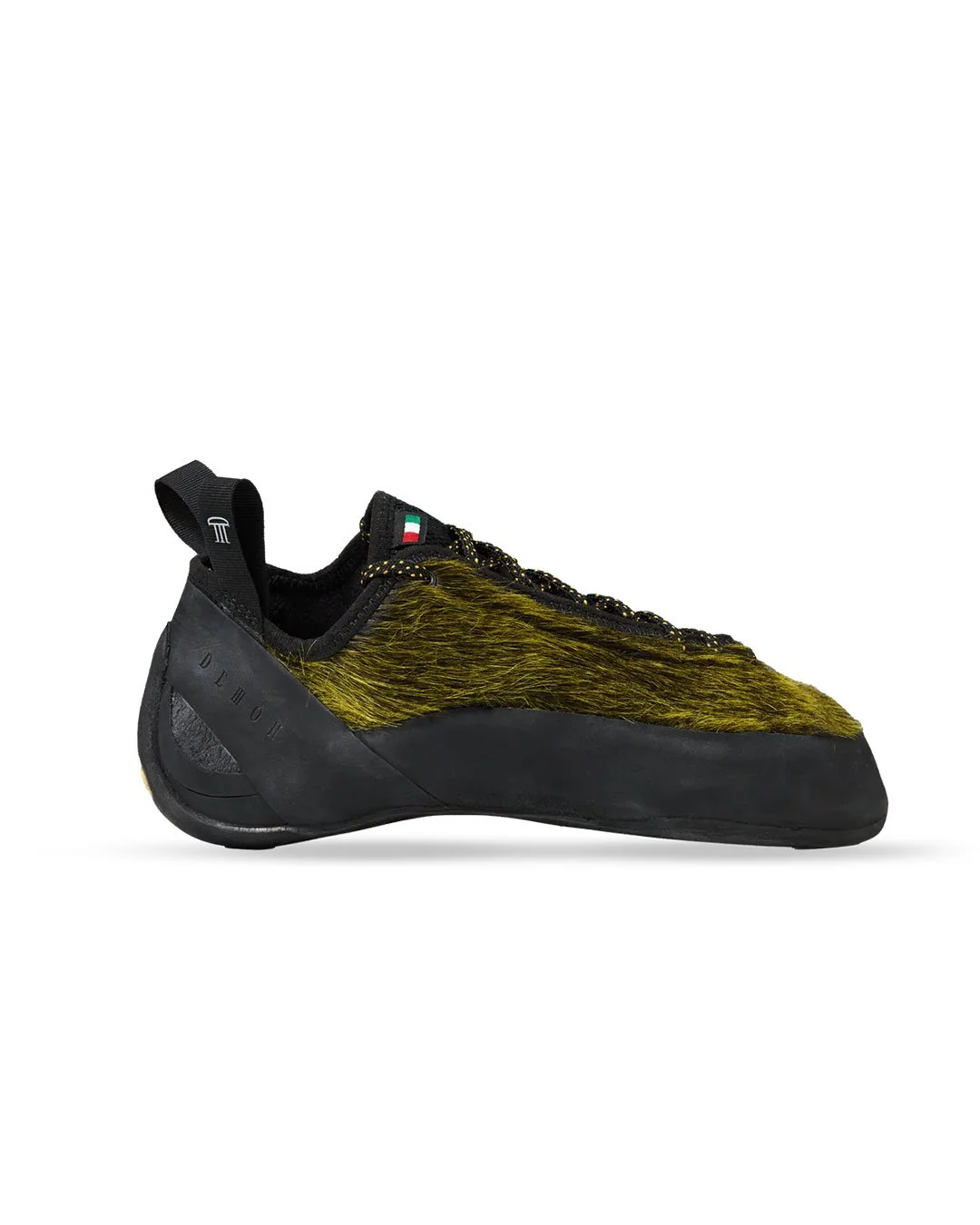
Long-time skater and world cup climber Ben Fenton captures the full circle of it. Growing up, the most common approach shoe he saw on climbers was a Vans slip-on. The crossover went the other way back then, skate shoes on the rock face. "And now I'm skating in these," he says. "Some days I go climb in Vans and now I go skate in shoes that look like they are intended for an approach." The categories have borrowed and swapped and started to merge. And then there are the objects that sit somewhere in between, harder to categorize, like Demon Officials' made-to-order yellow pony hair climbing shoe that's manufactured in Montebelluna, the same Italian town where Scarpa runs its production.
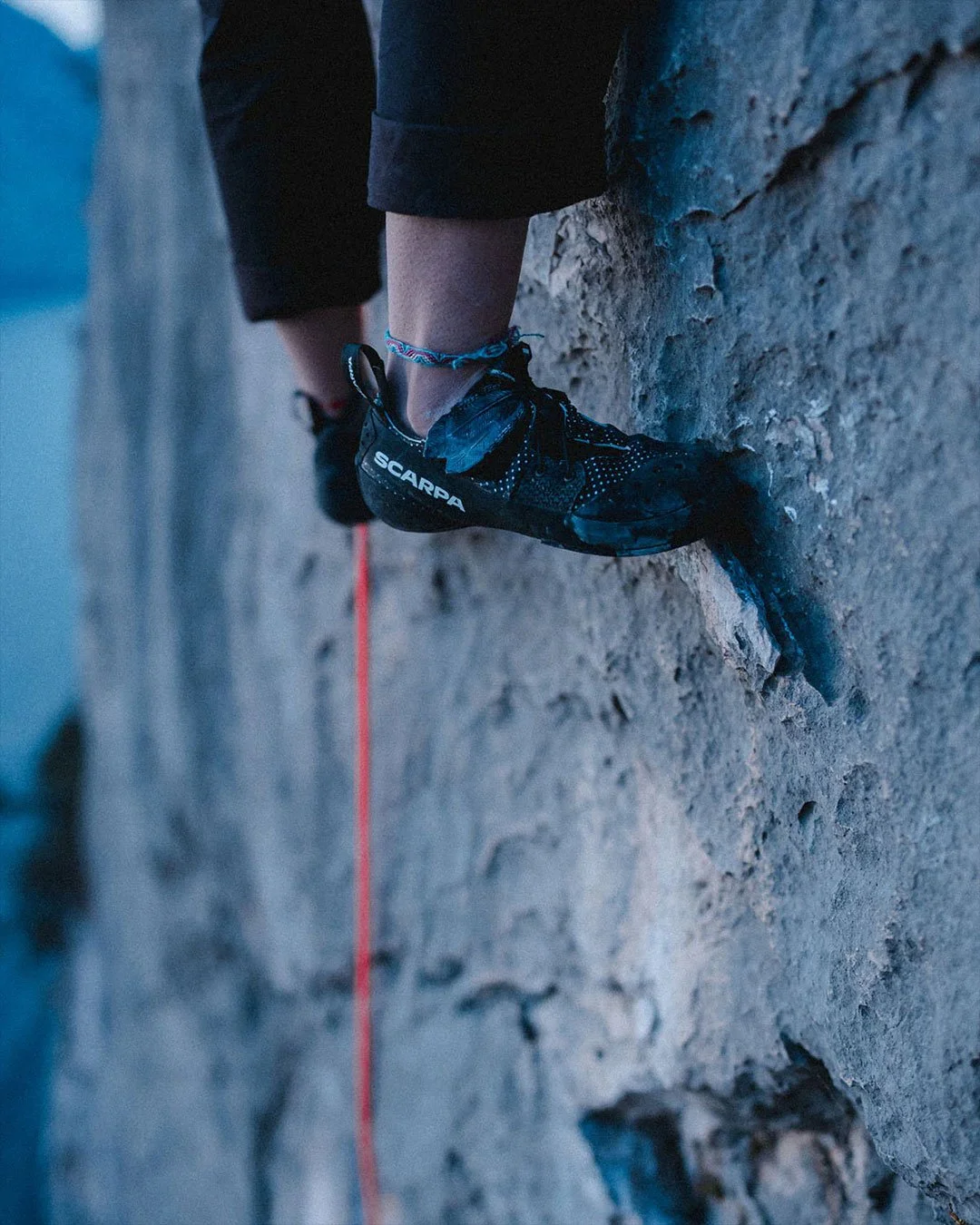
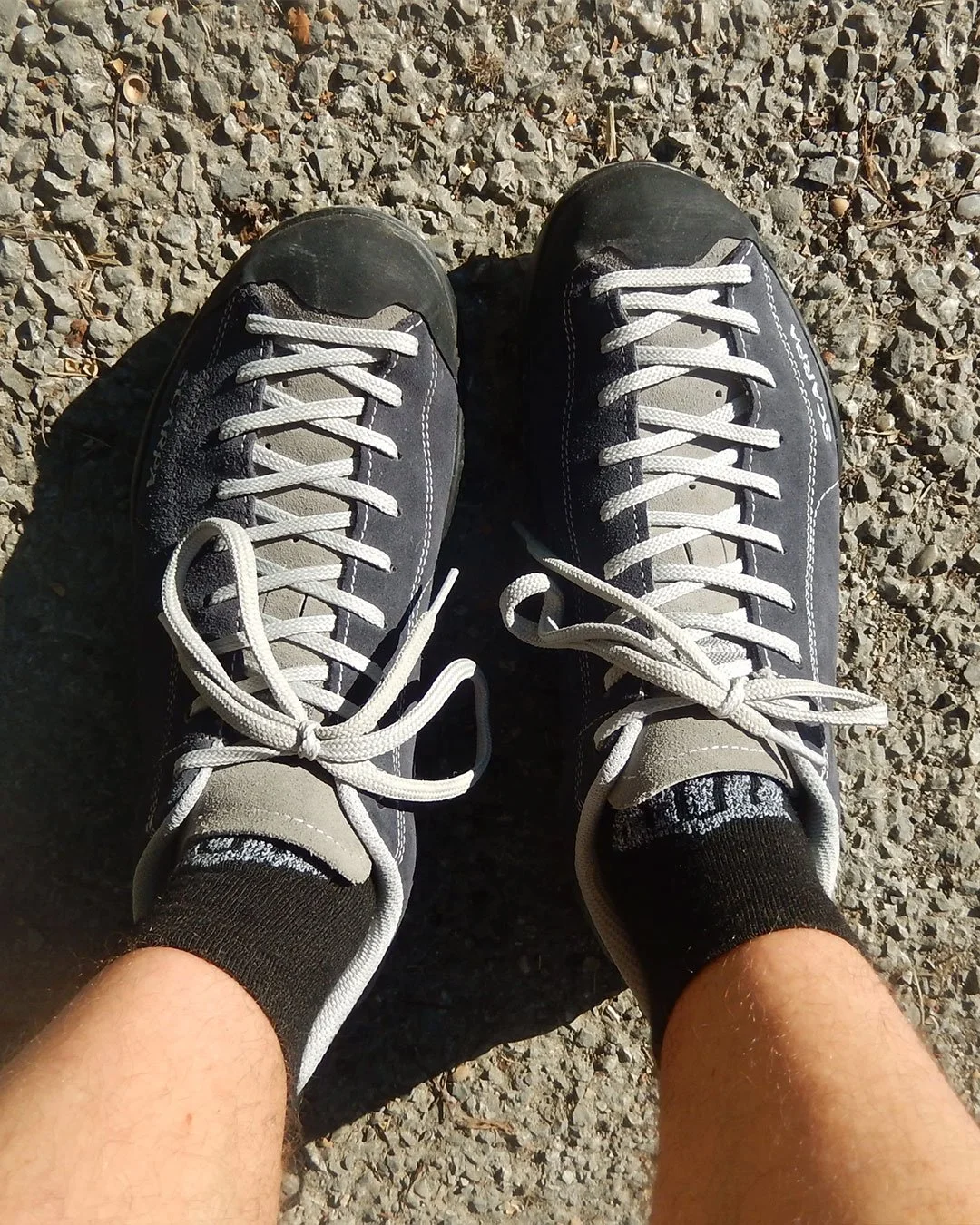
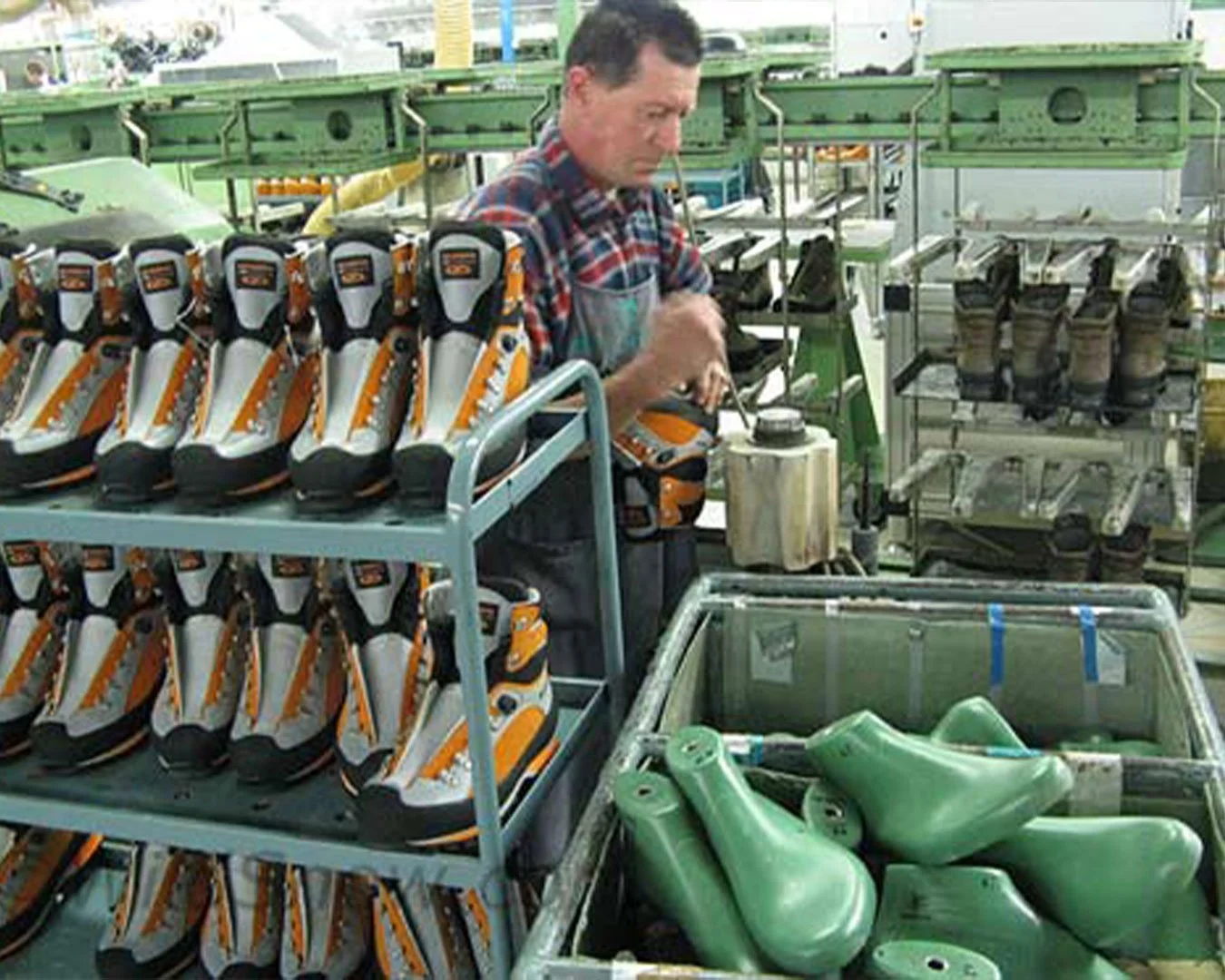
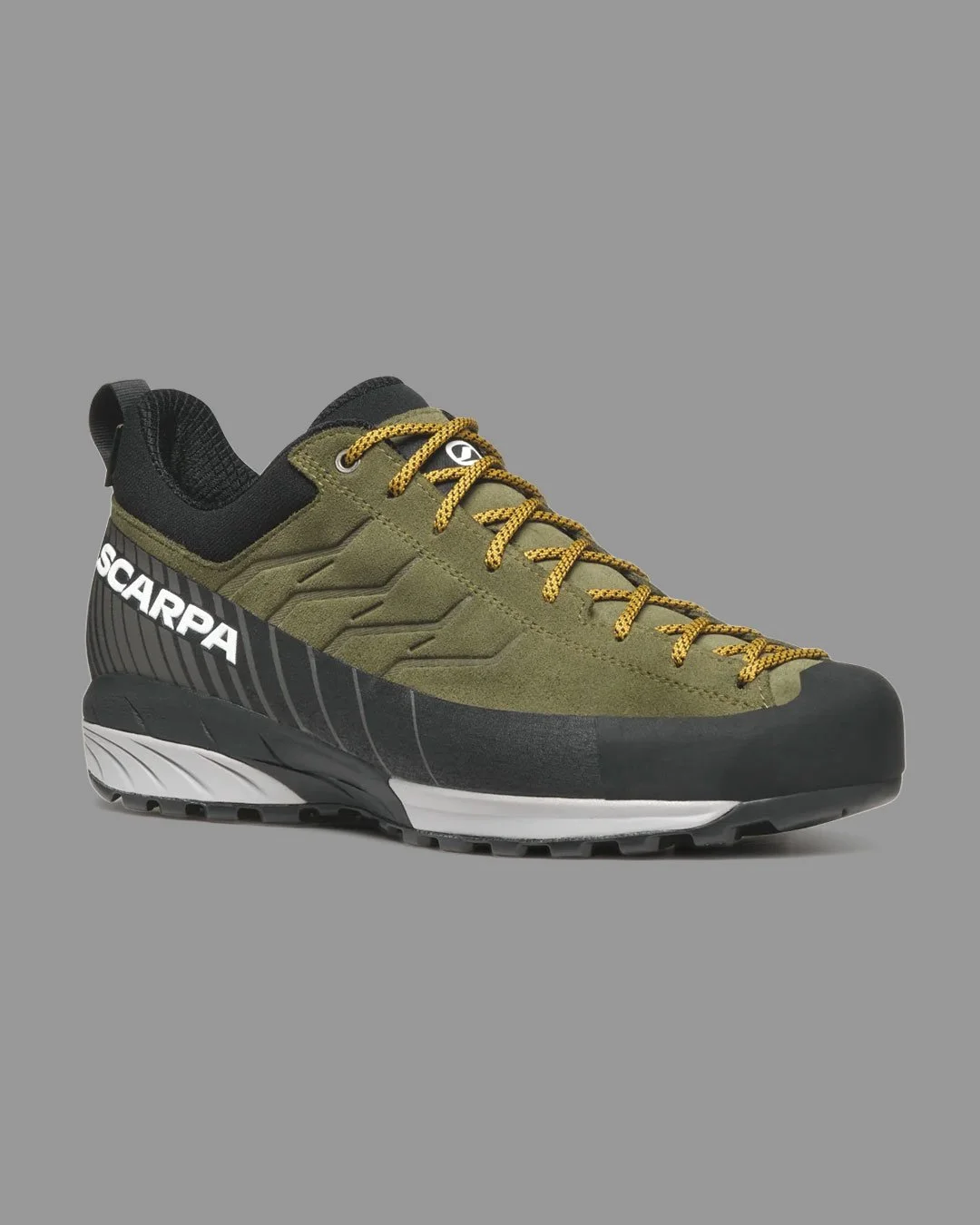
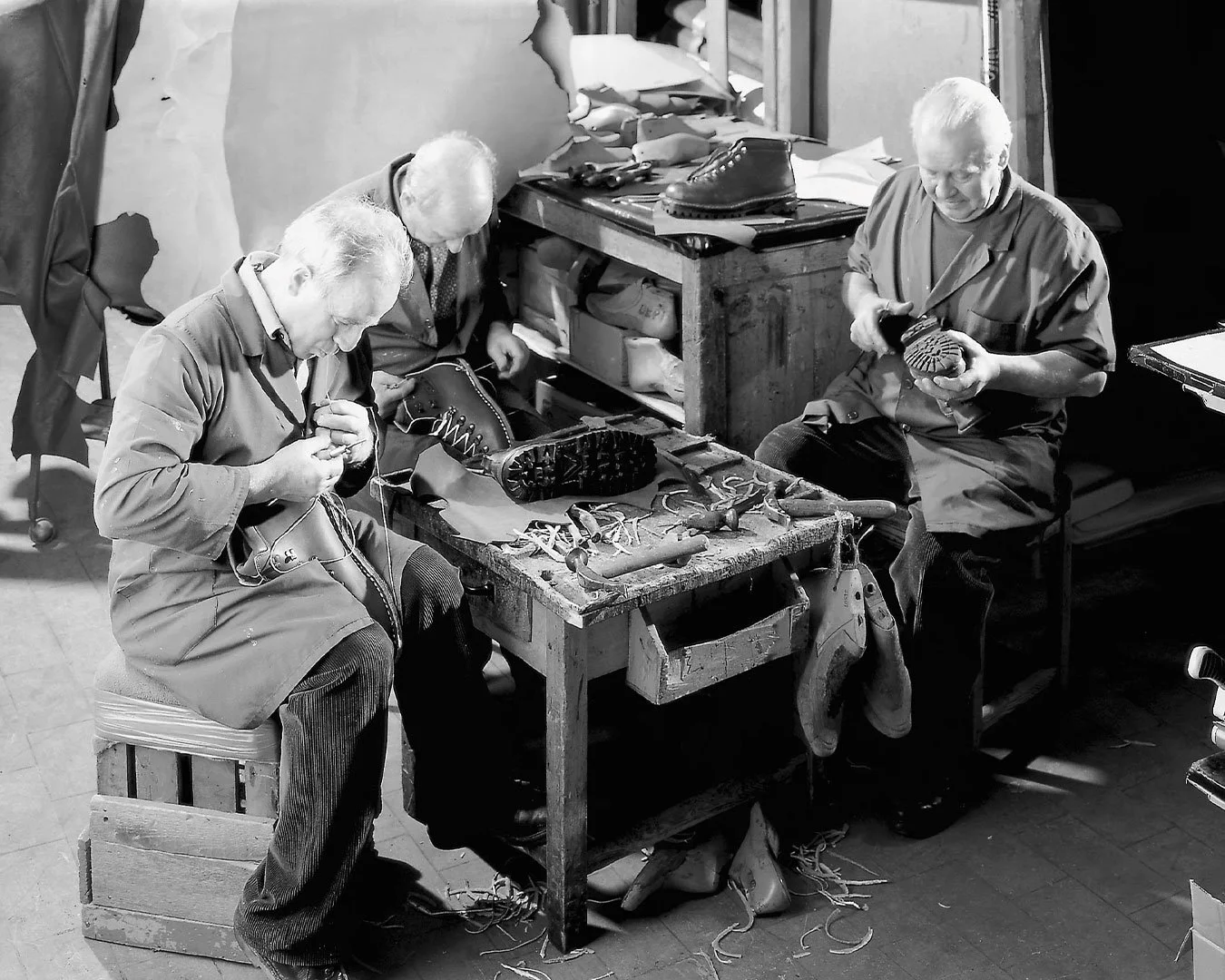
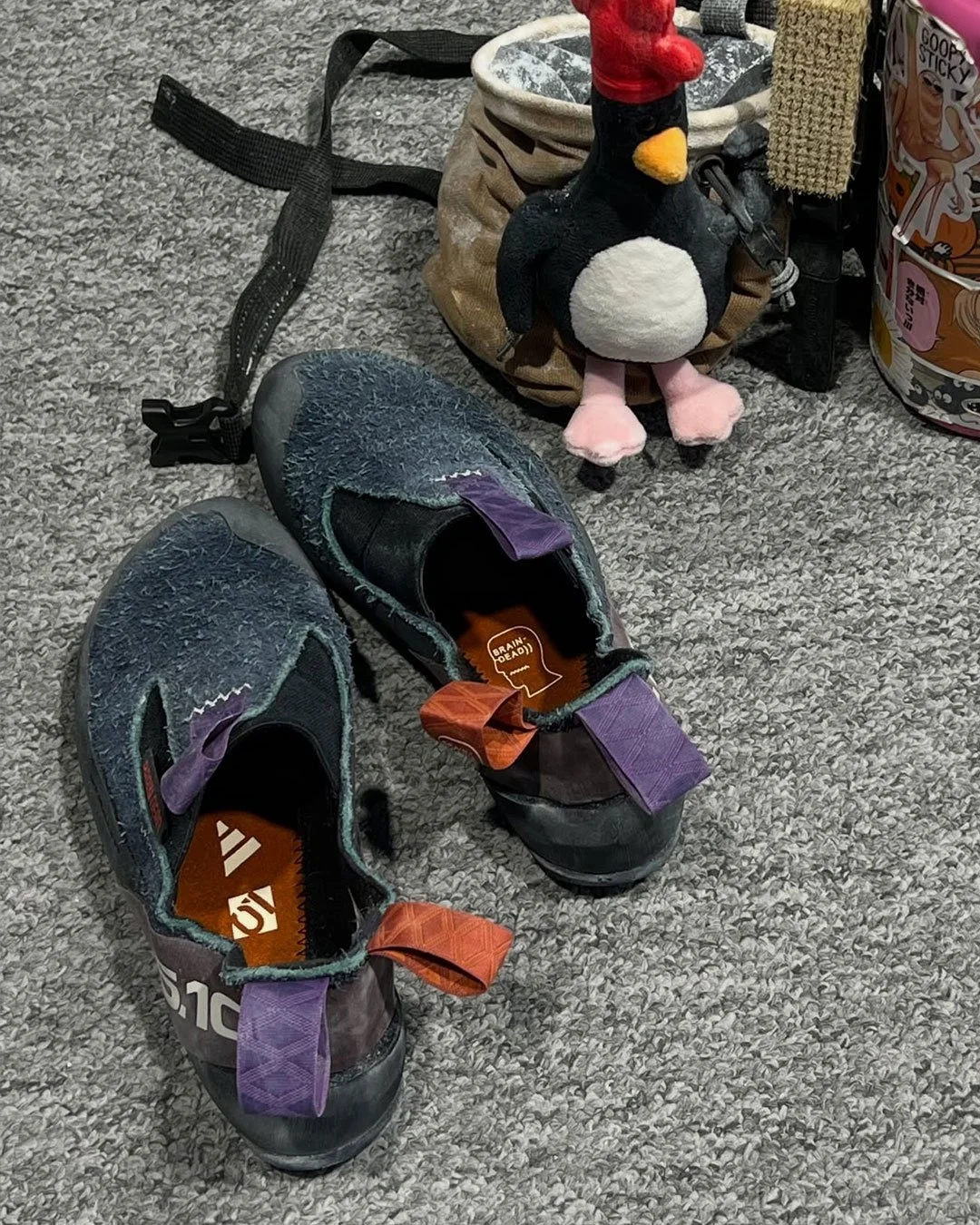
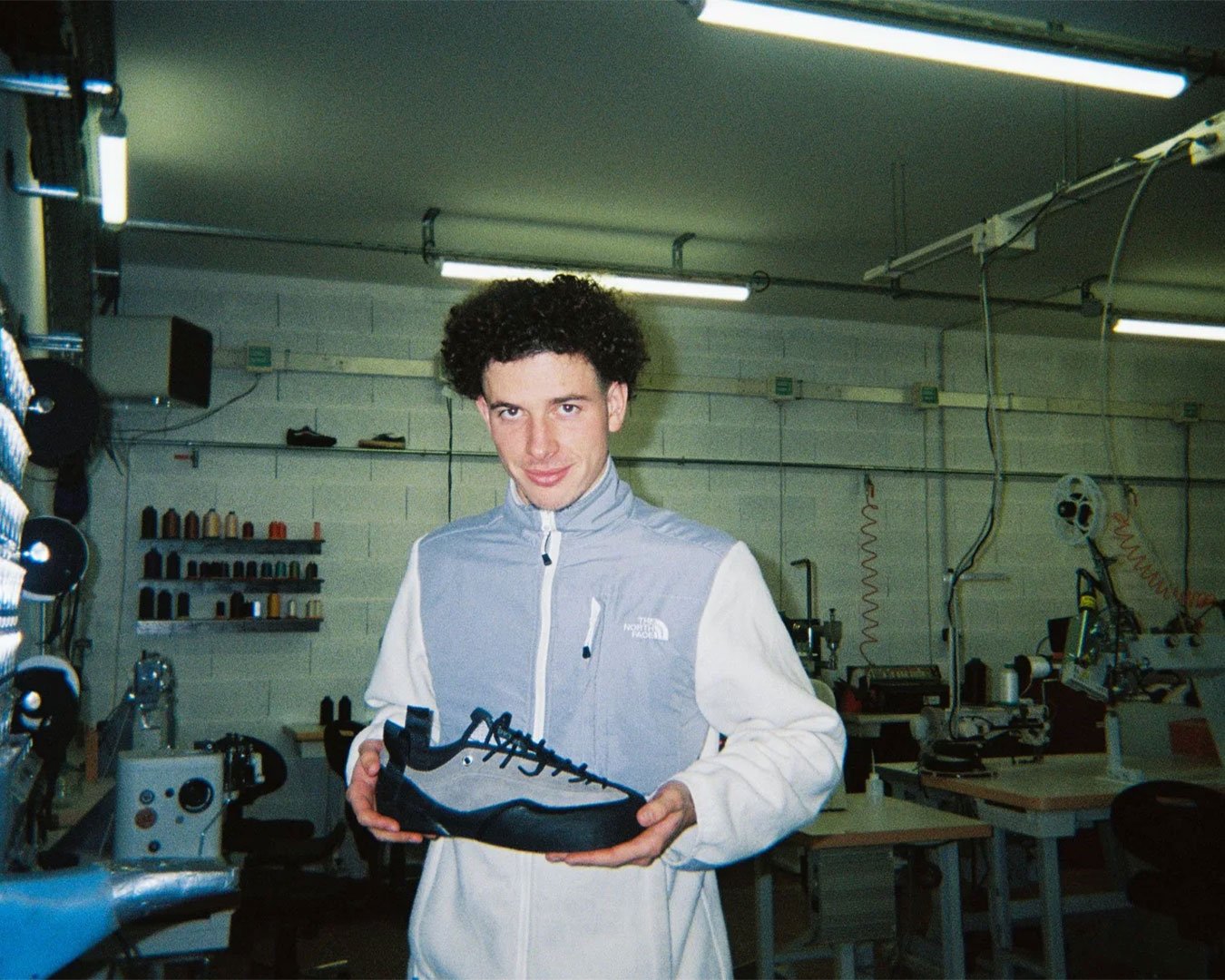
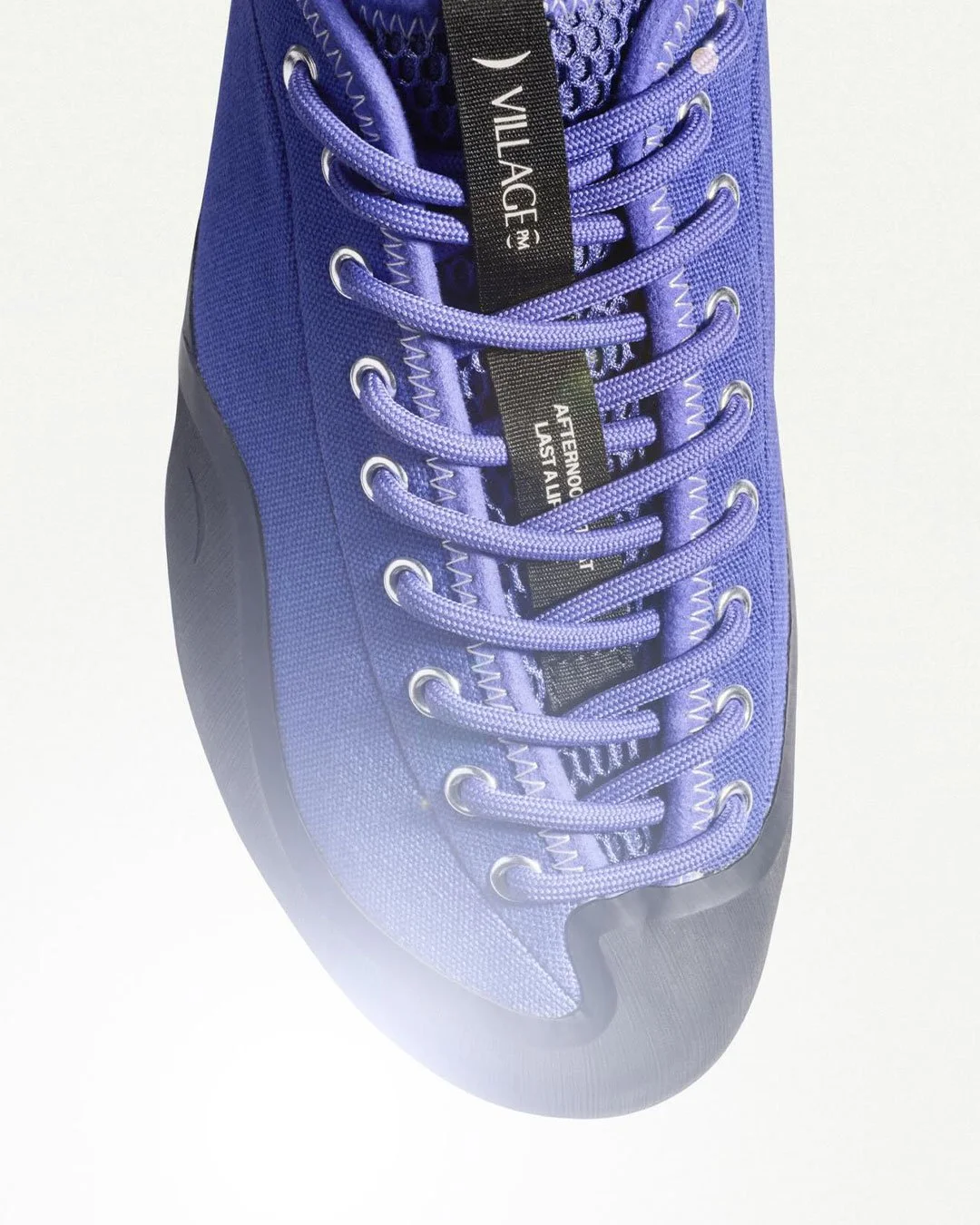
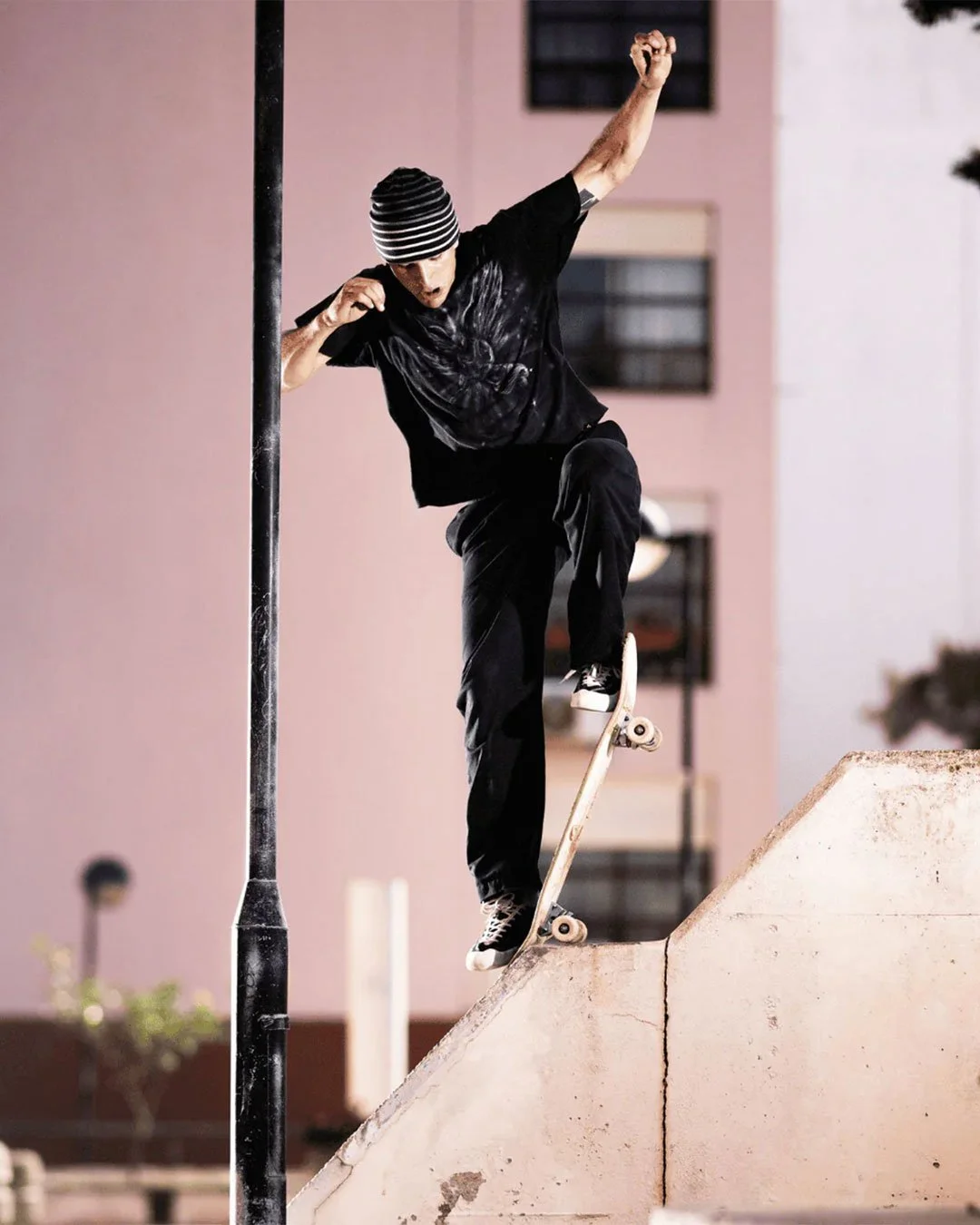
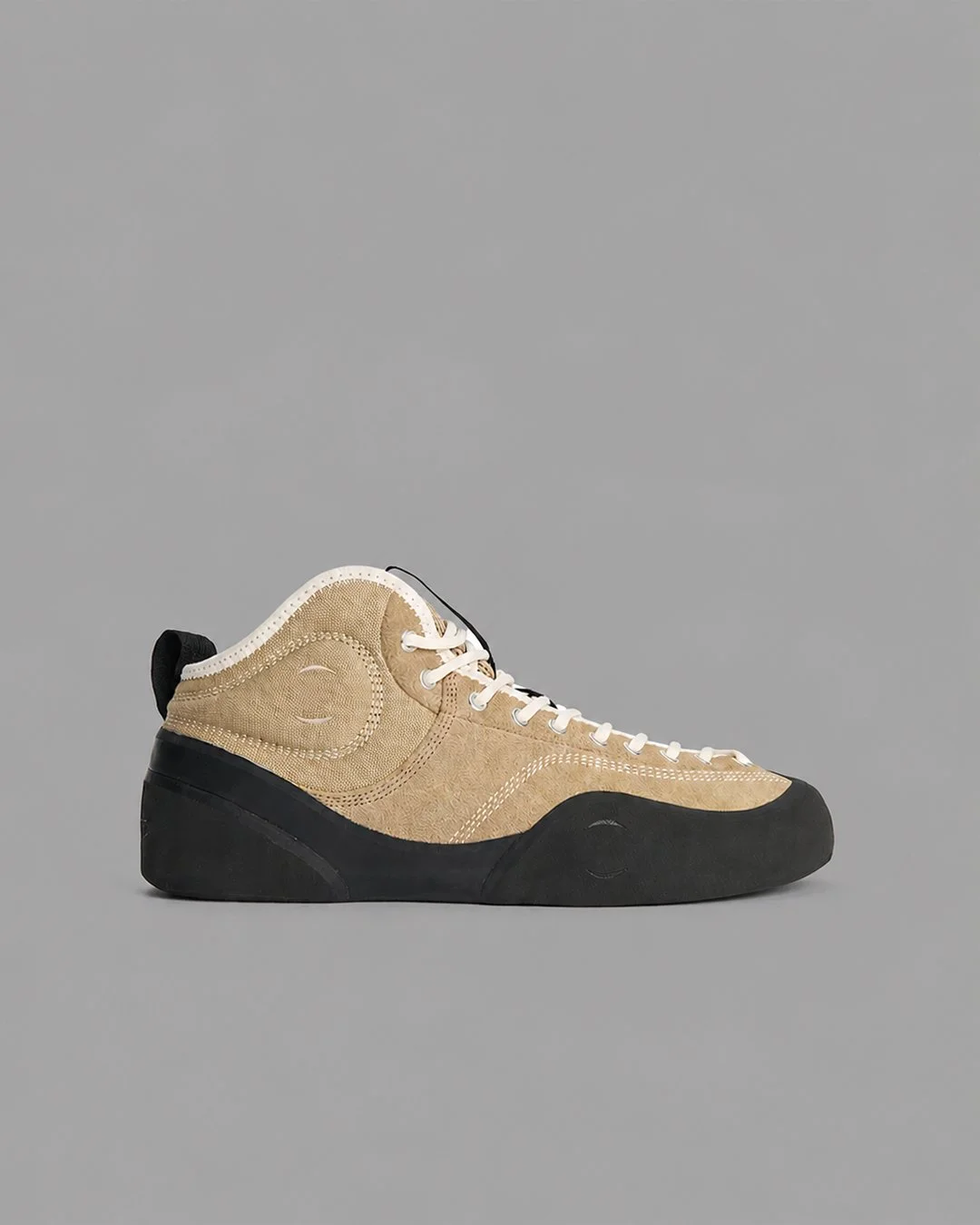
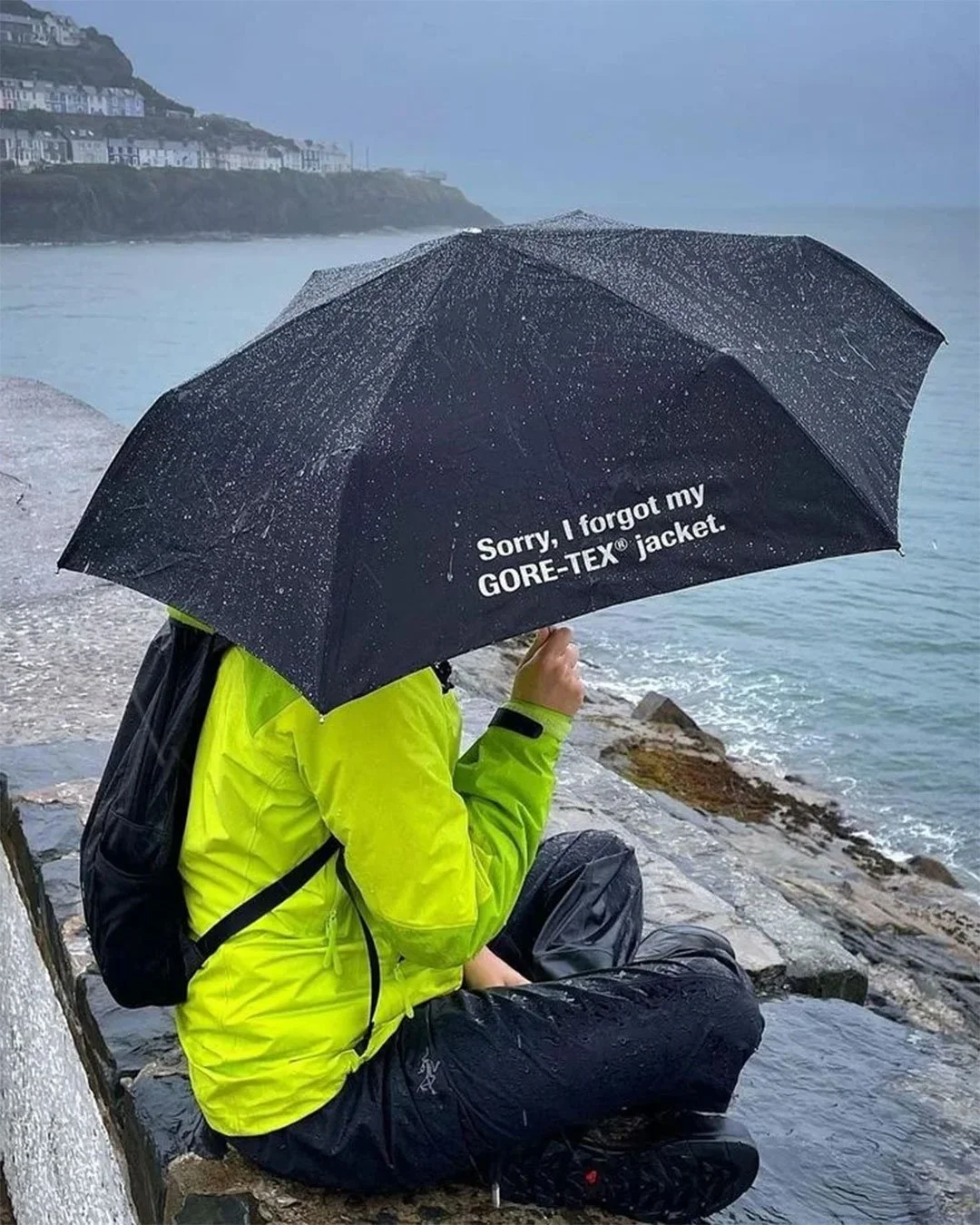
The cultural meaning of sticky rubber has already separated from its chemistry. This happened with other technical materials like Gore-Tex, Cordura and ripstop where the visual and cultural coding outlasted the functional necessity. You don't need waterproofing to wear an anorak. With all of this, its inclusion into high fashion doesn't mean the sport itself has stopped innovating. The engineers at Vibram,Five Ten and Scarpa are still tuning crosslink density, still debating hand-laid versus moulded heel construction, still trying to extend the thermal window in which a compound operates at peak friction. That work continues regardless of what's happening in Paris or Milan or at a bouldering gym with a curated playlist and a natural wine menu.
But the rubber that has migrated into fashion carries something forward from all that engineering history, even stripped of its original function. It carries the idea that the surface between a person and the world they're trying to move through matters. The climbing shoe became a fashion object because it solved its problem too well to stay invisible. The form followed the function so precisely, refined through so many iterations and so many generations of climbers who needed it to work, that it arrived at something like beauty. Innovation eventually travels and in this case rubber migrates from the cliff to the street.