
Surface Tension : Part 02
THE EVOLUTION OF CLIMBING RUBBER
Friction to Precision
(1979 – 2016)
Written by Leah Balagopal
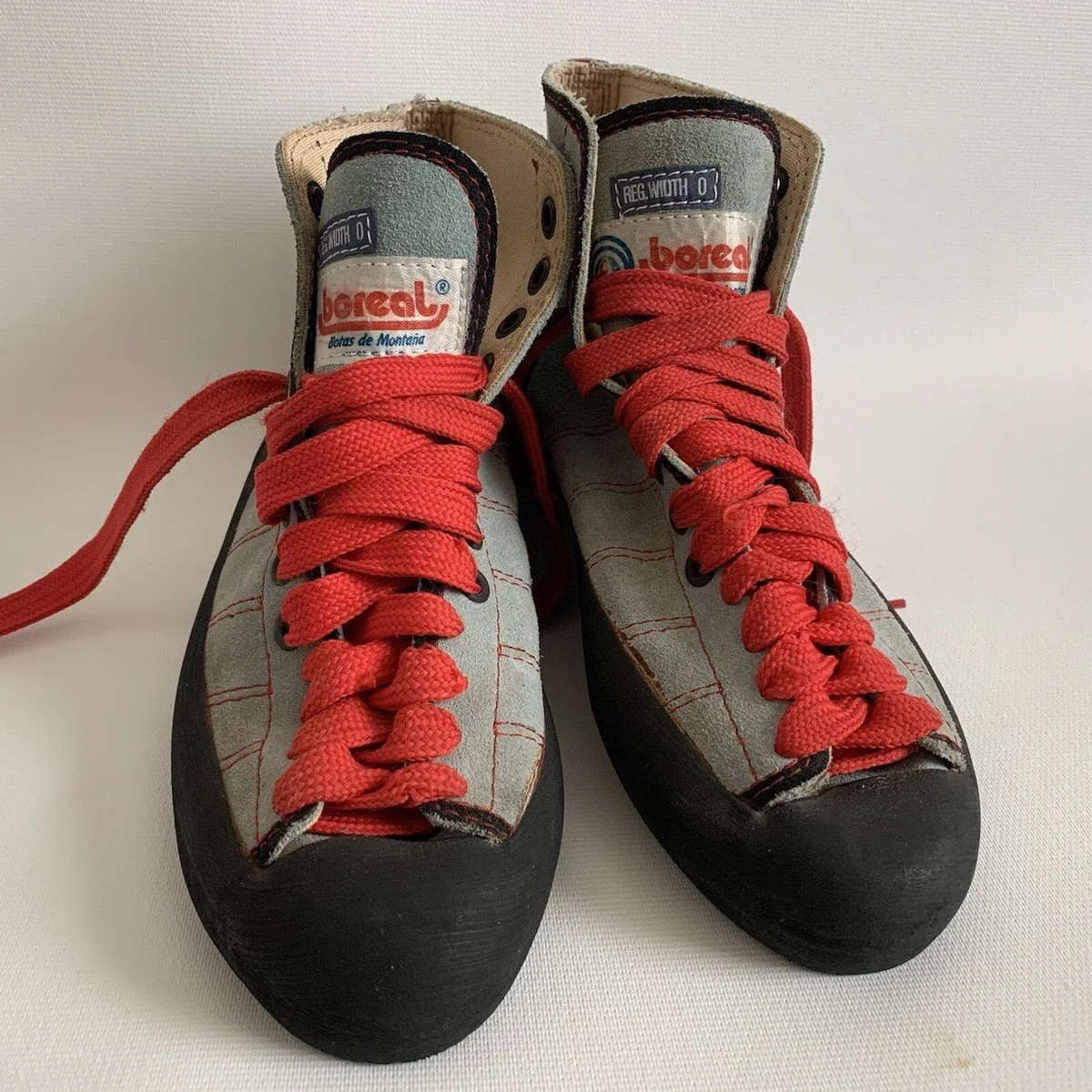
Surface Tension is an exploration of rubber technology. The focus is how this compound has shifted and influenced climbing footwear and everything built around it. Parts 00 and 01 ran from the early animal kingdom to vulcanization and the first purpose built rubber outsoles that changed outdoor footwear. Part 02 picks up where we left off, when climbing grew past mountaineering and started becoming its own kind of movement. By the 1970s, sticky rubber was beginning to emerge and a new climbing era was on the horizon. This new sticky rubber was all about turning the smallest texture in rock into a stepping stone for upward movement. This chapter traces the arc of rubber in climbing footwear and the design that followed with it.
By the time sticky rubber began reshaping climbing footwear, two rubber traditions were already in place. On one side was the rock oriented PA/EB lineage. On the other was the durable mountain rubber developed by Vibram in the previous chapter. Neither had been designed with vertical rock in mind. By the late 1970s, climbing was changing faster than its shoes, and the sport's center of gravity began drifting toward precision. That demand for accuracy began to press on manufacturers.
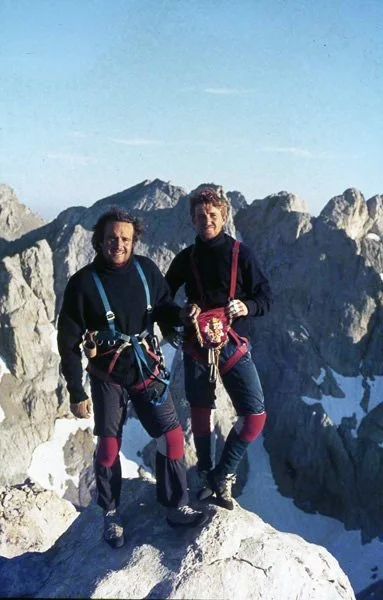

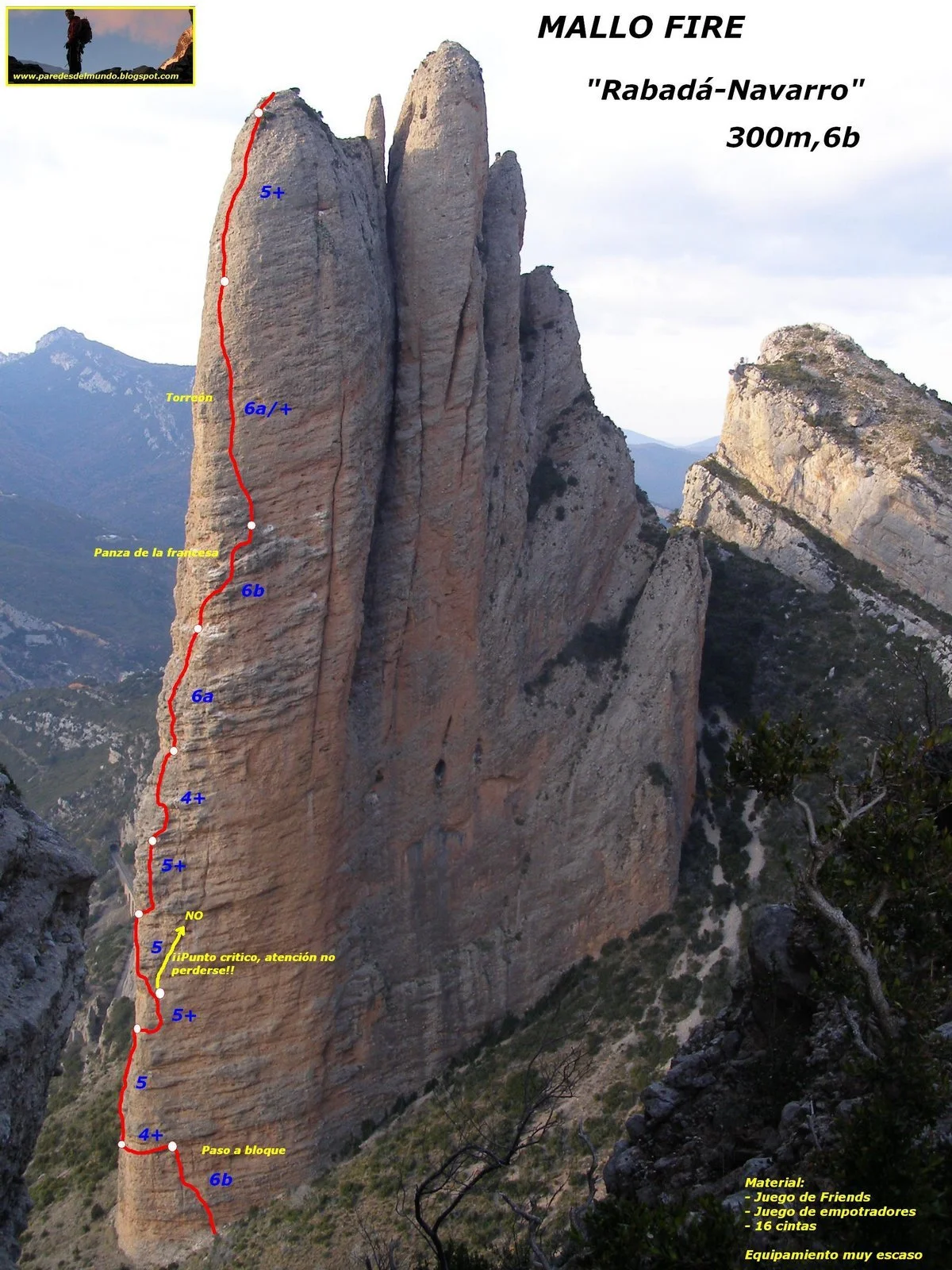
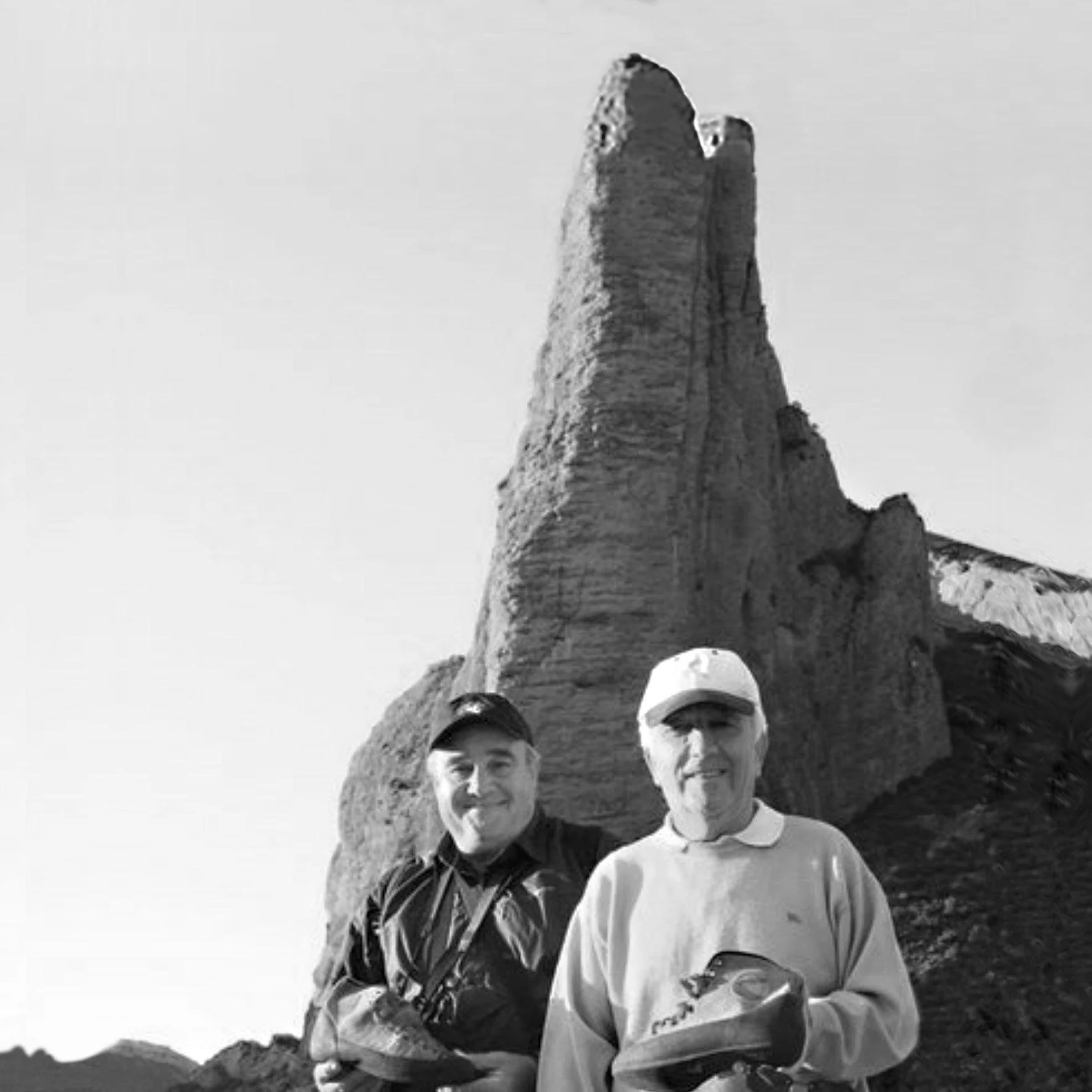
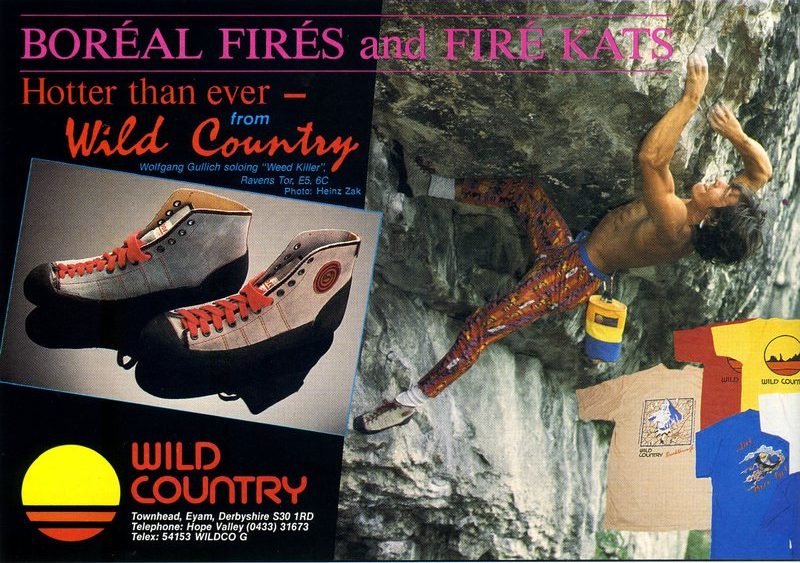
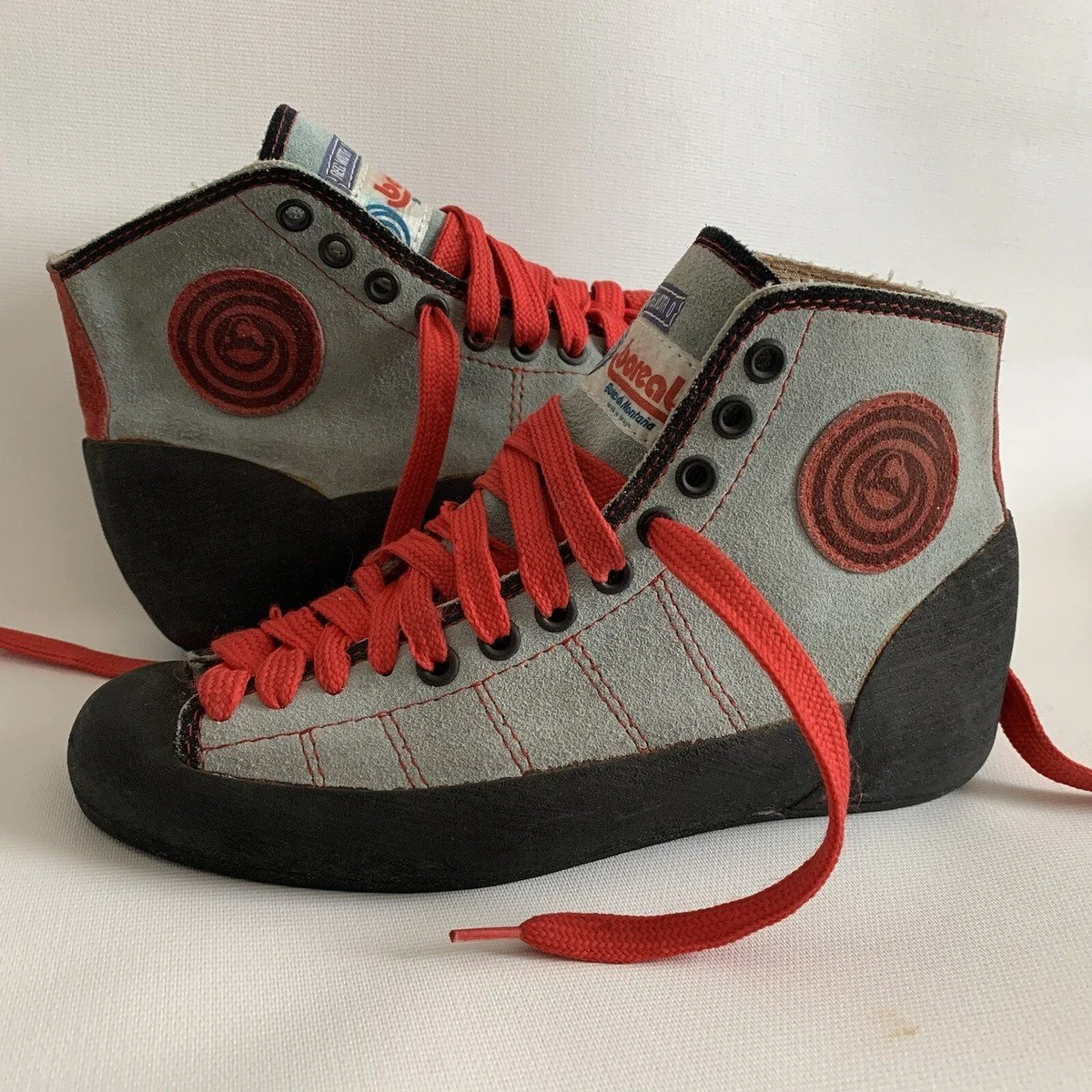
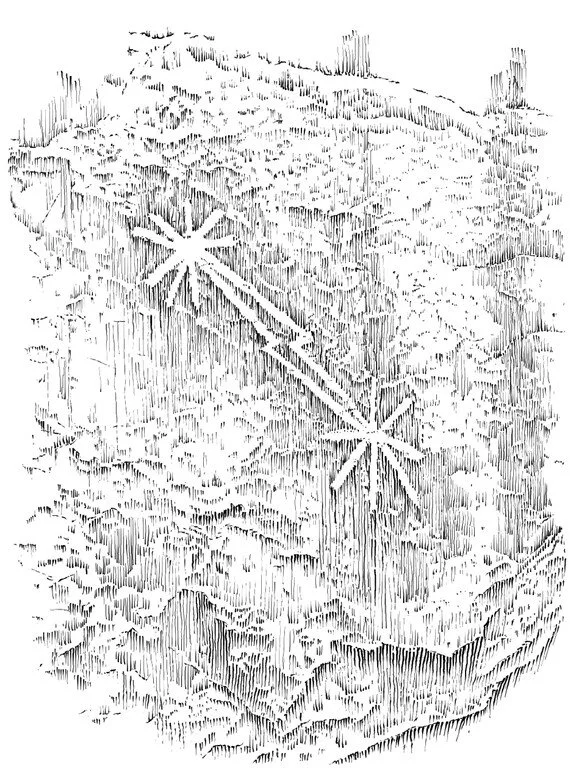
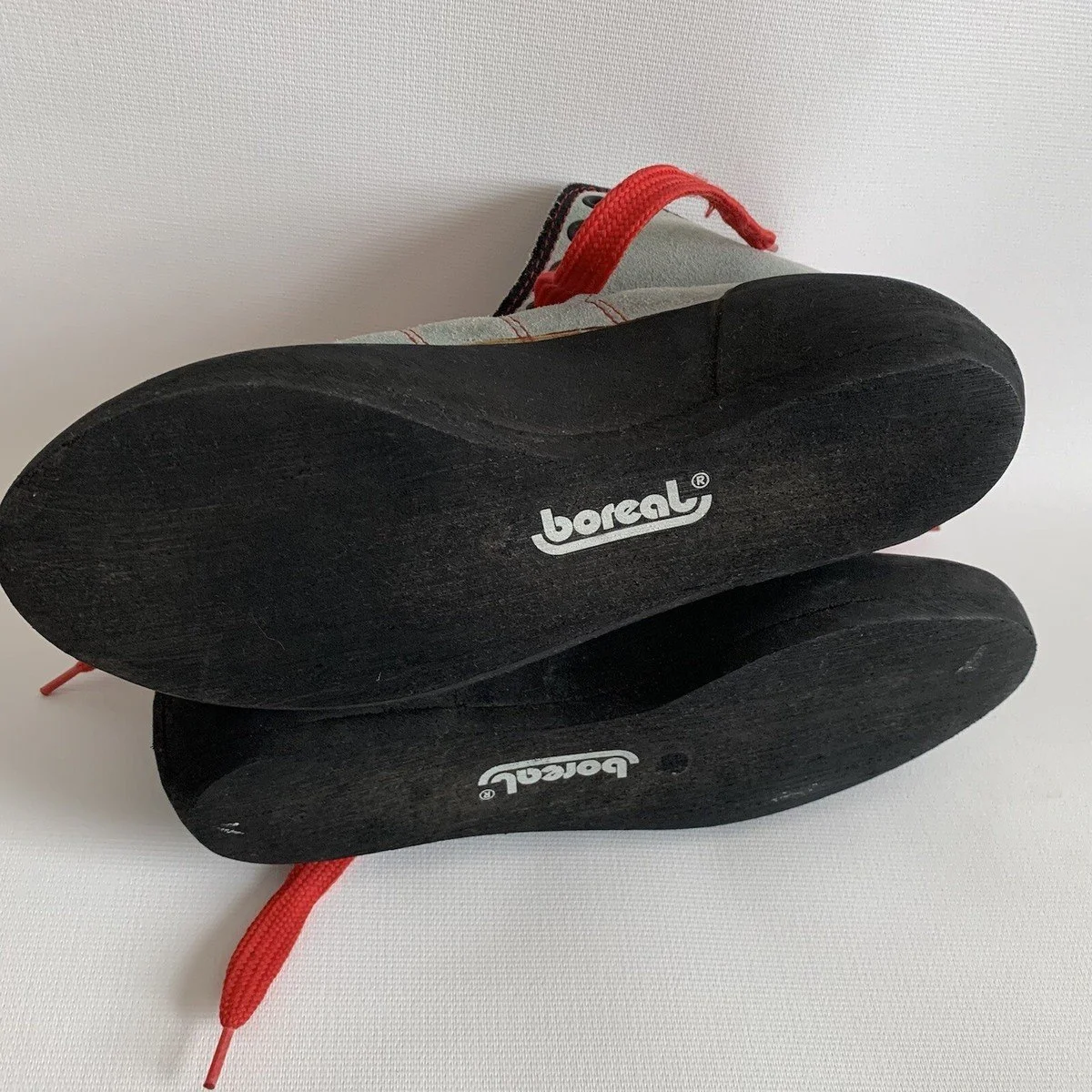
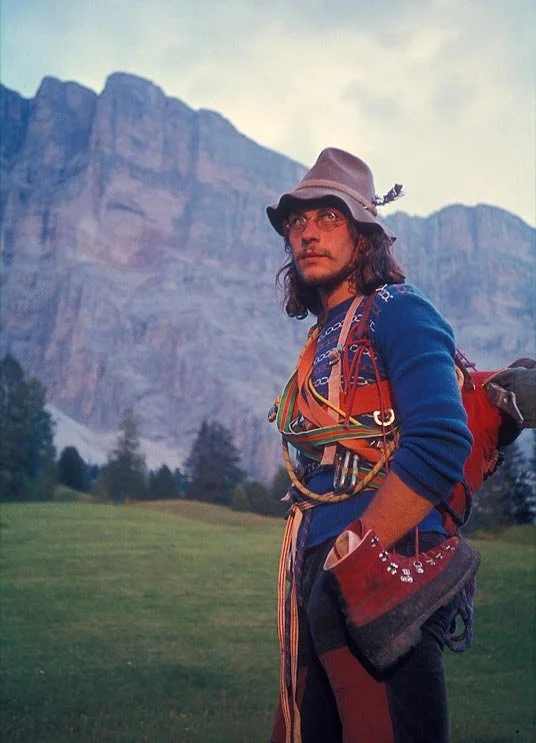

Our story begins with two Spanish climbers known as the Gallego brothers, who approached the newly founded company Boreal with a request to develop a shoe specifically designed for rock climbing. The founder, Jesús García López, completed the Firé rock shoe in 1979, naming it after its use on a new route on the Mallo Fire spire at the famous Los Mallos de Riglos in northern Spain. The Firé is widely treated as one of the first real breaks into climbing specific rubber. Sticky rubber itself was not entirely new, but Boreal was among the first to pair a softer compound with a shoe designed specifically for climbing. The sole broke from the workboot lineage and was formulated specifically for smearing and edging on smooth rock.
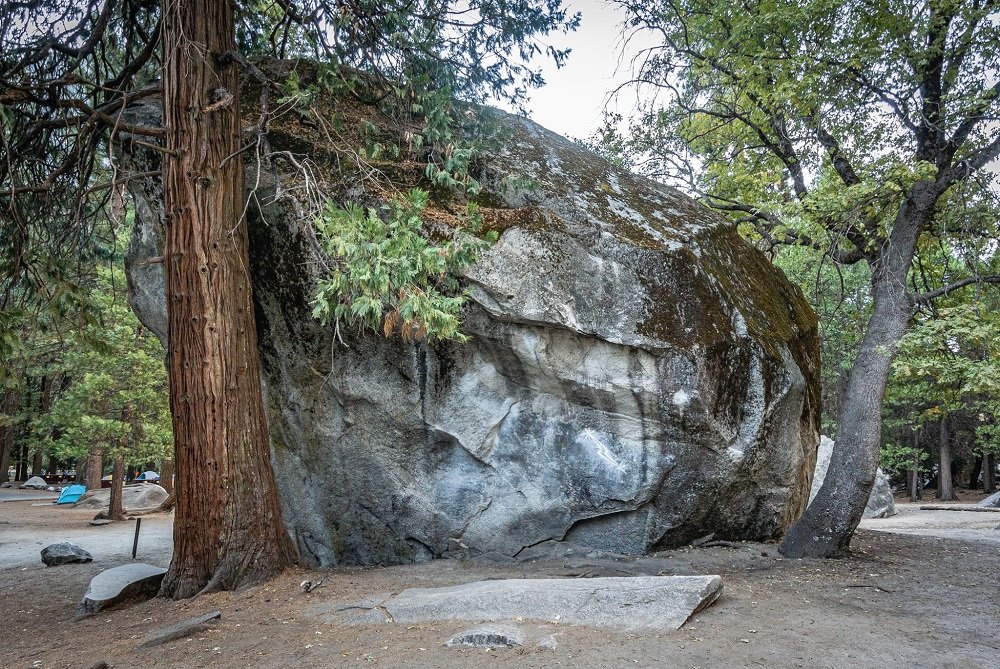
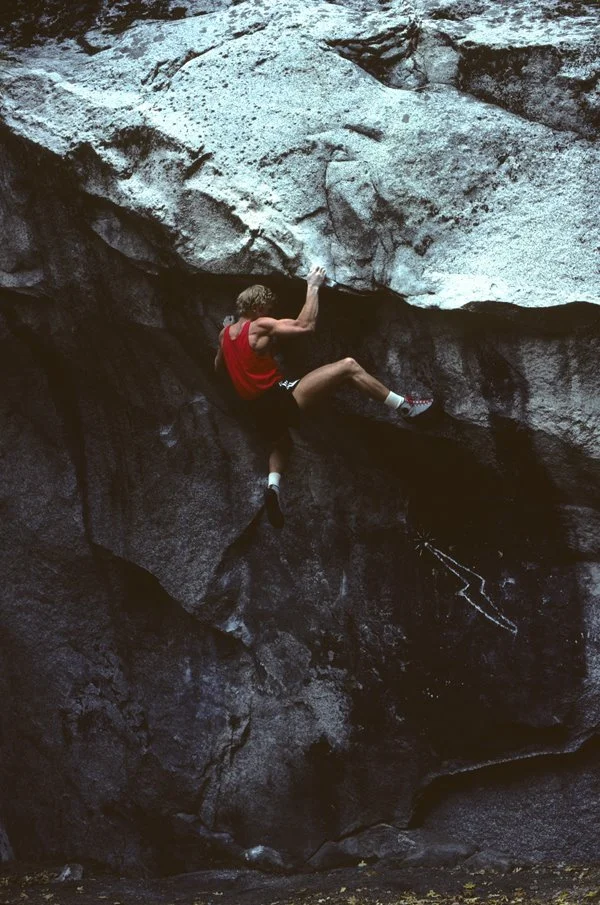
The shoe marked a move away from simply enduring the mountain toward expanding what was physically possible on vertical stone. The Firé shoe then traveled from Spain to California where it landed in Yosemite's Camp 4. When John Bachar wore them on Midnight Lightning, North America's first 7B/7B+, the new rubber drew immediate attention. Within the small world of climbing, that was enough and they sold out within hours of being stocked.
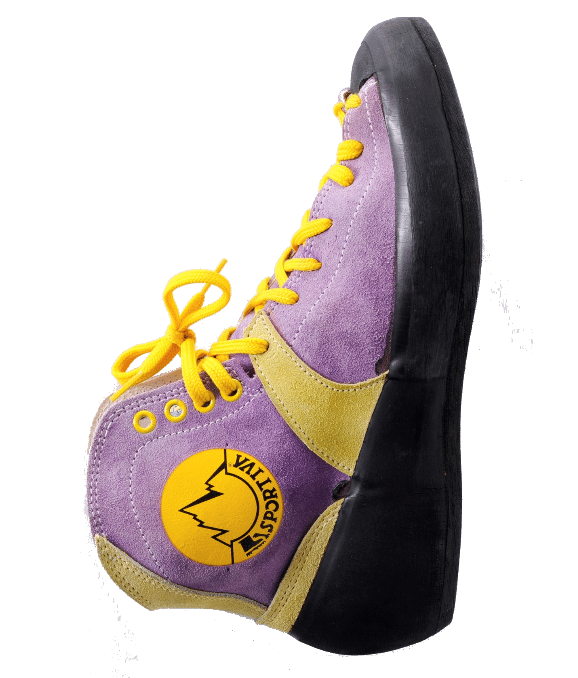
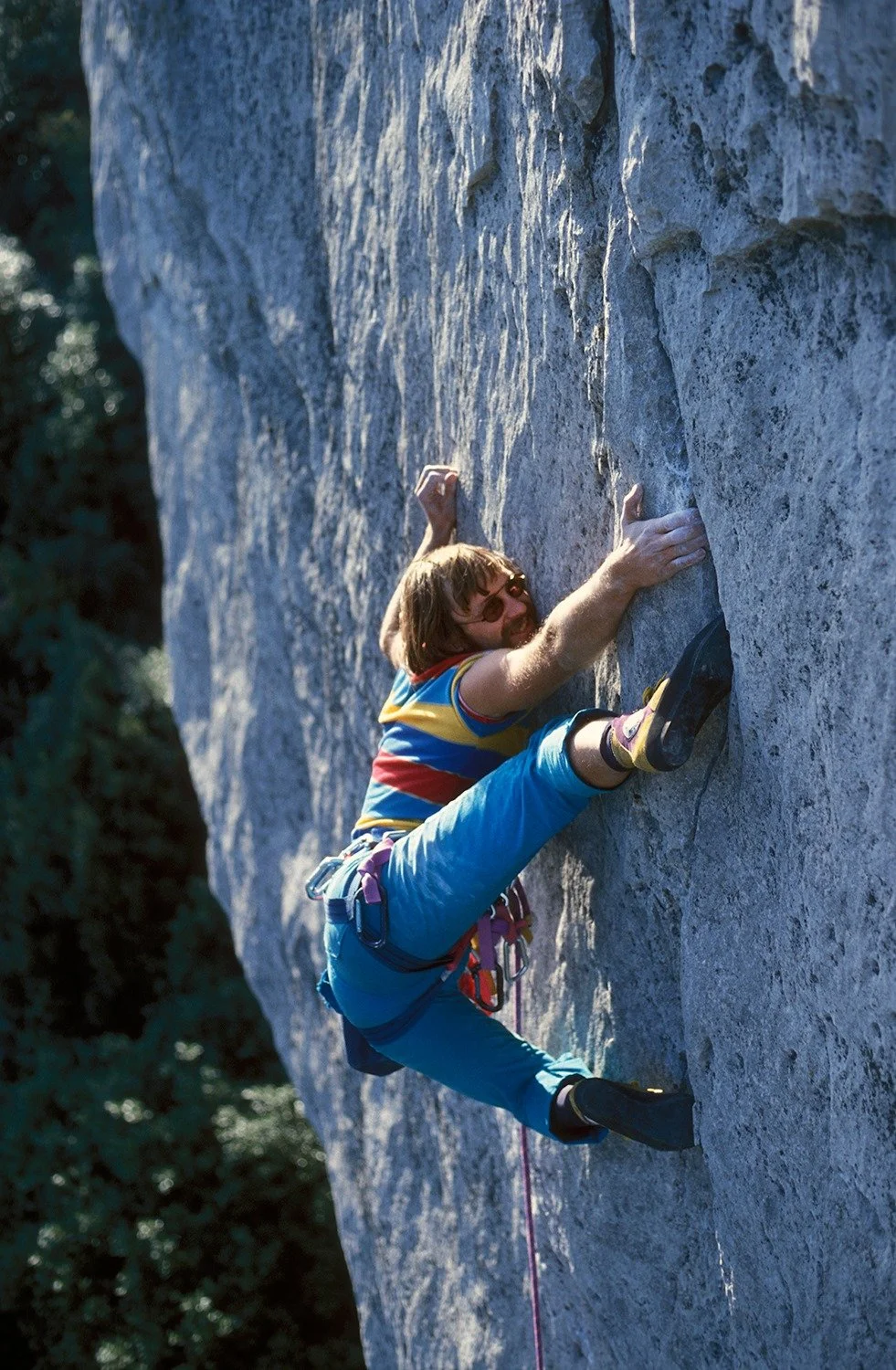
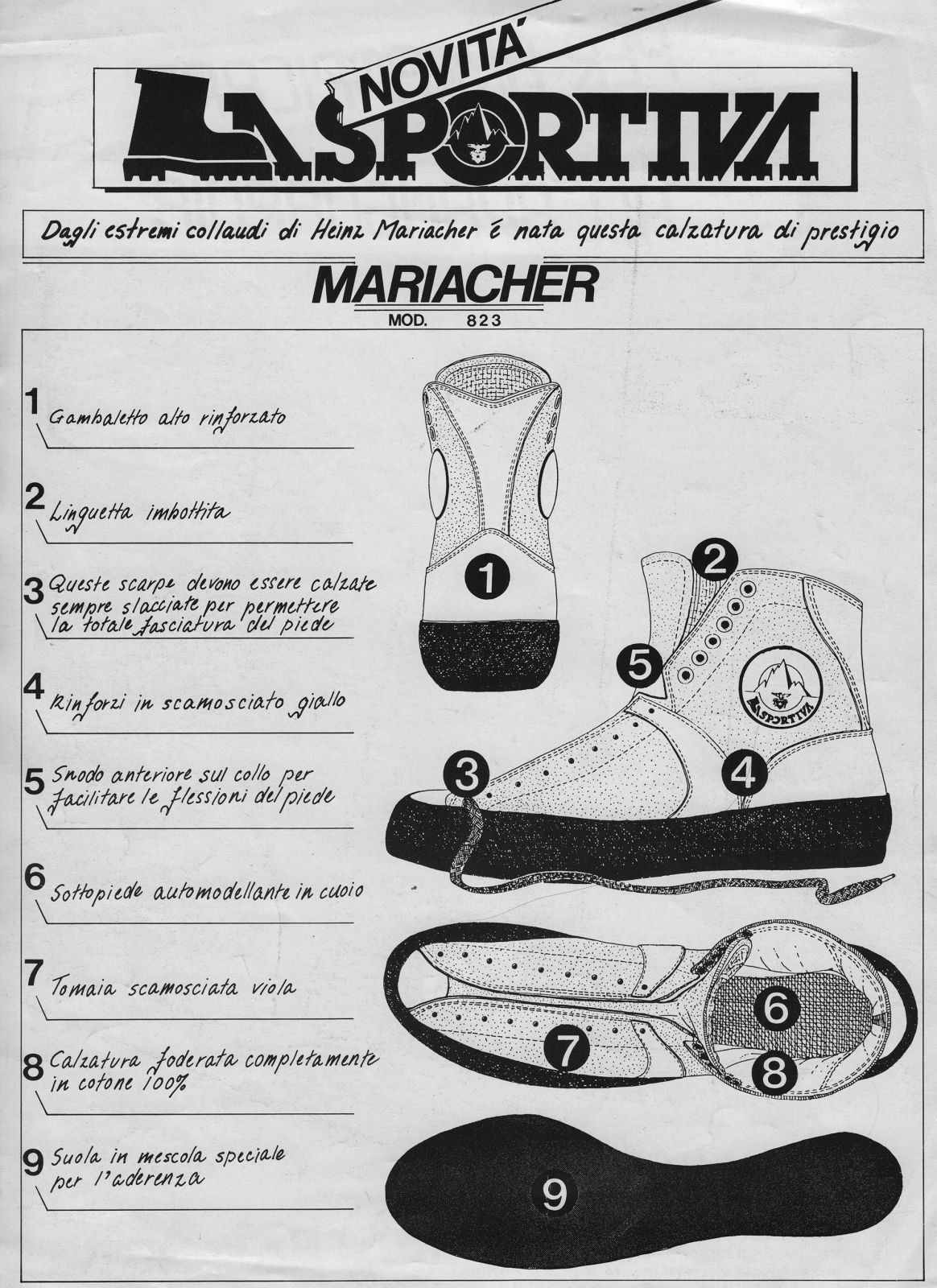
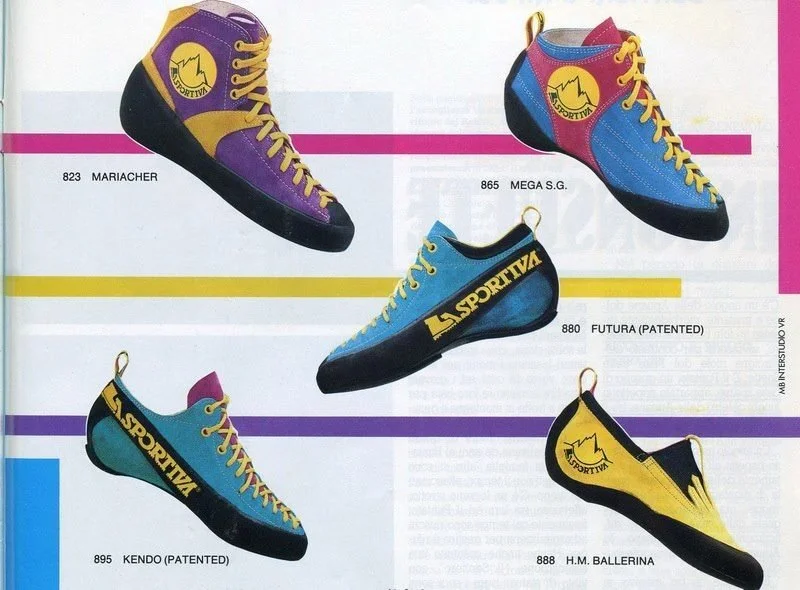
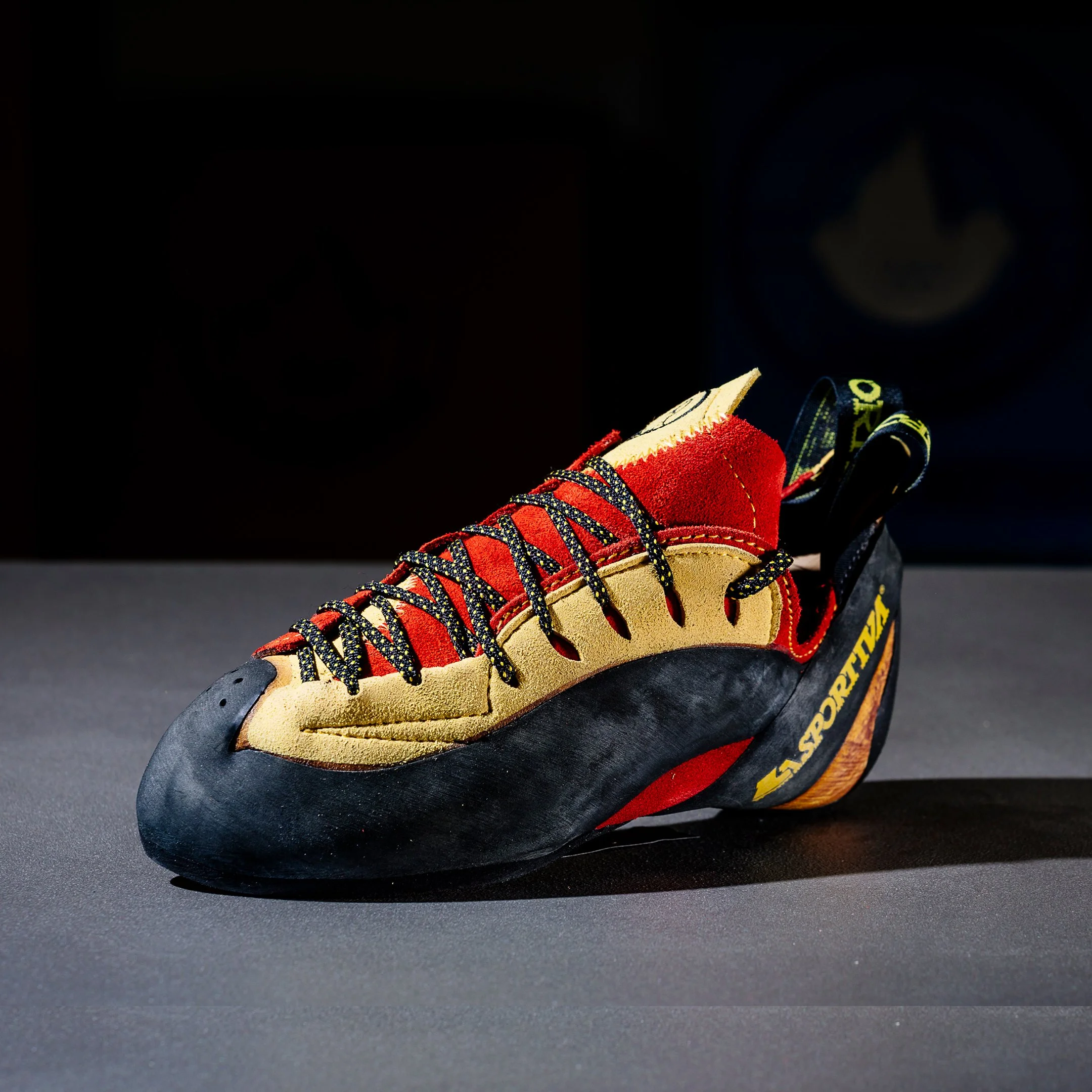
Then came Heinz Mariacher. In the early 1980s Mariacher stood at the forefront of free climbing's acceleration, establishing hard routes in Europe and the U.S. As someone who lived and breathed the sport, he turned the experience toward design. In 1982 La Sportiva released the Mariacher, a purple and yellow model shaped for precision and toe power. The shoe pushed the conversation around climbing rubber forward, but the search for the right compound kept returning to the same problem. Peak friction was dependent on temperature.
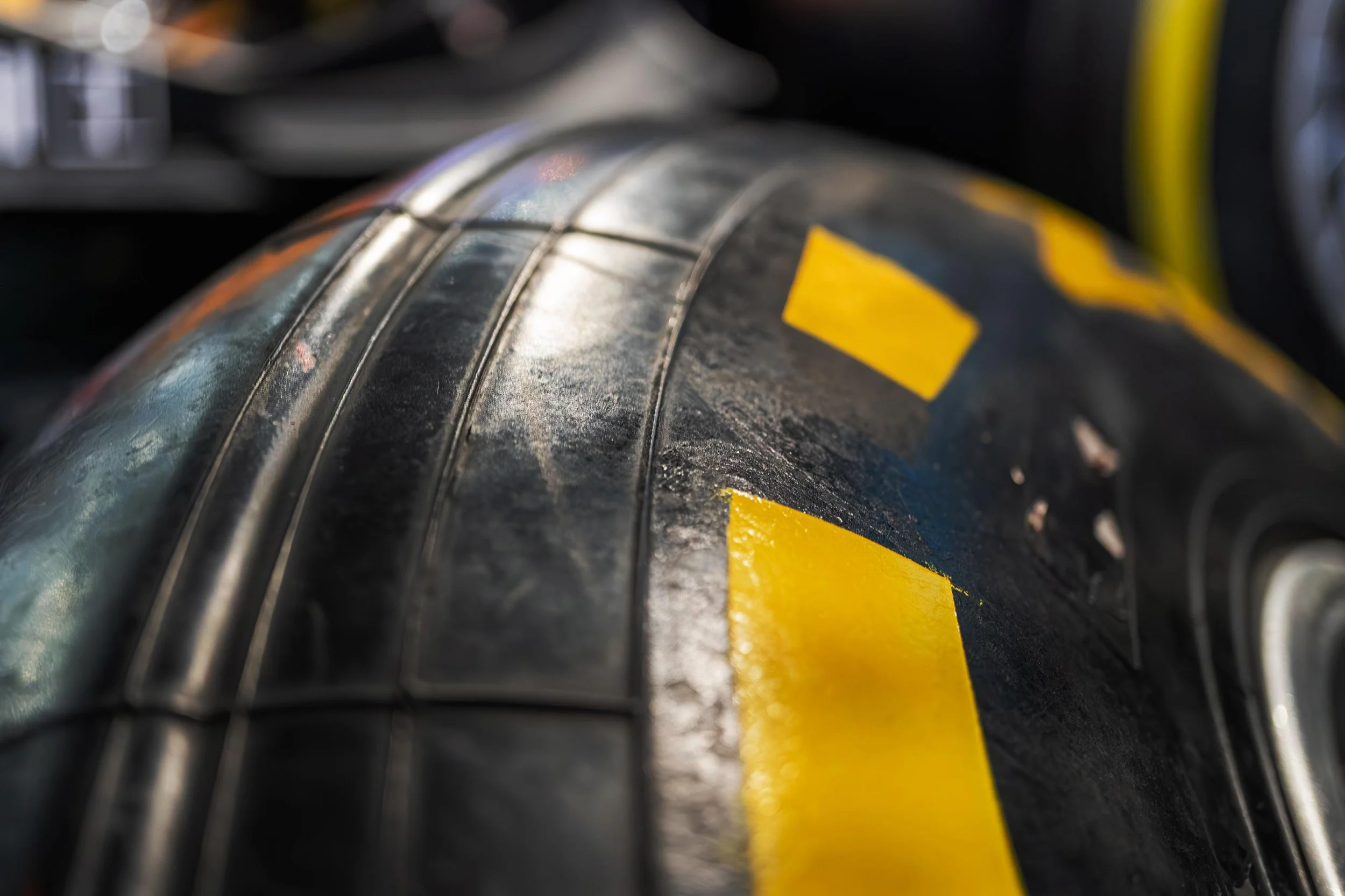
If you think about the rubber on racing tires, they reach their optimal friction through heat generated by speed. Climbing operates in near static friction and it doesn't necessarily heat up by moving slowly up a rock face. When the compound was in its working window, the performance was exceptional, but once the rubber cooled back to ambient that window closed. Performance lived within a narrow thermal window, and that discovery became the problem the industry was trying to solve.
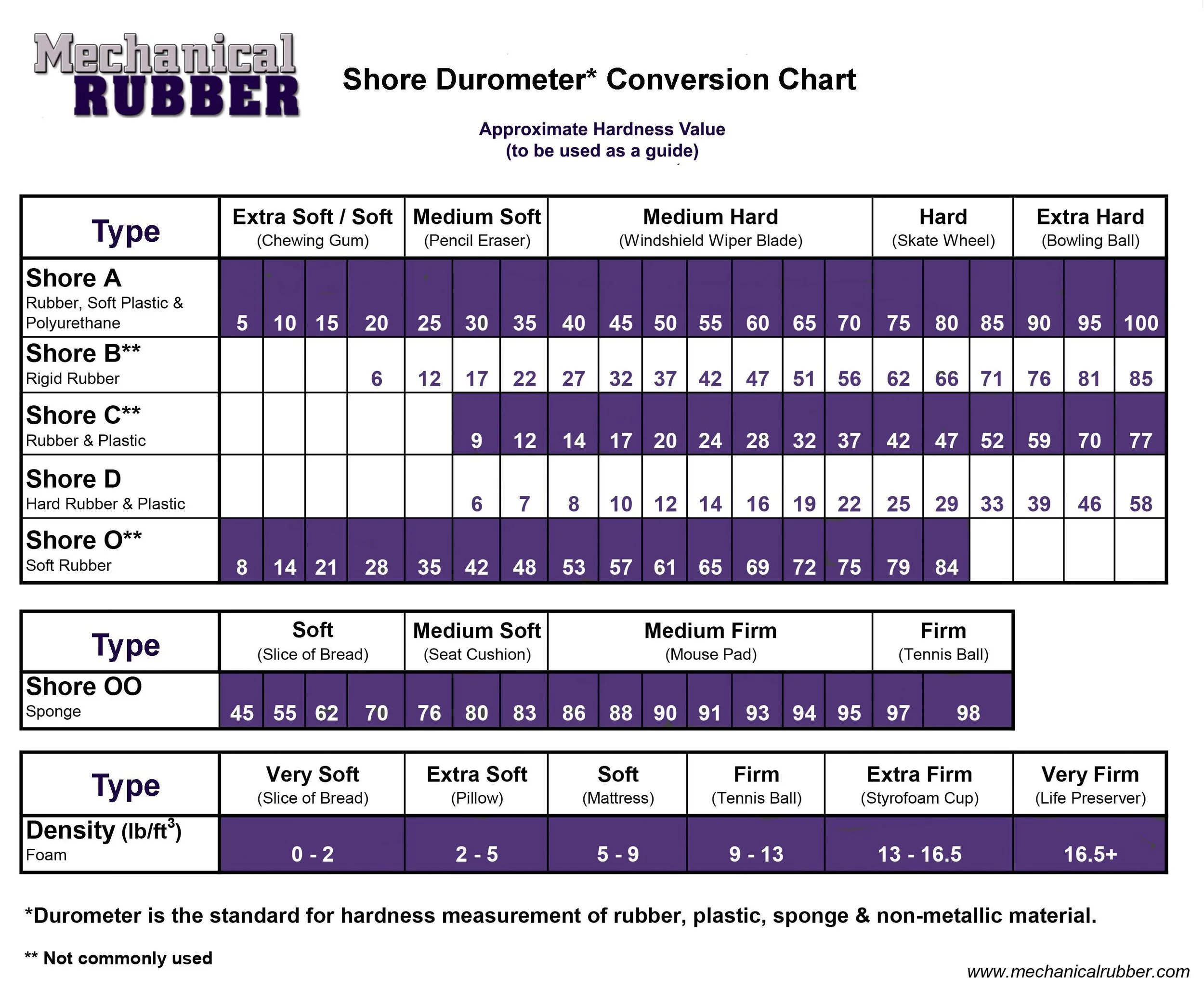
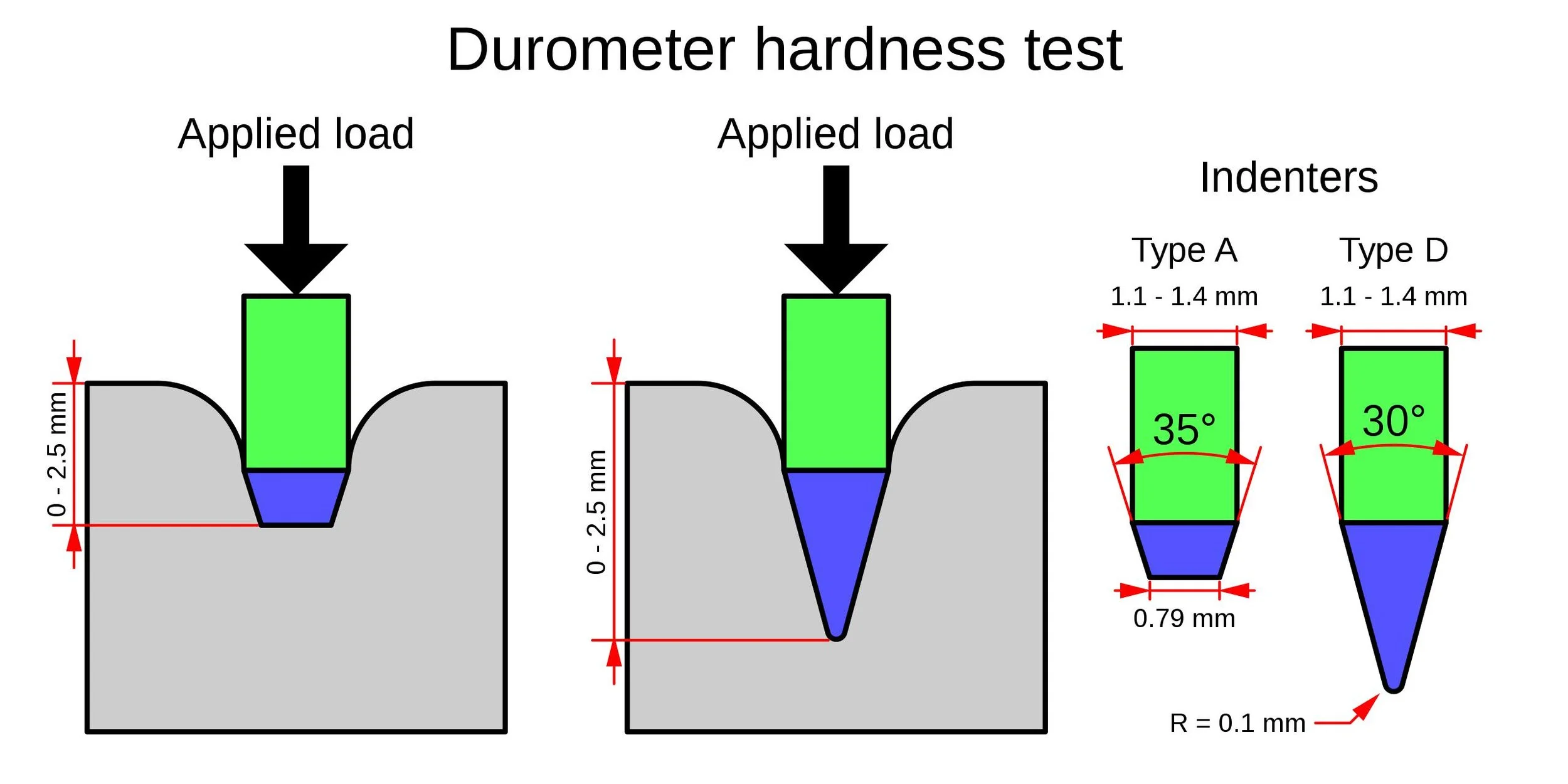
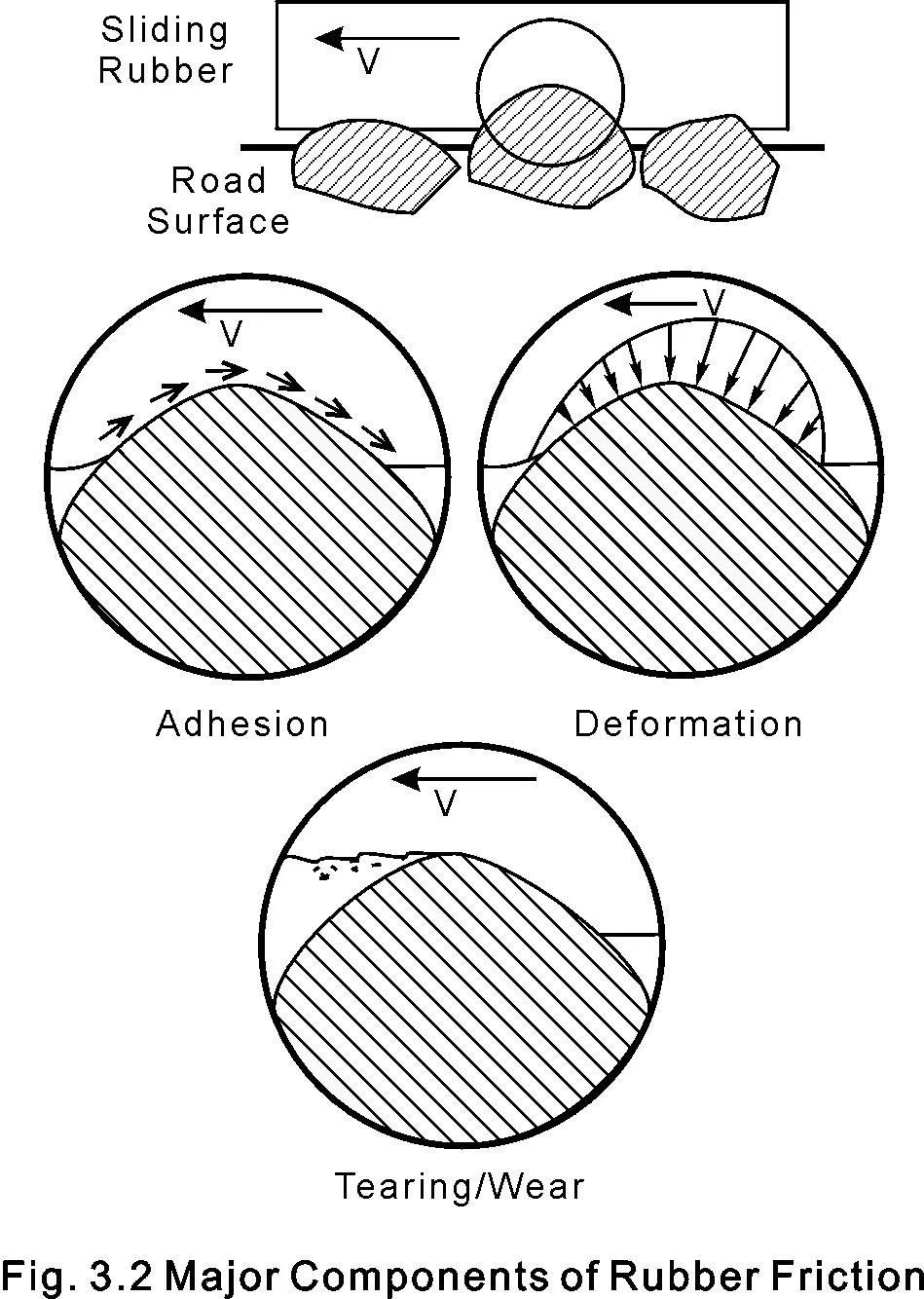
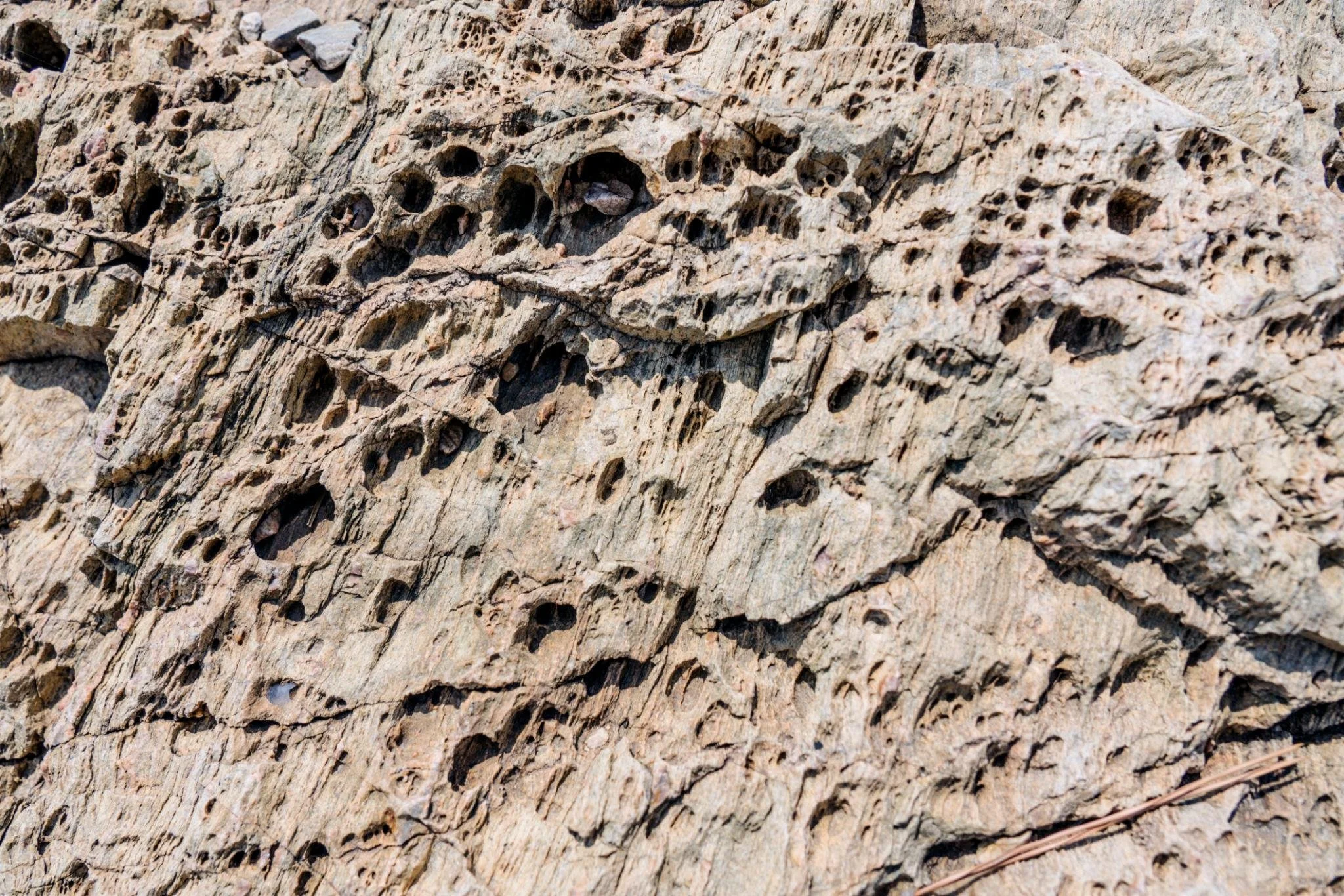
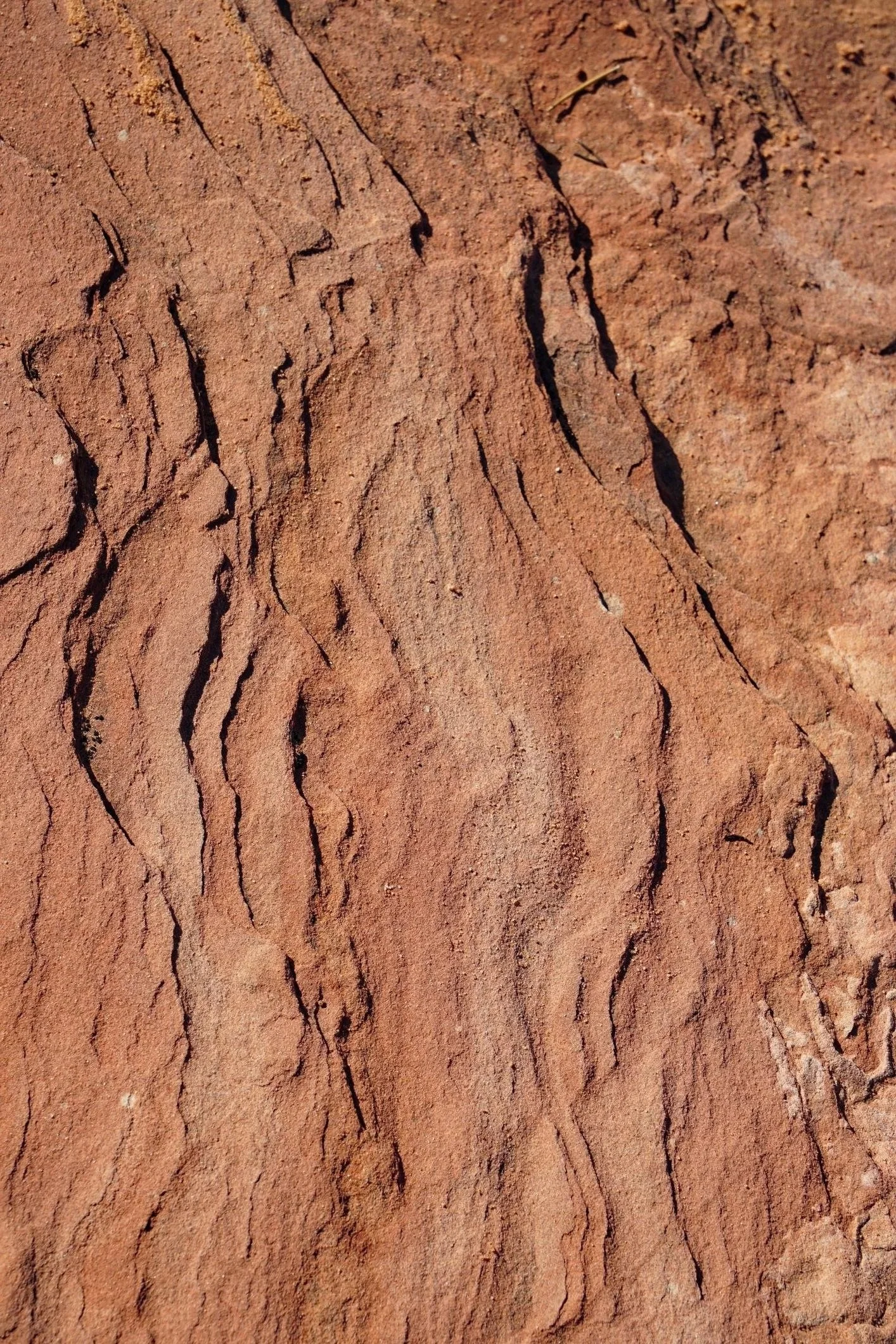
When climbers talk about rubber, you hear adjectives that often sound like personality traits. Words like sticky, dead, glassy, soft, supportive get tossed around. All of them boil down to contact mechanics and how a compound responds as temperature and surface conditions change. Even smooth rock isn't smooth. Granite, limestone, and sandstone carry micro texture and a good climbing rubber deforms into that topography, increasing real contact area and adhesive interaction between the surfaces. That is one half of what climbers call stickiness. The other half is hysteresis, or energy lost as the shoe is loaded and unloaded. Under load, the right viscoelastic response resists micro slips instead of springing you off the hold. It is also why the same rubber can feel completely different on a cold morning versus sun warmed stone. Recent tribological studies have even challenged the common belief that softer rubbers are inherently grippier, showing that friction depends on a combination of how hardness and adhesive qualities behave on the roughness of the surface rather than softness alone. Shore hardness is the scale that puts a number to this. Measured on the Shore A scale, a lower number means a more compliant, deformable rubber and a higher number means a stiffer one. For climbing rubber, most compounds sit somewhere in the 45 to 65 Shore A range, though that window shifts depending on how a manufacturer balances grip against durability.
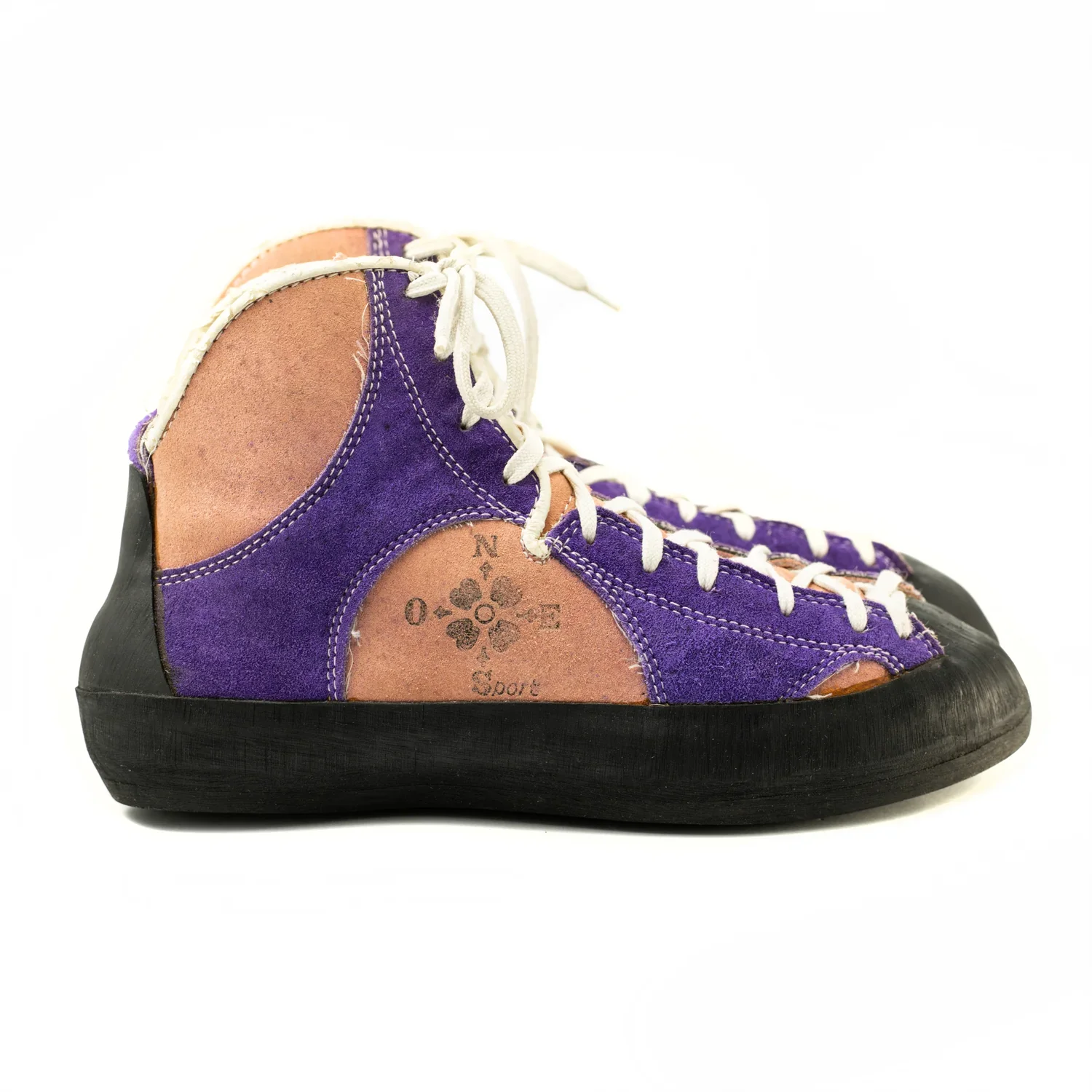
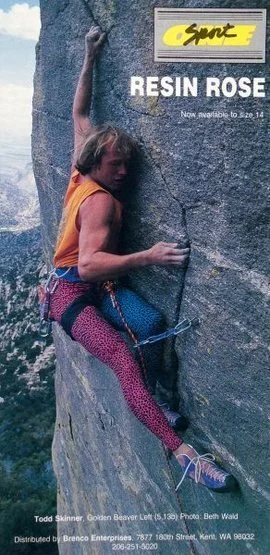
As rubber became softer and grippier, the rest of the shoe had to evolve to support it. The 1980s Resin Rose, a pink and purple high-top, included a thin internal metal insert that audibly clicked as you moved. It attempted to give soft rubber structural support. The model is often remembered as an odd detour, but it was a step in the direction of trying to have soft rubber and stability.
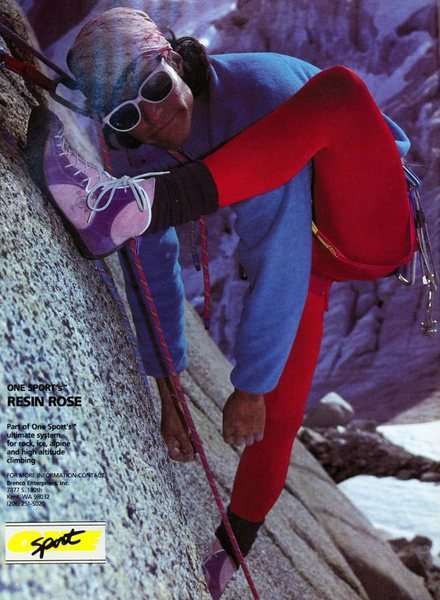
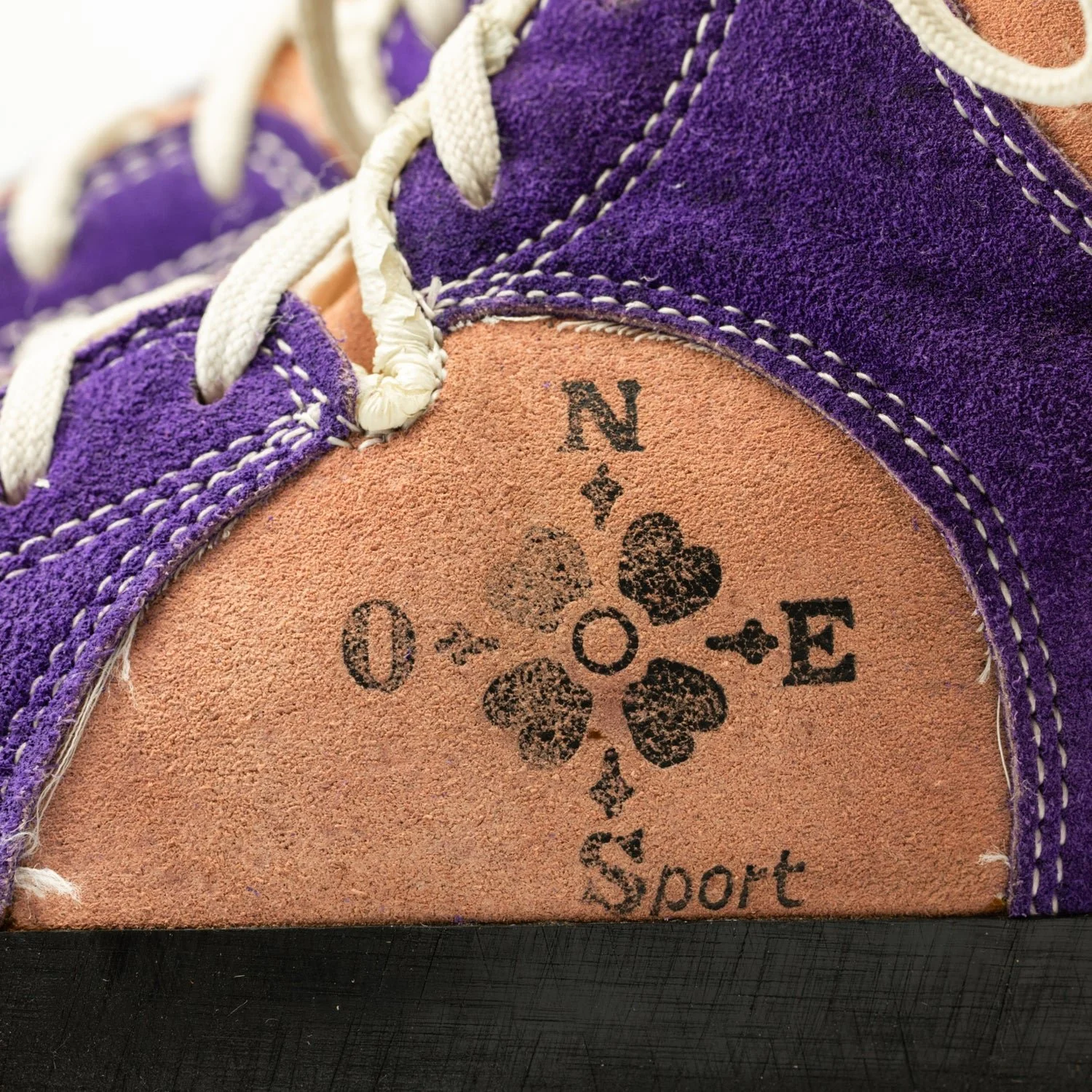
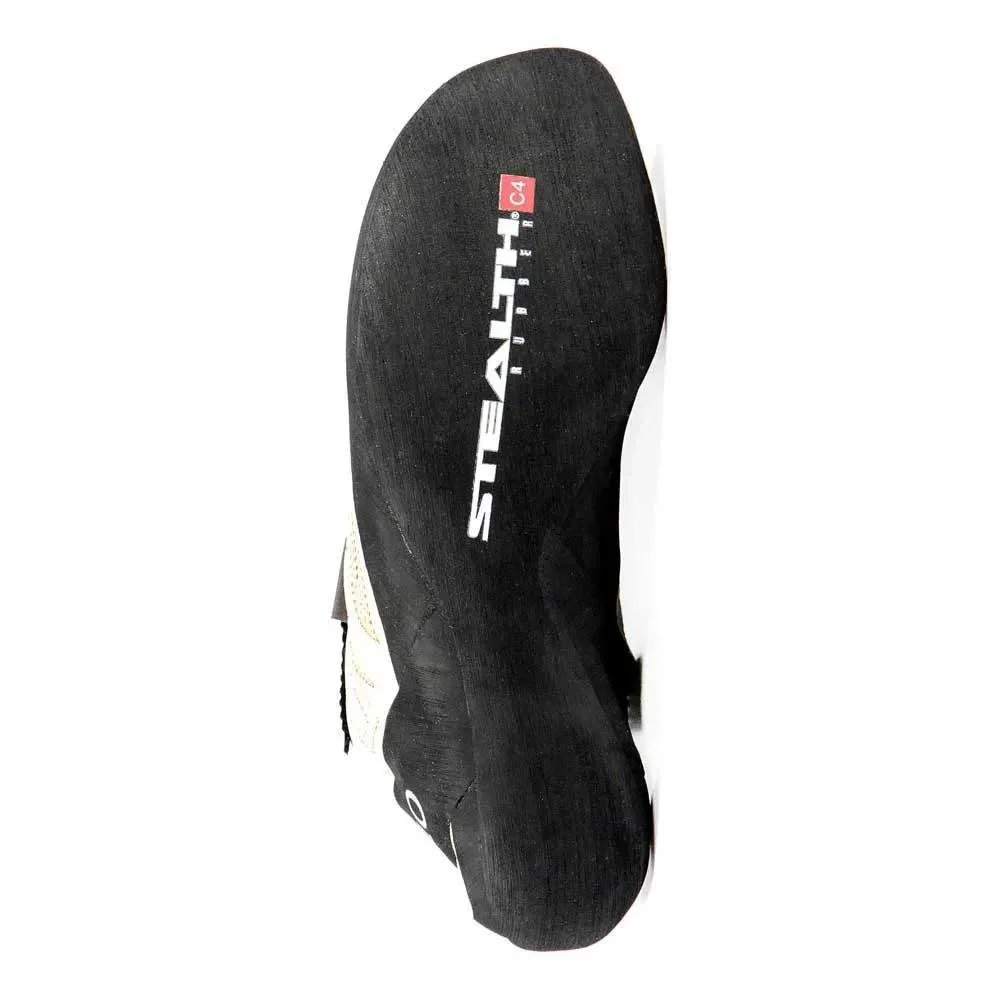
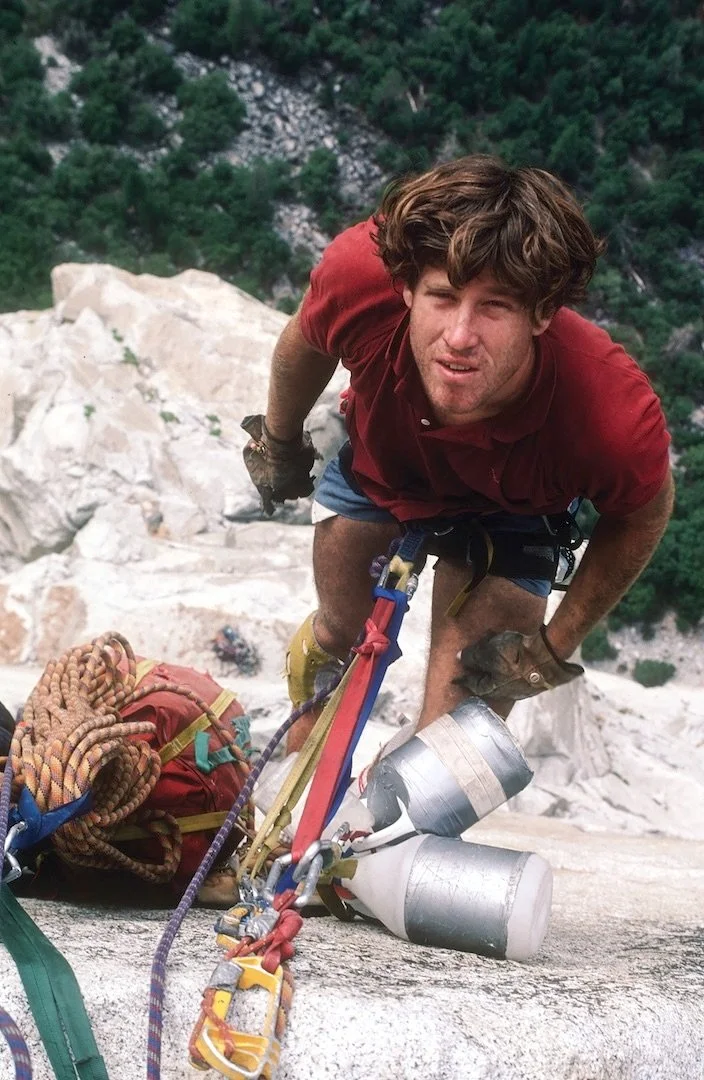
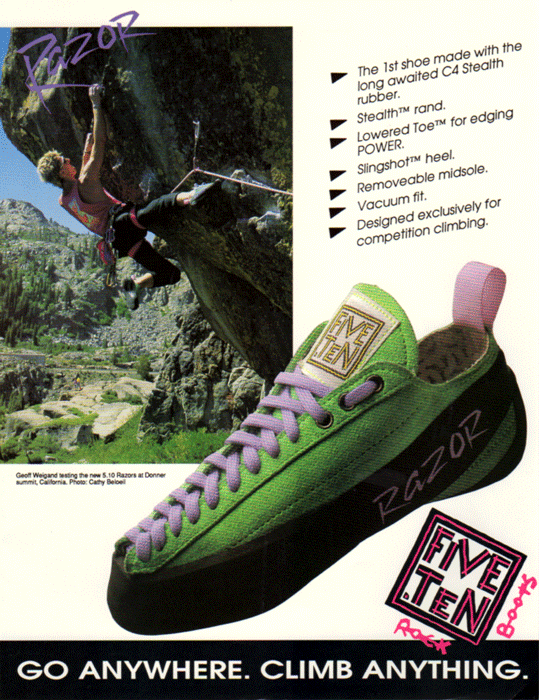
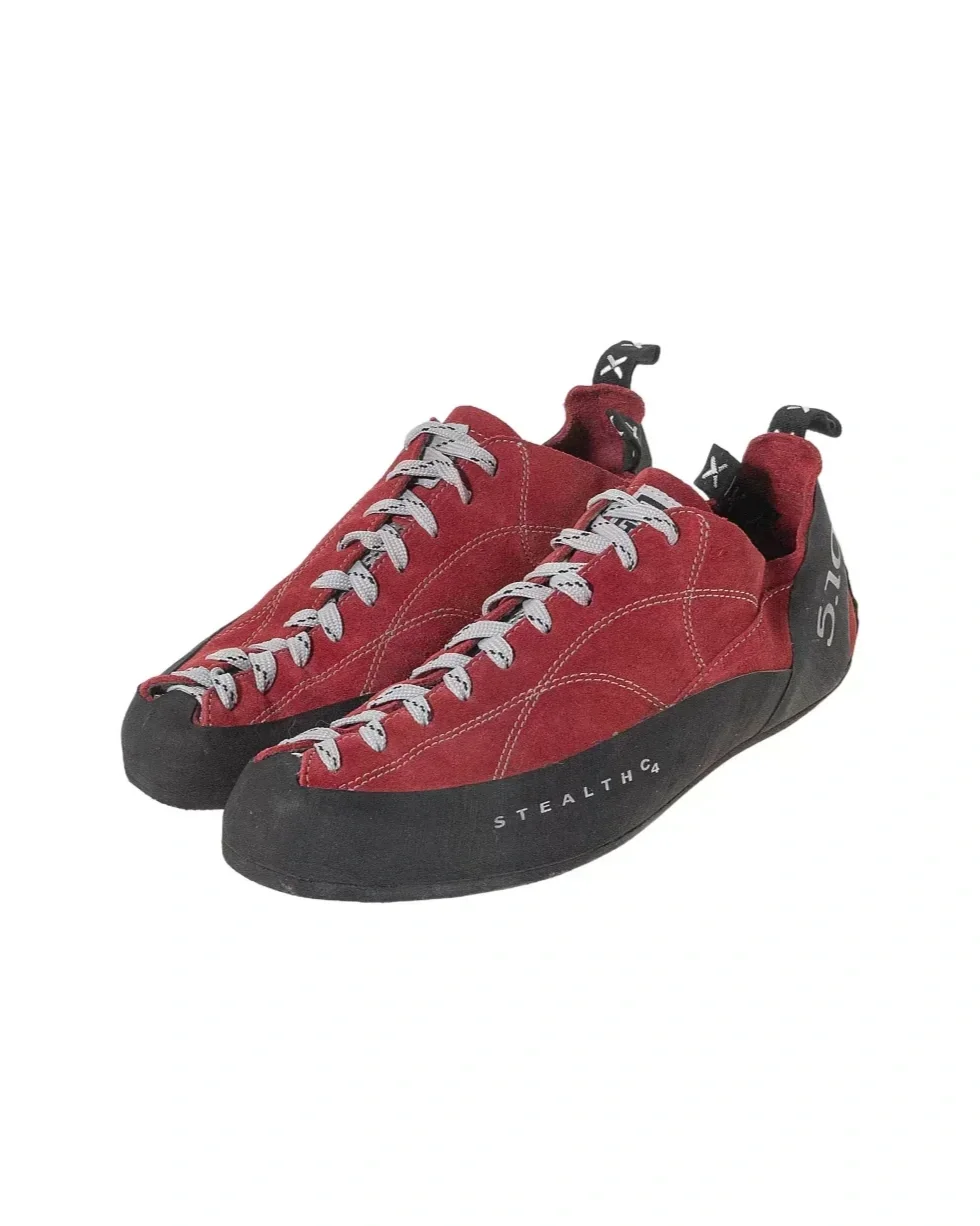

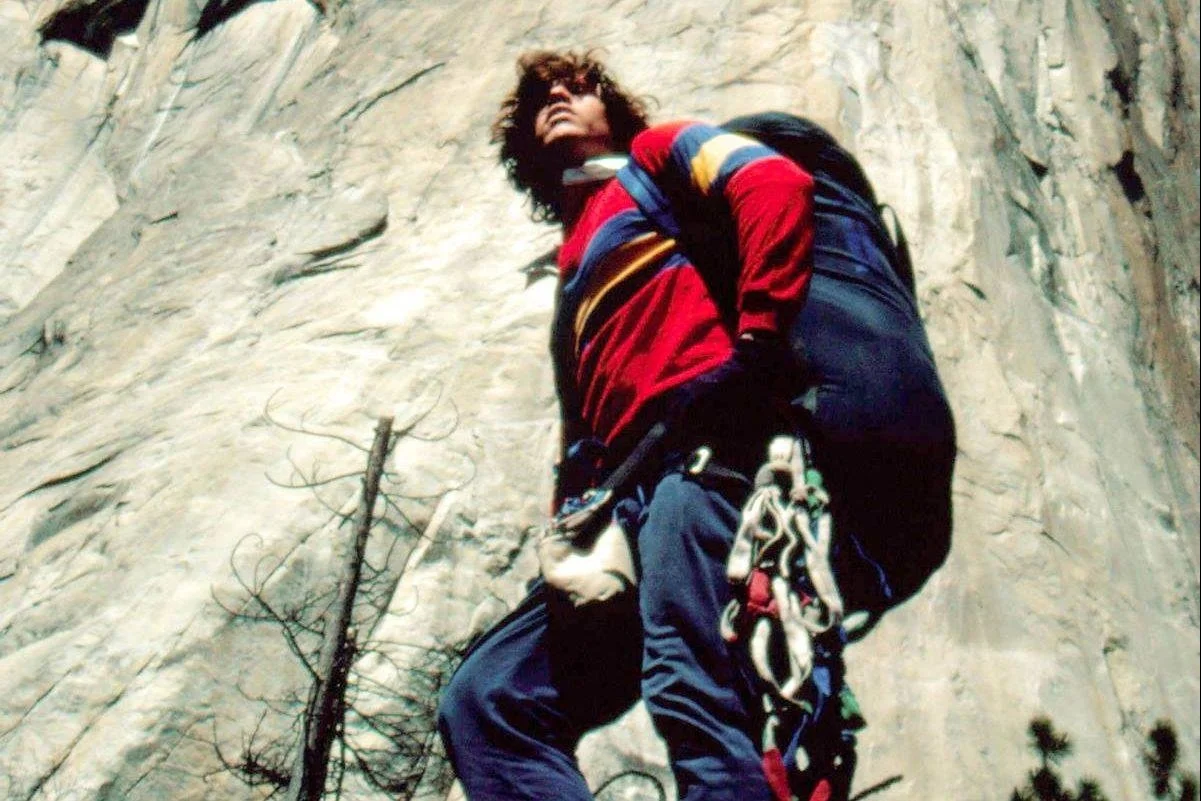
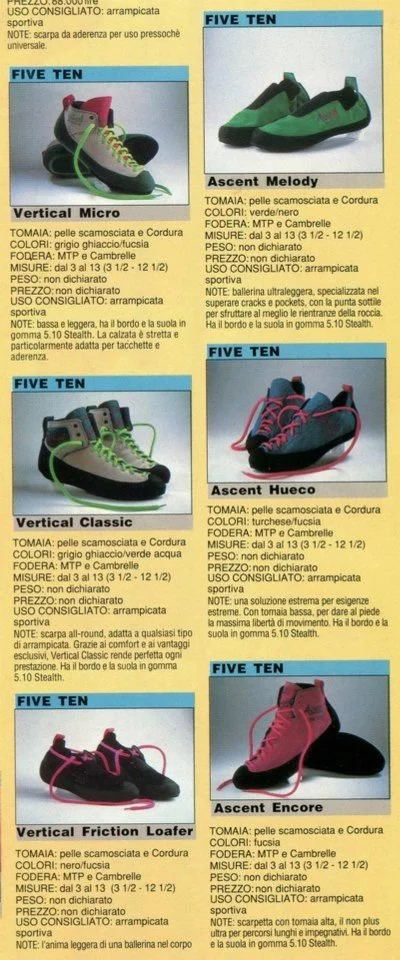
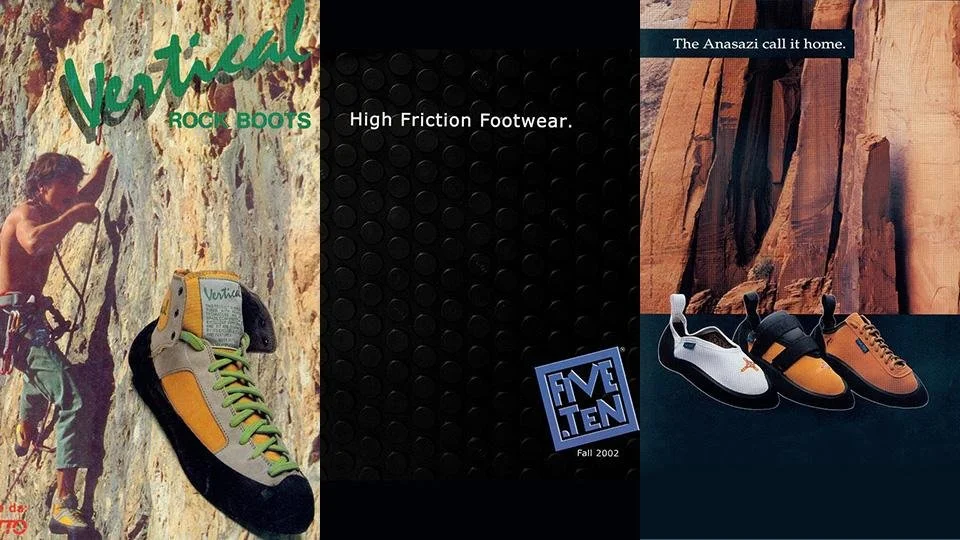
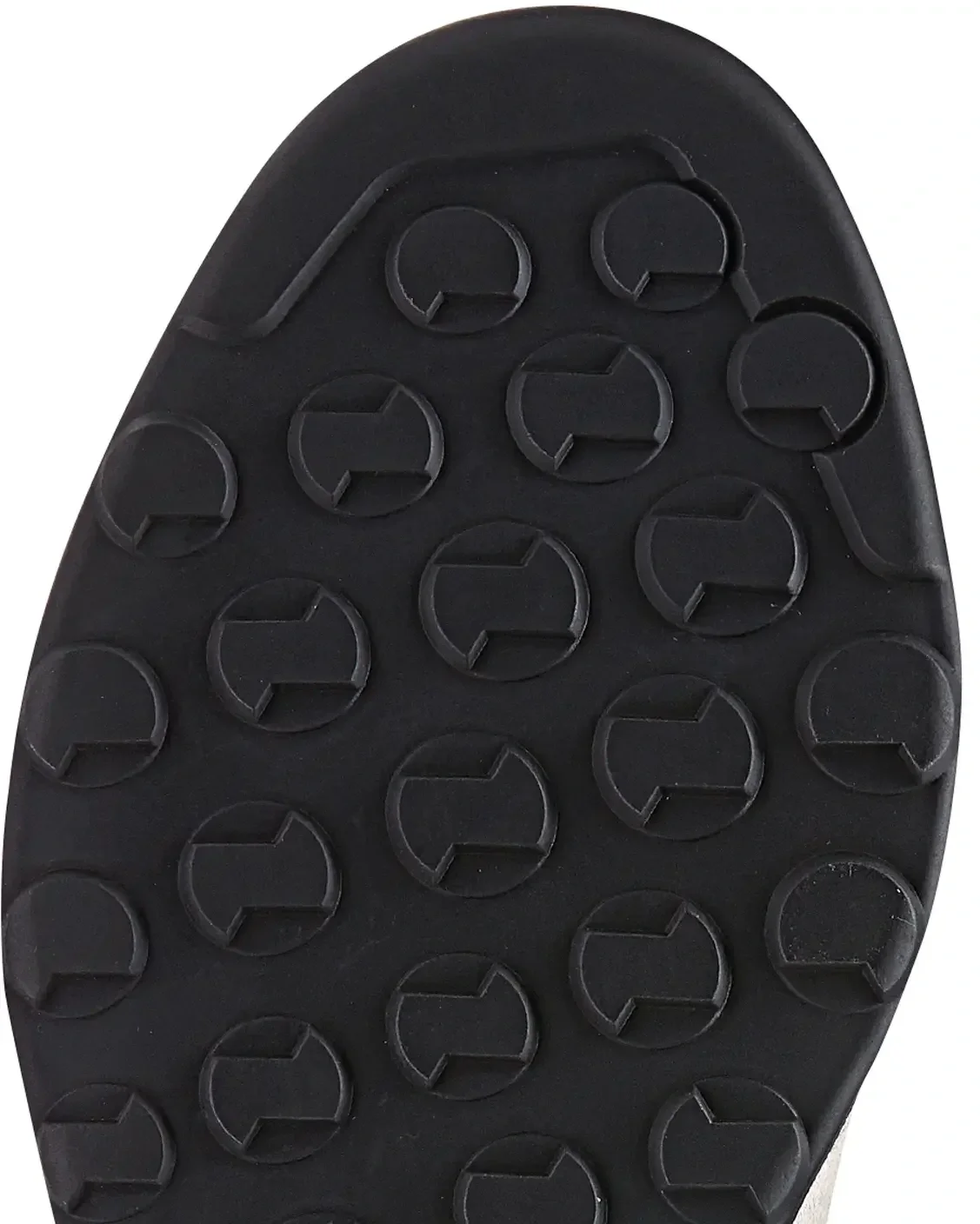
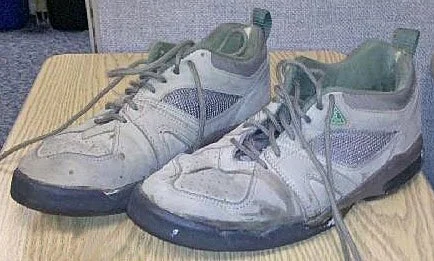
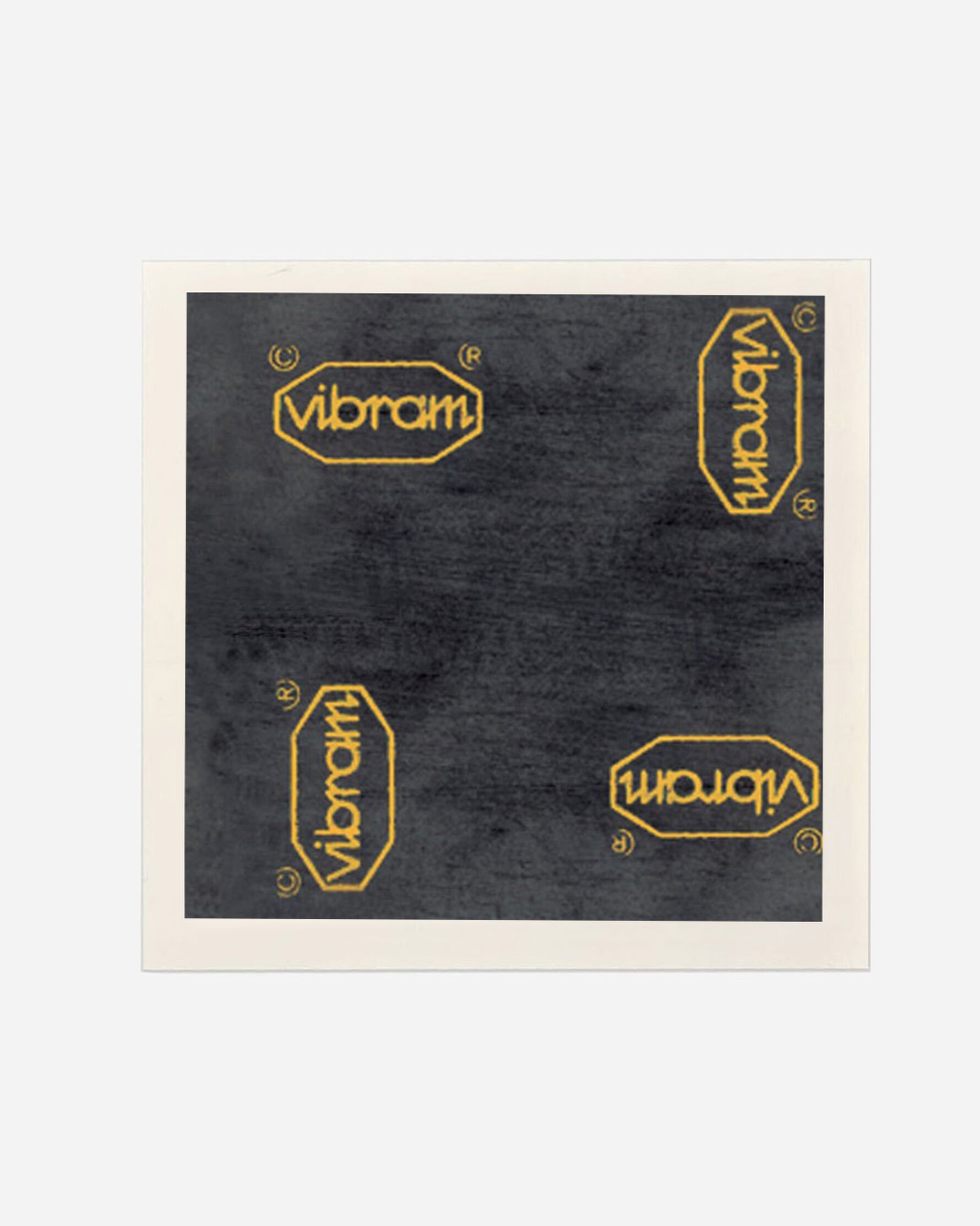
The competitive landscape around climbing rubber sharpened considerably. Charles Cole founded Five Ten and popularised the approach shoe, widely considered the first of its kind, built around the Stealth S1 compound. The friction-first philosophy found particular traction in the bouldering community, where smearing and high contact movement made rubber feel more decisive than structure. Cole followed with Stealth C4, a formula built to deliver high friction without sacrificing edging stability. The compound deformed readily into rock texture while retaining enough structure to support precise foot placements, and critically, it could do this across a broader temperature range than the improvised race tire soles. Throughout all of this, Vibram's story continued in parallel. Mountain rubber may have stepped out of the spotlight, but the introduction of Vibram Grip in 1988 marked a clear response to the free climbing shift. The company that had defined durability was now speaking the language of adhesion.
Coming back to the car analogy, Scarpa designer Nathan Hoette, who works closely with Mariacher, often explains that climbing shoes behave less like passive footwear and more like mechanical systems under load. "You drive climbing shoes like a car," he says. "They have suspension." It is a philosophy that traces directly back to some of the earliest models. "Look at the names of Mariacher's first shoes at La Sportiva. The Miura, Testarossa, Barracuda, Cobra, they're all cars."
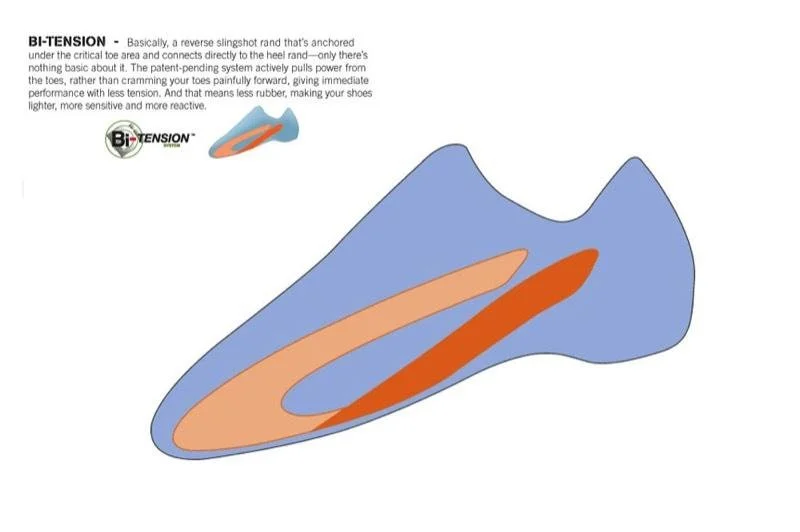
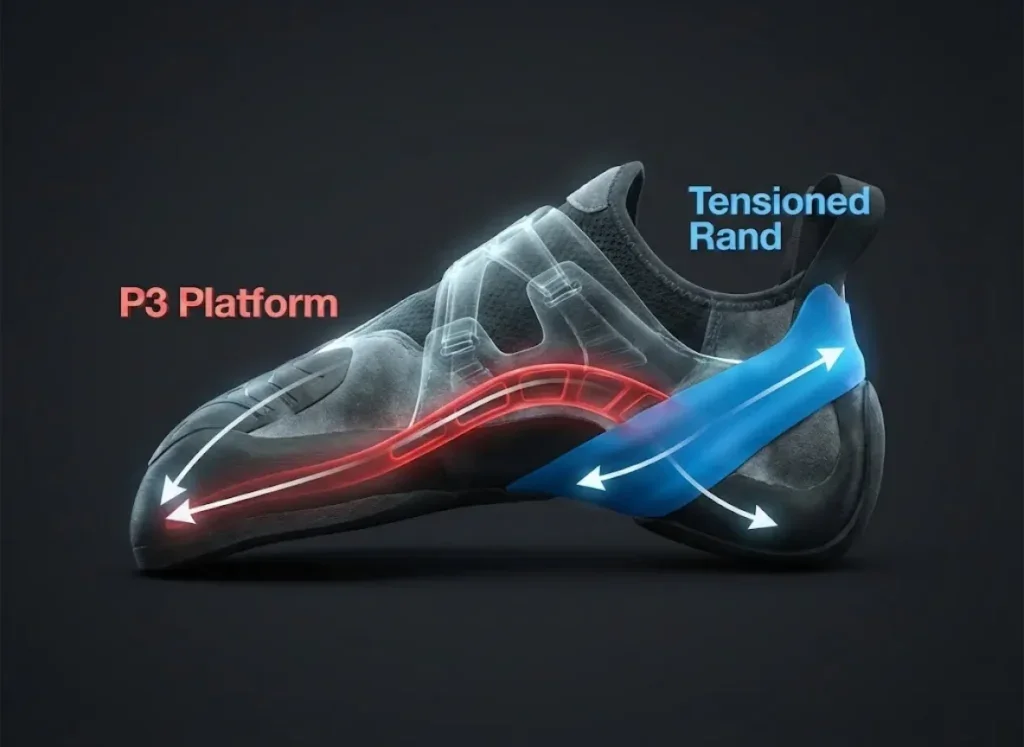
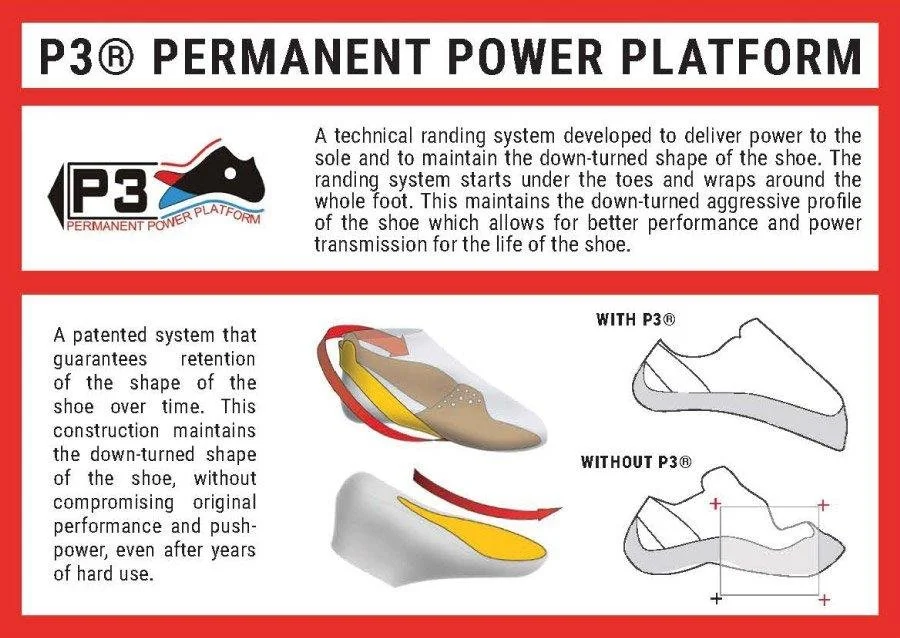
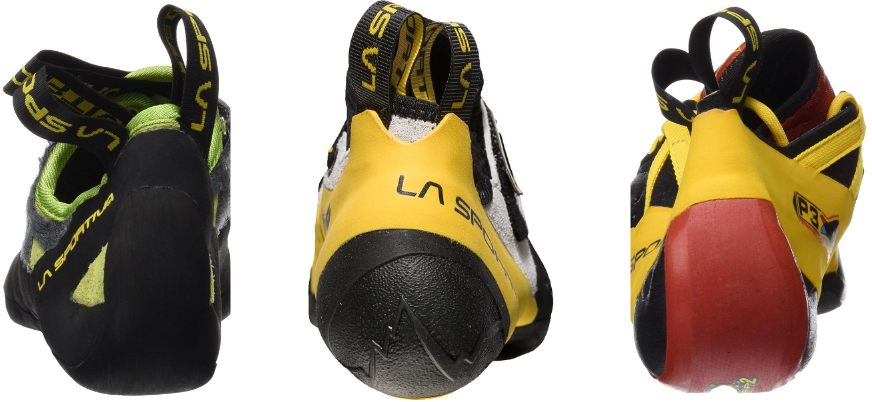
In mechanical terms, a tension system is an elastic framework that stores energy under load and helps the shoe return to its intended geometry. It maintains downturn, stabilizes the forefoot, and slows the flattening that comes with repeated use. Scarpa's DTS, or Differentiated Tension System, is one of the clearest expressions of that idea. Instead of distributing tension evenly across the sole, DTS routes it along specific bands of rubber that run from the heel toward the forefoot. This structure concentrates force under the big toe, the part of the foot climbers rely on most for edging, while allowing other parts of the shoe to remain sensitive and flexible. La Sportiva's P3, or Permanent Power Platform, approaches the same problem differently, using a continuous tensioned rand to preserve the shoe's aggressive curvature over time. The tools have been refined since the Resin Rose, but the principle remains the same: soft rubber only performs when the shoe's structure can control it.
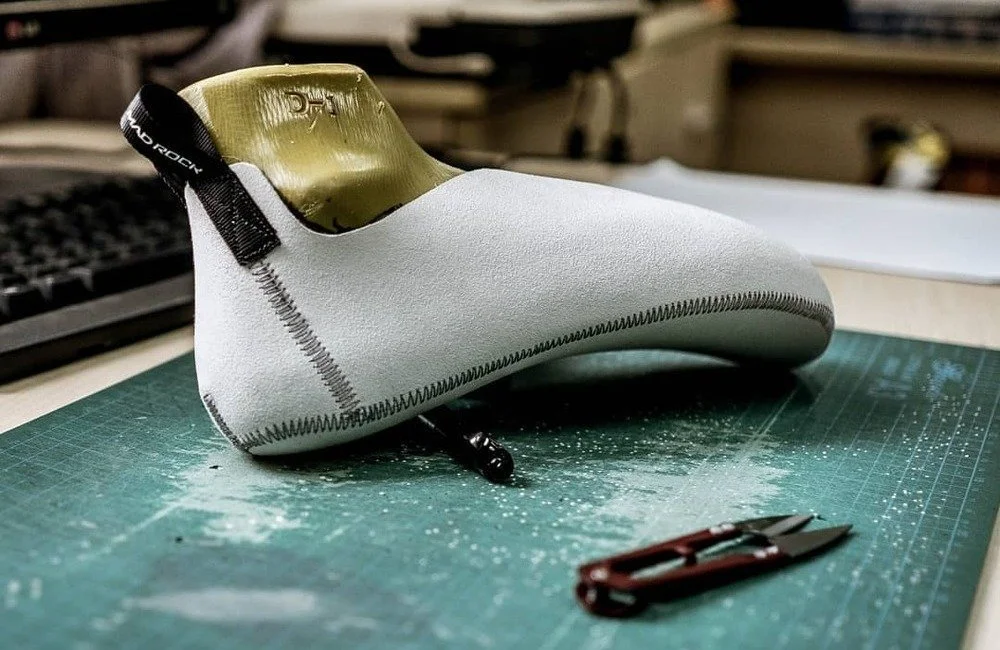
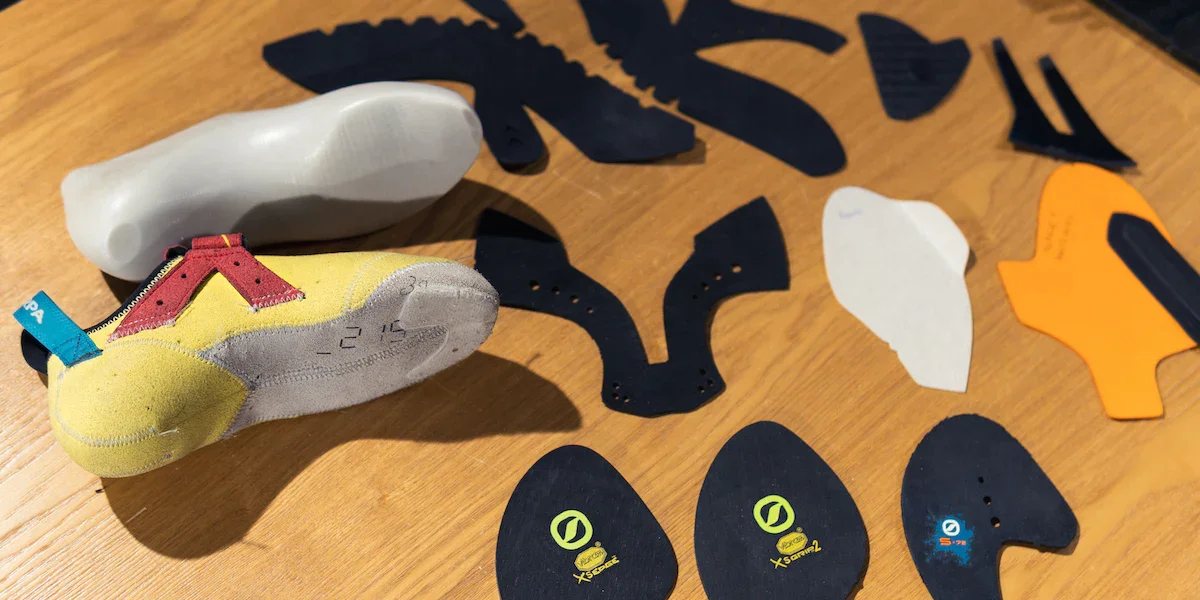
Hoette explains that a climbing shoe cannot be designed one feature at a time because every component interacts with the others. He often reframes climbing footwear as not really shoes at all, but gloves for your feet. Midsole stiffness influences how the rand carries tension and the last determines how power reaches the toe. The heel, closure, and upper affect how securely the foot can apply force to the rubber. Take a shoe apart and you see dozens of pieces cut, stretched, and bonded into a single working form. Change one element without adjusting the rest and the balance breaks. At Scarpa, every shoe is built from the ground up and every component considered in relation to the others. In that sense climbing shoe design deviates from most footwear. There is no narrative to sell and no mass market to chase. The only question is whether the shoe performs. Rubber may be the tire, but races are not won on tires alone. In the work at Scarpa, that philosophy has become the standard.
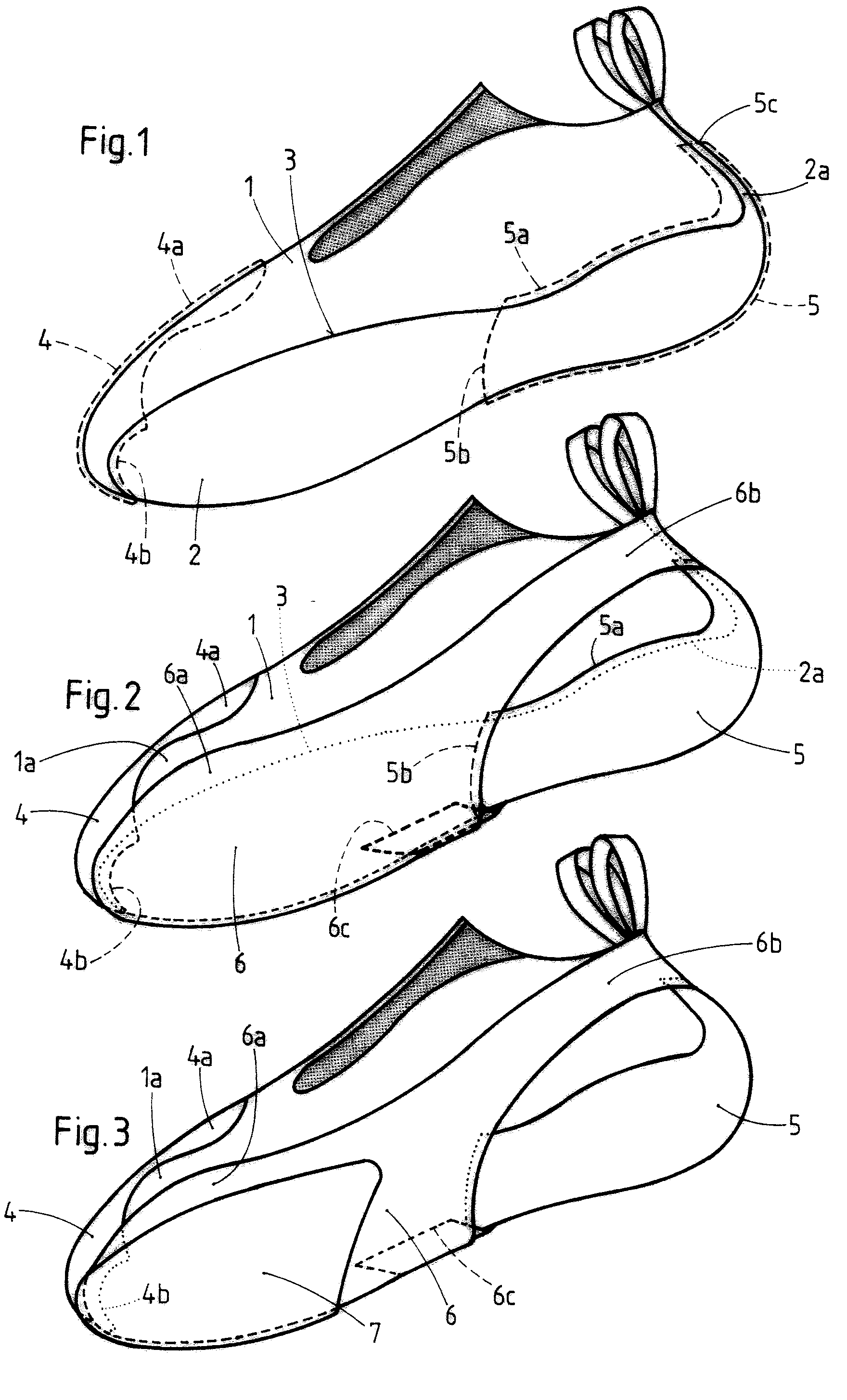
Heel construction was undergoing its own evolution. Through the late 1990s and into the early 2000s, mould machining became significantly cheaper and more accessible. Designers began exploring 3D-moulded rubber heel components as an alternative to traditional construction, and the efficiency argument was difficult to ignore. A moulded cup could be trimmed and glued in a fraction of the time it took to hand lay individual pieces. Five Ten is often credited with pushing early moulded heel designs into performance climbing, and the approach spread quickly across the industry.
Scarpa went the other way entirely. Under Mariacher's direction, every component is cut from flat sheet rubber and placed by hand. No moulded parts and no pre-formed geometry. It is a process that takes longer and demands more from the people building the shoe, but the tradeoff is worth it. A moulded heel cup sits further from the foot, easier to produce consistently but harder to feel through. Traditional hand laid construction, using thinner rubber pulled tightly against the heel, offers a level of precision and feedback that moulded components struggle to replicate.
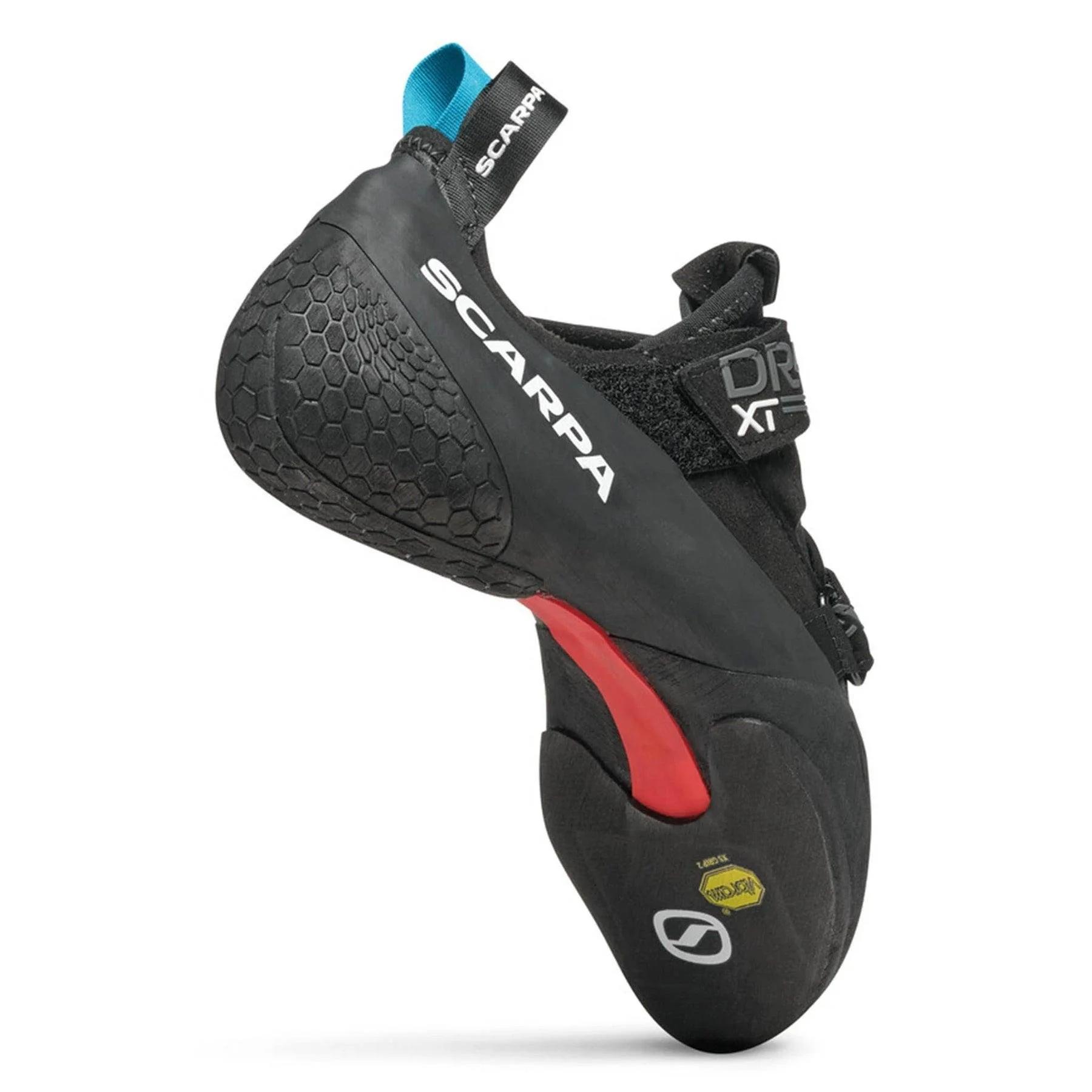
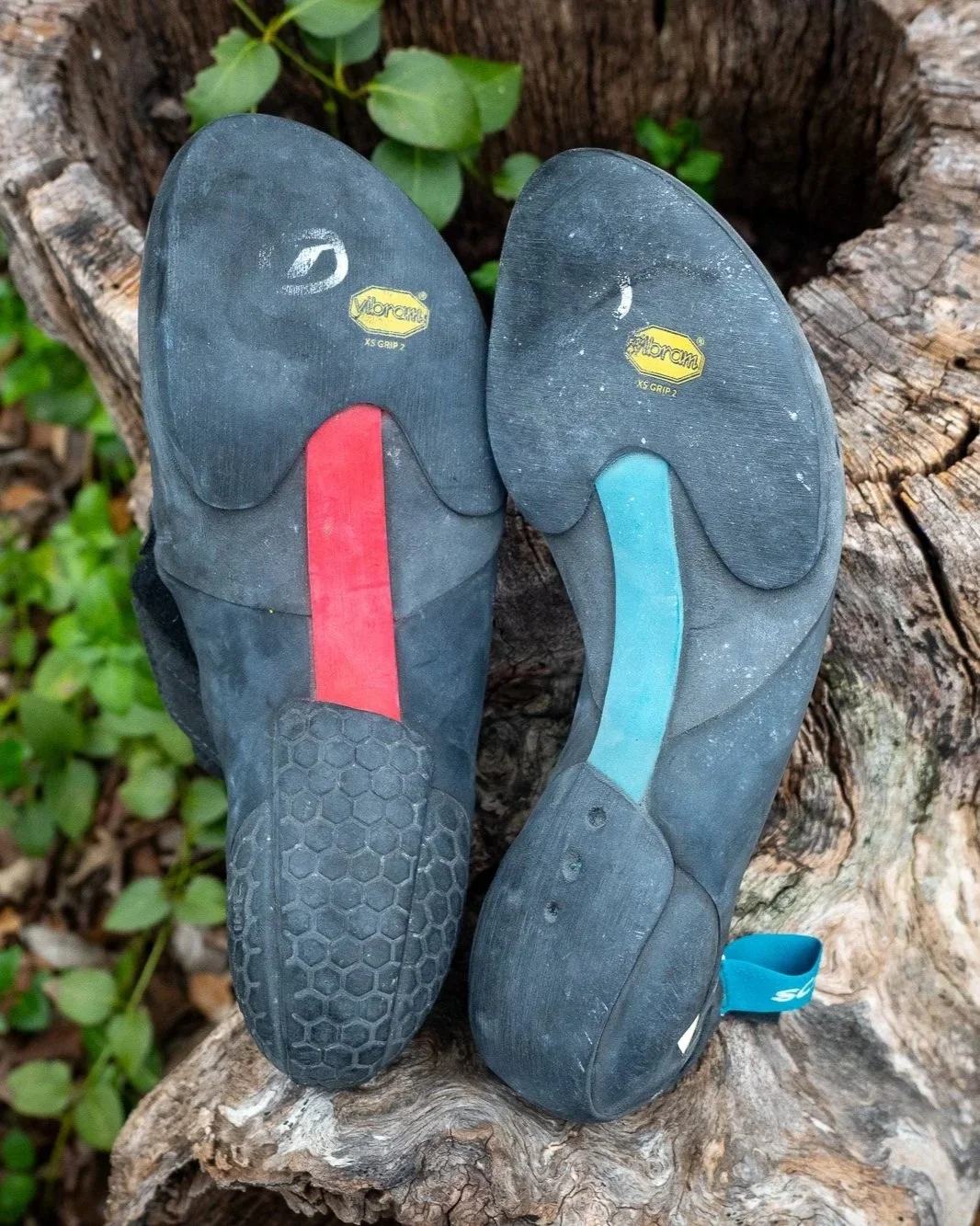
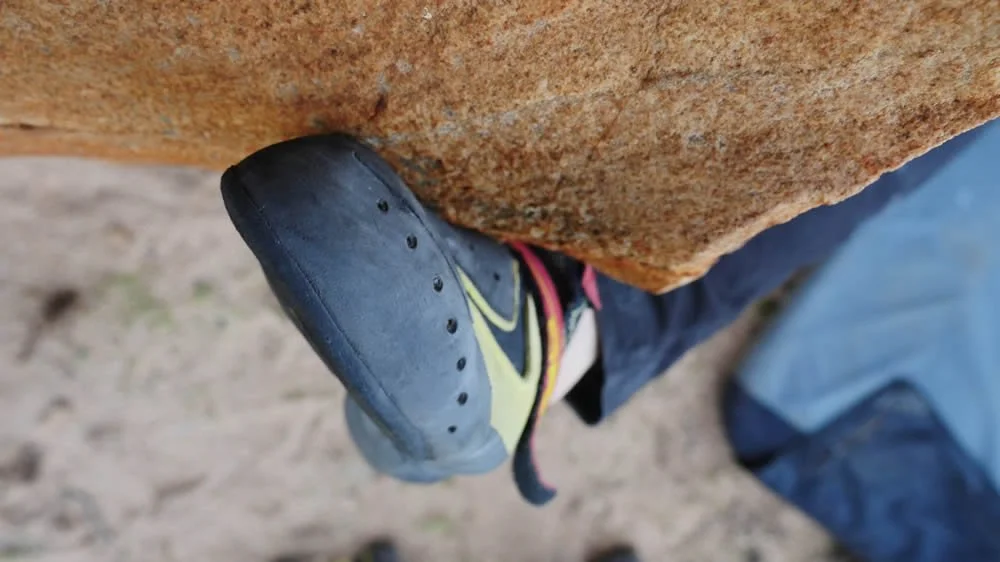
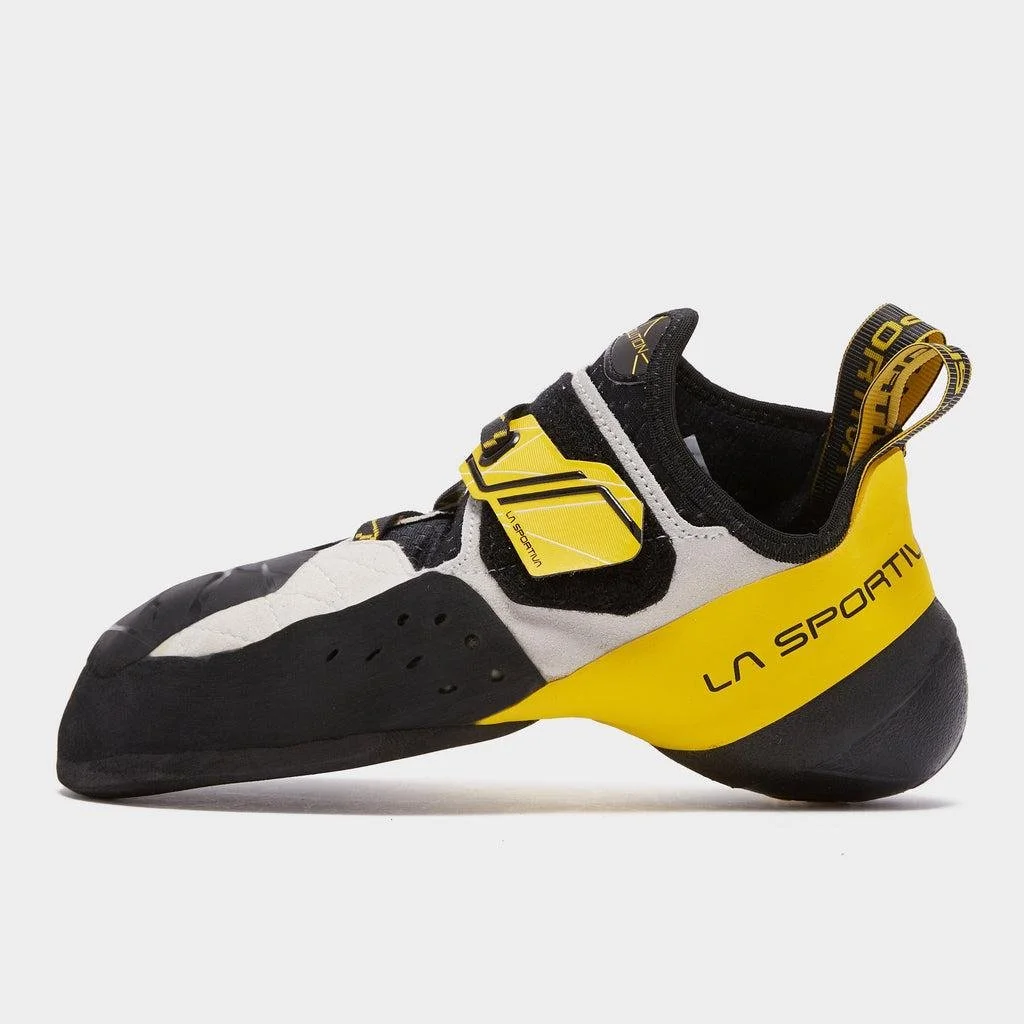
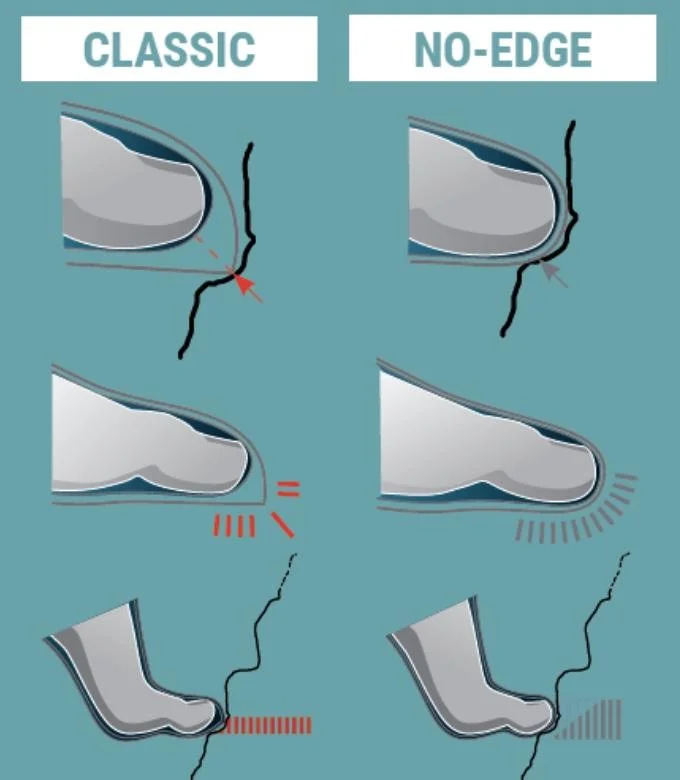
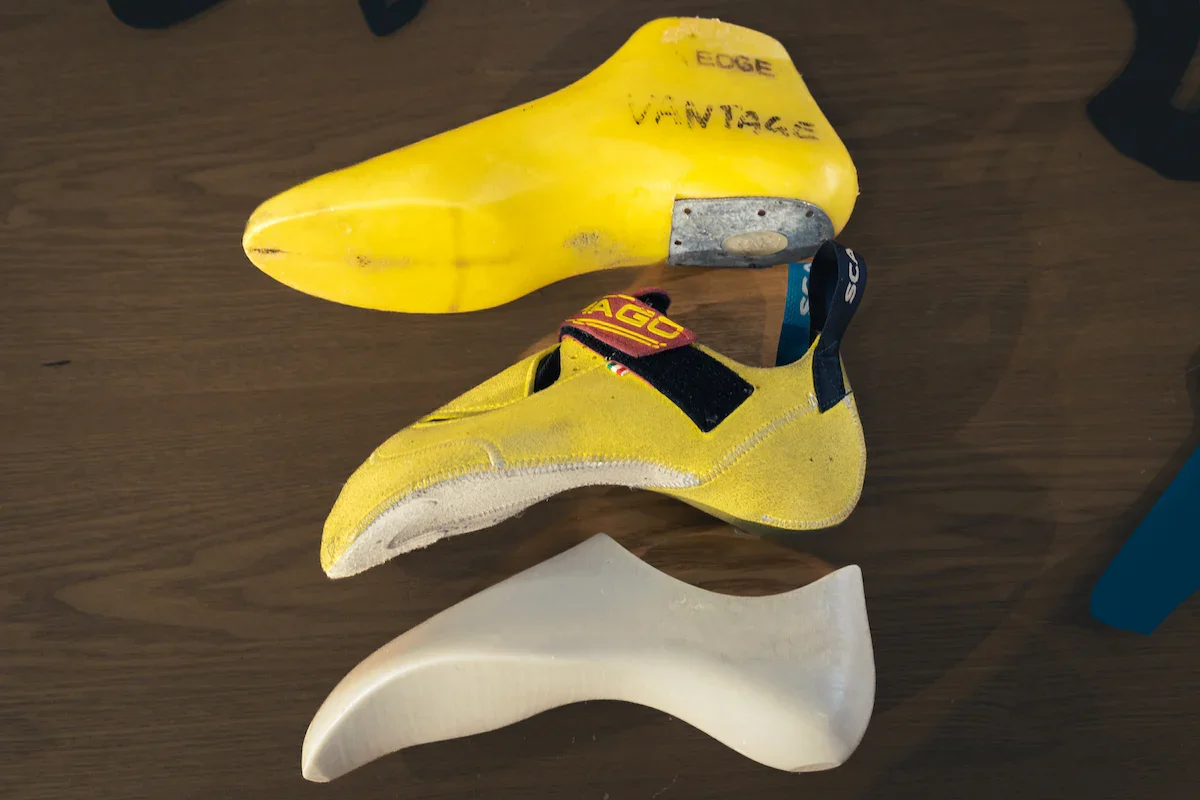
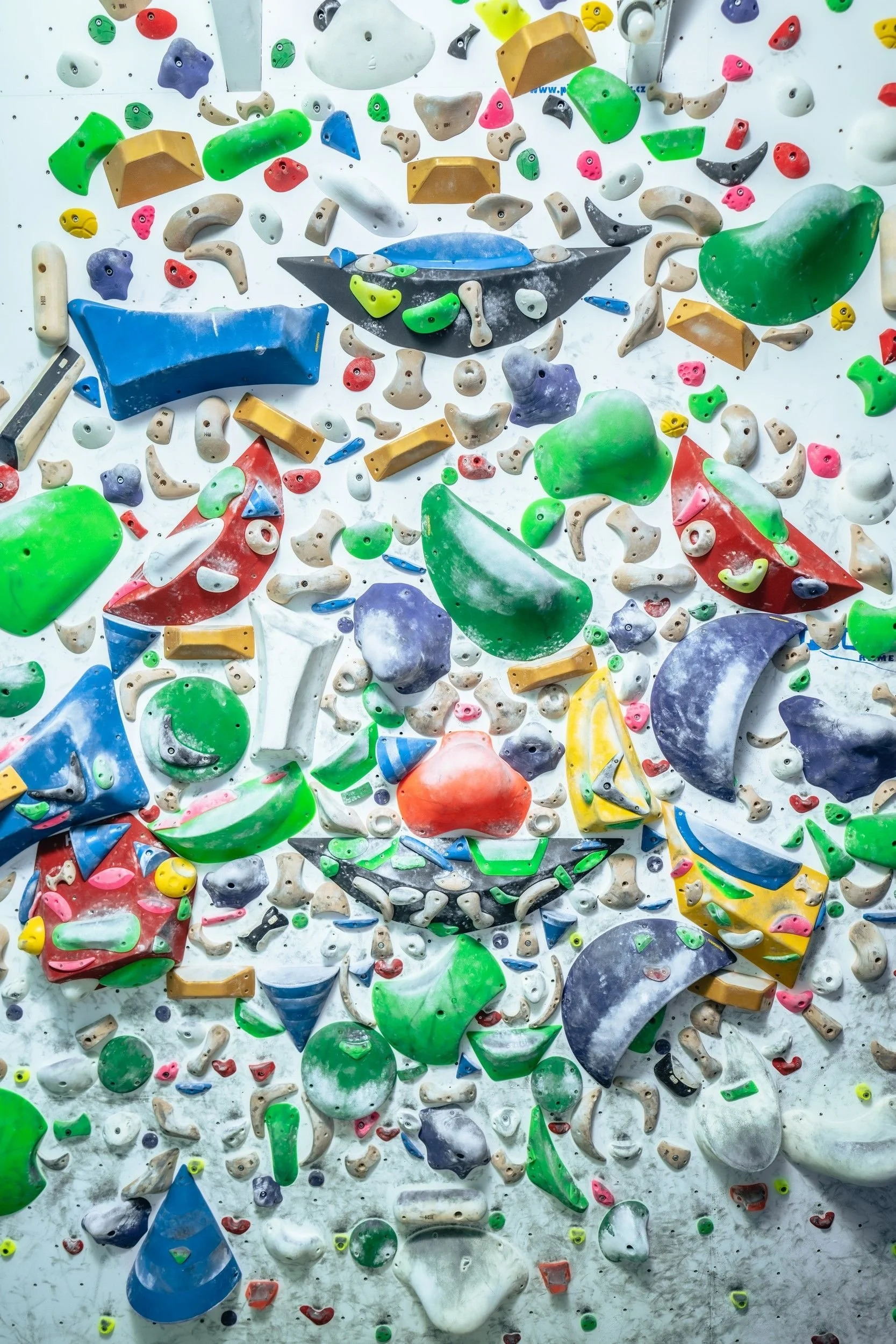
Softer rubbers come with a cost. They wear faster, glaze when overheated, and pick up dirt on dusty rock. By the 2000s and 2010s climbers increasingly accepted that tradeoff. Indoor training and competition movement amplified the demand for sensitivity. The Scarpa Drago, released in 2016, became a symbol of that shift as an ultra soft shoe that still remained precise. La Sportiva's No-Edge concept removed the traditional sole edge and replaced it with a rounded contact profile, allowing the rubber to meet the rock more directly. Love it or hate it, the idea reflects the same obsession that runs through modern climbing shoe design and what happens at the boundary where rubber meets rock
As climbing shoes became more technical, another shift was happening around the sport itself. Climbing began moving into the mainstream, and with it came money. In the early days there was almost none in the category. While it still pales in comparison to something like basketball footwear, the rapid growth of indoor climbing gyms dramatically expanded demand for shoes. As the sport grows and money flows in, the products become more visible and the technical details of climbing shoes begin to stand out beyond the sport itself.
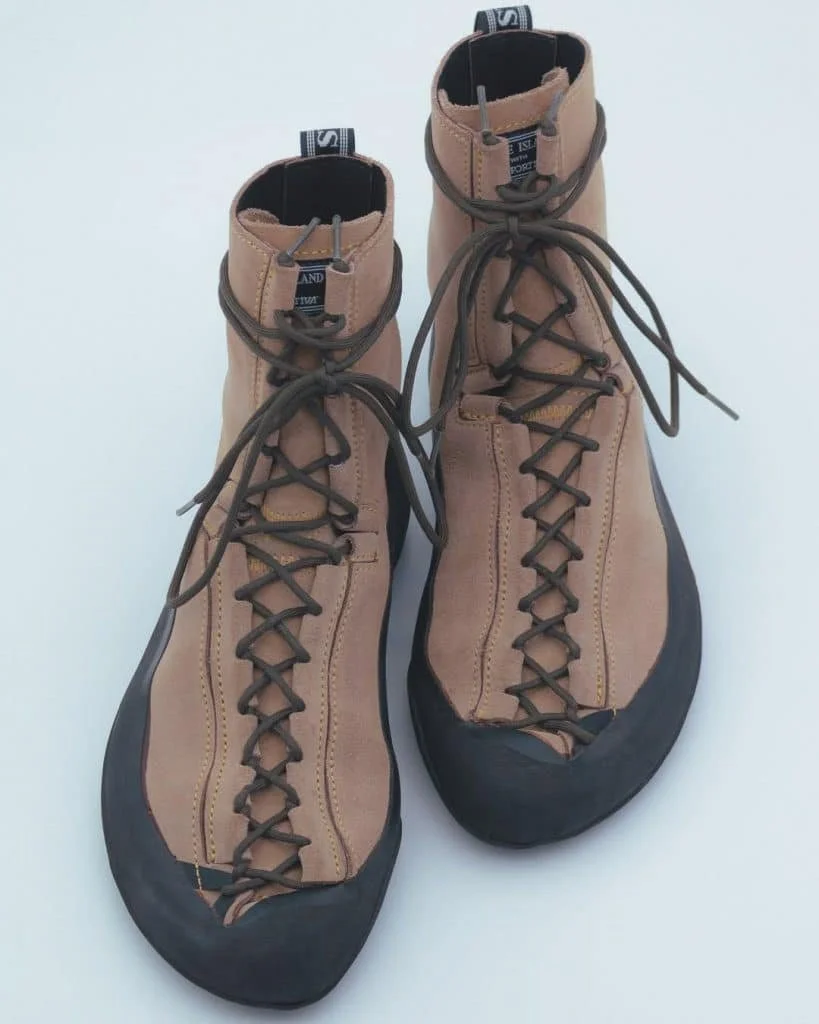
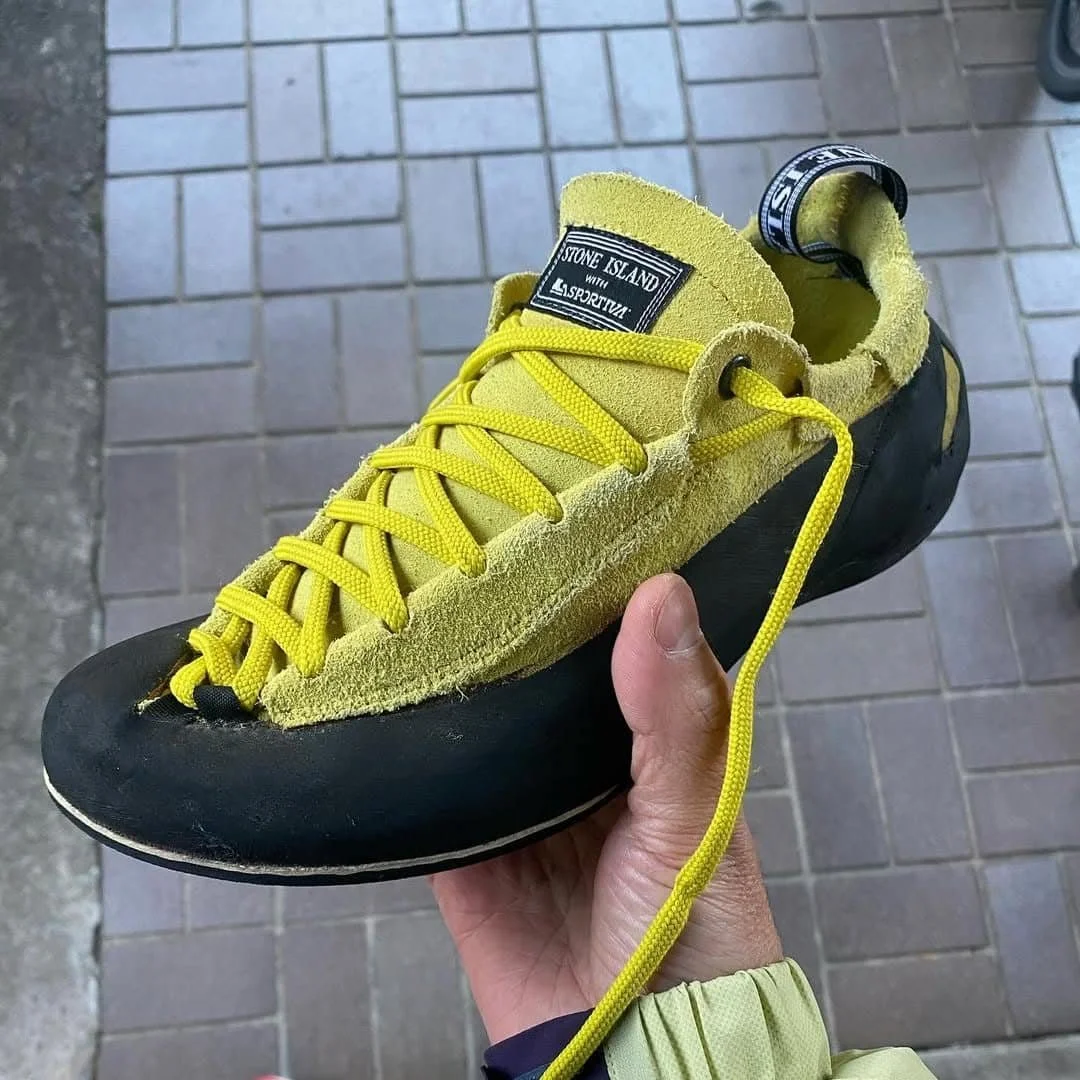
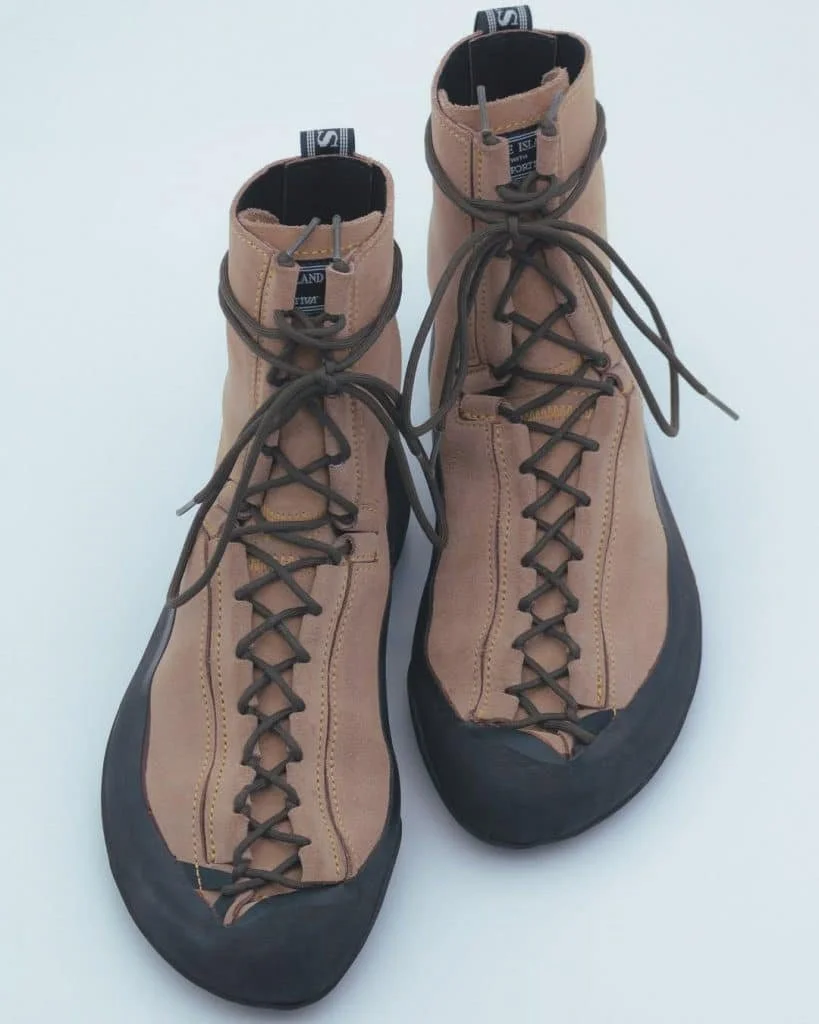
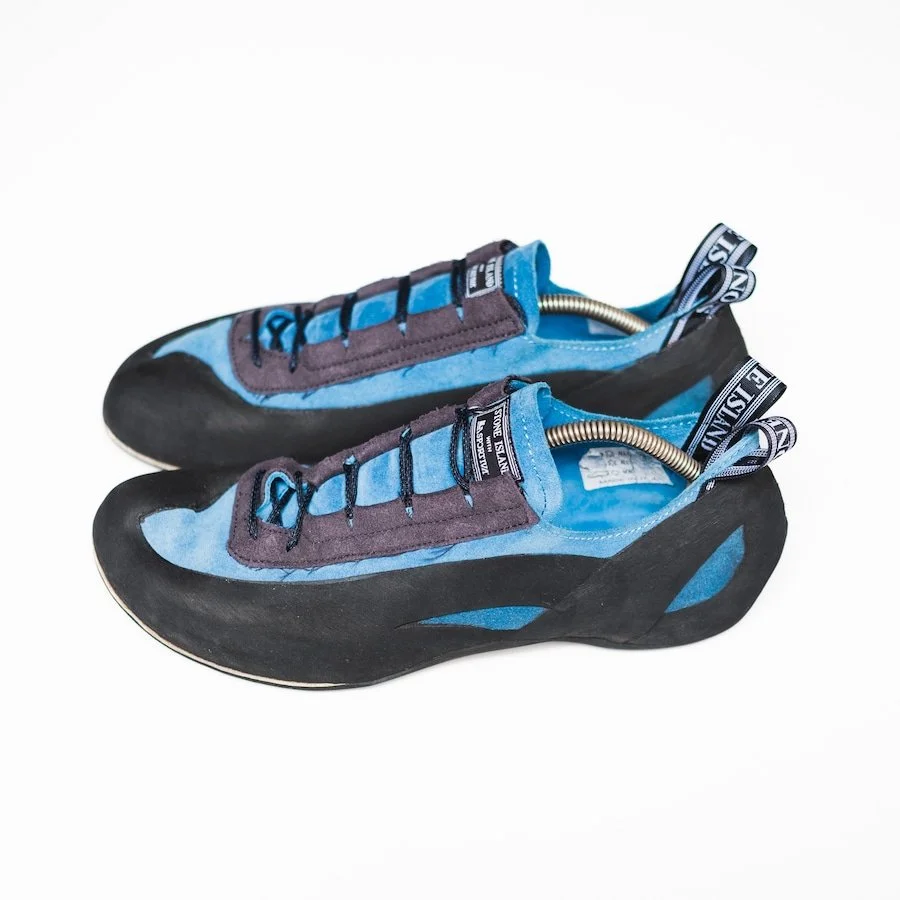
By the late 1990s, outdoors coded footwear began colliding with broader style culture. In 2004 Stone Island collaborated with La Sportiva on climbing shoe silhouettes bearing its compass badge. This was before the term gorp core had been coined but it was a hint. A technical mountain object entered street coded territory. That is where Part 02 lands. Sticky rubber raised the ceiling of what climbers could stand on. It forced footwear to evolve into a controlled system of rubber and structure. And it set the conditions for a later cultural migration, where the same technical signals that once belonged exclusively to the cliff could move into the street.