
Mind Your Step : Bio-bonding
From Glue to Growth
Written by Leah Balagopal
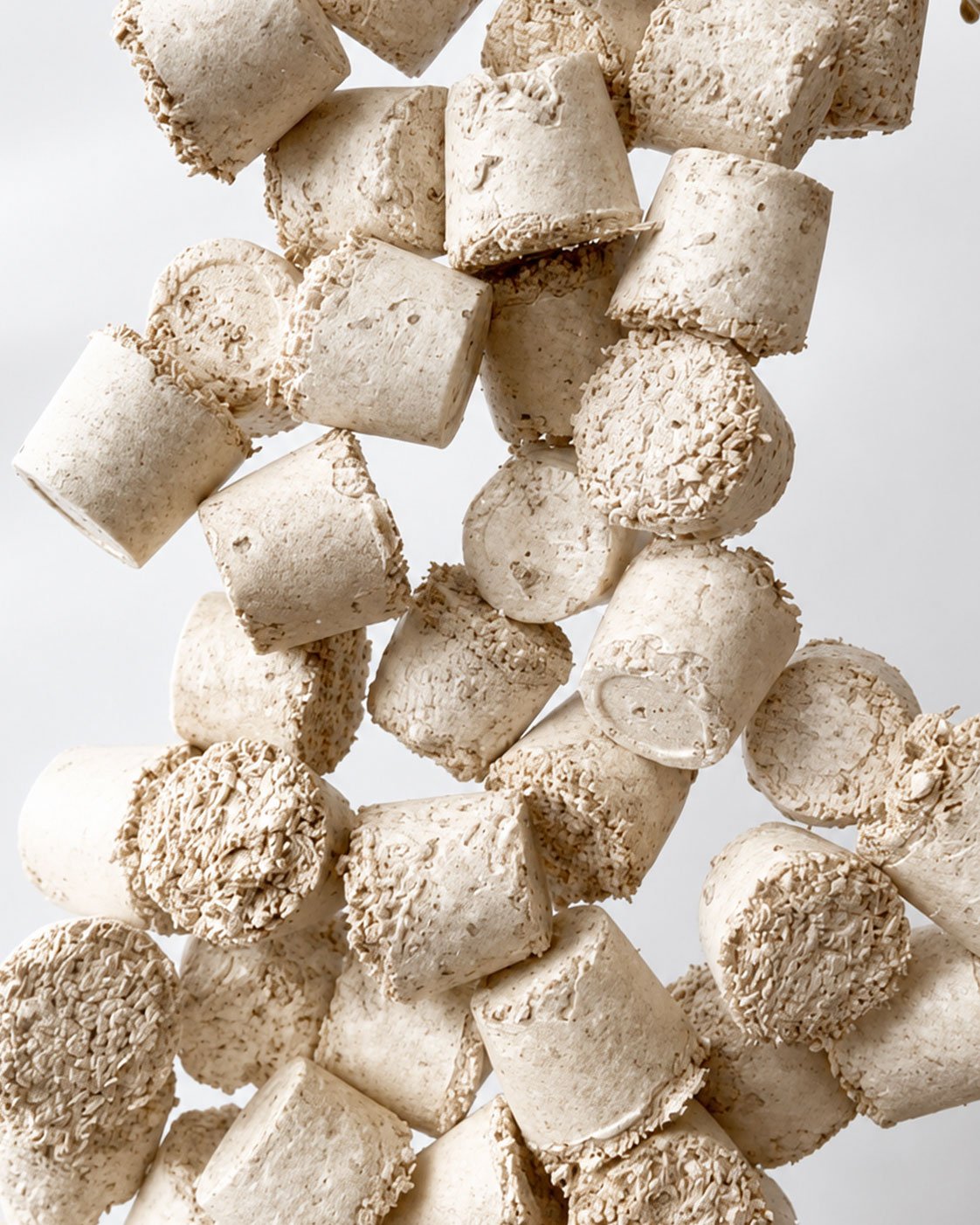
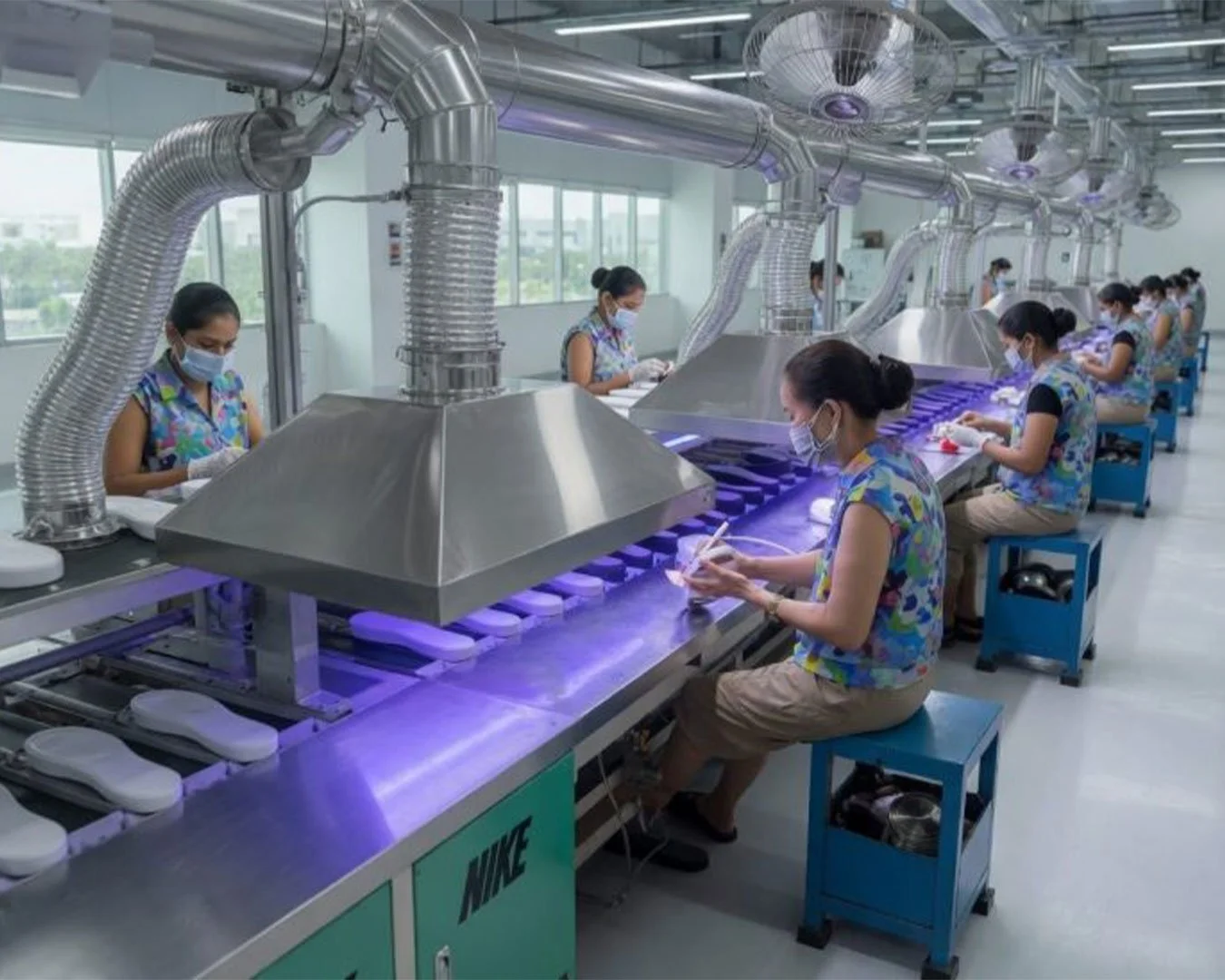
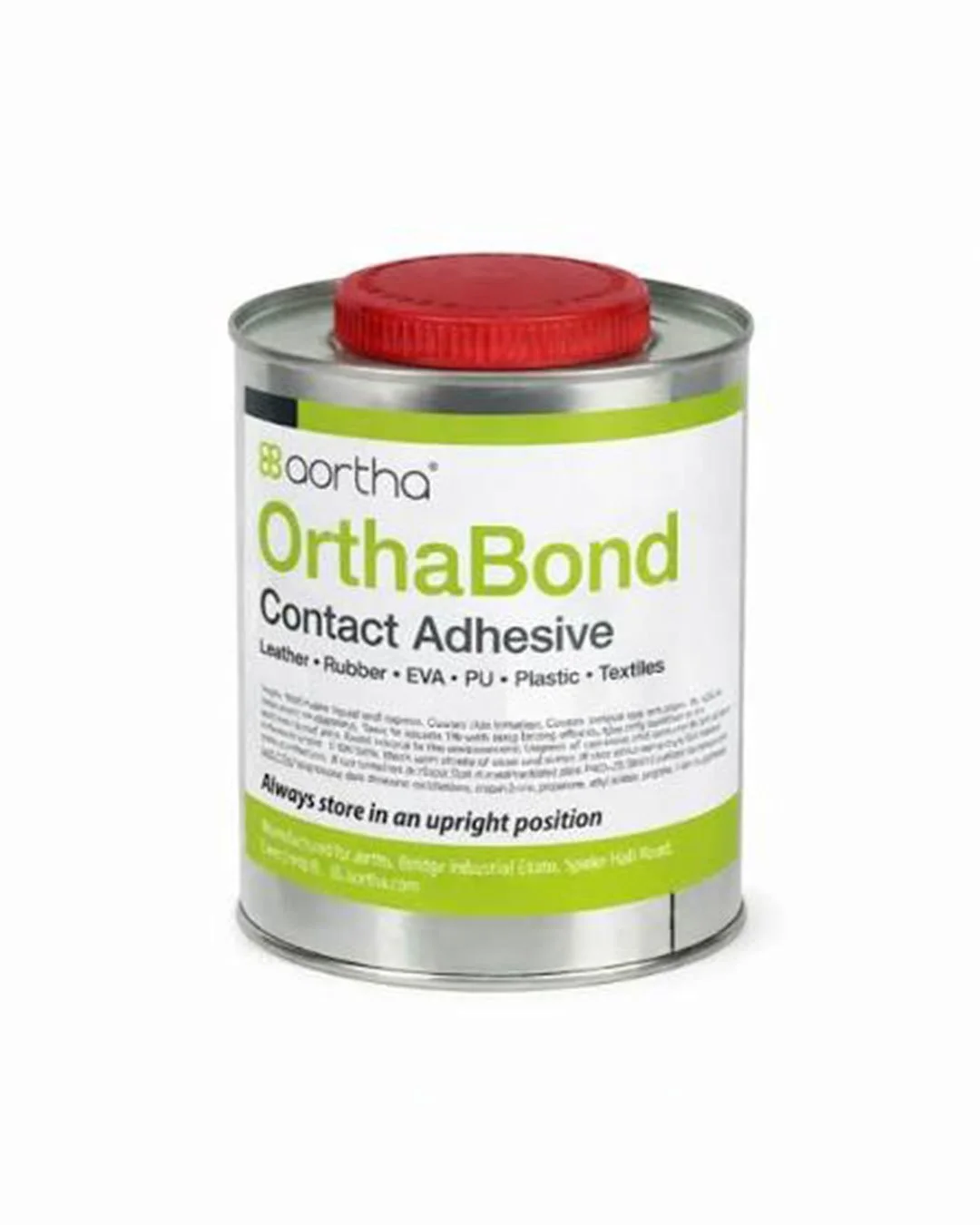
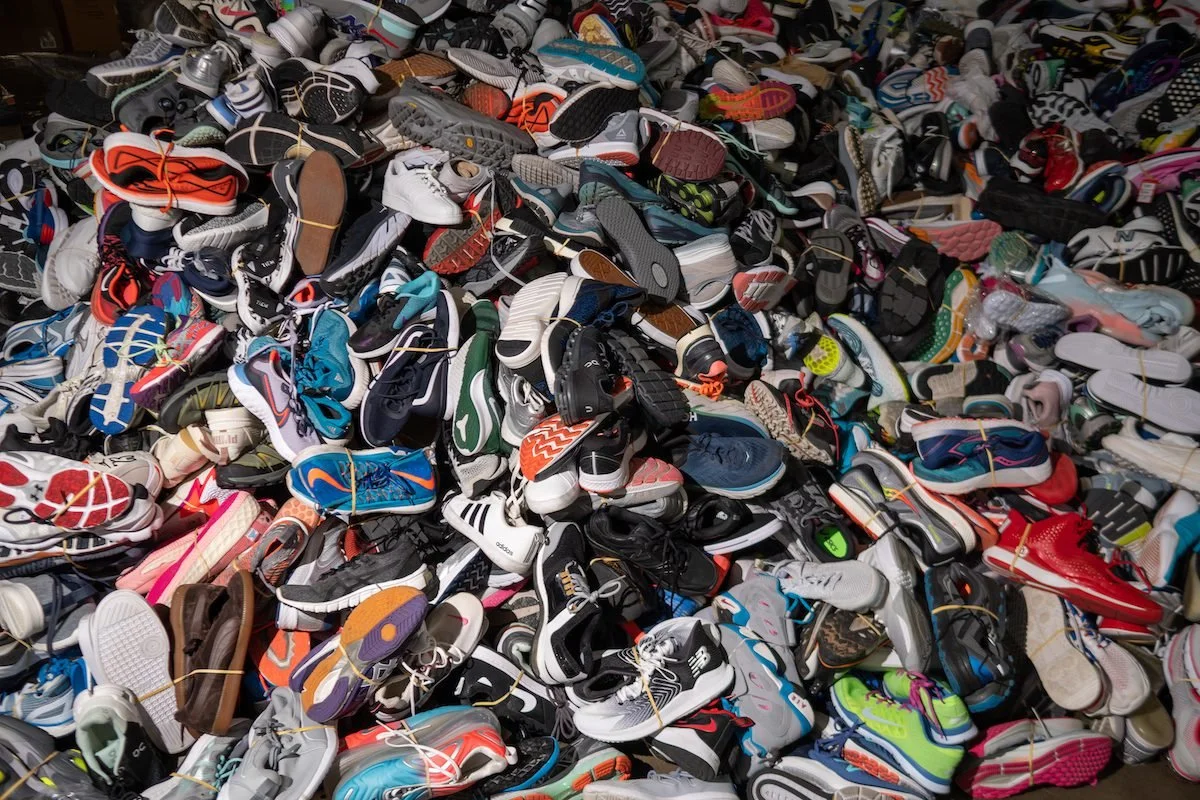
Most modern shoes are held together by glue. It is such a familiar part of footwear construction that often remains behind the scenes when conversations tend to focus on design and performance. The adhesive layers, although hidden, have been one of the key enablers of modern footwear manufacturing. It is what allows brands to assemble increasingly complex products cheaply and at enormous scale. These synthetic adhesives however, have also become one of the biggest obstacles to circularity and a significant source of chemical waste. Today, we're taking a deep dive into the adhesive of the future, or more precisely, the future in which there isn't one.



Bio-bonding
Bio-bonding is a term you may have come across, typically trailing a cloud of green brand language that makes it easy to dismiss. Words like sustainable, circular, and responsible start to lose their meaning when they are repeatedly slapped onto consumer goods that are still designed for mass production and, more often than not, destined for landfill.
The recycled version is nice in theory but not always as good in use. Maybe that is cynical, but I suspect a lot of people carry that assumption, even when they care deeply about the environmental argument. The deodorant works until there's a heat wave in summer and the paper straw gives up halfway through your drink. The ecological alternative is often associated with some kind of performance tax.
Like many technologies with the word "bio" attached to them, it quickly gets flattened into sustainability messaging. What matters is not whether it sounds greener than conventional adhesives, but whether it can make a better shoe. Rather than relying on an additional layer of glue, researchers and manufacturers are exploring ways for materials to fuse, weld, grow, or chemically connect on their own, potentially changing not only how footwear is assembled, but how it performs and how it is eventually taken apart.
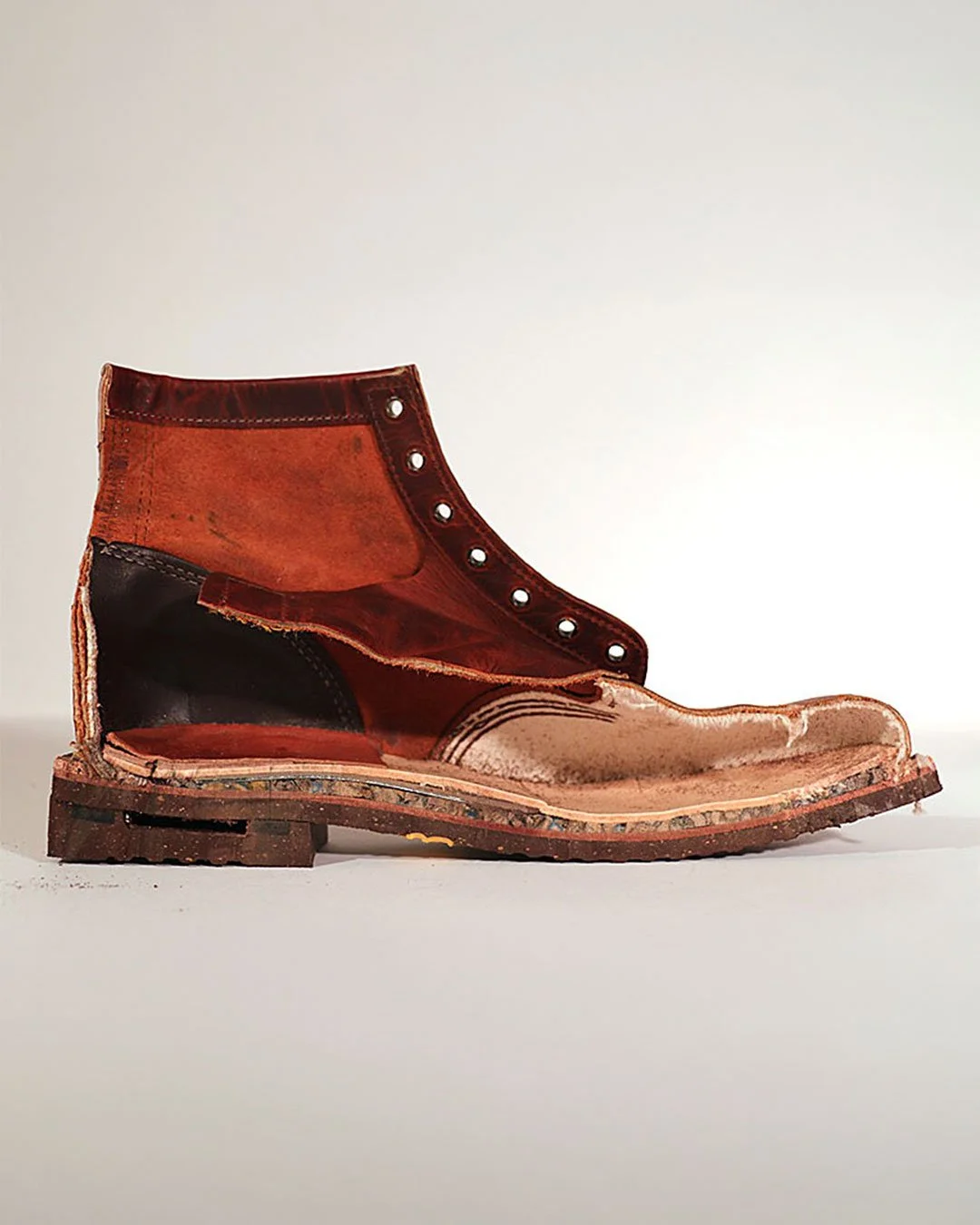
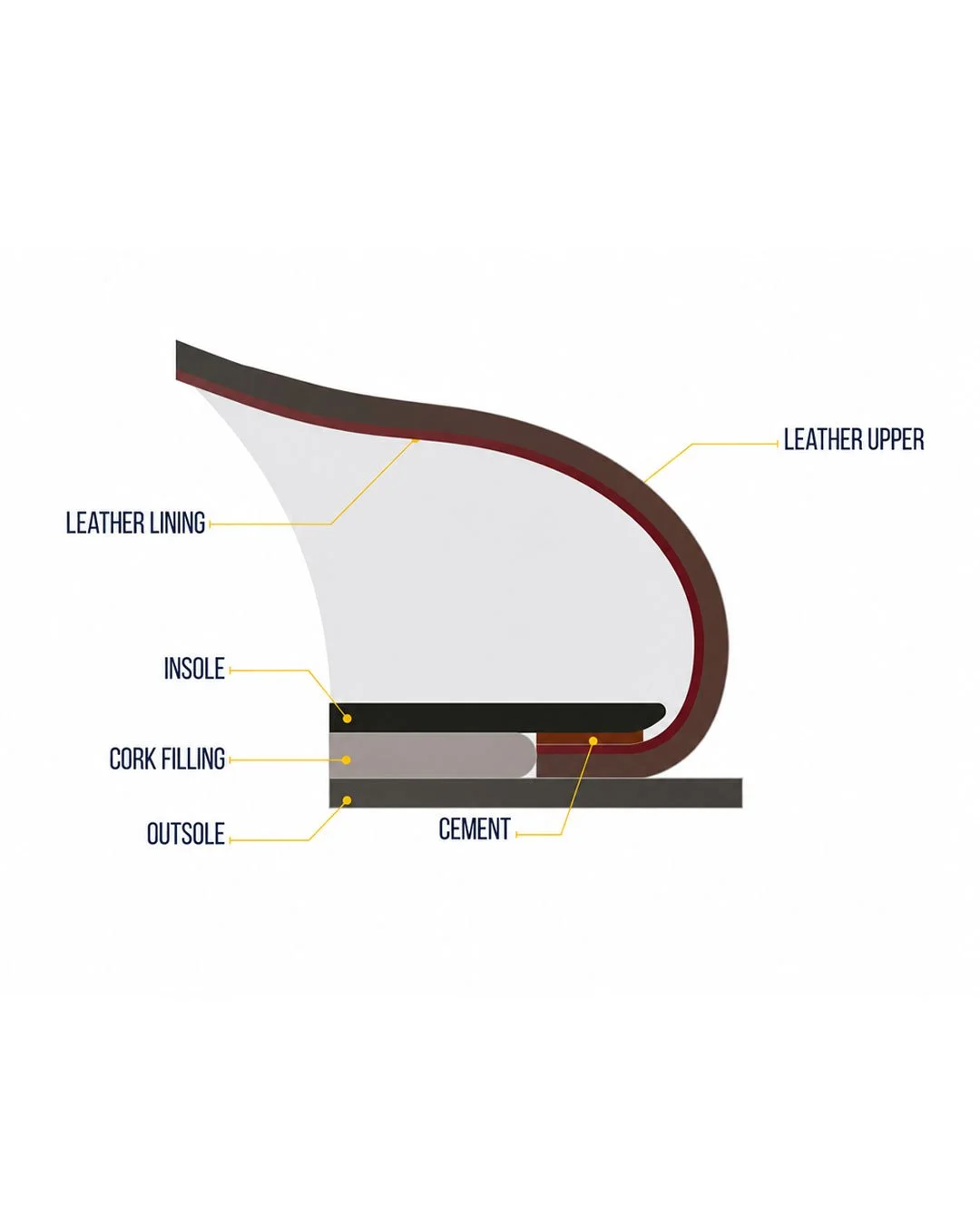
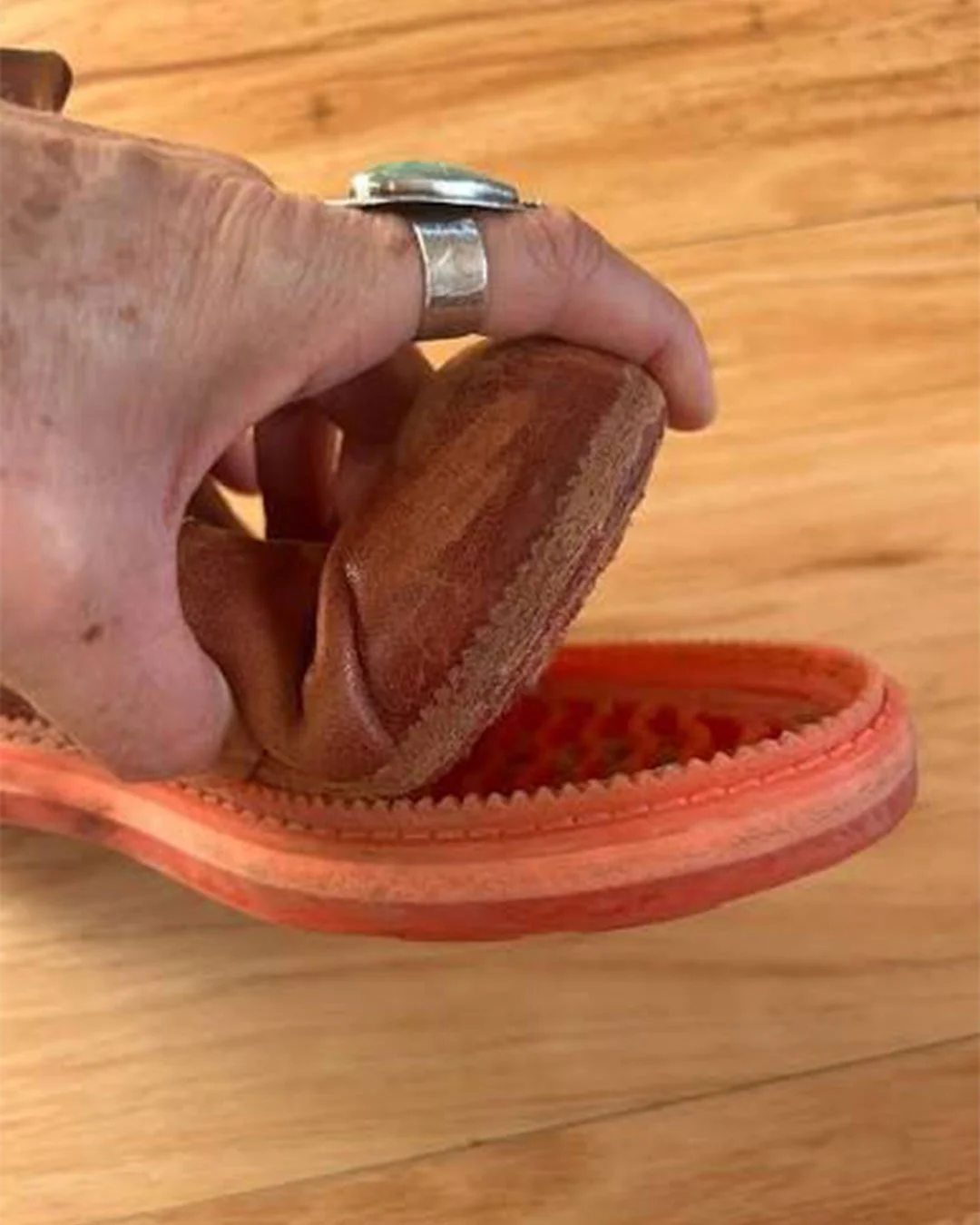
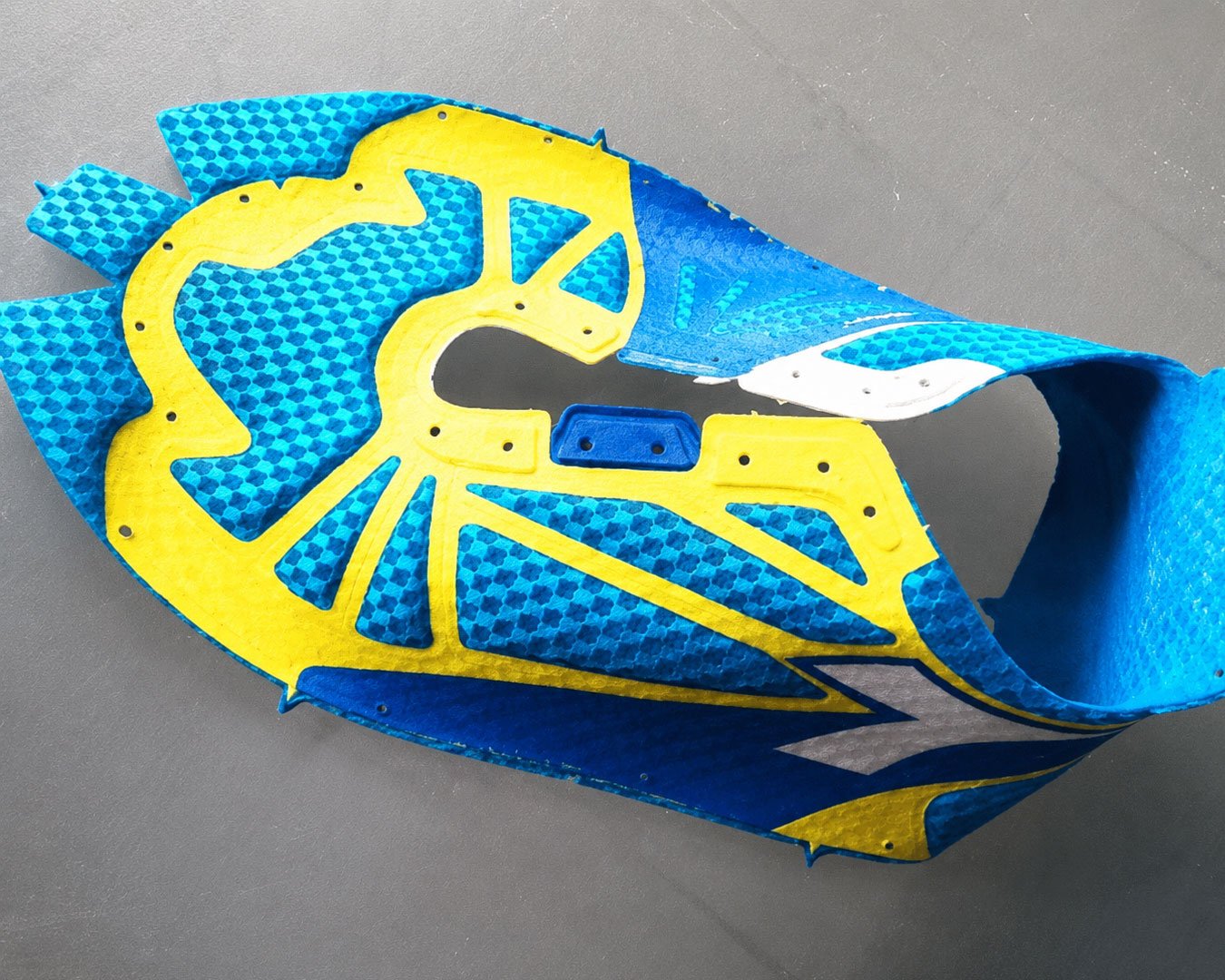
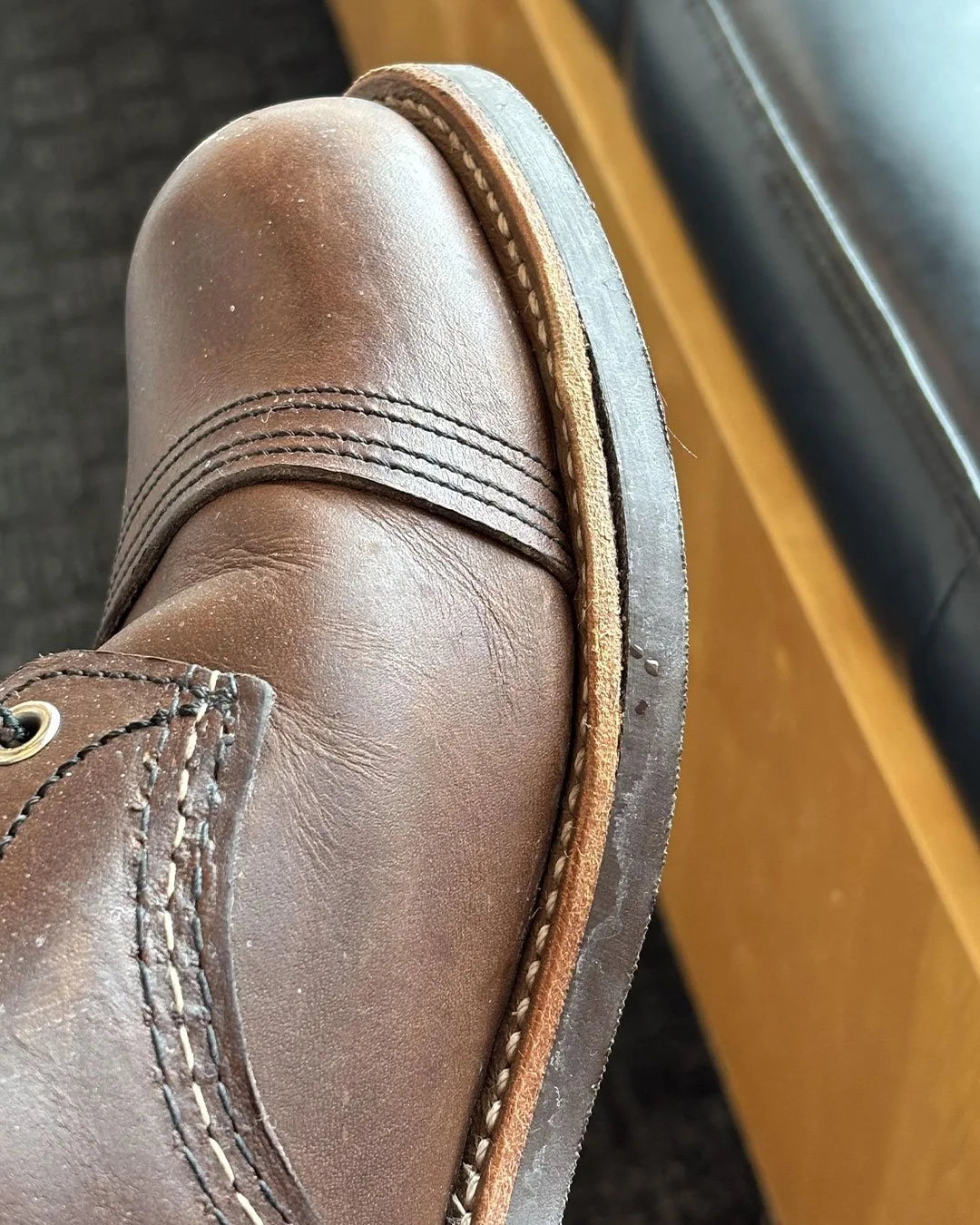
Which brings us back to the glue. That adhesive layer is useful, obviously, but it also introduces a material into a relationship that was already complicated. You have the upper, you have the sole, and then you have a chemical layer sitting between them with its own aging behaviour, flexibility limits and failure points. Anyone who has worn a shoe until the sole starts peeling knows this intuitively.
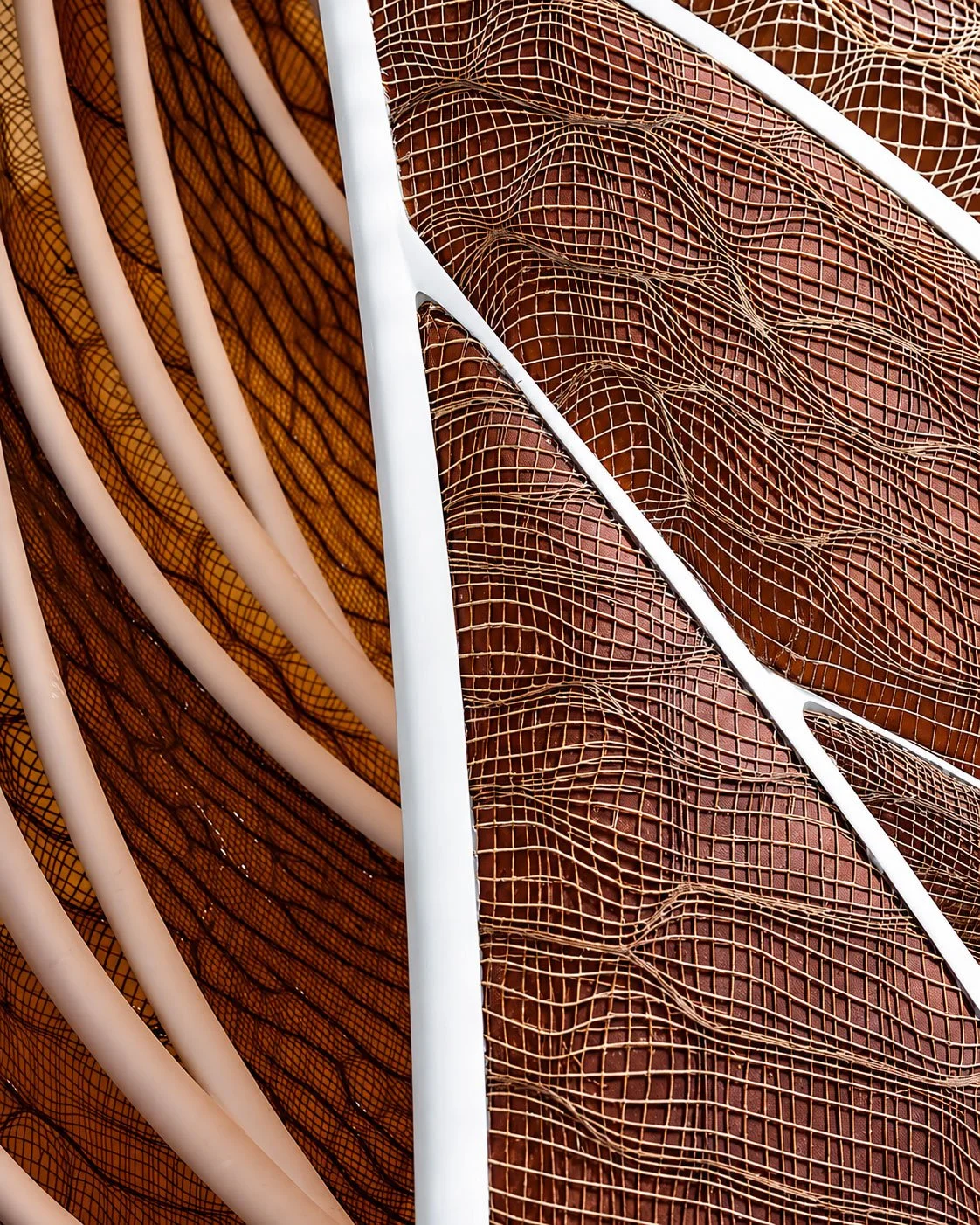
The obvious question, then, is whether that intermediate layer is necessary at all. If materials could be bonded directly to one another in a way that outperformed traditional adhesives or simple stitching, the environmental benefits could be significant. A better bond could also mean a better shoe.
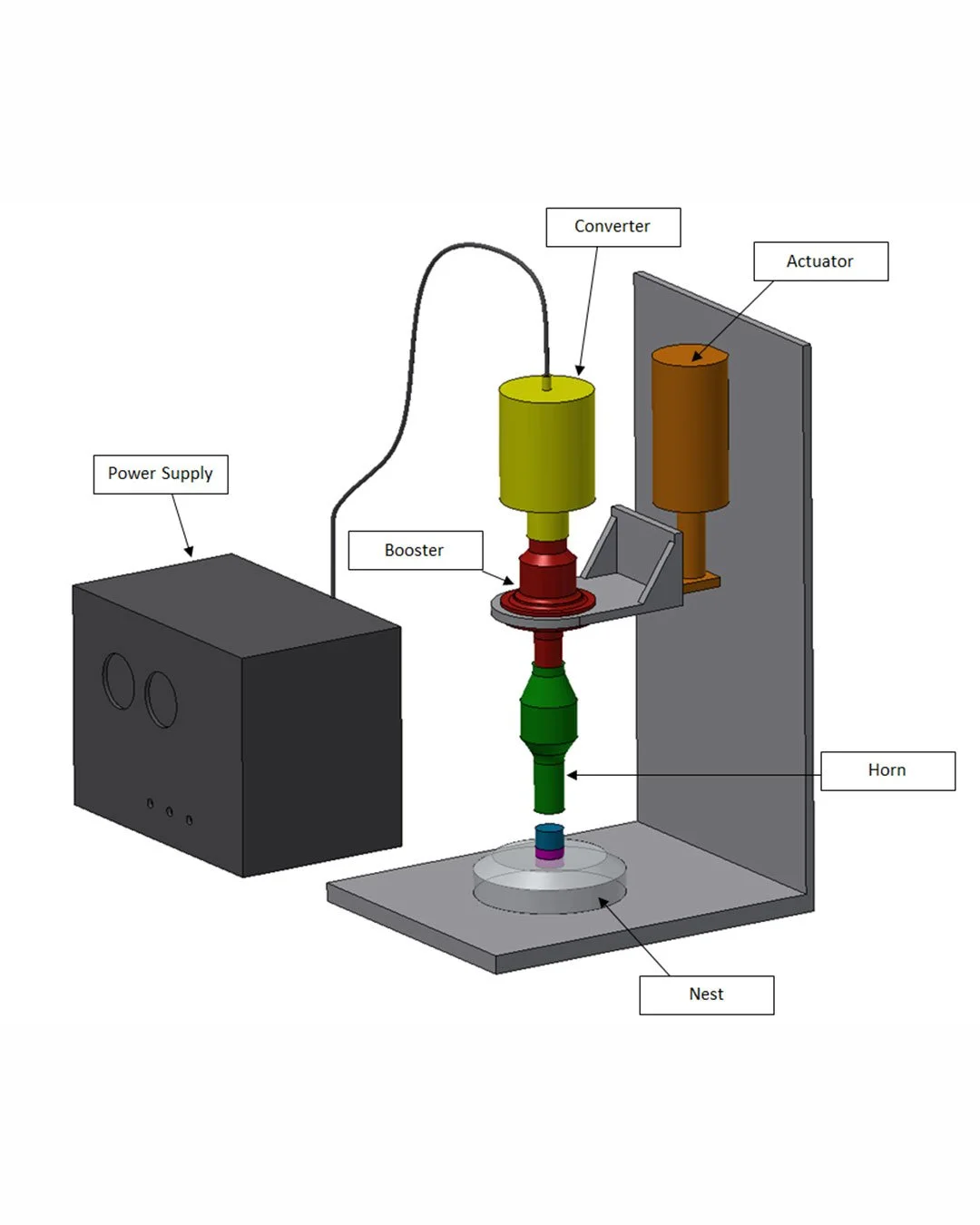
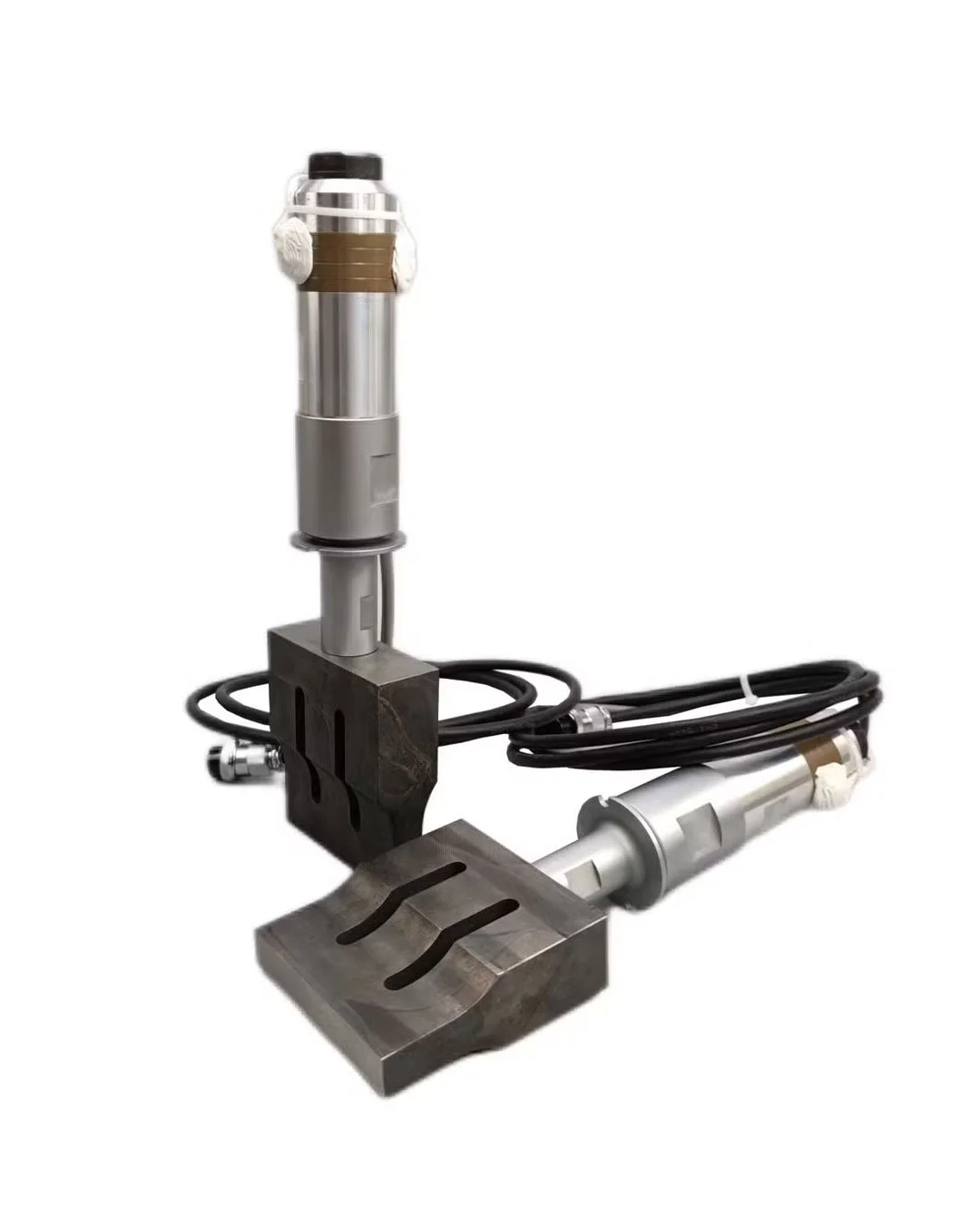
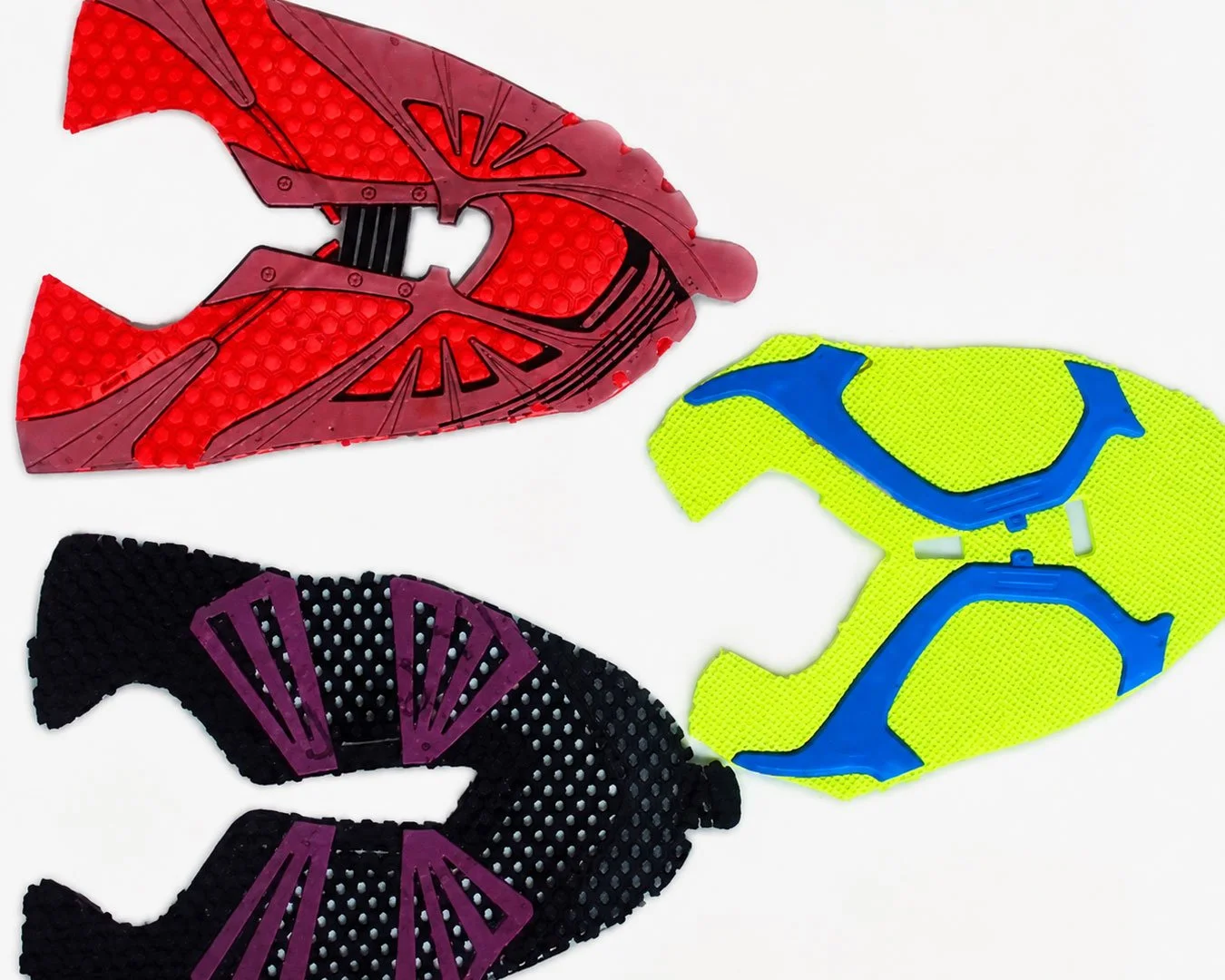
The most practical place to start is ultrasonic welding, partly because it already exists outside of the more speculative biomaterial conversation. The basic idea is that thermoplastic materials can be joined with high-frequency mechanical vibrations. The parts are held together under pressure, the vibration creates localised heat at the joint, and the materials soften enough to fuse. When the vibration stops, the material cools and the joint sets.
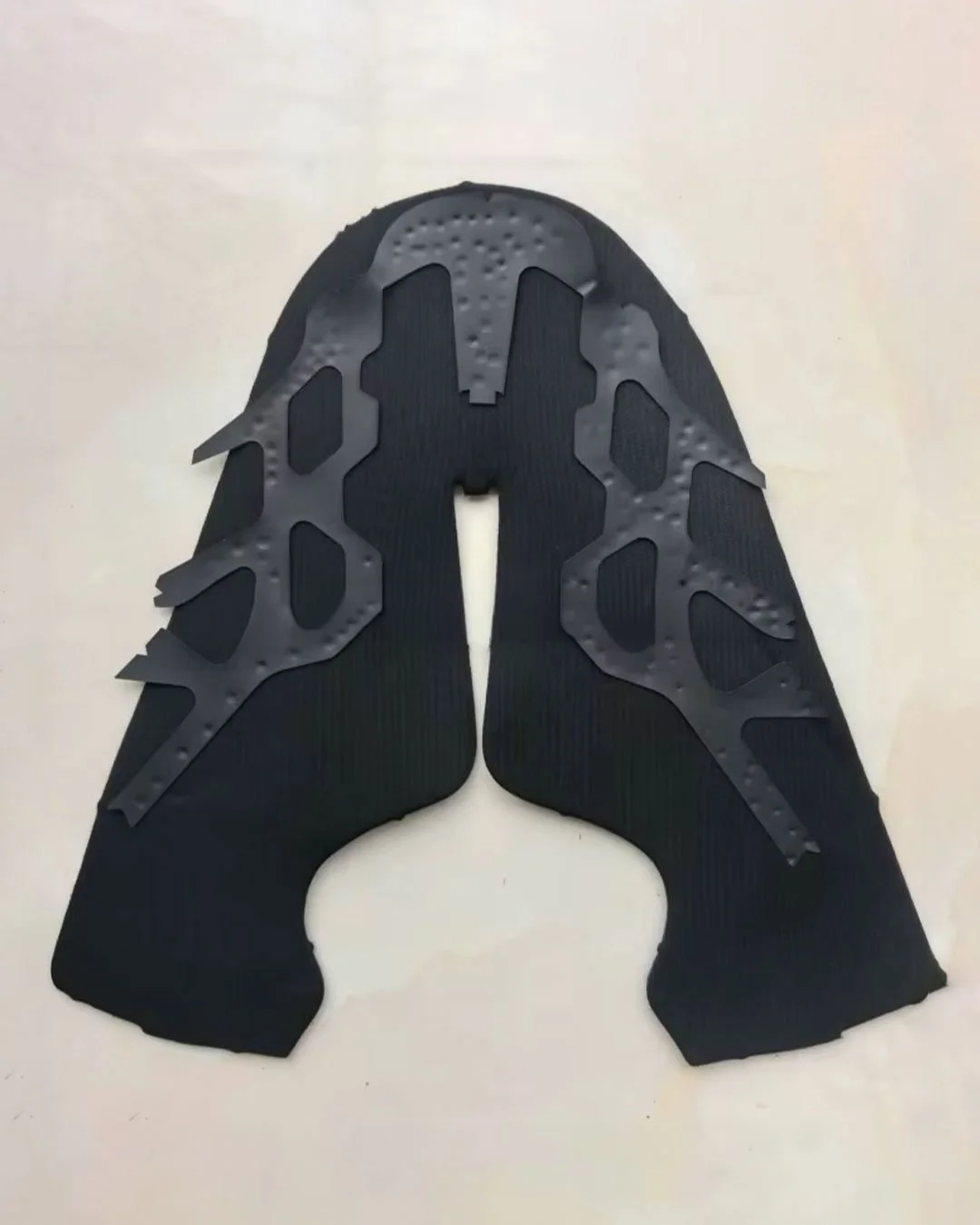
What makes this interesting for footwear is that it removes an adhesive step and changes what the joint is. The bond comes from the materials already present in the shoe. That sounds like a small difference, but it affects almost everything, including weight, thickness, recyclability, seam placement, and the way reinforcement can be mapped across the upper.
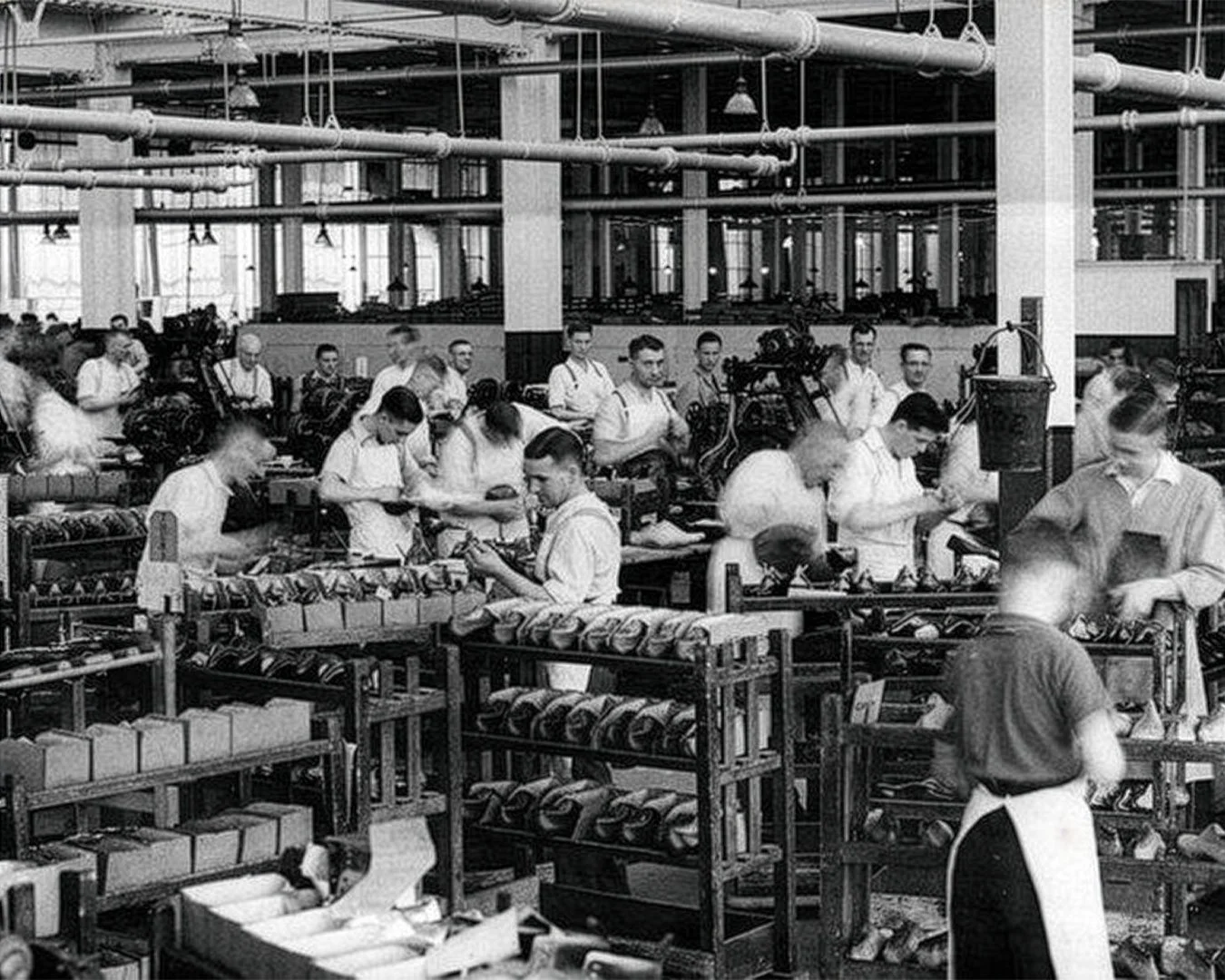
Traditional construction often works by building up layers. Some of that is beautiful, especially in older footwear traditions where the construction is part of the craft. But in a lot of contemporary footwear, the layers are there because of the way products are made rather than because they are necessary to the design. With welding, the joint can become thinner and more direct. It can also stay closer to a mono-material system, which is a big deal if the end goal is to recycle or reprocess anything properly. For a category that has spent decades accepting hidden complexity as normal, that is a meaningful shift.

Designing Material
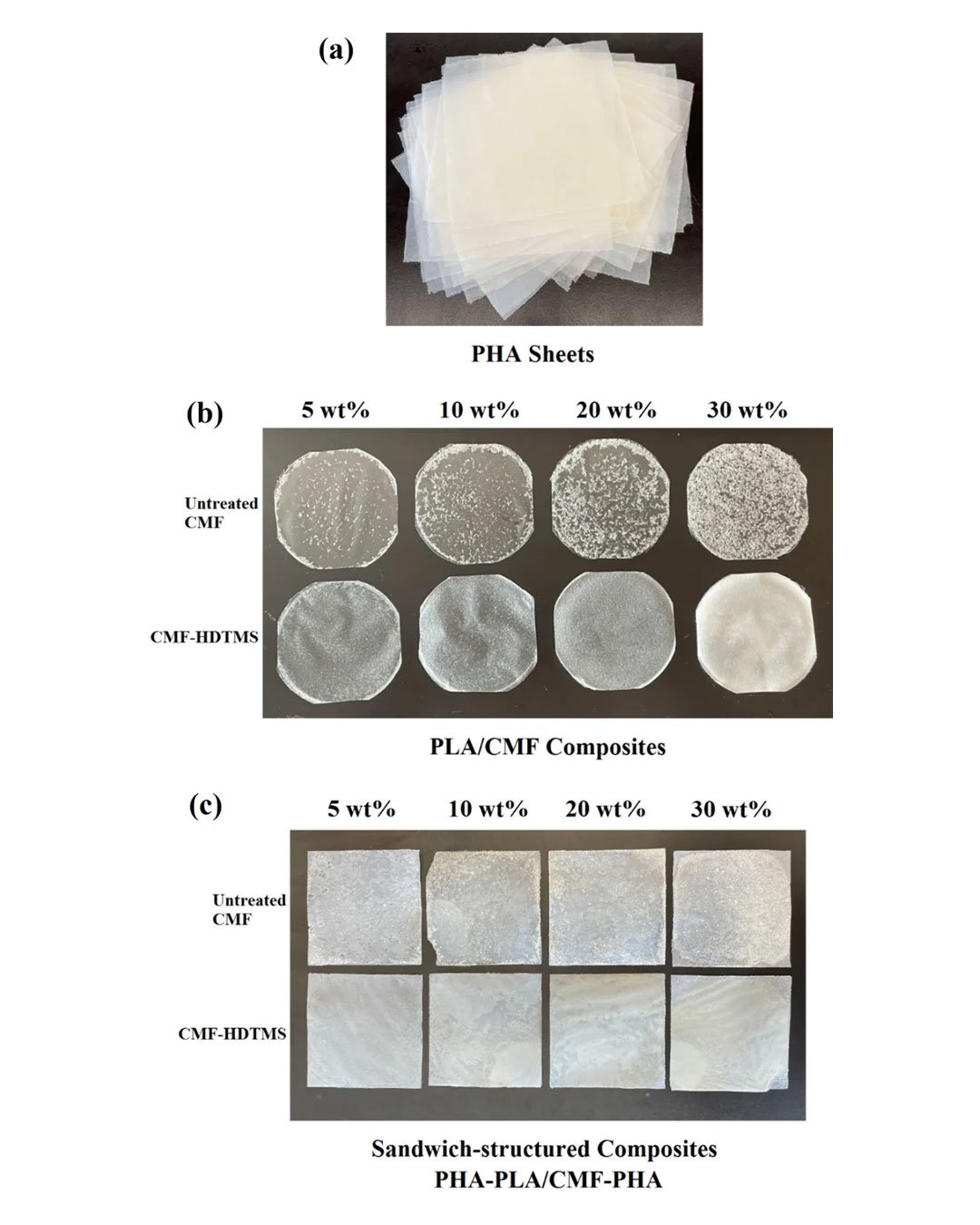
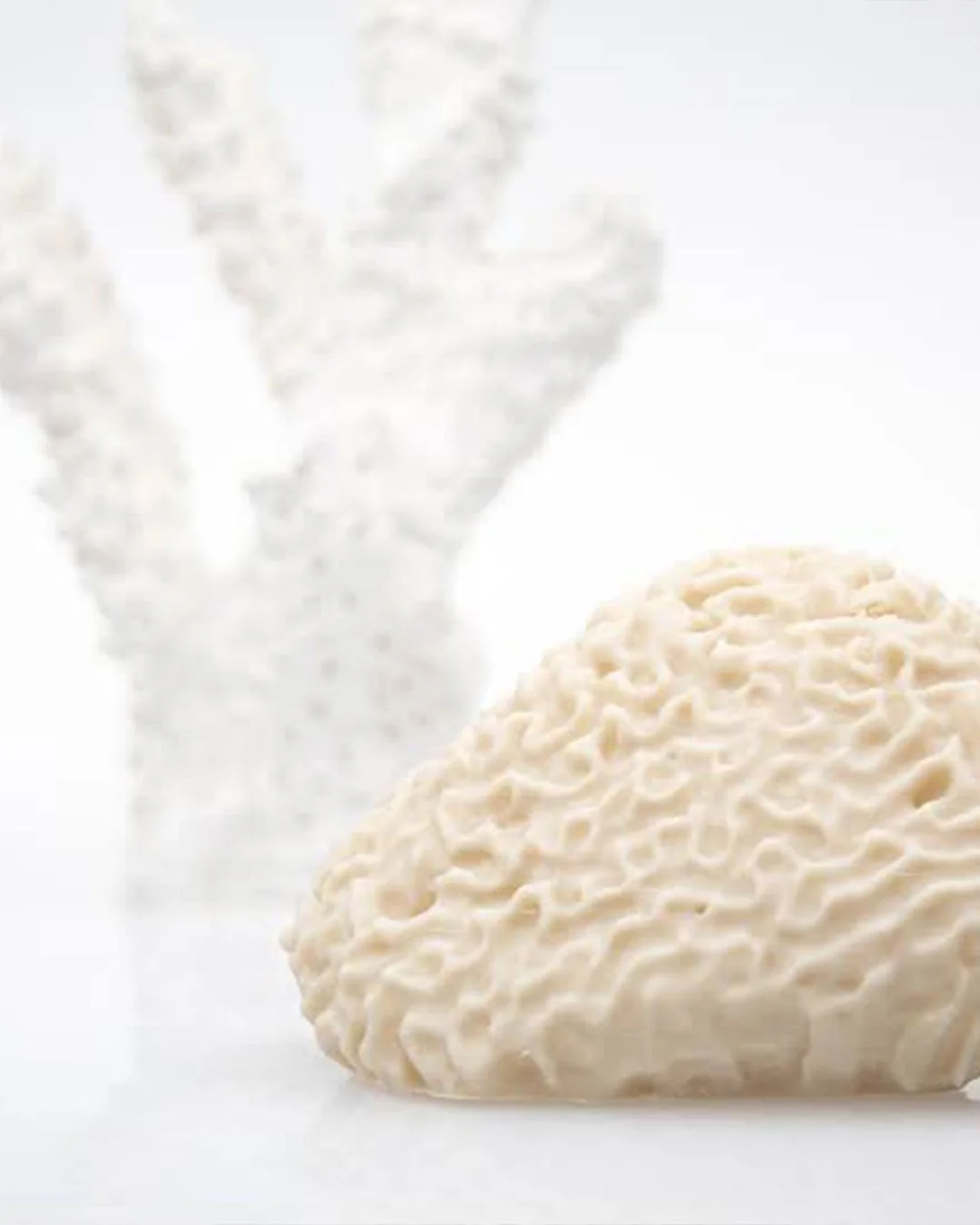
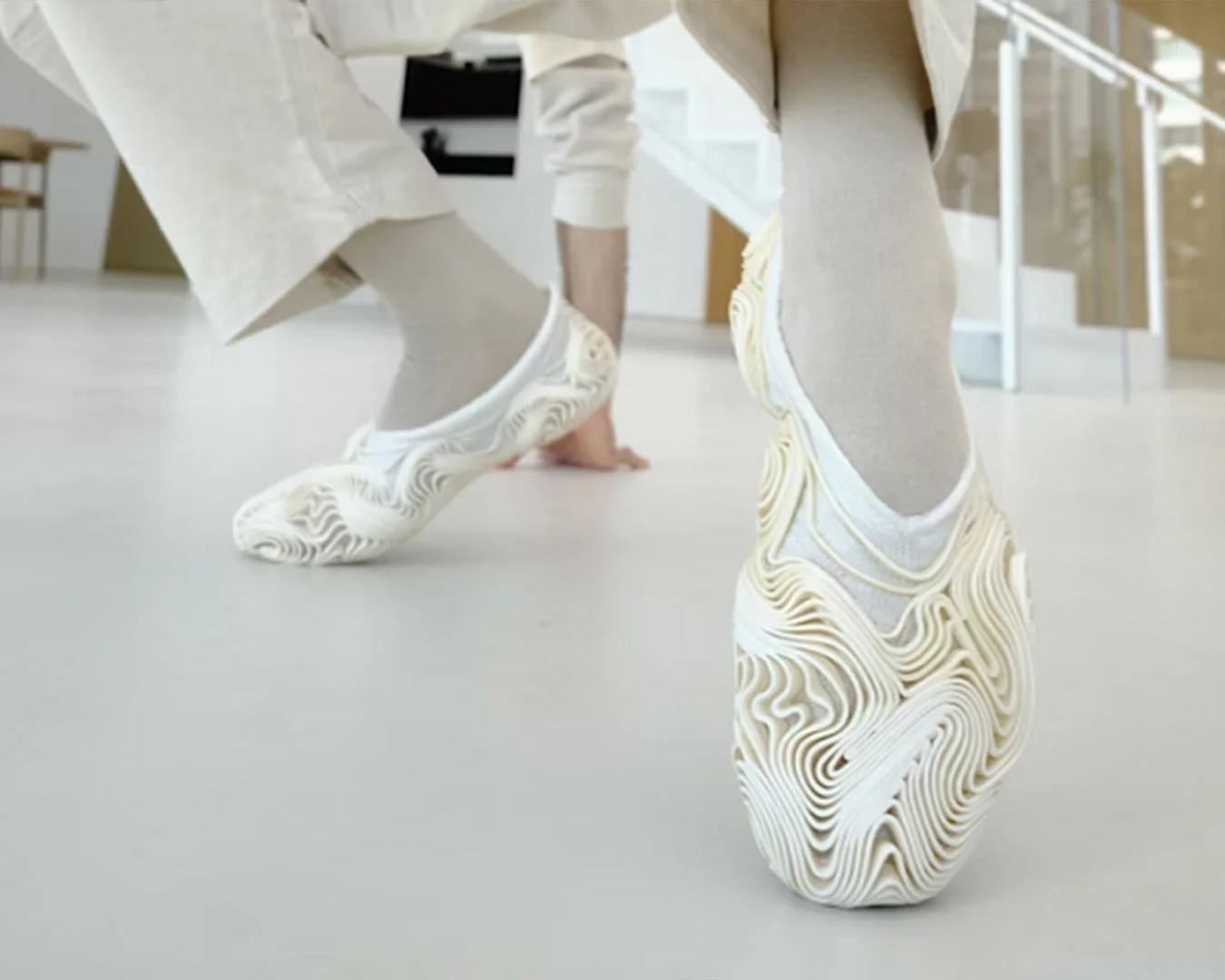
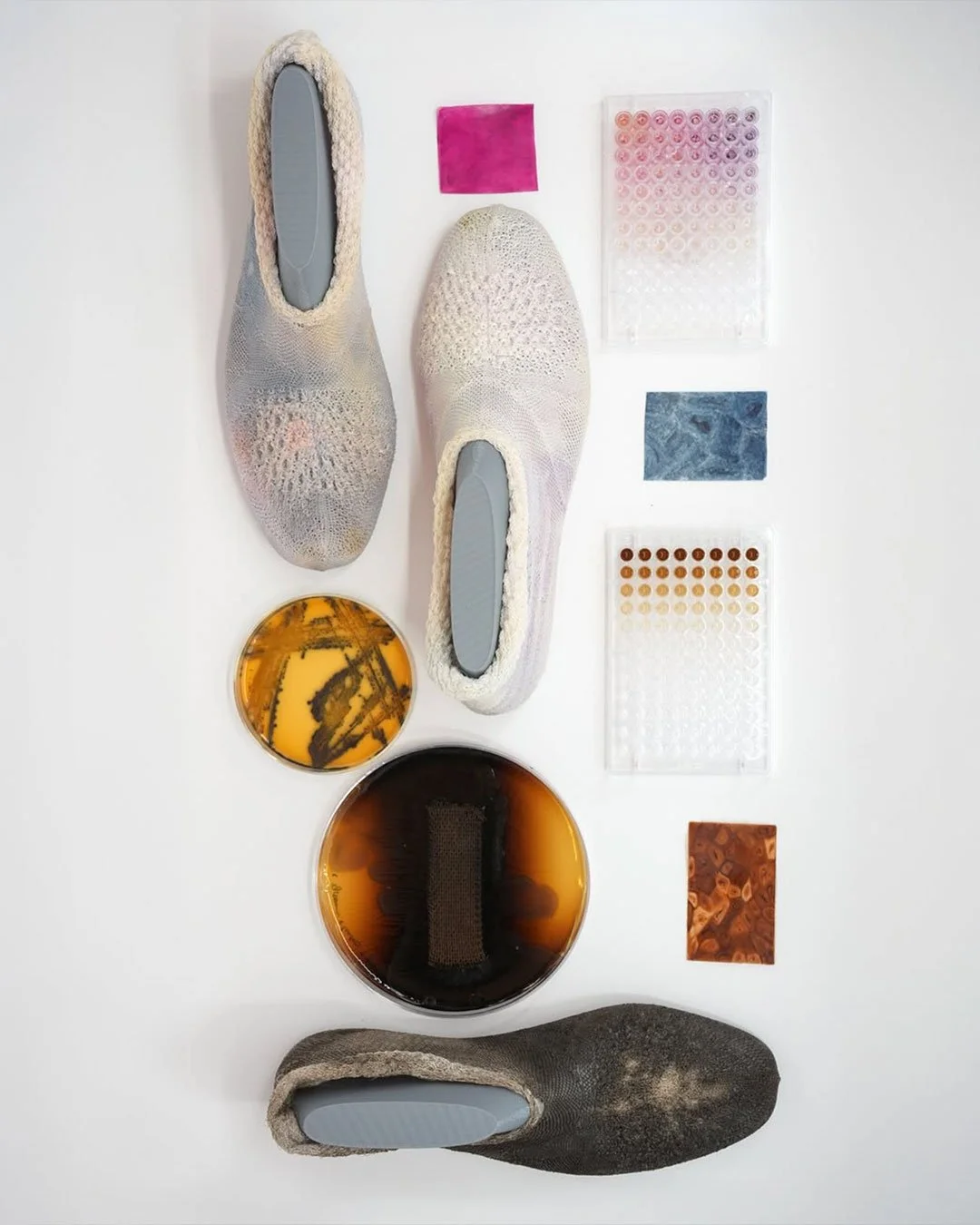
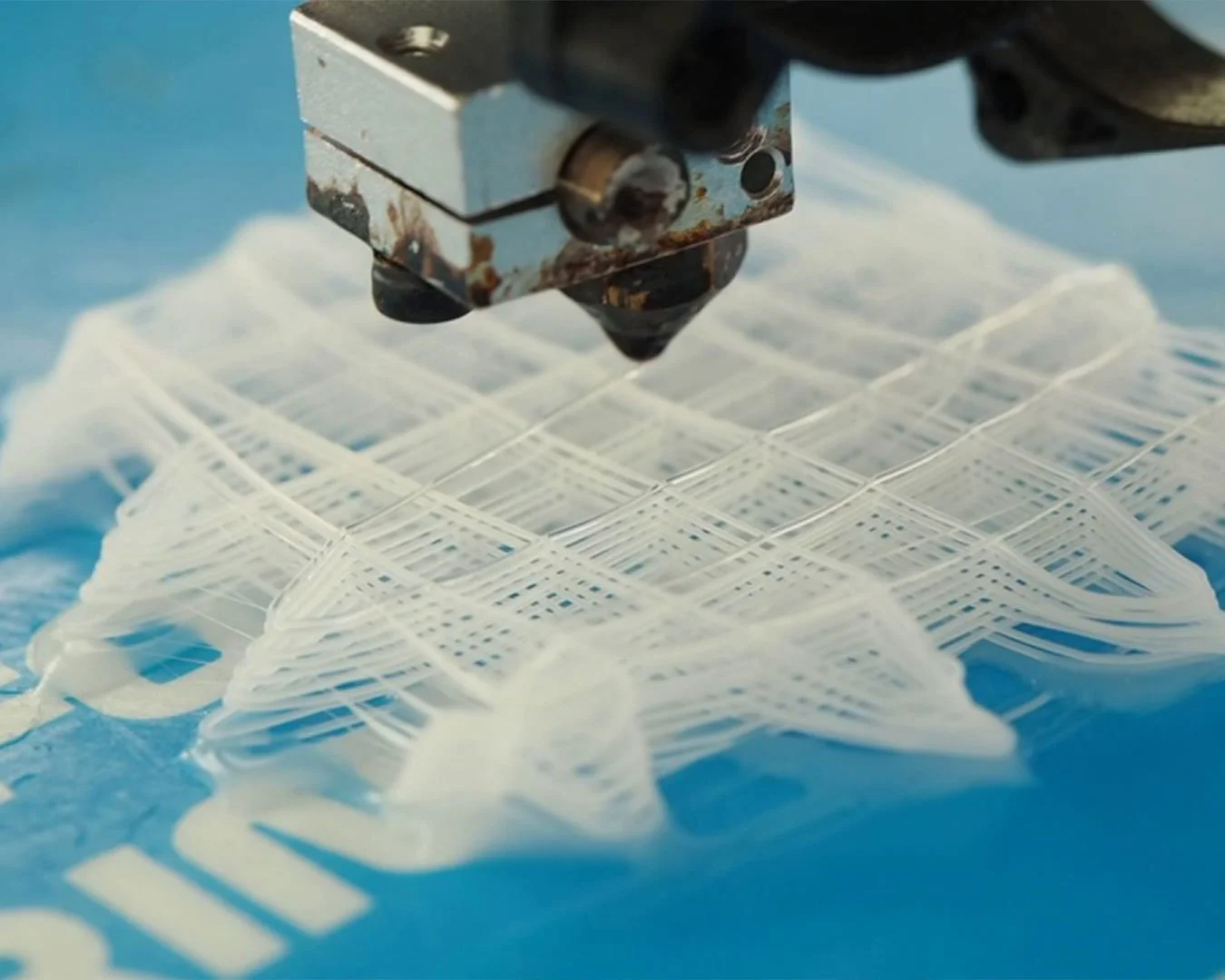
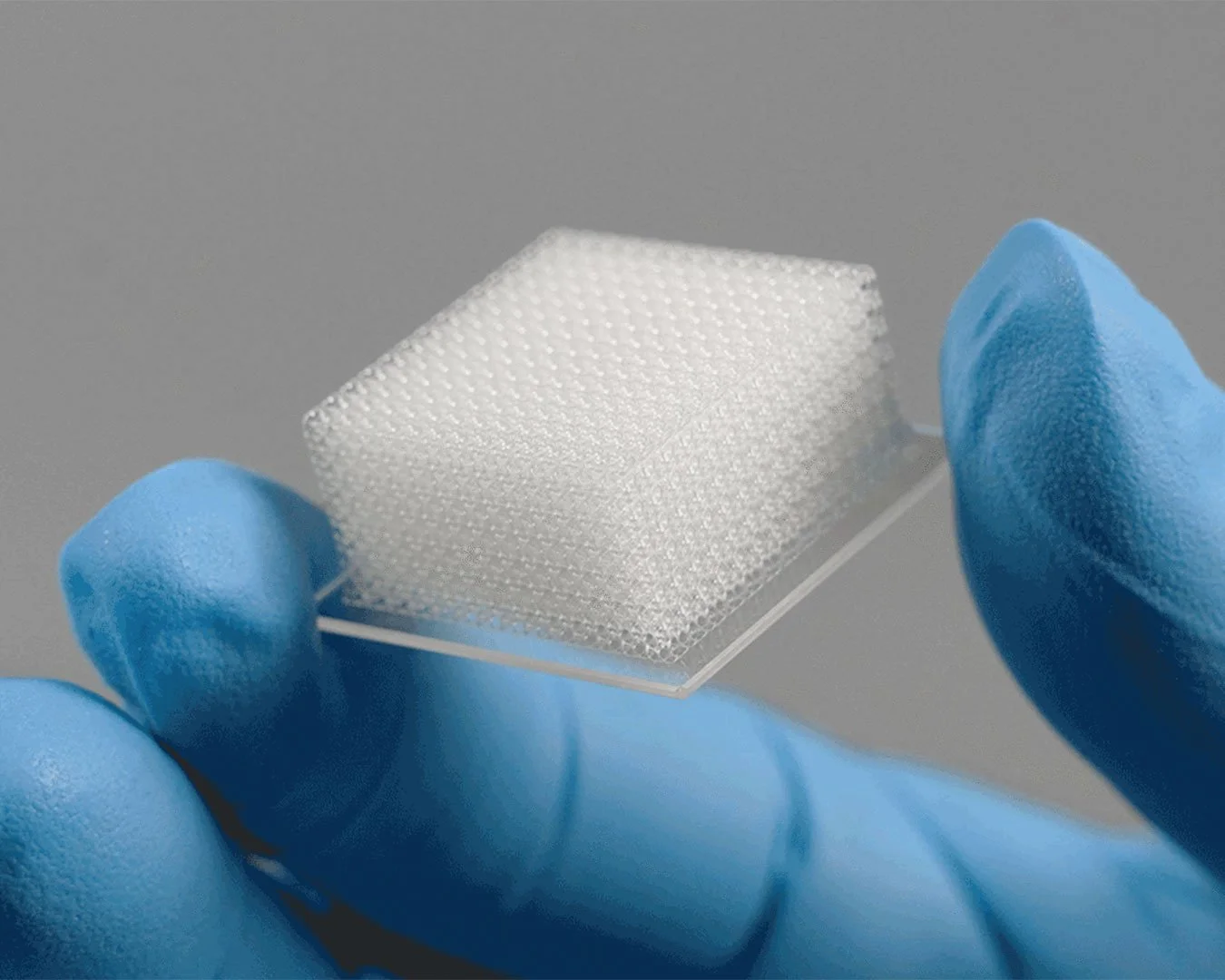
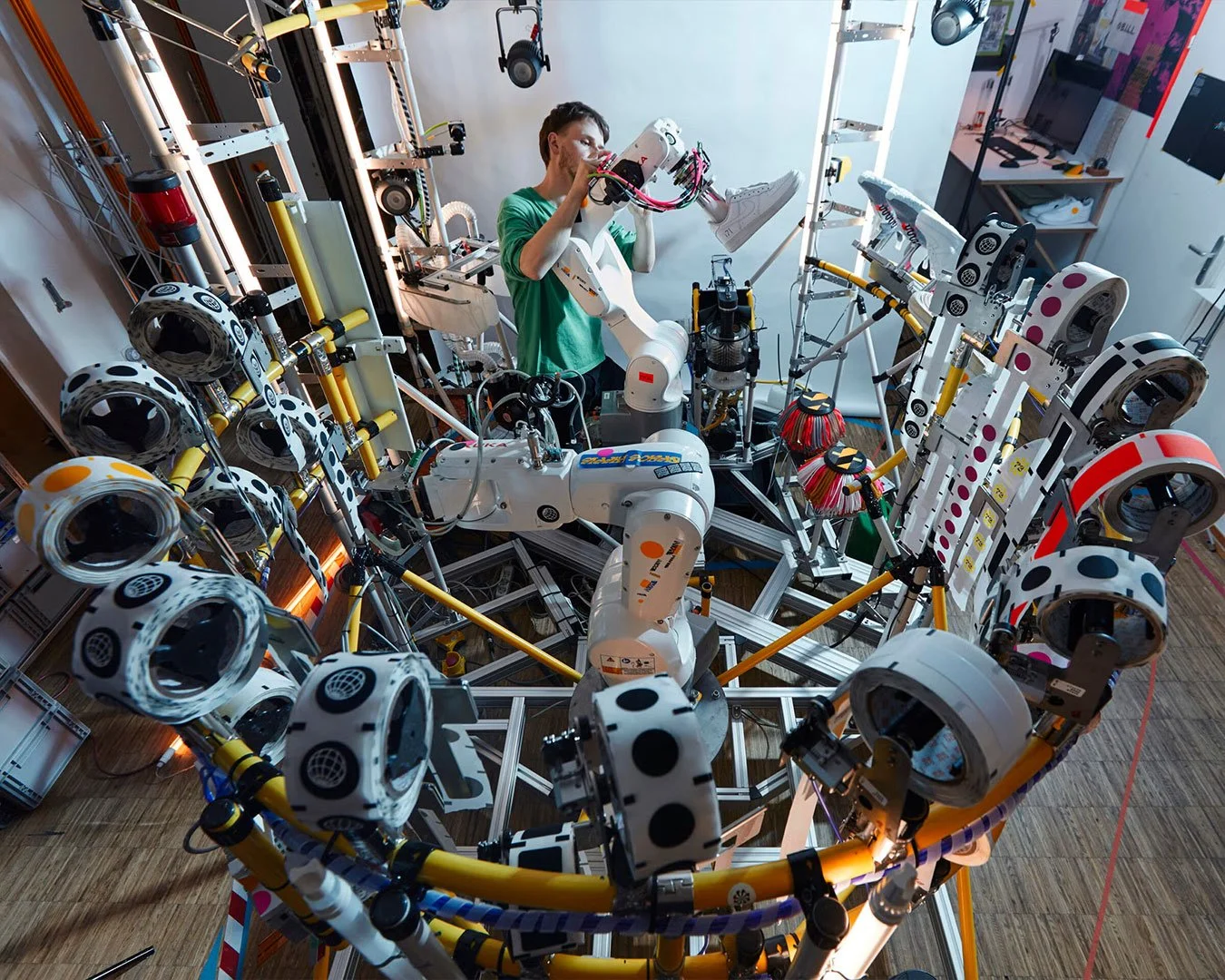
We explored some of these ideas in an earlier conversation with Neri Oxman when discussing OXMAN's O° platform, one of the clearest public examples of how this thinking might translate into an actual product. The project uses PHAs, or polyhydroxyalkanoates, a family of bacterially produced thermoplastic polymers. Rather than treating materials, manufacturing and end of life considerations as separate problems, O° attempts to build them into a single system, combining PHAs with digital fabrication processes including 3D printing, hot-melt spinning and knitting.
The useful thing about O° is that it shows how different footwear could become if a shoe was conceived as a system rather than a collection of separate parts. Instead of stitching and cementing, the same material can be tuned into different physical forms. A PHA can become a yarn, a printed structure, a nonwoven textile or a density-variable zone depending on how it is processed.
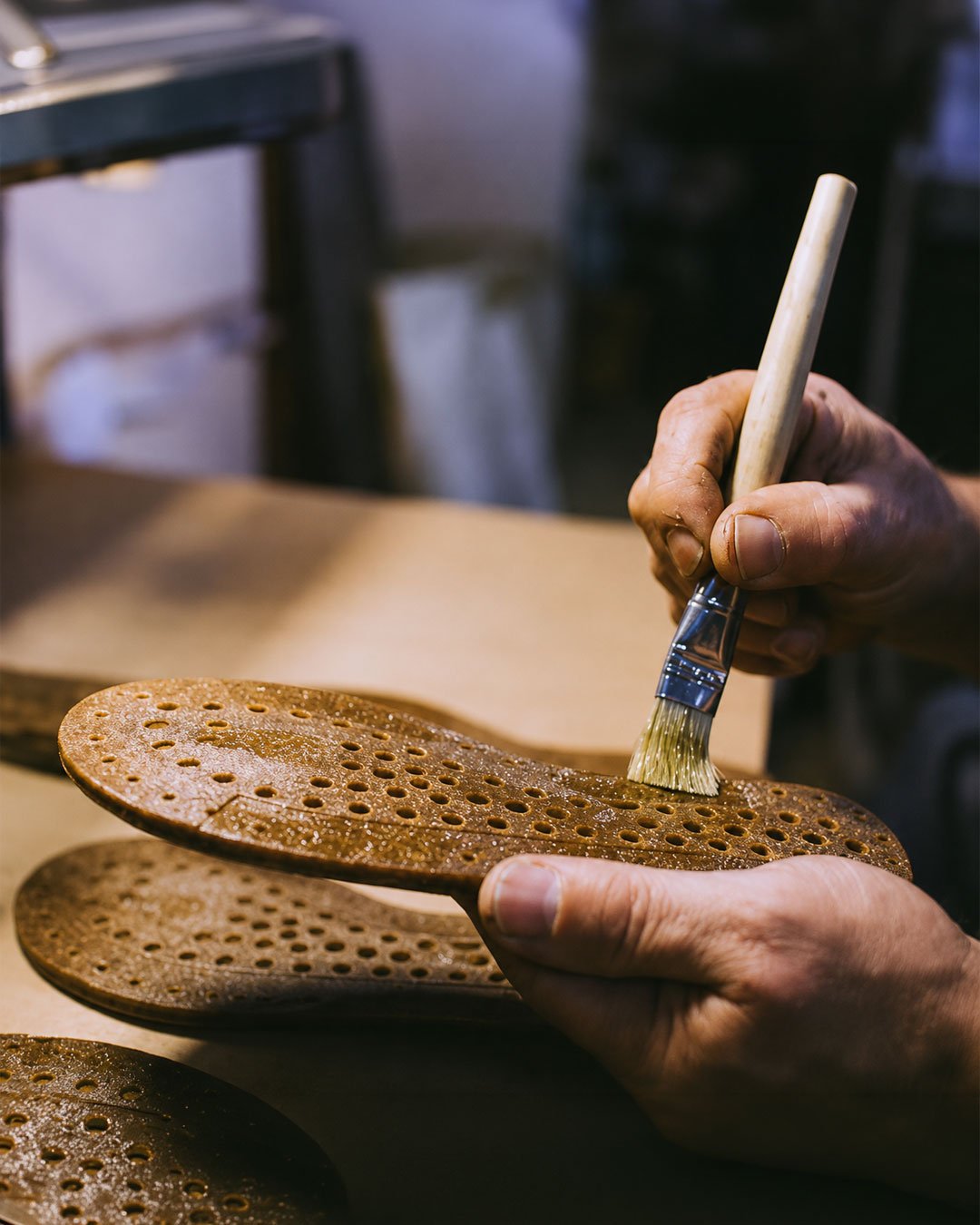
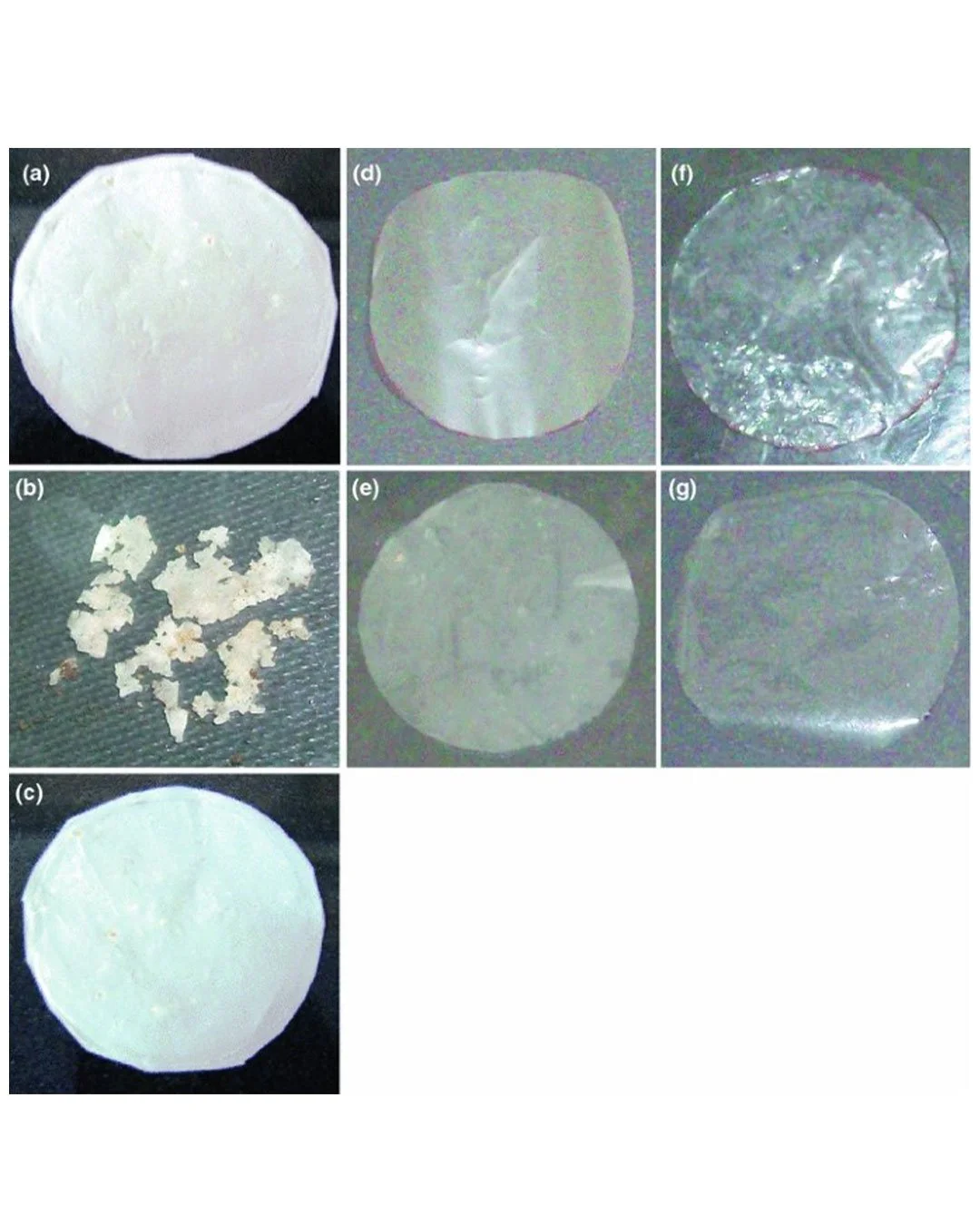
OXMAN's O° is not alone in exploring this direction. More broadly, additive manufacturing is beginning to experiment with bio-composite materials that combine thermoplastics with natural fibres such as flax-linen and hemp. They use these natural materials as structural reinforcement within printed components. French designer Alyssa Cartaut has explored this approach through footwear made using a PLA filament reinforced with flax-linen fibres to 3D print the heels and insoles. The result is a hybrid approach where digital fabrication and plant-based fibres become part of the same manufacturing process, suggesting that the material palette of future footwear may become both more biological and more programmable.
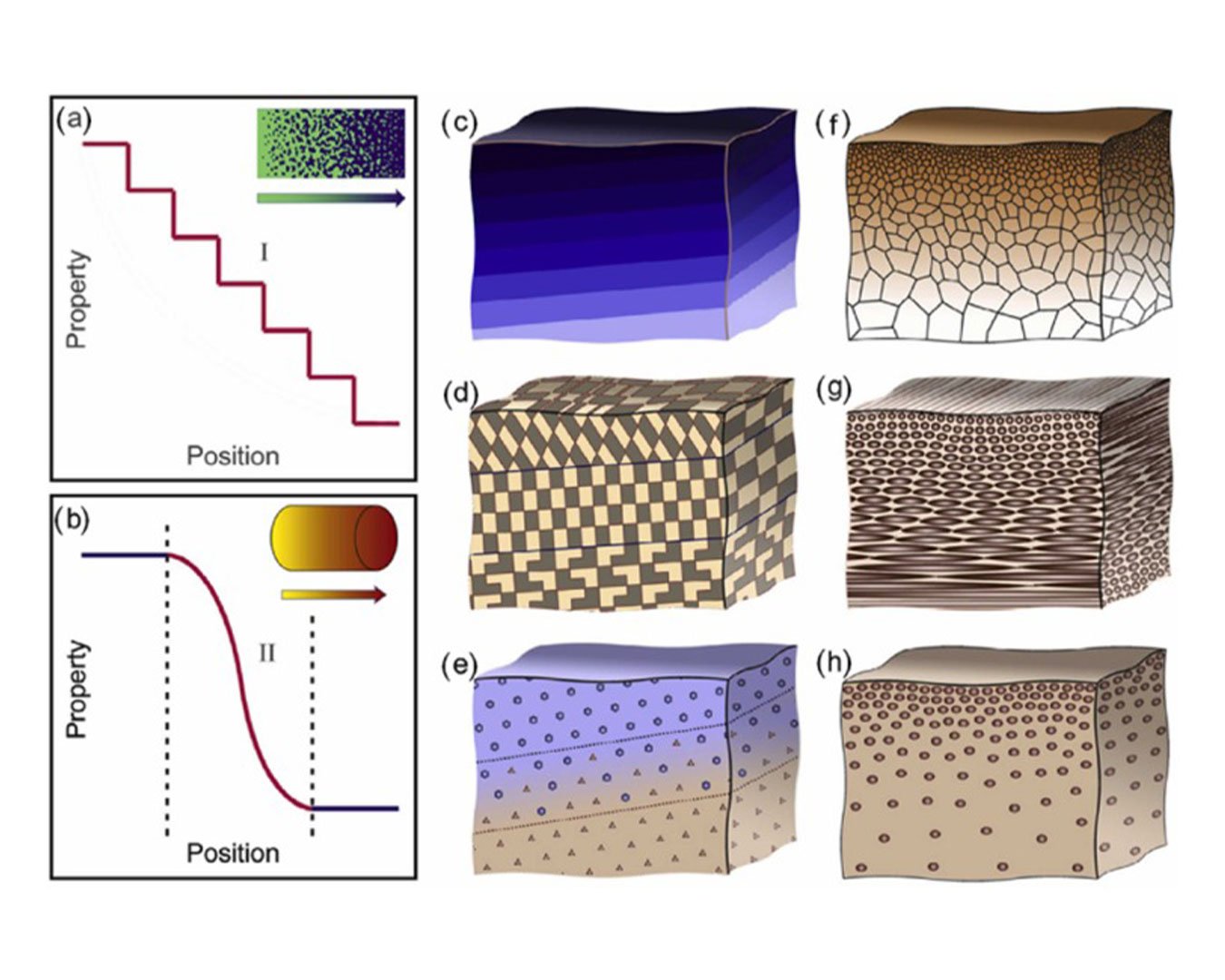
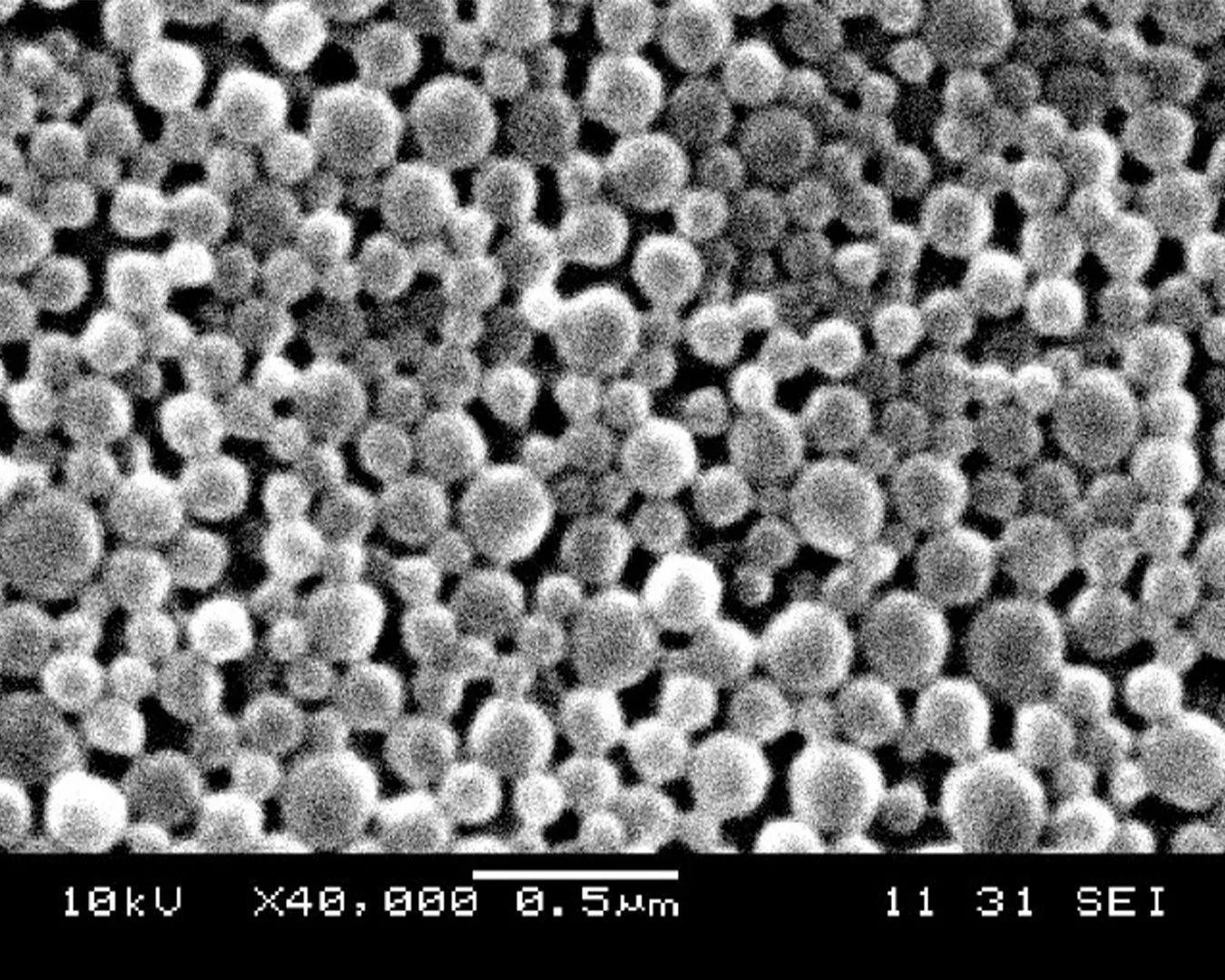
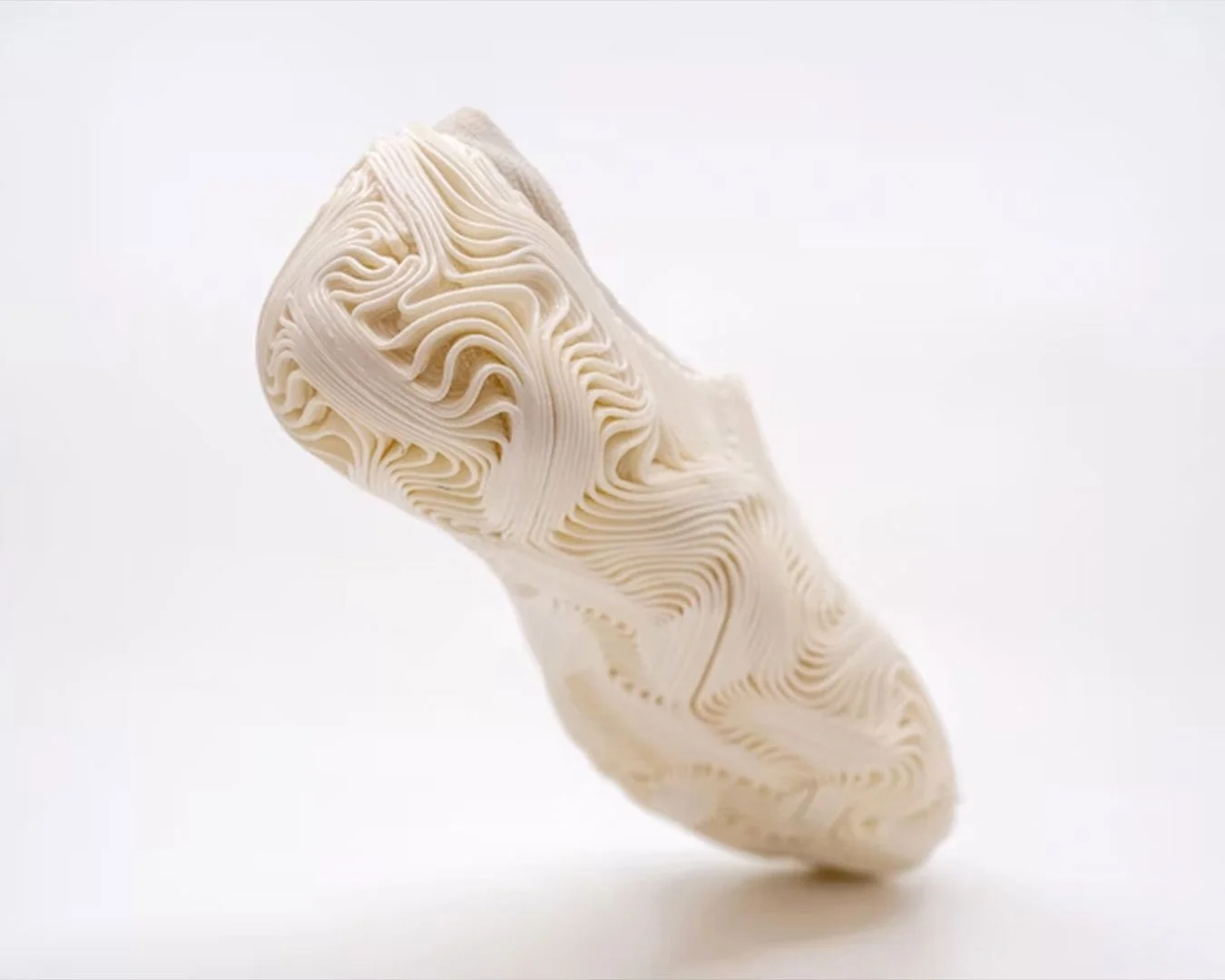
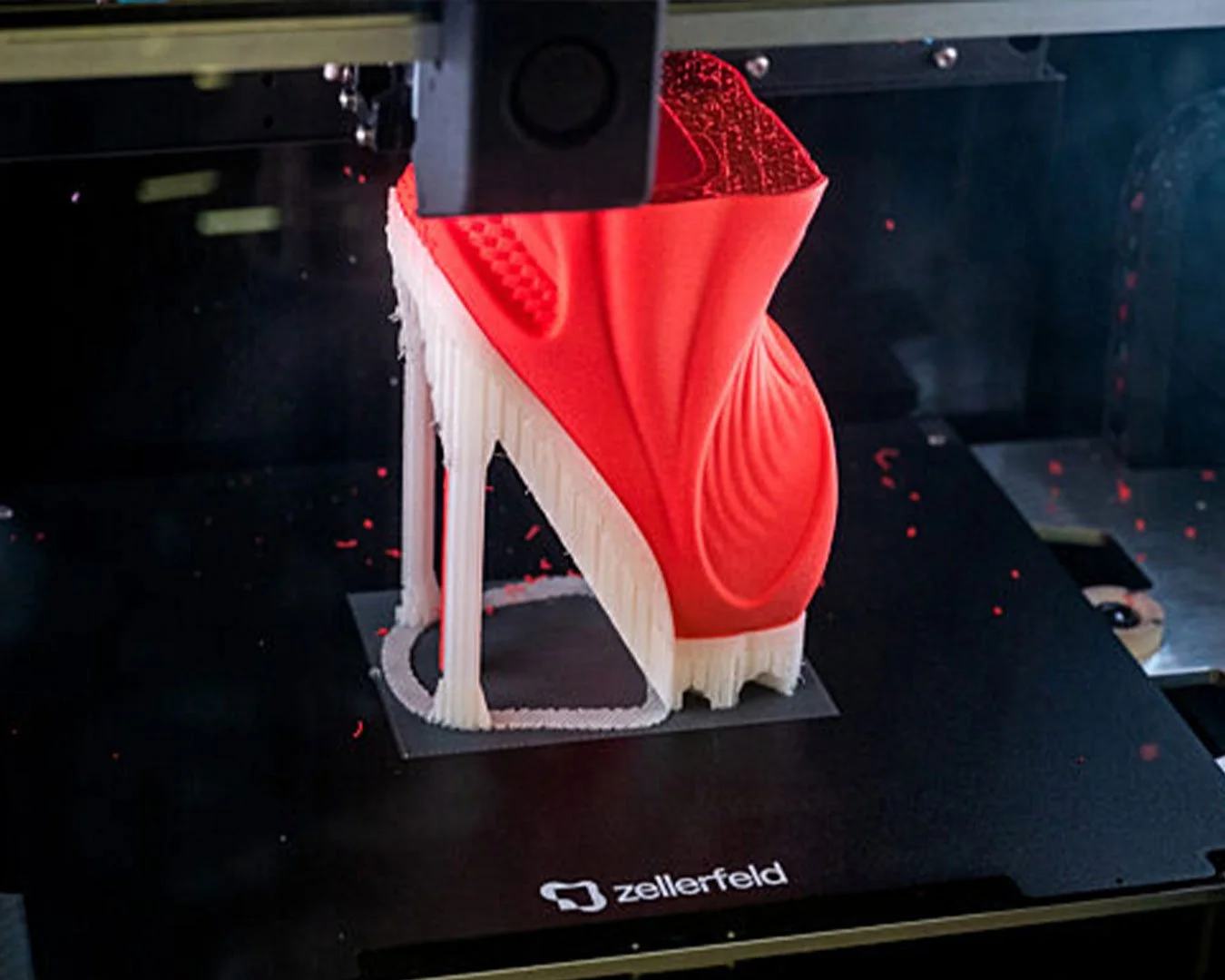
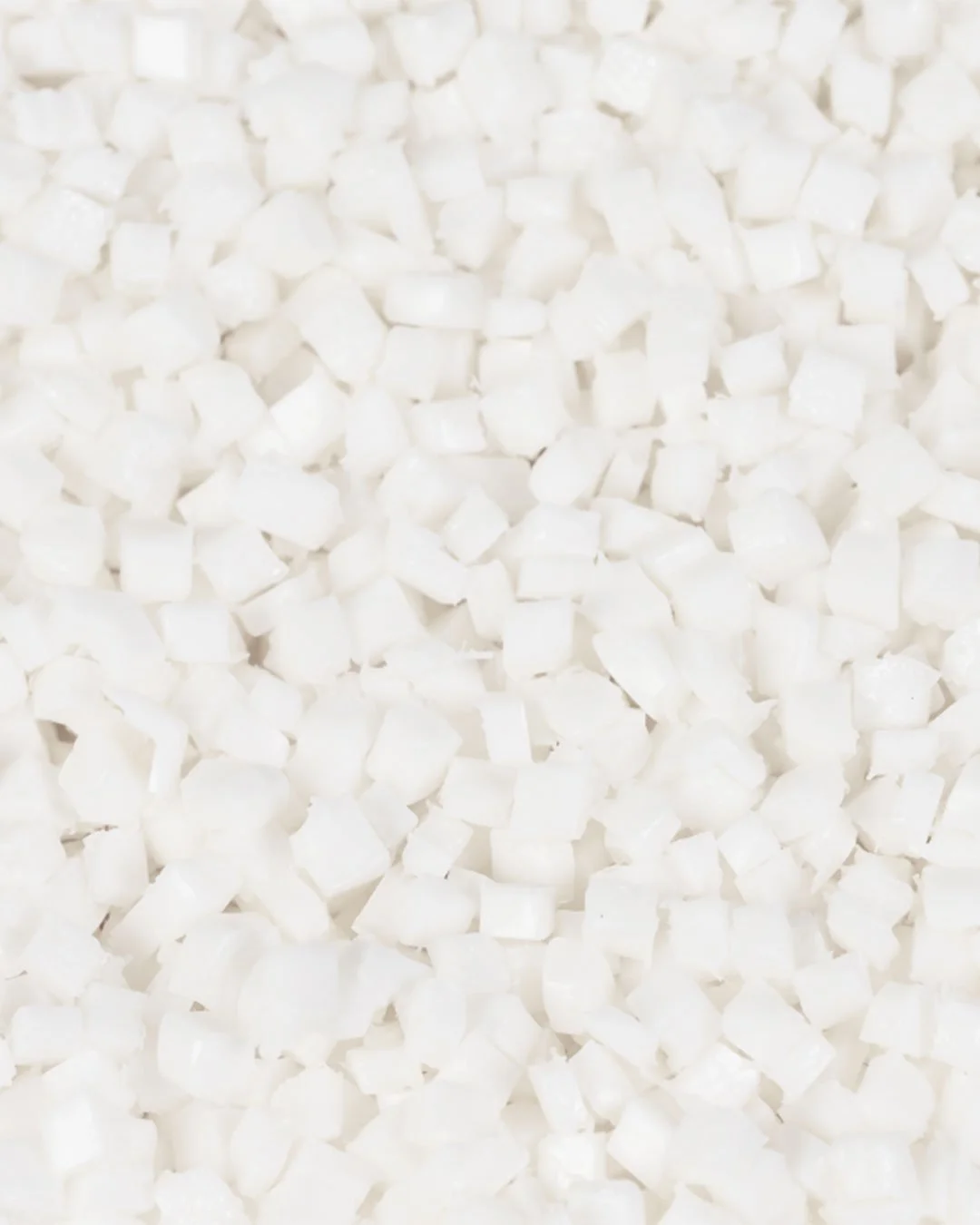
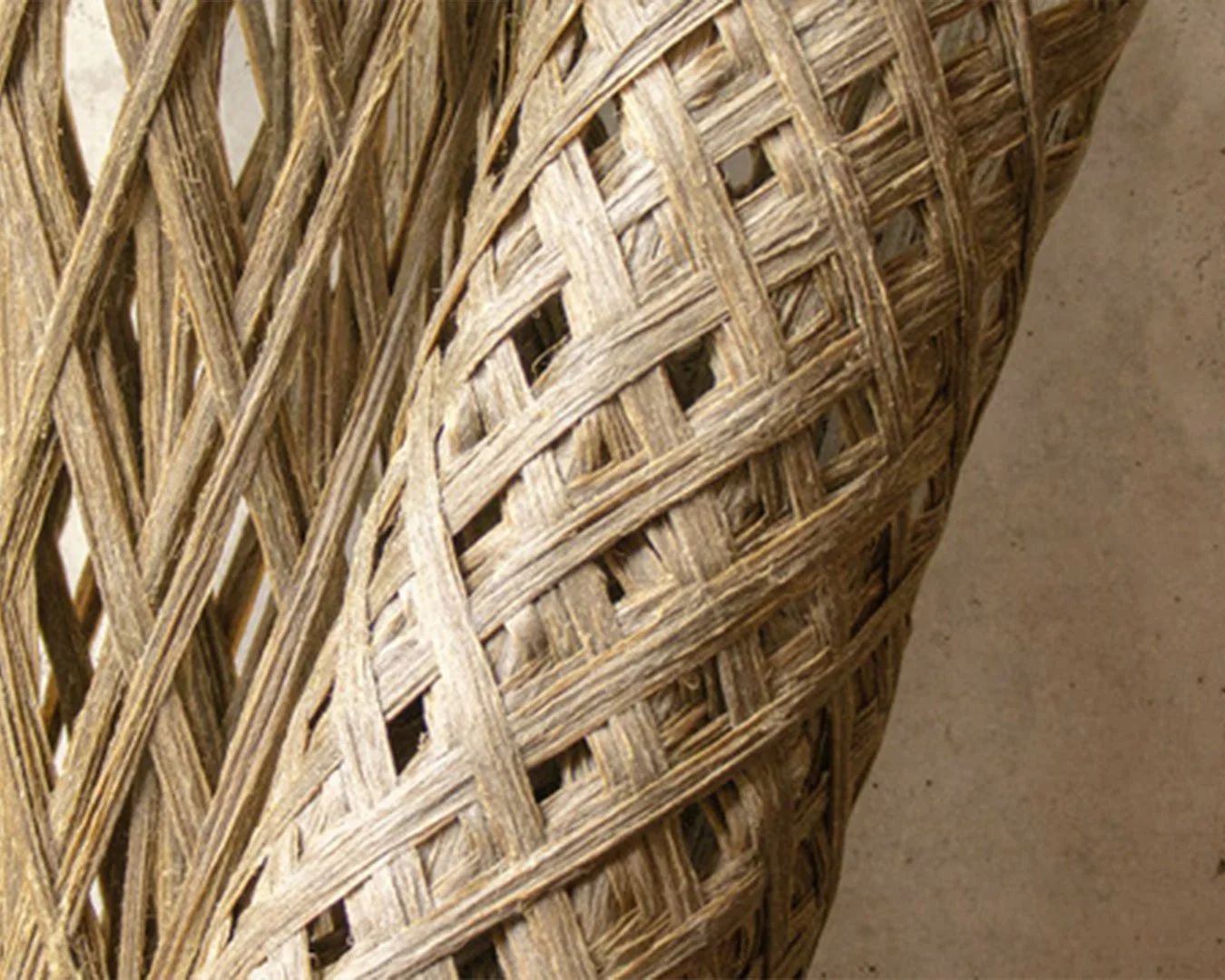

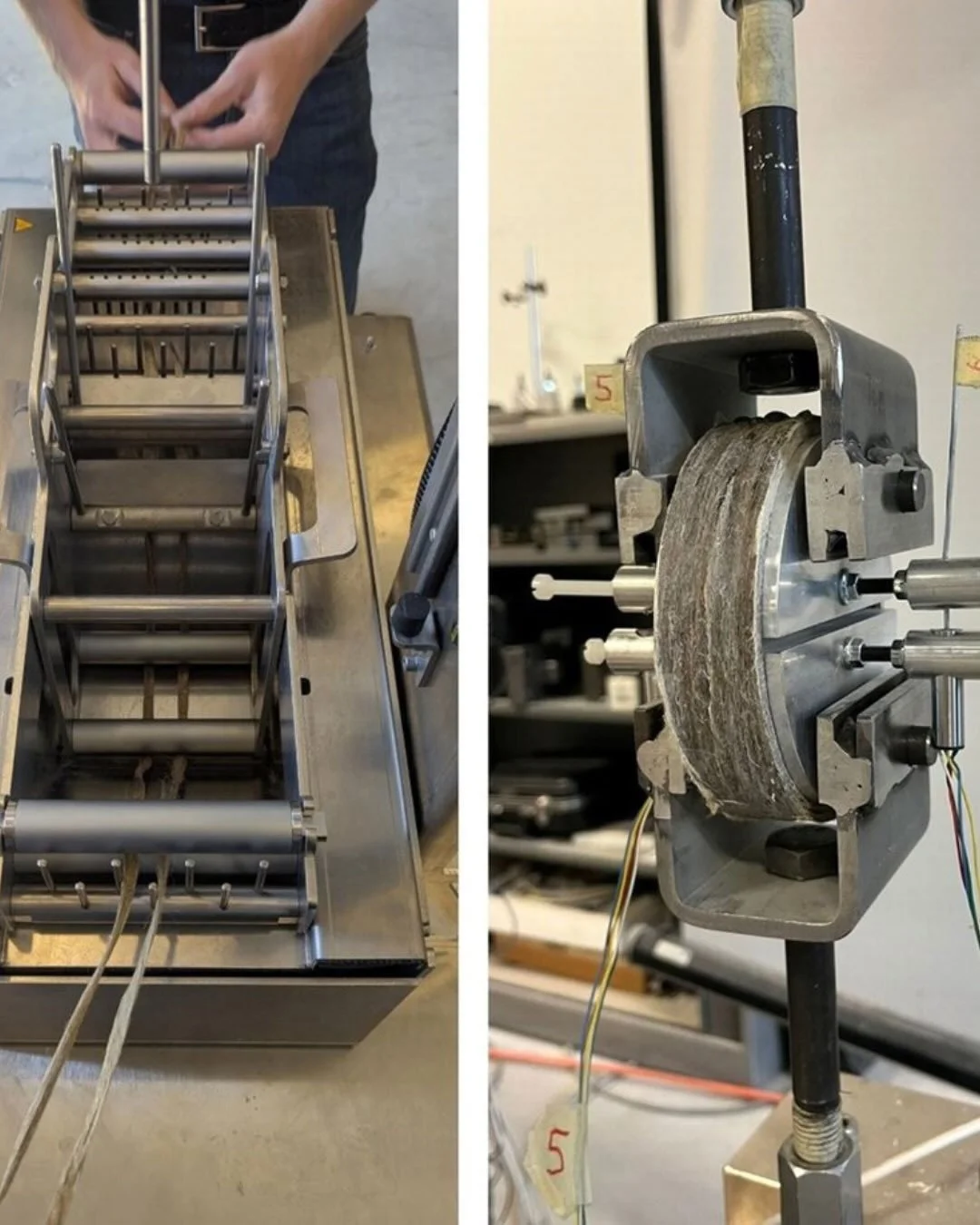

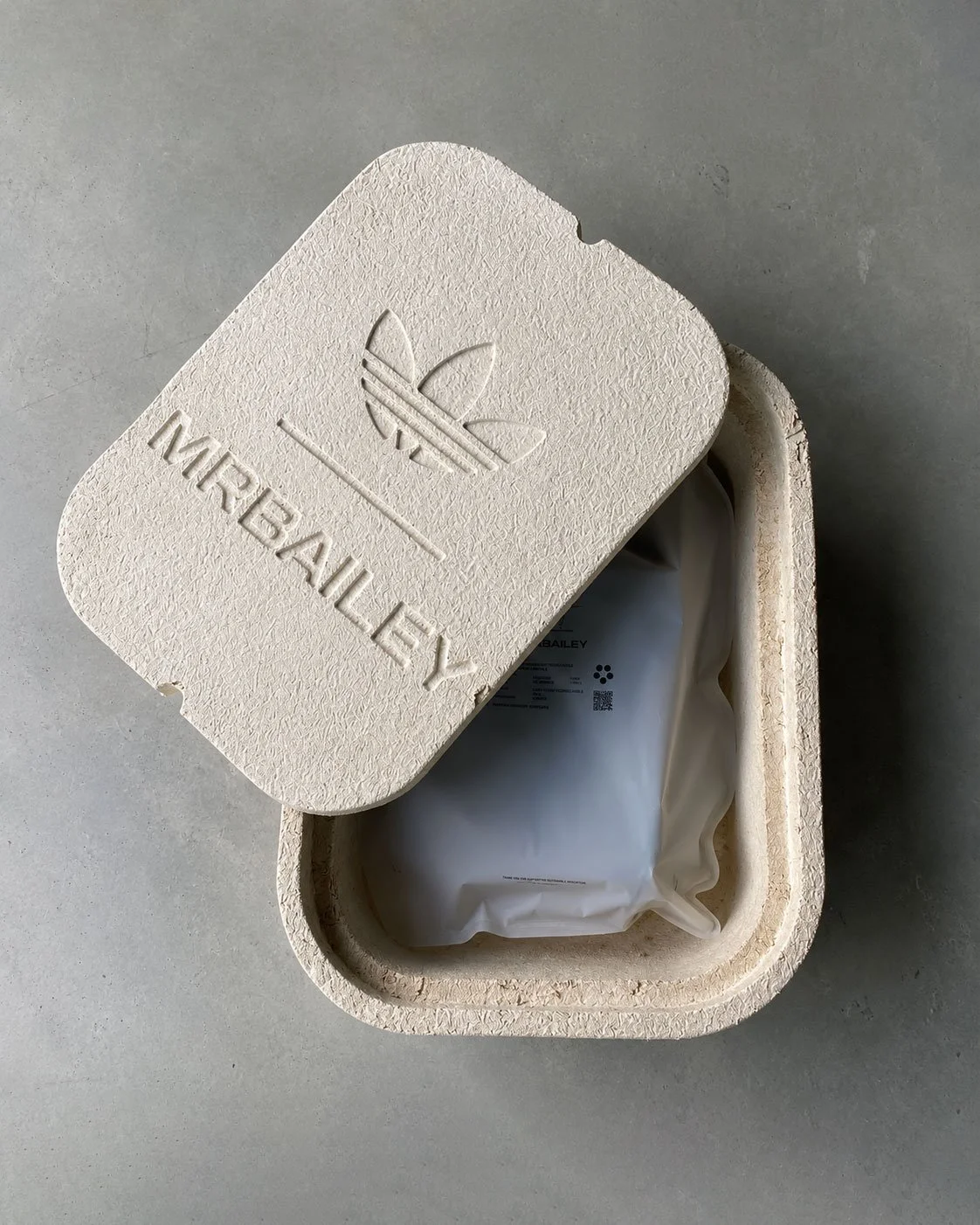
Not every bio-based material solves the end of life problem. Many bio-composites like this still rely on polymer matrices, creating a different version of the same challenge. What makes projects like this interesting is the attempt to reduce complexity at the level of the material system itself.
There is something slightly ironic about how futuristic that sounds. Footwear began in a relatively simple place of leather and thread. The twentieth century made it faster and more synthetic. Now some of the most advanced work in the category is, in a strange way, circling back towards an older idea of fewer materials and a closer relationship between how something is made and how it behaves.
Mycelium Grown
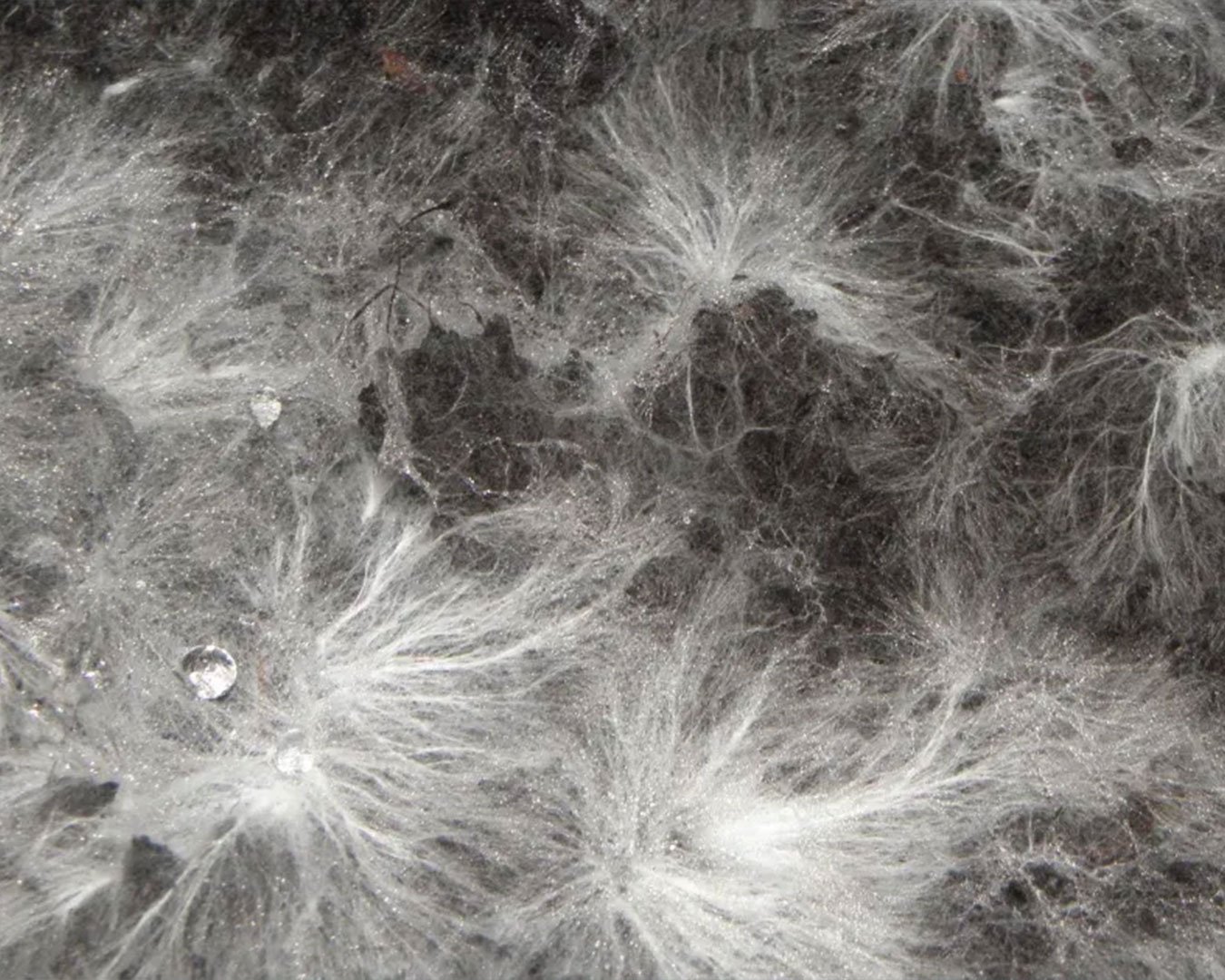
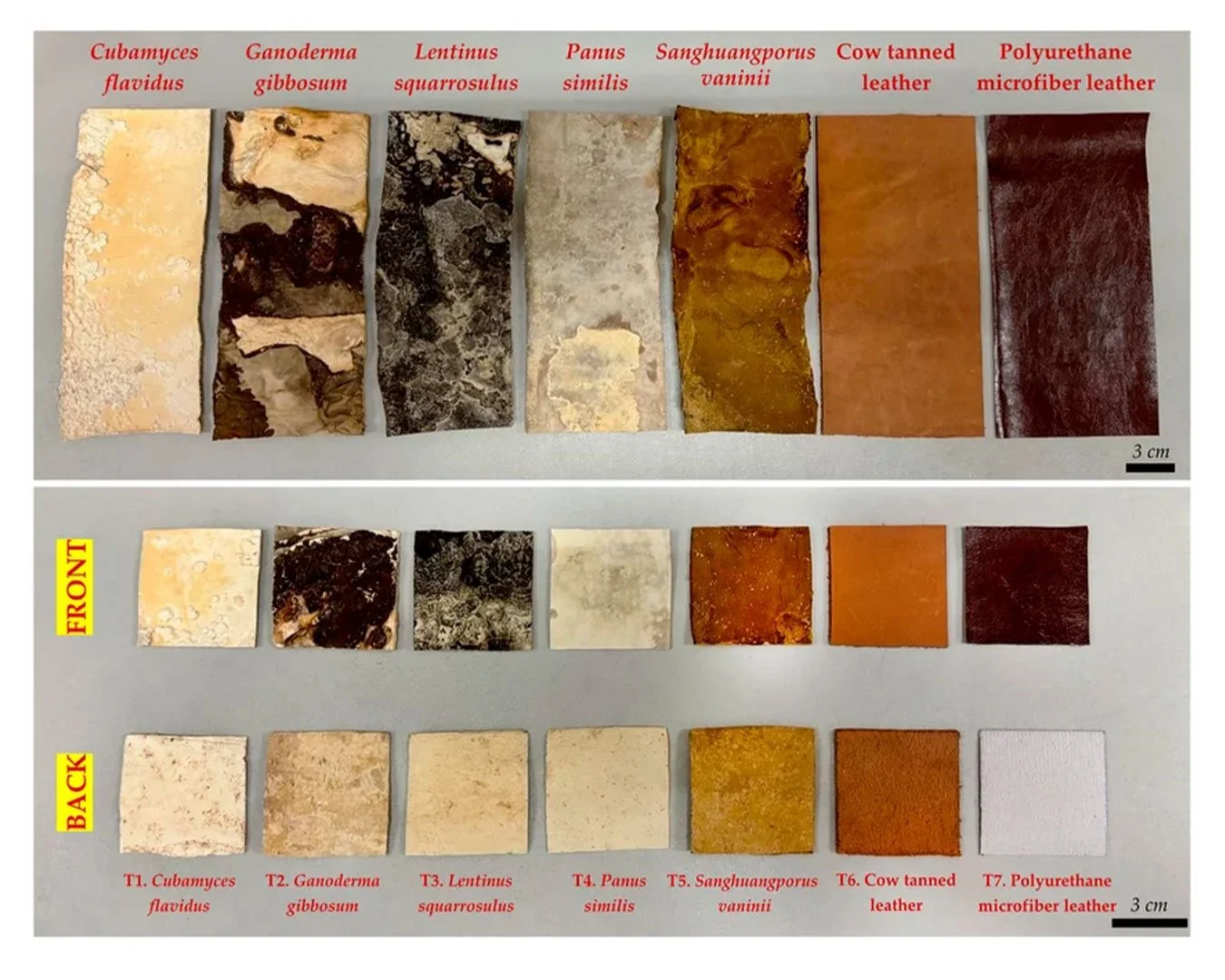
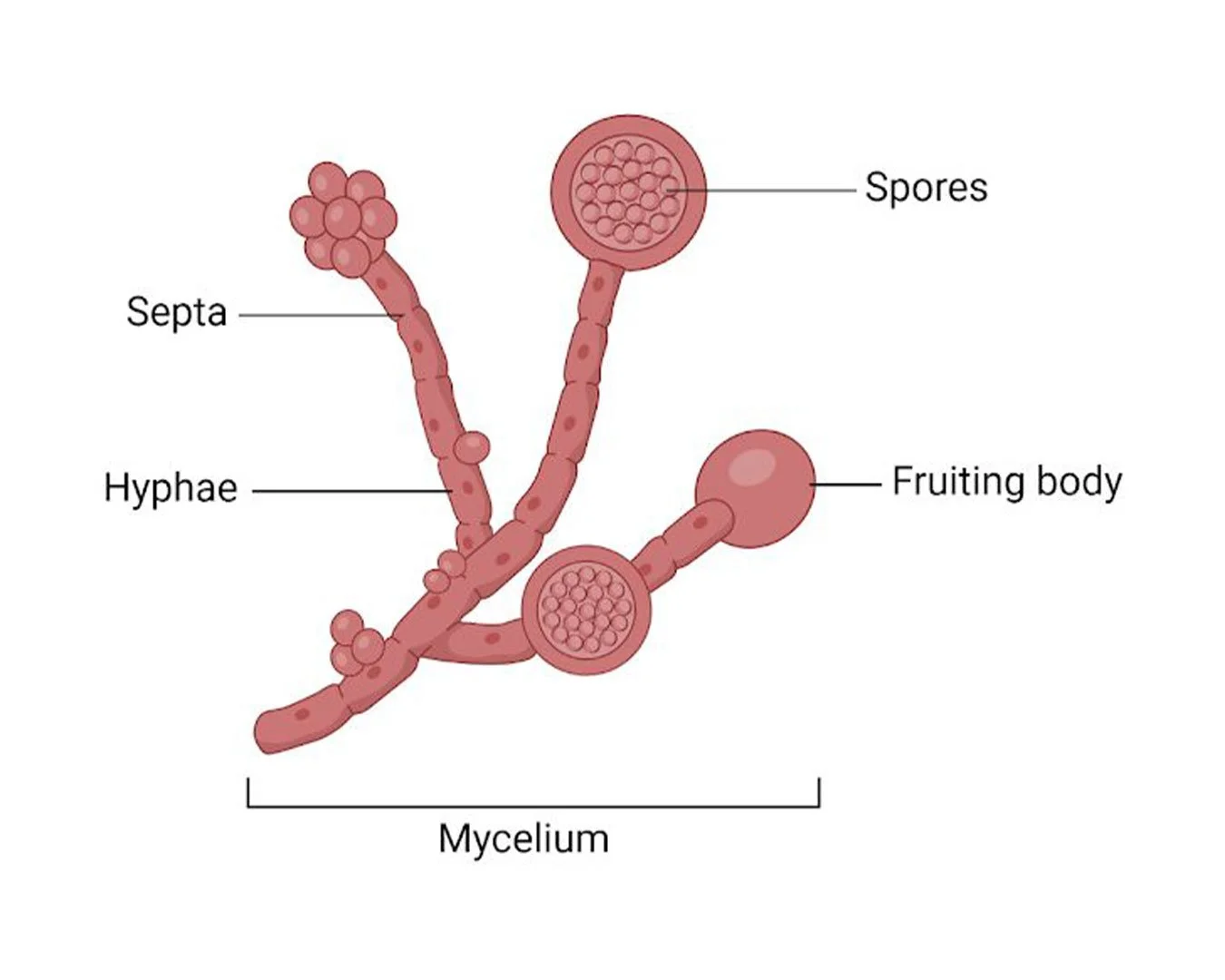
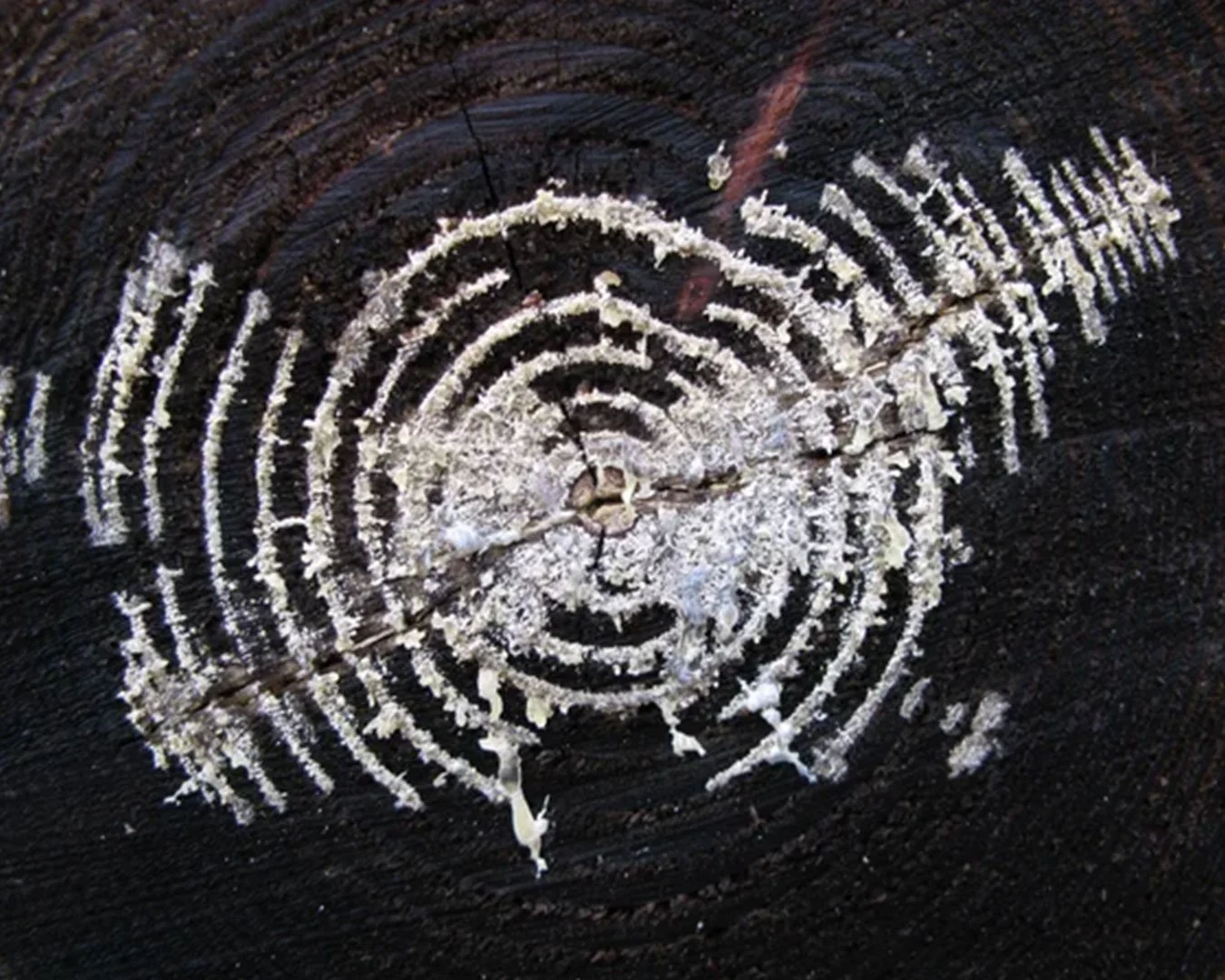
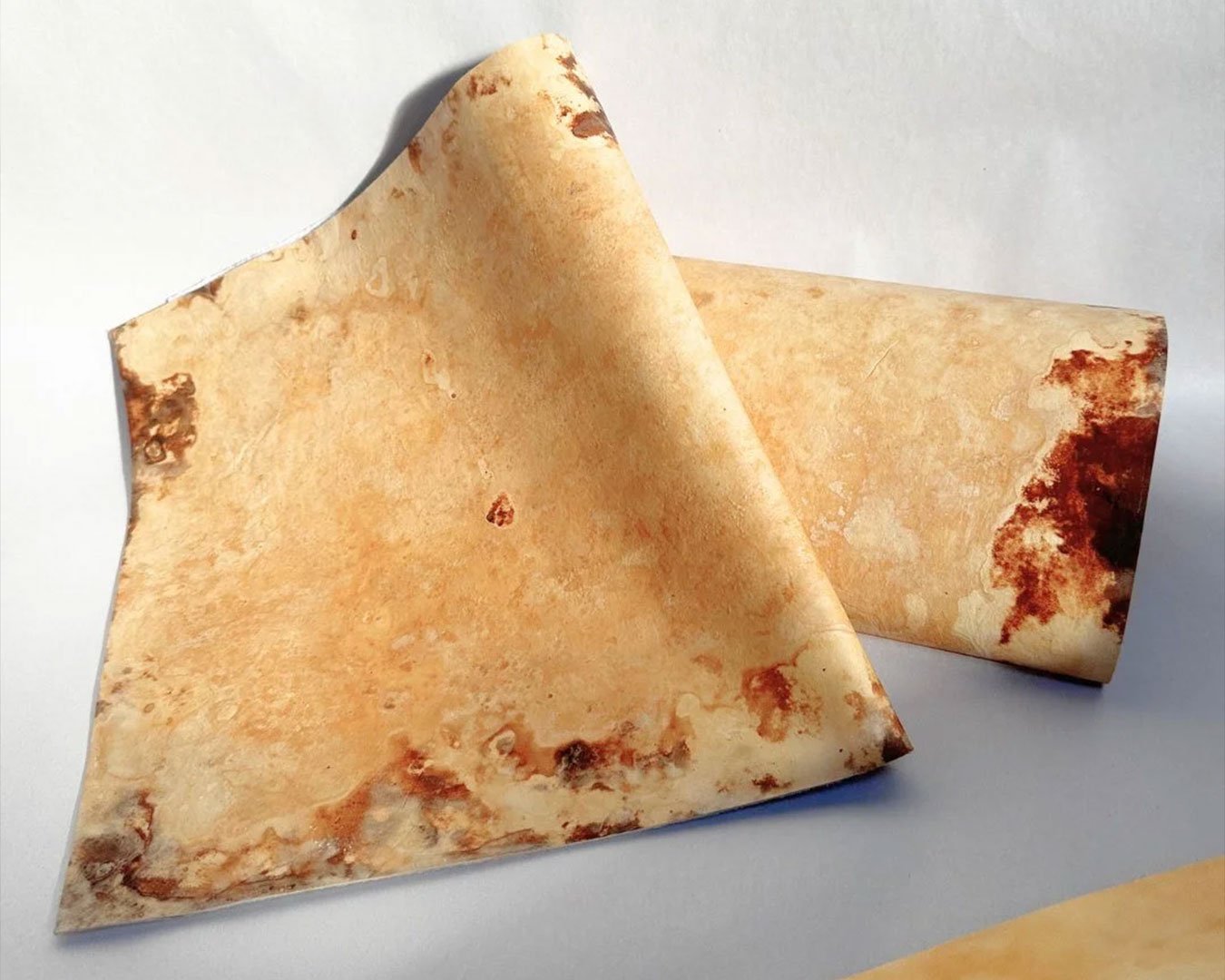
This brings us to mycelium, a material that is frequently framed as "mushroom leather." That shorthand is understandable, but it reduces a much broader conversation about how materials can be grown rather than manufactured.
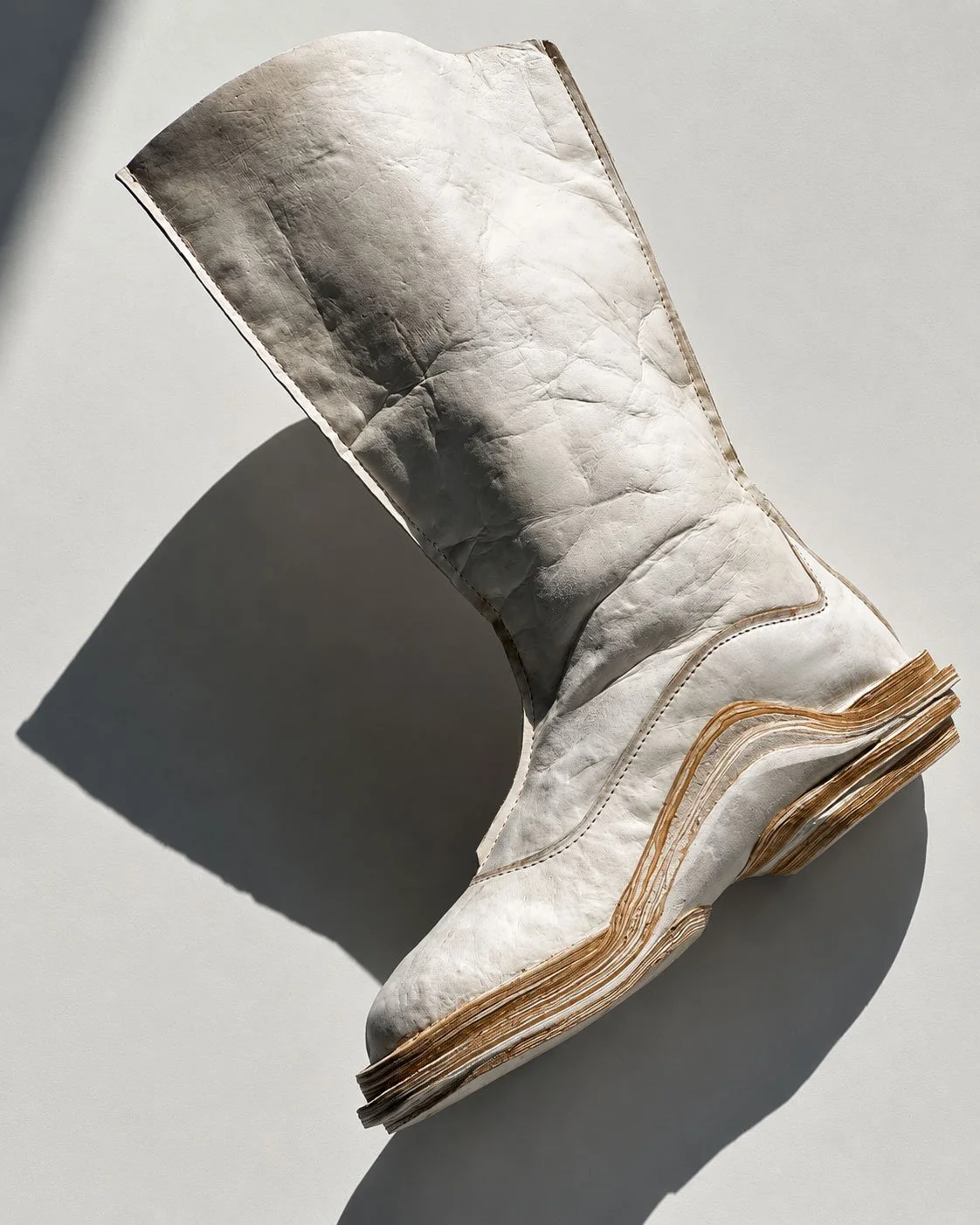
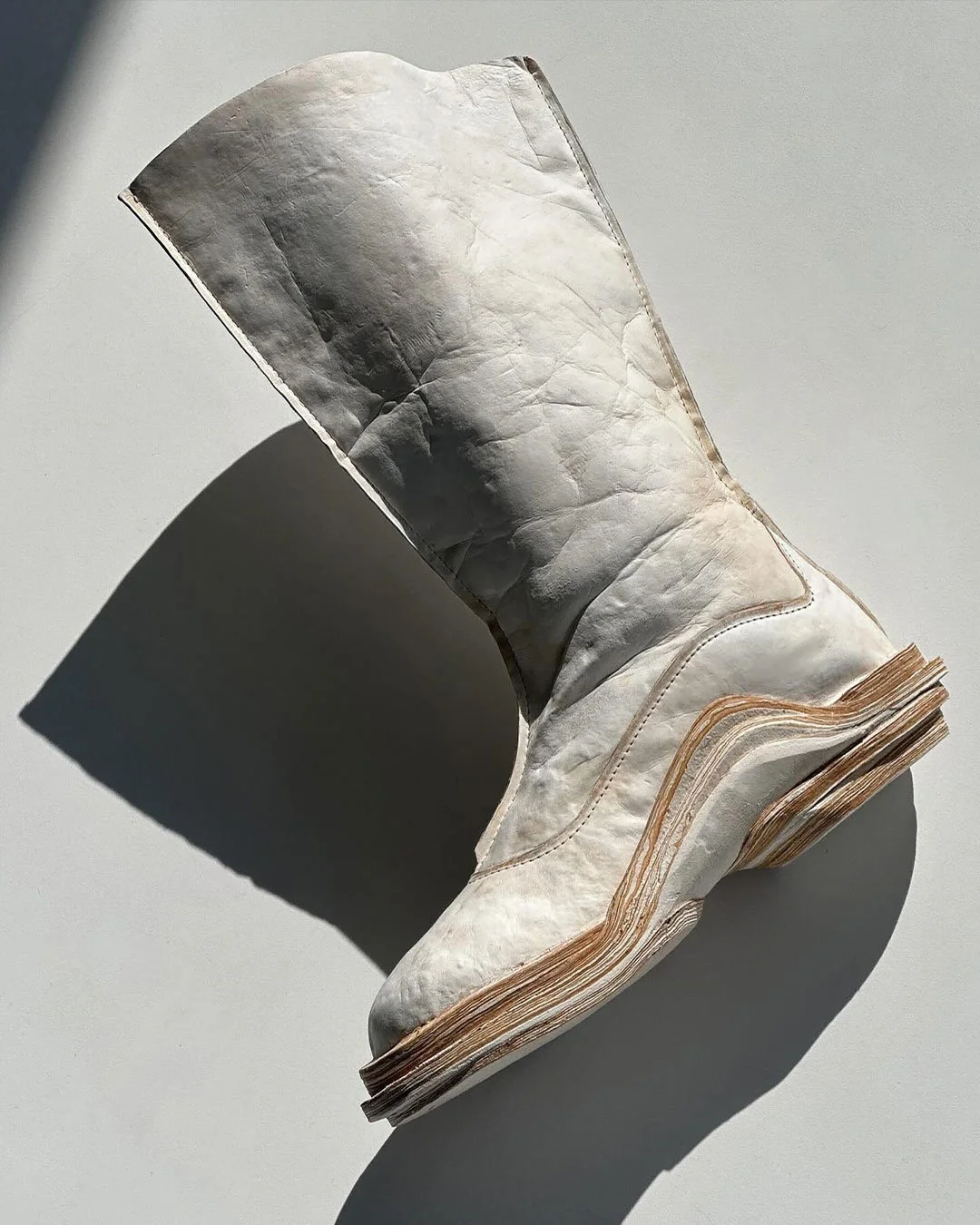
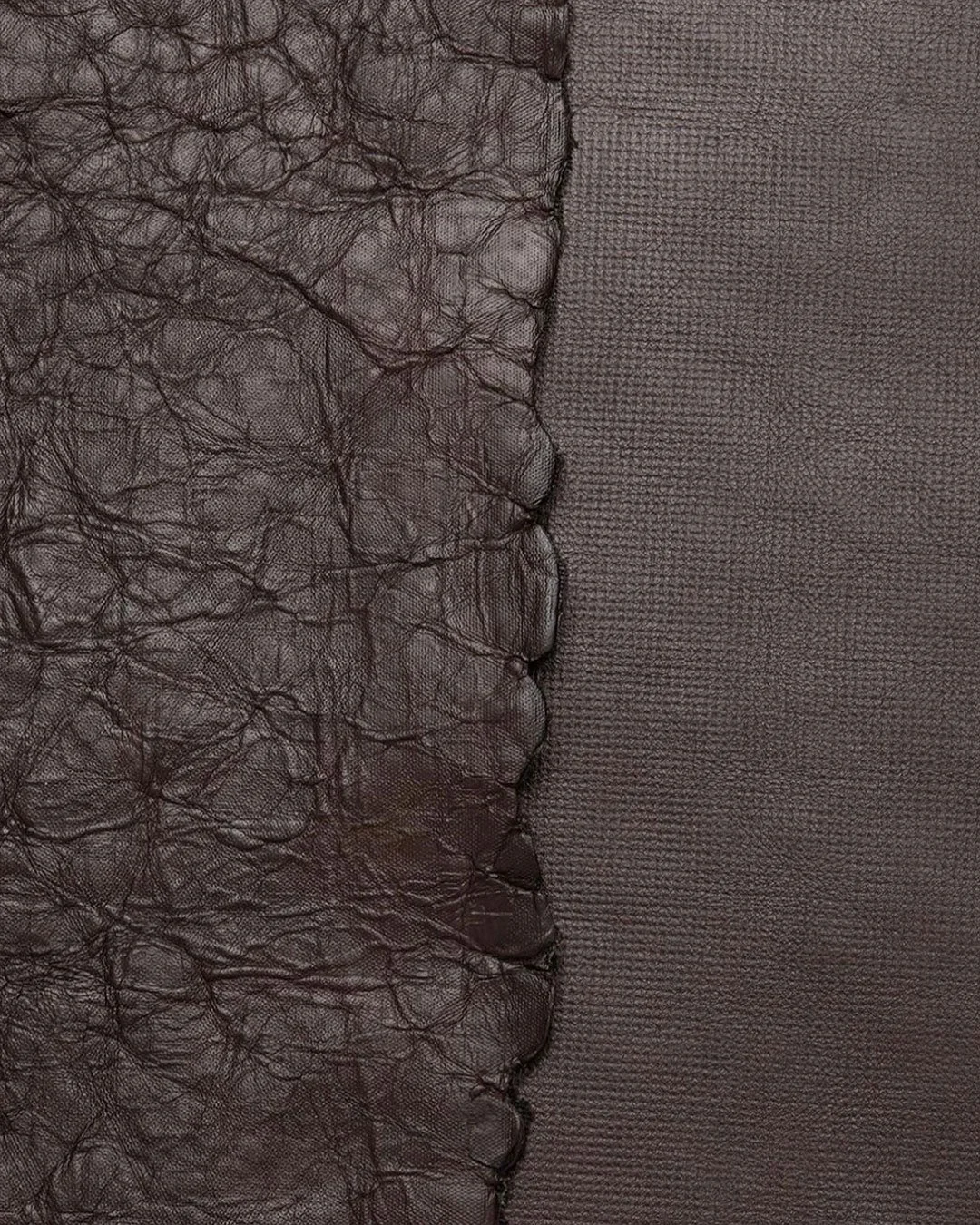
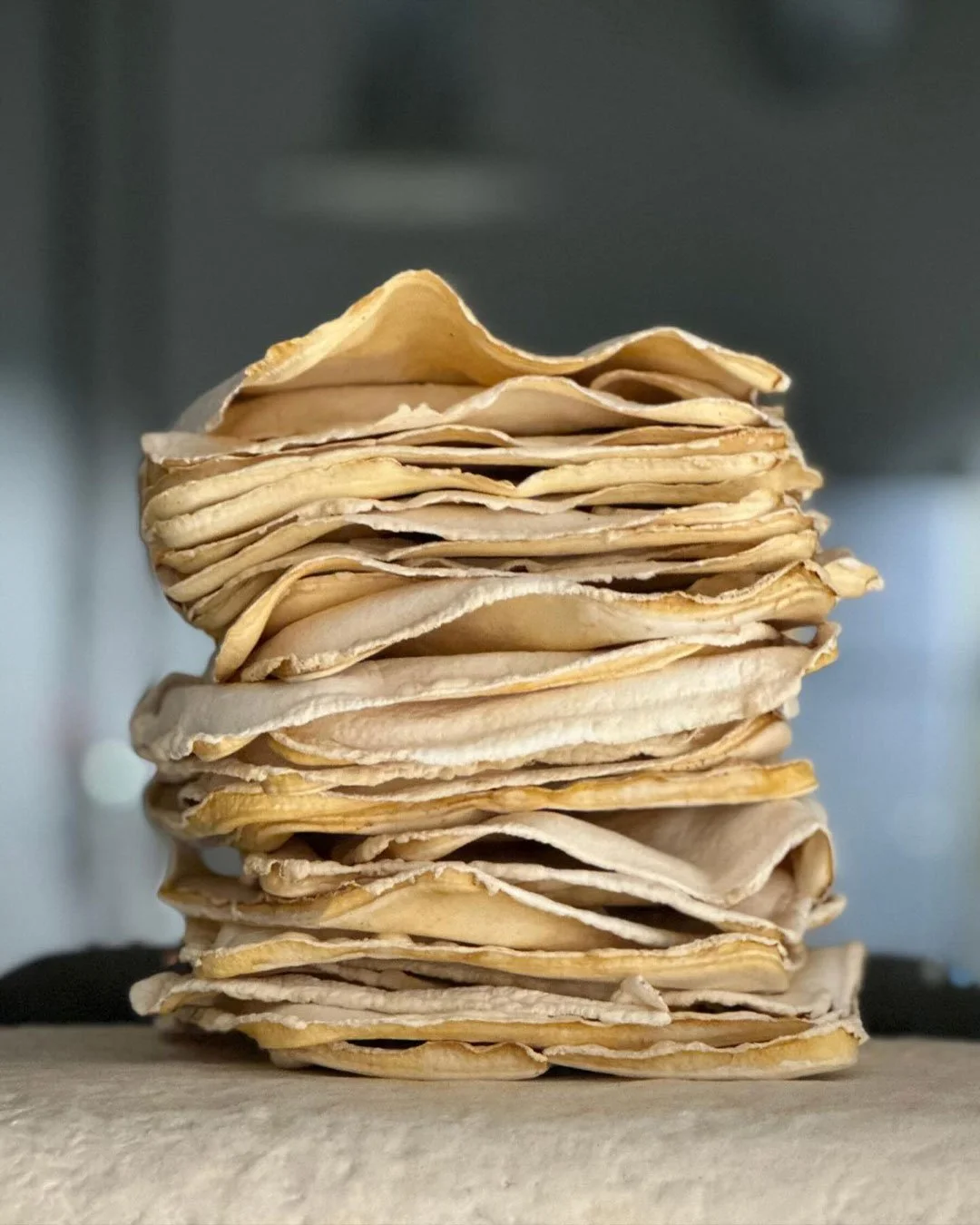
In April 2026, Vrije Universiteit Brussel and La Monnaie/De Munt unveiled a prototype shoe made entirely from pure mycelium at Milan Design Week. The project was developed by researcher and designer Lars Dittrich with head shoemaker Marie De Ryck, and what matters here is that the mycelium was not only used as a leather like upper. The sole was load bearing without added reinforcement, formed by bonding mycelium sheets into a dense structure. The team also selected different fungal strains for different parts of the shoe, using one for a foam like, mouldable sole and another for a more elastic, leather like upper.
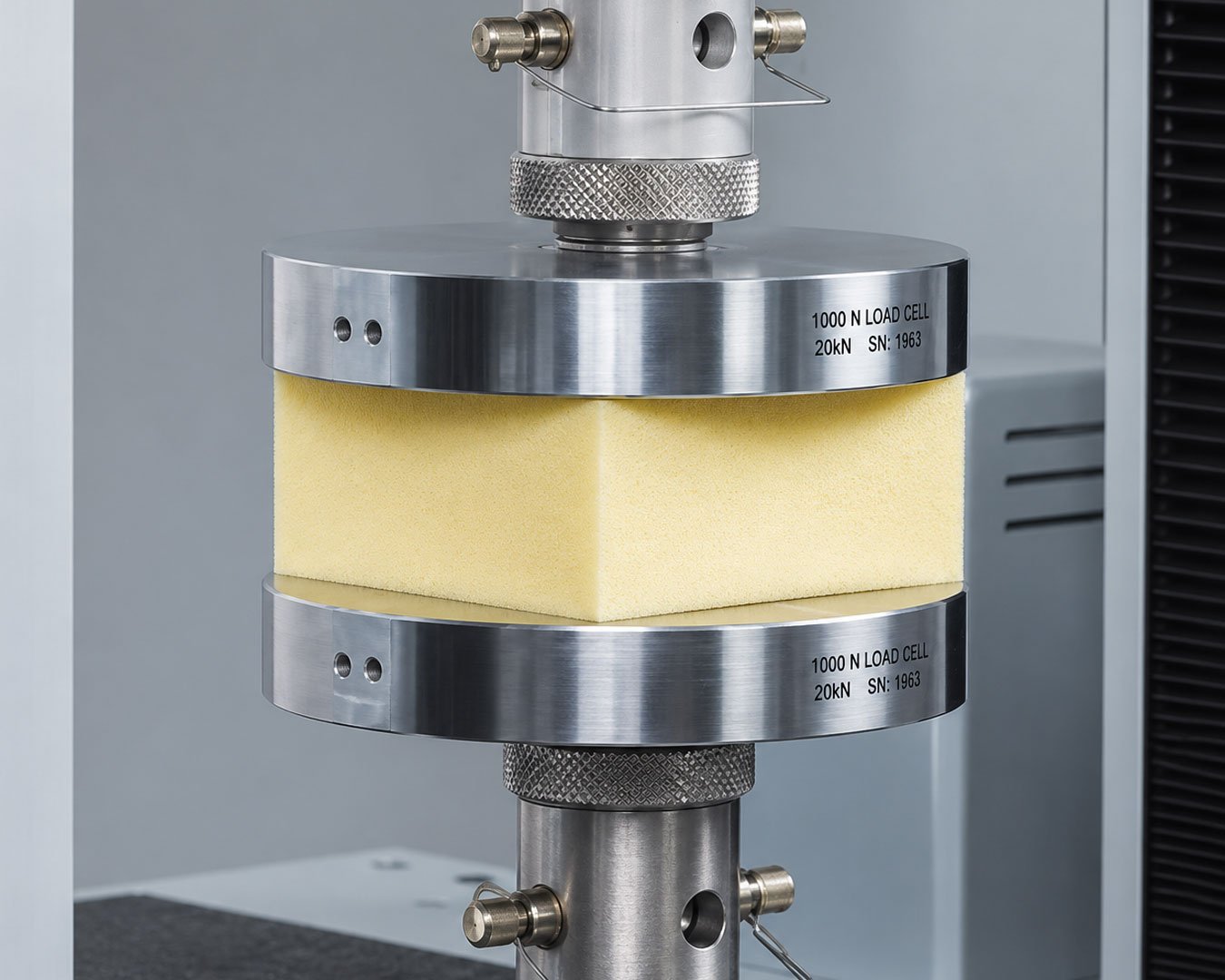
This is not entirely speculative. Separate research using Pleurotus eryngii and P. citrinopileatus grown on chicken-feather substrates has demonstrated mycelium composites with compressive strengths of up to 0.51 MPa without synthetic binders.
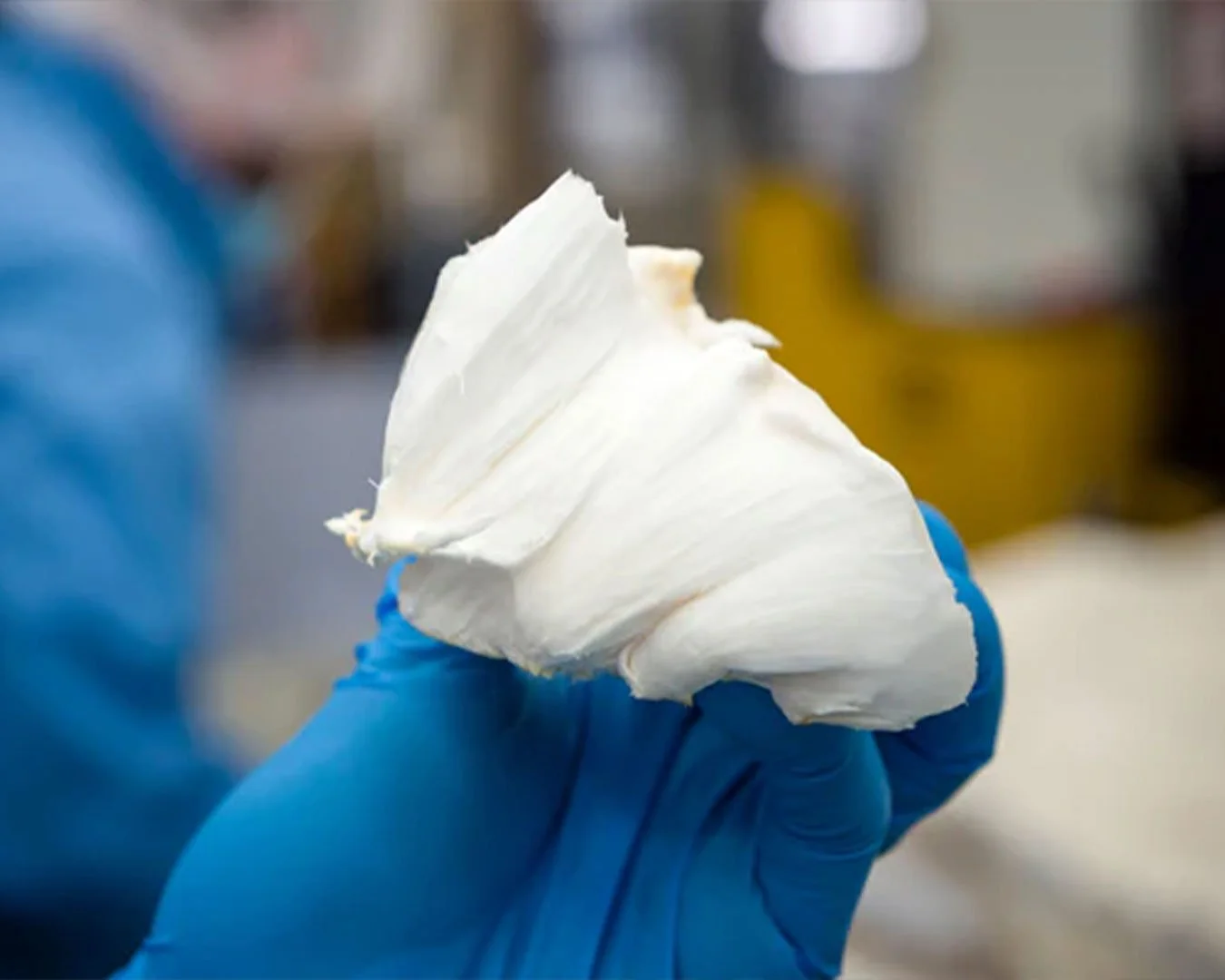
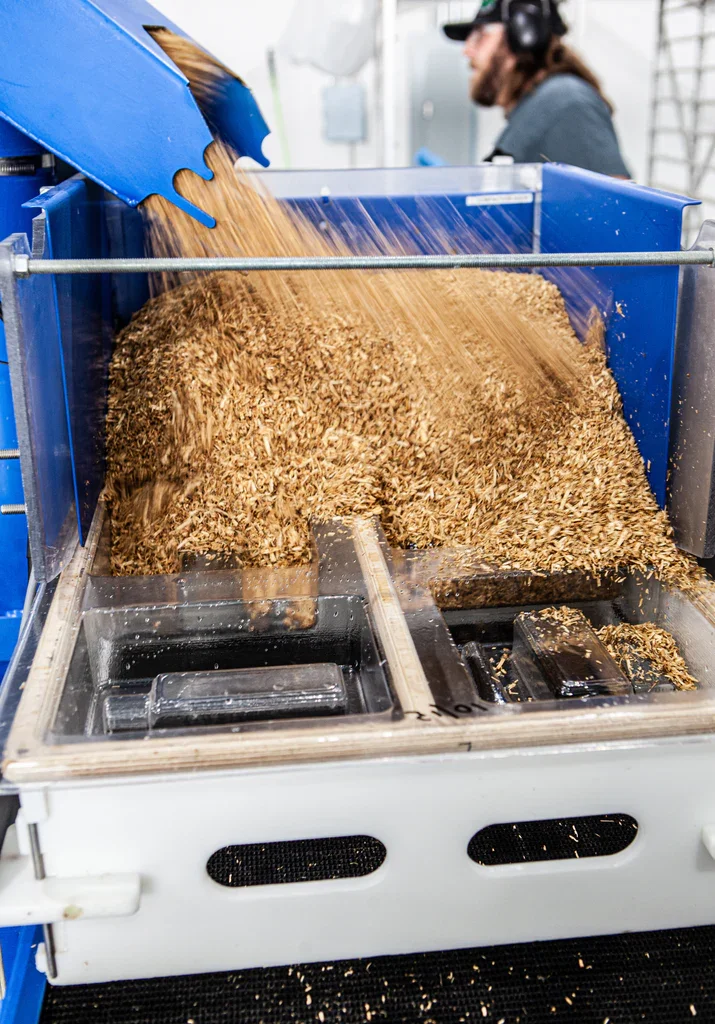
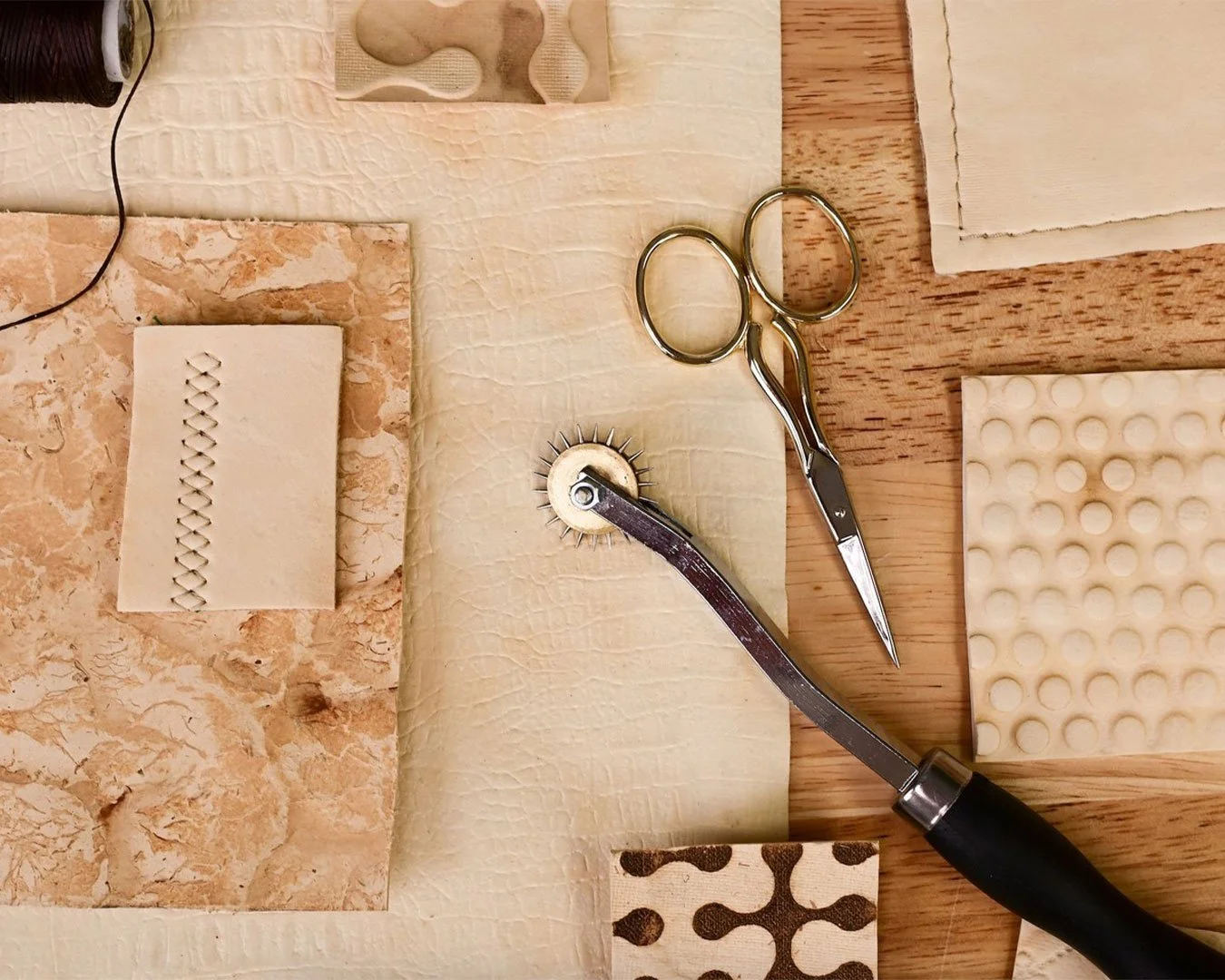
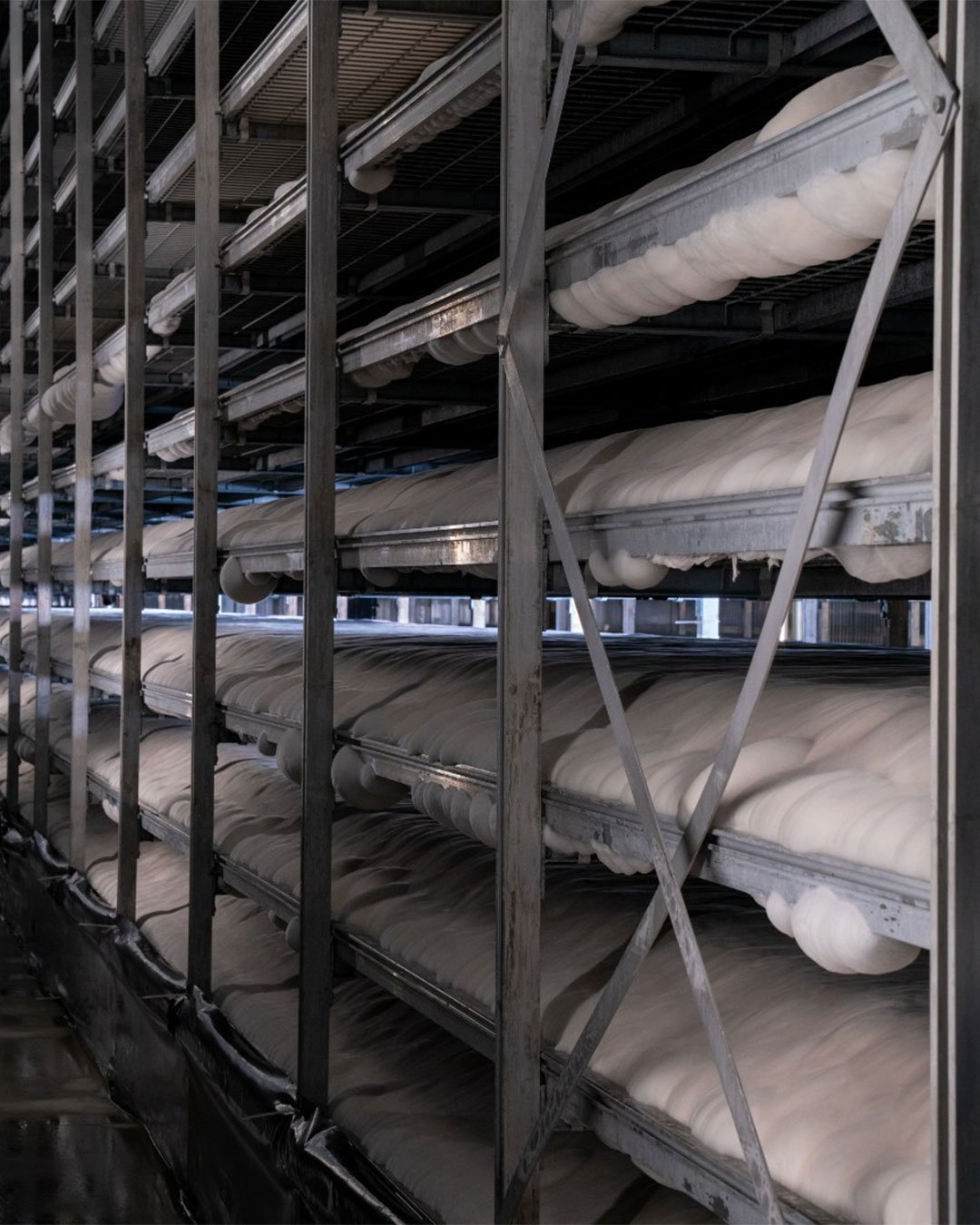
This is not to say that a factory is suddenly becoming a forest, but there is something genuinely different about a production method where growth is part of the engineering. The material is not passive in the same way. It has to be grown and managed and then stopped at the right moment. Ecovative, the company most responsible for commercialising mycelium composites, has produced sheets up to 24 metres long and 1.8 metres wide in nine days, using agricultural byproducts like woodchips and seed hulls as substrate. Its Forager division has developed Forager Hides, a leather equivalent material, and Forager Foams, a structural support and insulation component, both from pure mycelium, free of plastics and synthetic binders.
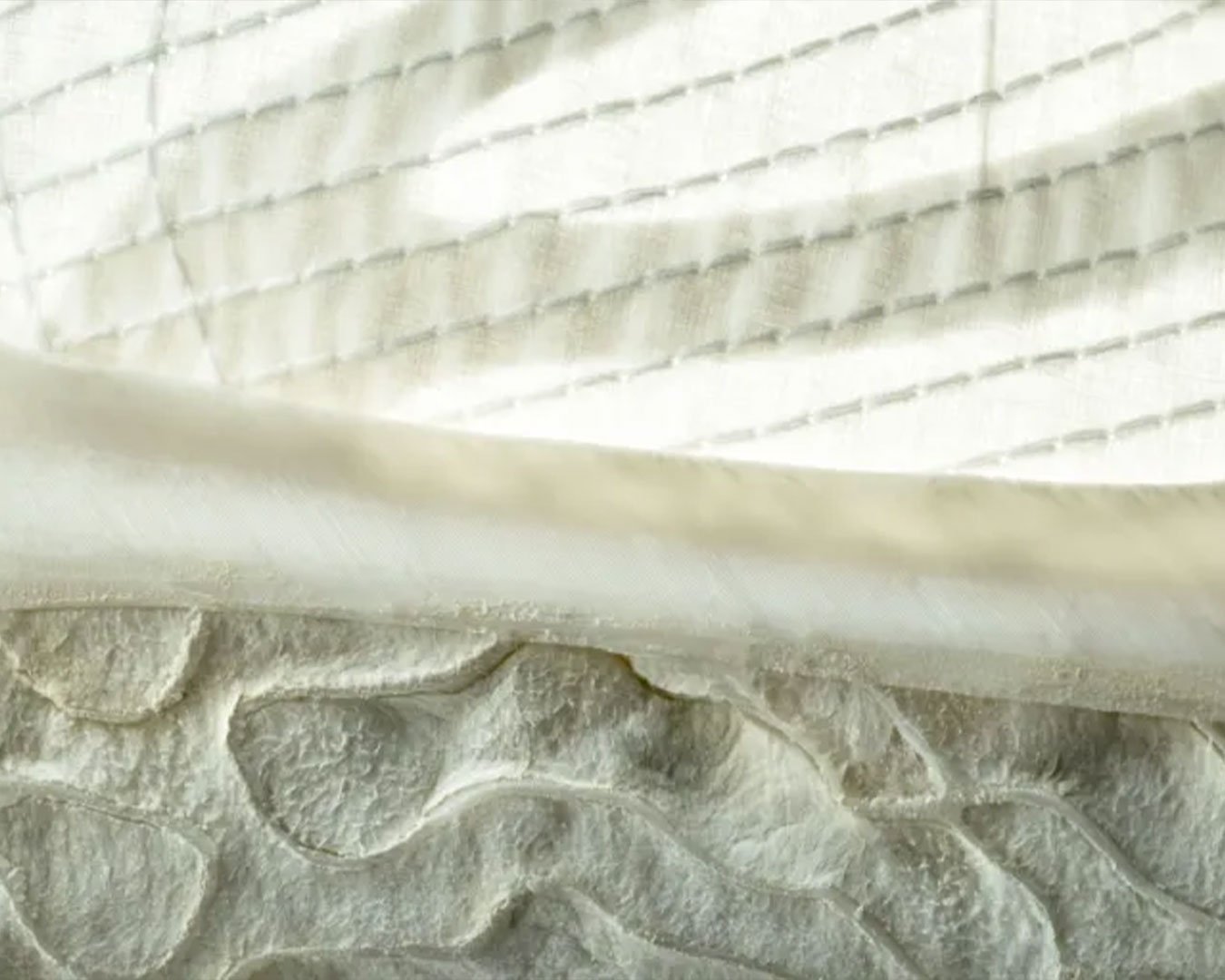
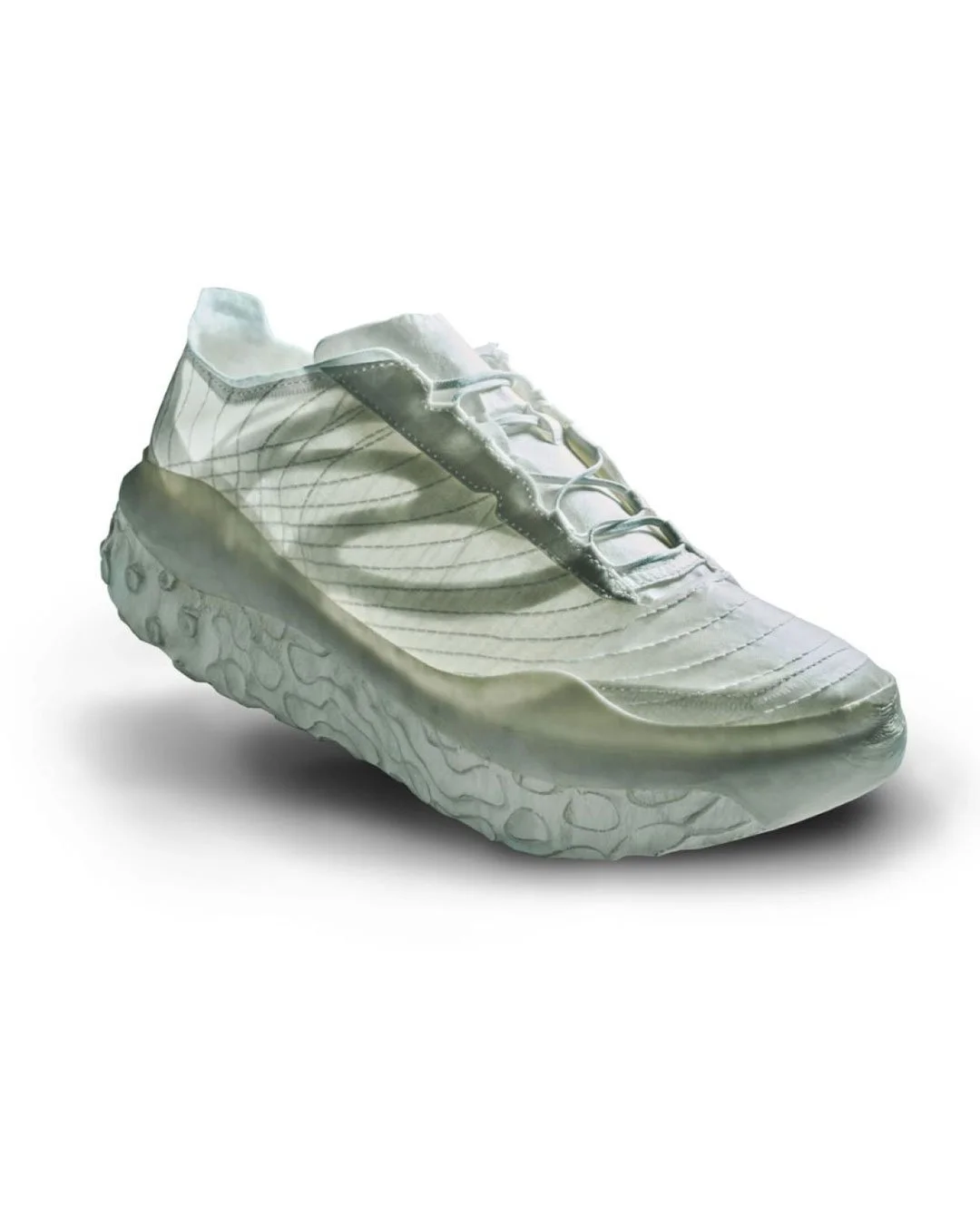
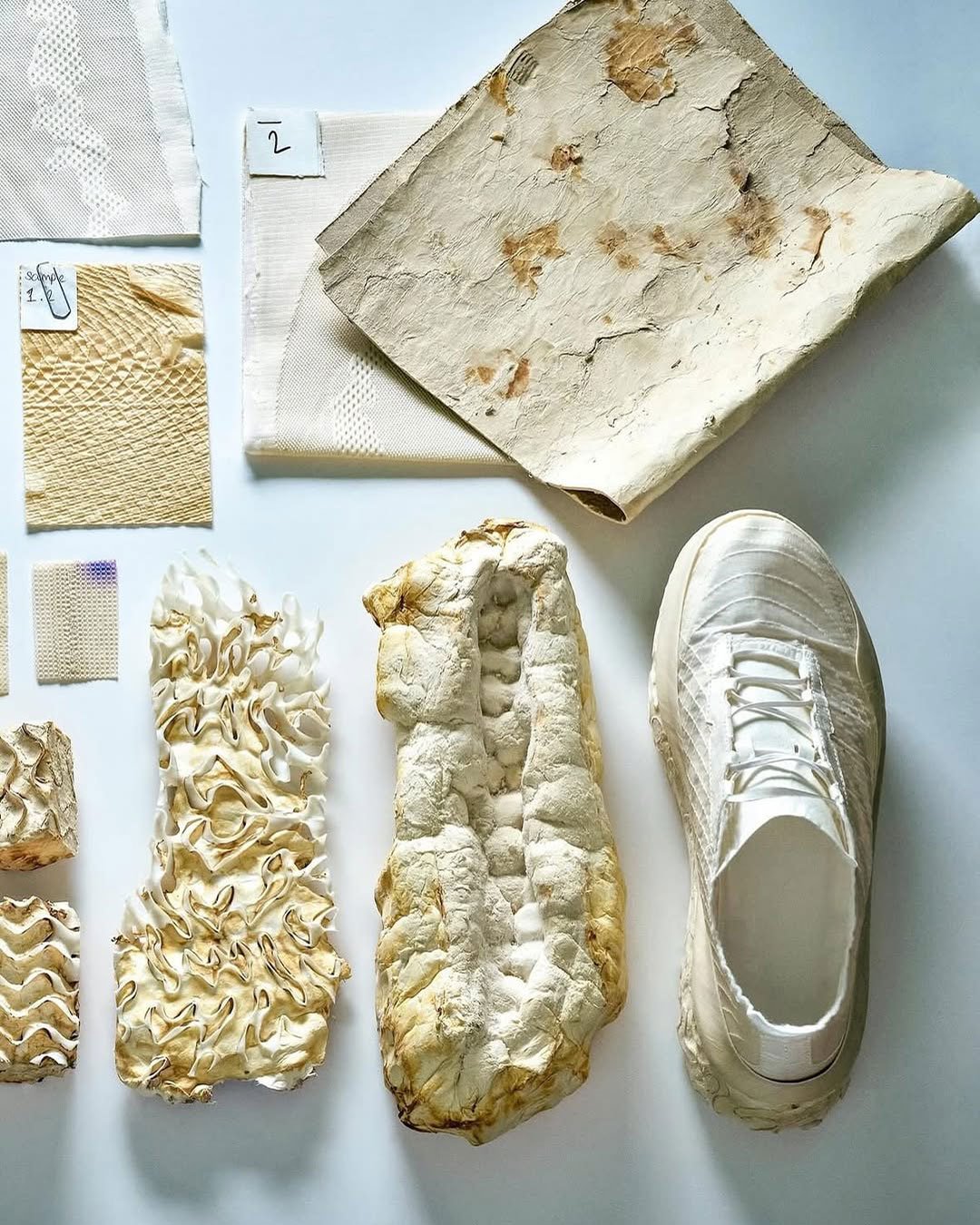
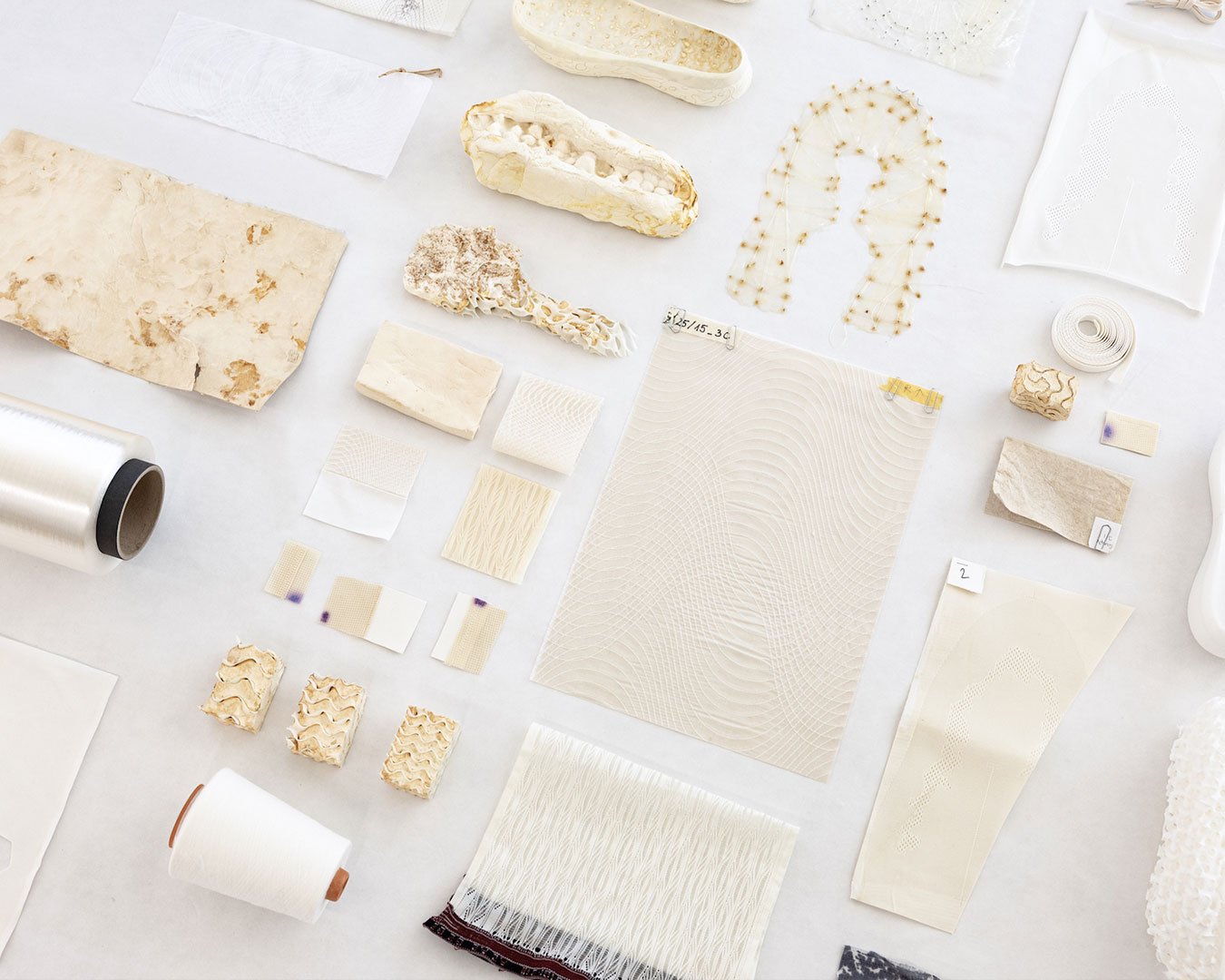
The Korvaa Consortium, presented at Future Fabrics Expo in London in June 2025, demonstrated this multi-technology approach at concept scale. The project brought together Modern Synthesis, Ourobio and Ecovative, using bacterial nanocellulose, PHAs, mycelium, cotton and lyocell in one footwear concept. The upper was made by Modern Synthesis from bacterial nanocellulose grown through fermentation and combined with a cotton substrate. Ourobio 3D-printed the PHA base scaffold. Ecovative then grew mycelium through that scaffold to form the sole structure. The shoe was finished with cotton and lyocell for the laces and lining, and assembled using traditional string lasting techniques.
The shoe is full of microbial material science, but the final construction still relies on an old shoemaking method. It is juxtaposing a very new material stack grounded in a technique that belongs to footwear history.
Korvaa is still a concept, and it should be written about as one. It still has a long way to go before it is robust enough for commercialisation, but it does show that the shoe does not have to be a fossil derived stack of unrelated parts glued into permanence. It can be a collaboration between materials, each chosen for a specific job, with biology doing some of the work that industrial chemistry used to do by default.
Enzymatic Bonding
The projects above are all somewhat tangible, even if some remain experimental. Beyond them sits a more speculative category of technologies that do not just replace adhesives, but rethink what a bond could be in the first place. Enzymatic bonding sits further out than the examples discussed so far, but it points towards a fundamentally different way of thinking about how materials might be joined together.
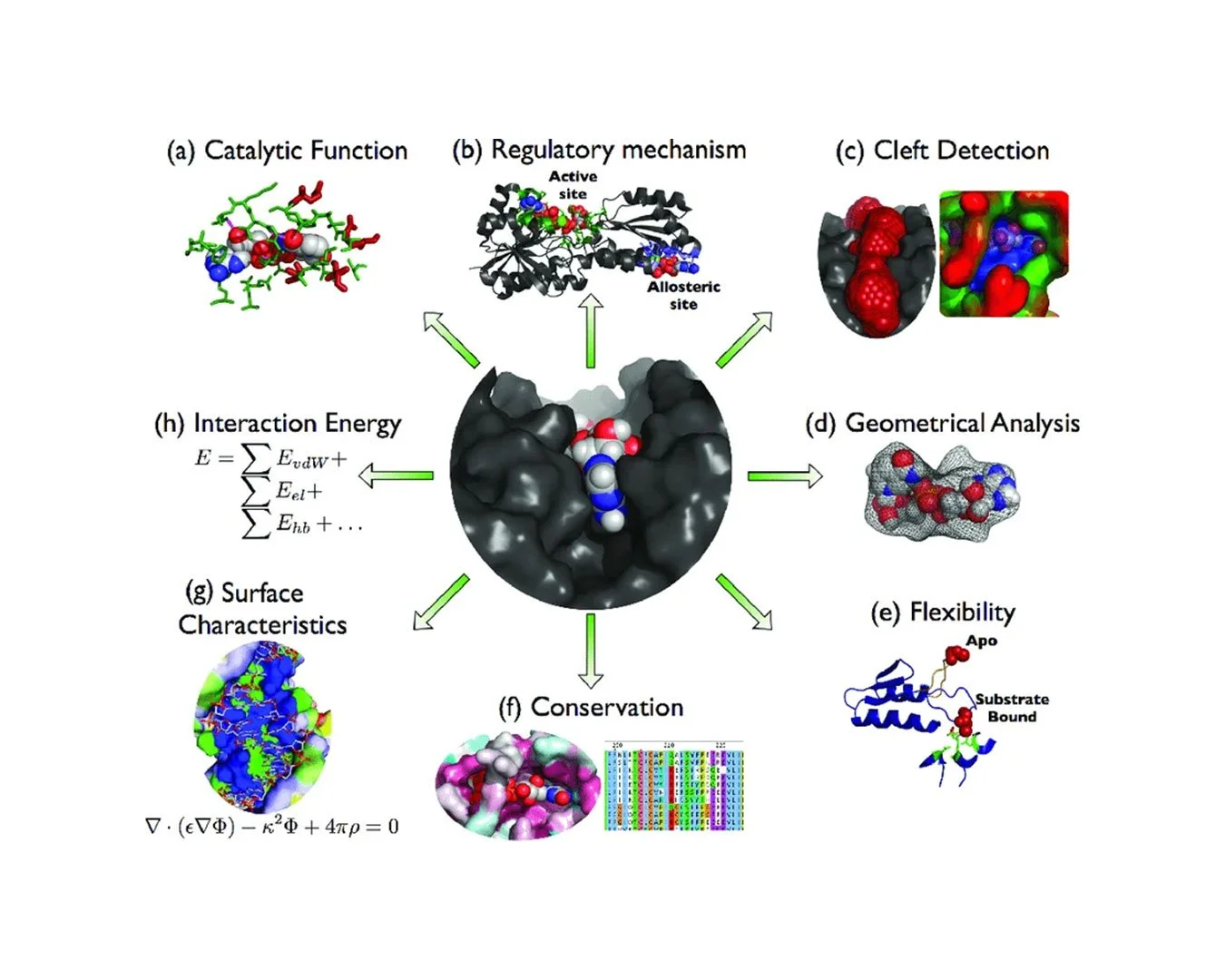
The whole point of a normal adhesive bond is to stay put. Circular design asks for something more nuanced. The bond needs to survive years of flexing, moisture, abrasion and heat, and then, at the end of the shoe's life, it needs to stop being permanent. This is where enzymatic bonding becomes a useful way to think about the future, even if the actual footwear applications are still early. In theory, a biological process could help create a bond under one set of conditions, and another controlled process could help break it later.
It also lines up with where regulation is going. The EU's Ecodesign for Sustainable Products Regulation is pushing products toward better durability, repairability and recyclability, and the Commission has also moved to prevent the destruction of unsold apparel, accessories and footwear for large companies from July 2026. Footwear brands have spent a long time designing as though the product disappears after purchase. It does not. It comes back as waste, as regulation, as consumer scrutiny, or as a recycling problem nobody has built the infrastructure to handle yet.
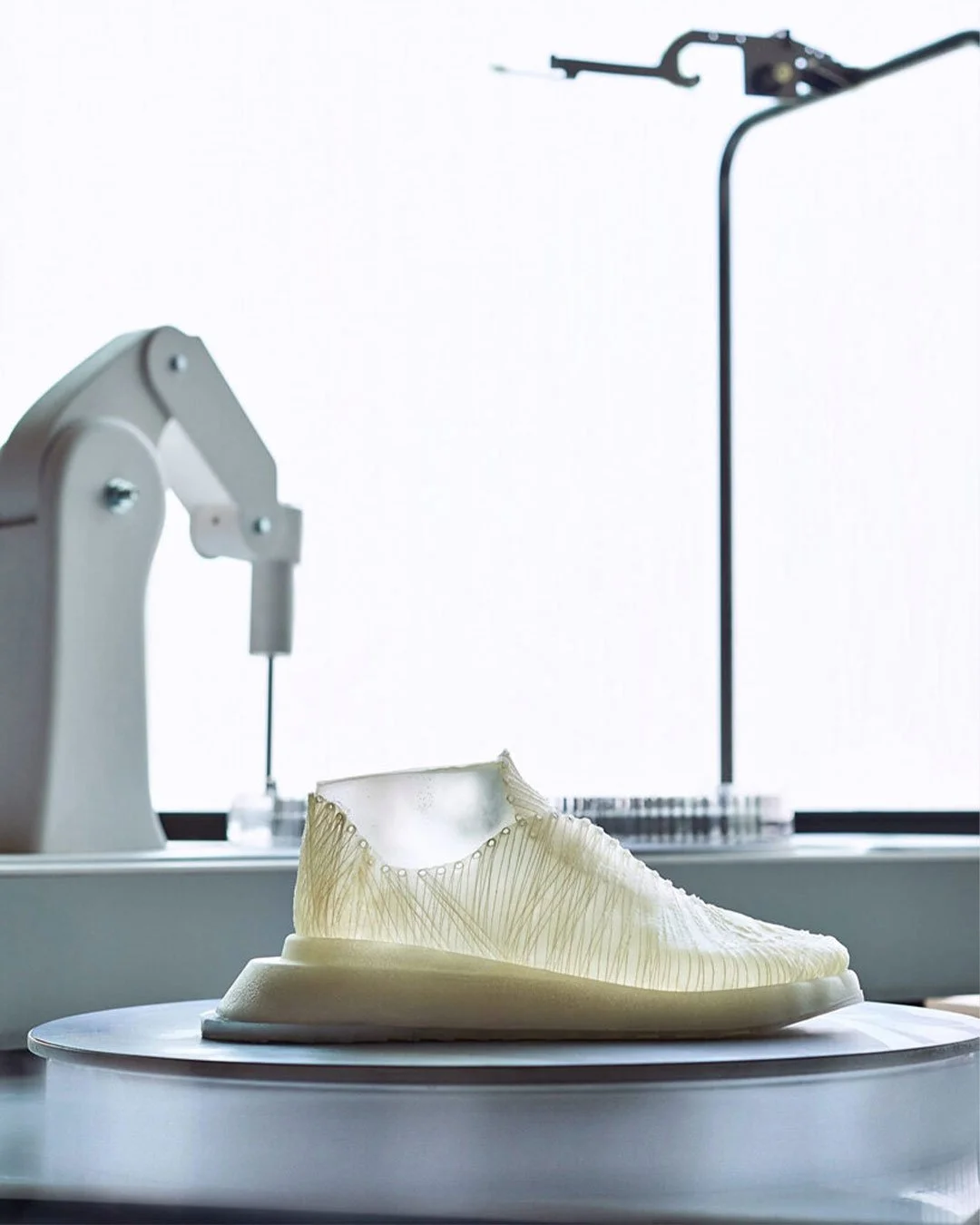
That shift may influence more than material choices. It may also change the way footwear communicates its construction. Conventional footwear construction is very good at hiding itself. Even in sneakers that look technical, a lot of the actual engineering is concealed. In our quest for "the sleek," some of the best design has been built around the beauty of concealment. Bio-welding and grown construction change that relationship slightly. These newer approaches have the potential to be more legible. A fused seam can become part of the visible design language and a material transition can be expressed rather than disguised. In each case, the process leaves a trace.
There is value in that. You may not see every decision in the same way you see a hand stitch, but the object still carries evidence of its making. I would not frame this as craft being replaced by science. The craft is simply moving. It used to live mostly in the workshop and in the hands of the maker. Now it might also live in the lab, the growth chamber, the toolpath or the material recipe.
For a long time, footwear treated the bond as something to bury inside the shoe, but the next generation might make it something worth looking at.