
Sole Systems 009 : Driving Shoes
Born Behind the Wheel
Written by Leah Balagopal
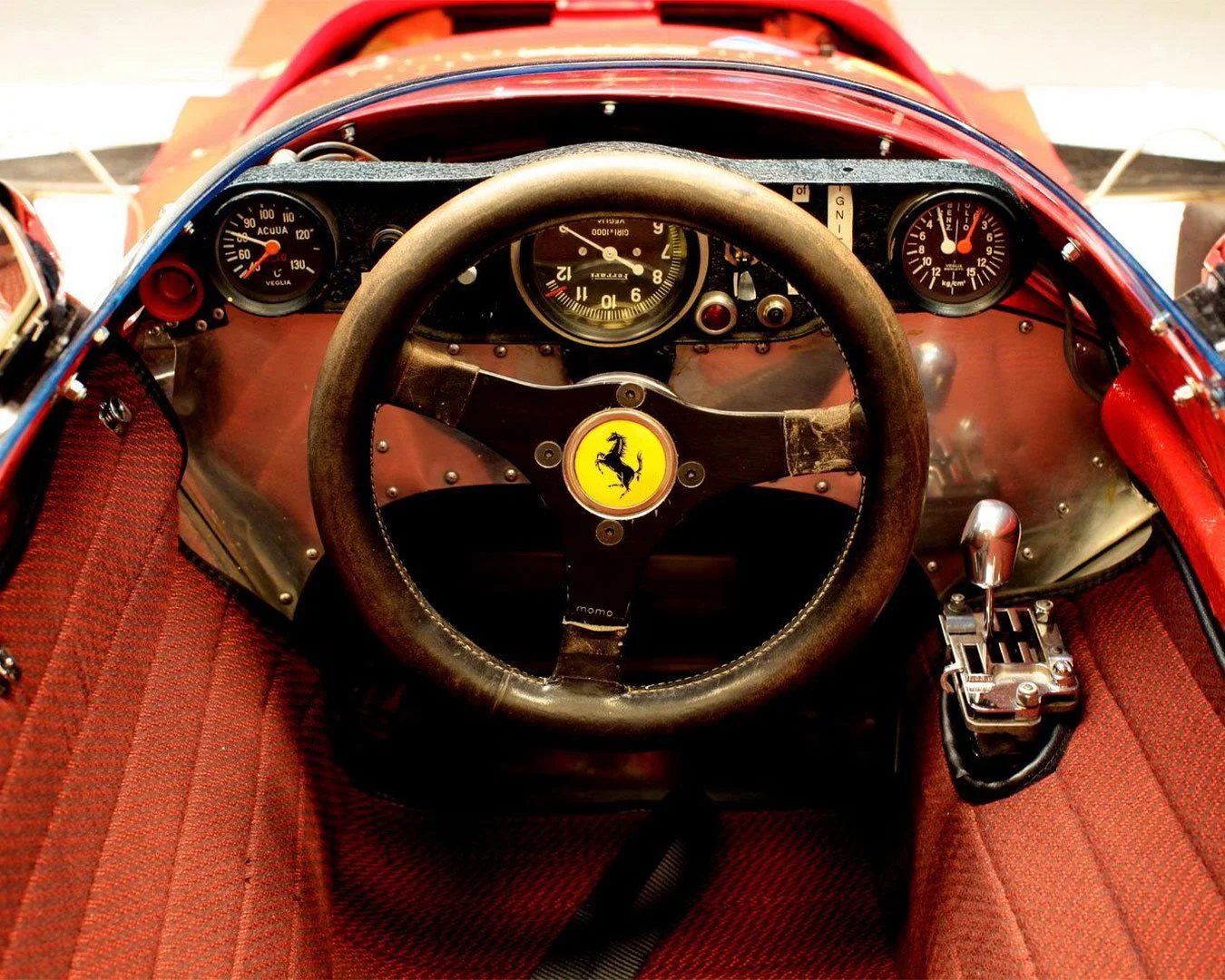
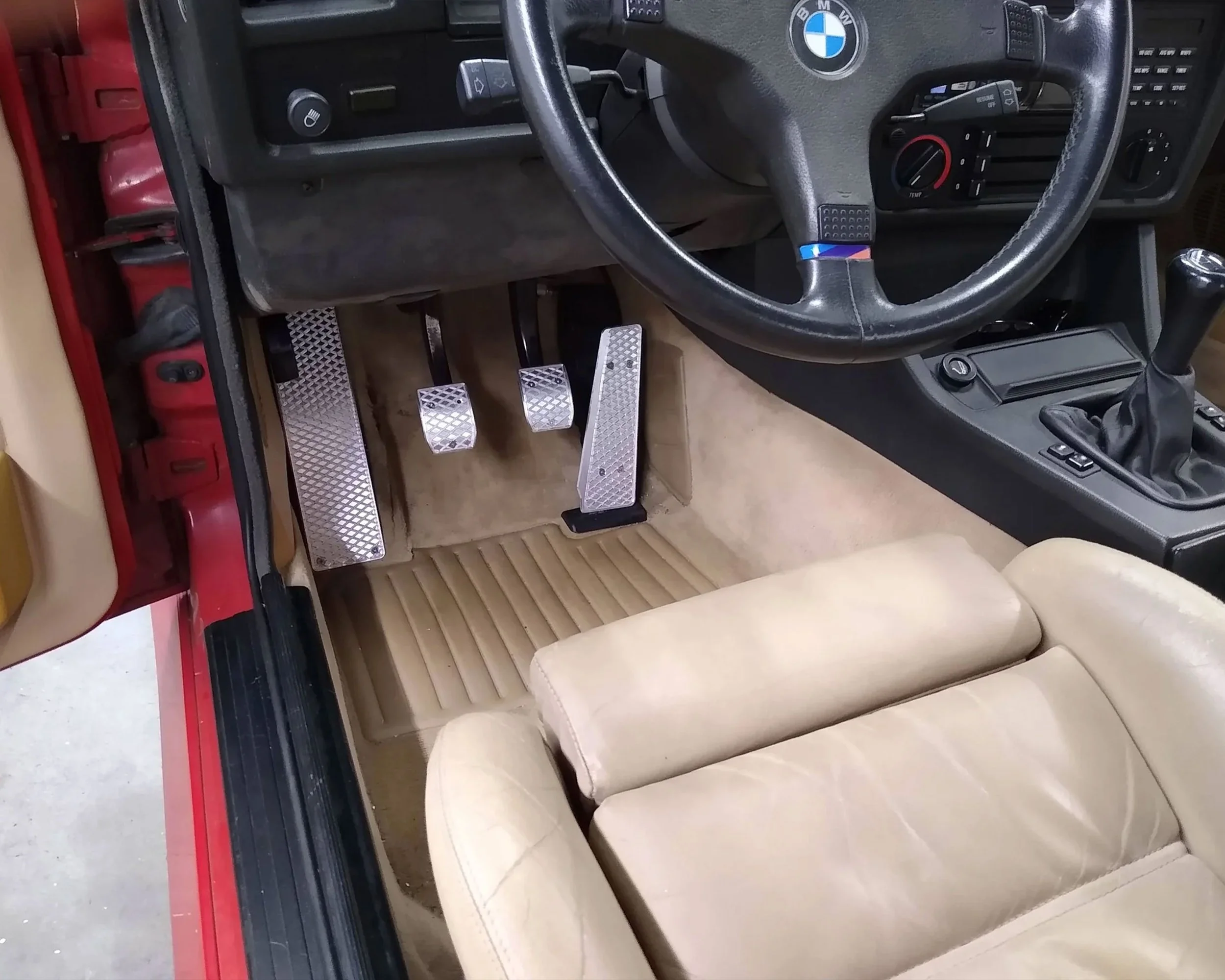
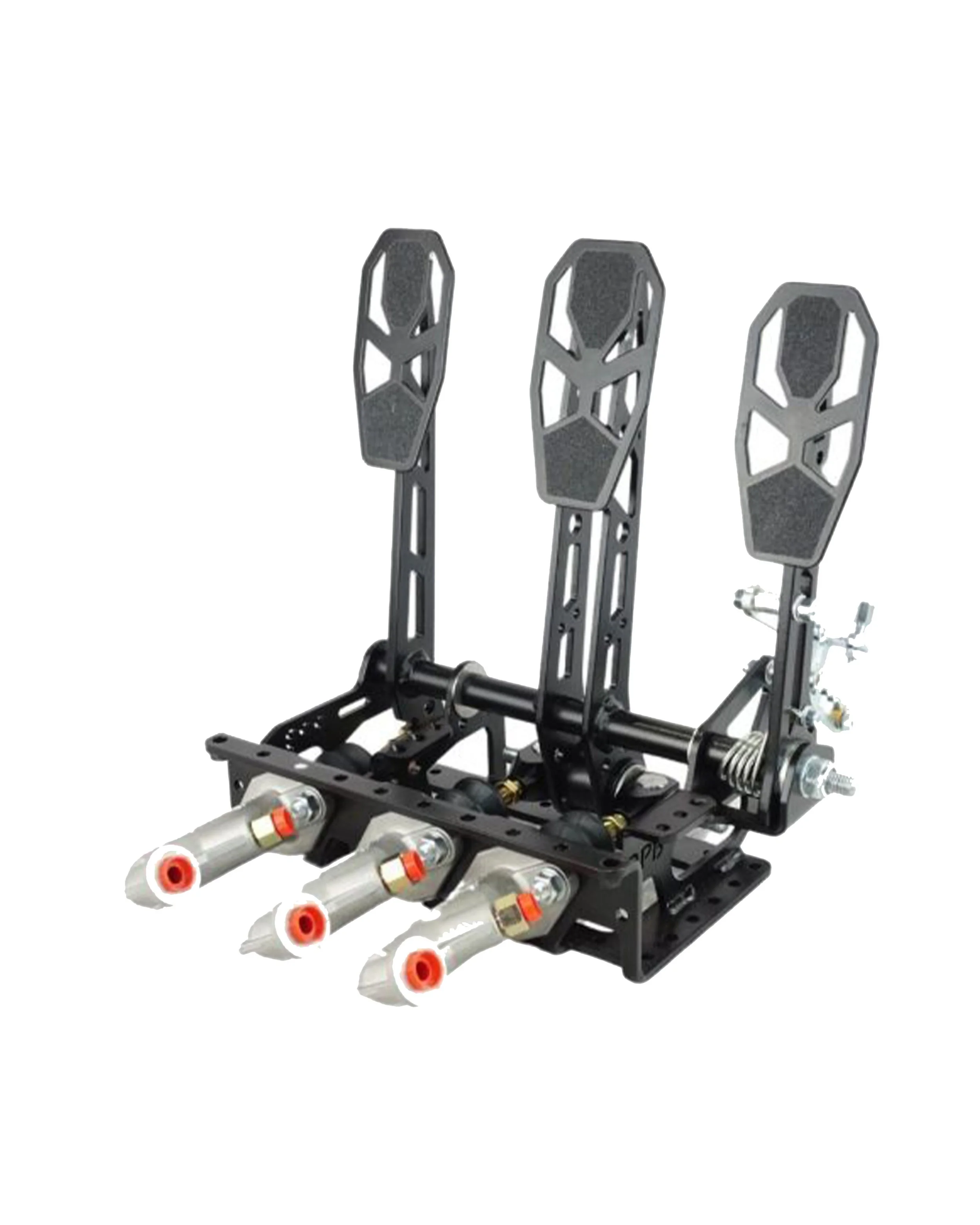
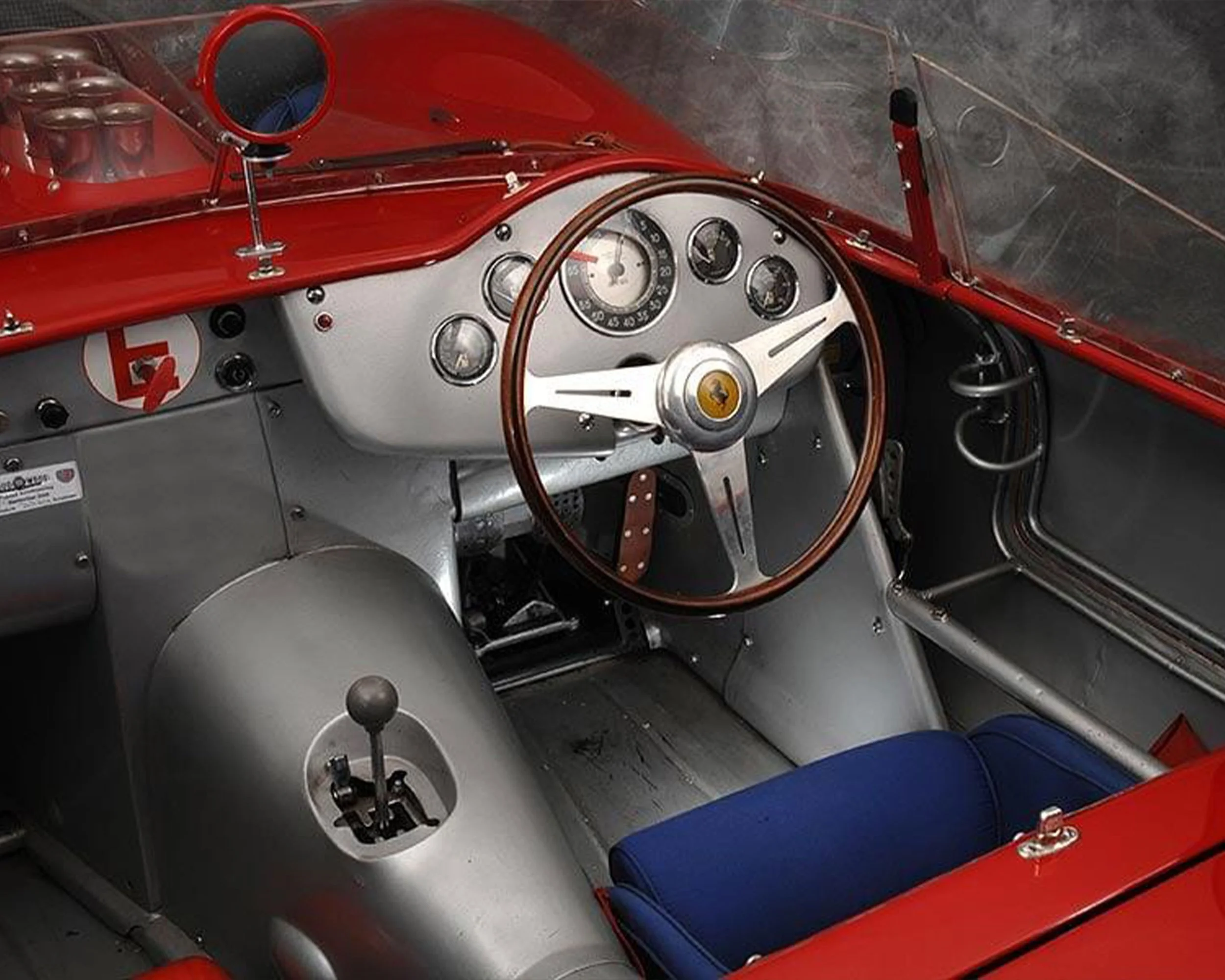
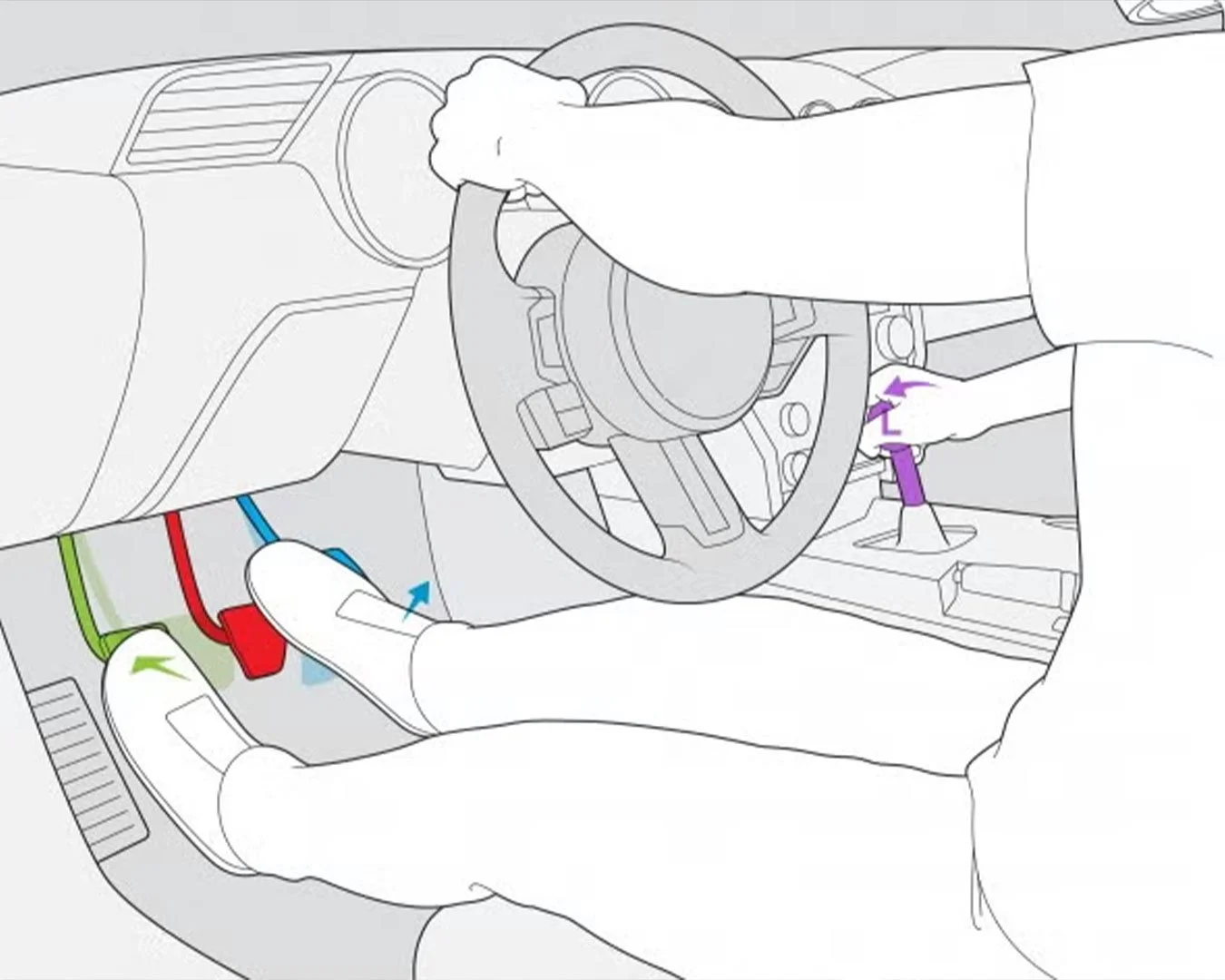
The driving shoe emerged during the golden age of motoring, when driving demanded a level of mechanical engagement that has largely disappeared from modern cars. Without power steering or automatic transmissions, driving is an active process. Drivers constantly balance clutch, brake, and throttle inputs while managing increasingly powerful sports cars on increasingly demanding roads. What you have on your feet plays a surprisingly important role in that experience.
Traditional leather soled shoes often lacked grip against metal pedals, while heavier boots could dull the driver's sensitivity and make precise inputs more difficult. Drivers wanted something lighter and more flexible in order to feel better connected to the pedals beneath their feet. Not dissimilar to the desire rock climbers have, which is my largest point of reference for this and was discussed in the Surface Tension series. The biggest difference is that a climbing shoe would never get mistaken for a luxury object.
Everything about the driving shoe exists for a reason, which is a rare thing to say about anything in a luxury wardrobe. It is a purpose built tool designed to do one thing exceptionally well. The sole is thin because drivers want to feel the pedal the way you feel a pebble through a sock. The thinner the barrier, the finer the control and greater sense of connection from driver to vehicle. Flexible construction allows the shoe to move naturally with the foot. You can fold most of them nearly in half, although I do not recommend testing that out in the Prada store. The rubber nubs that set these shoes apart from your average loafer climb up the heel because, in the era before automatic everything, your heel sat planted on the floorboard for hours. The Italians looked at this problem and, being constitutionally incapable of solving anything ugly, produced an answer you could wear to lunch.
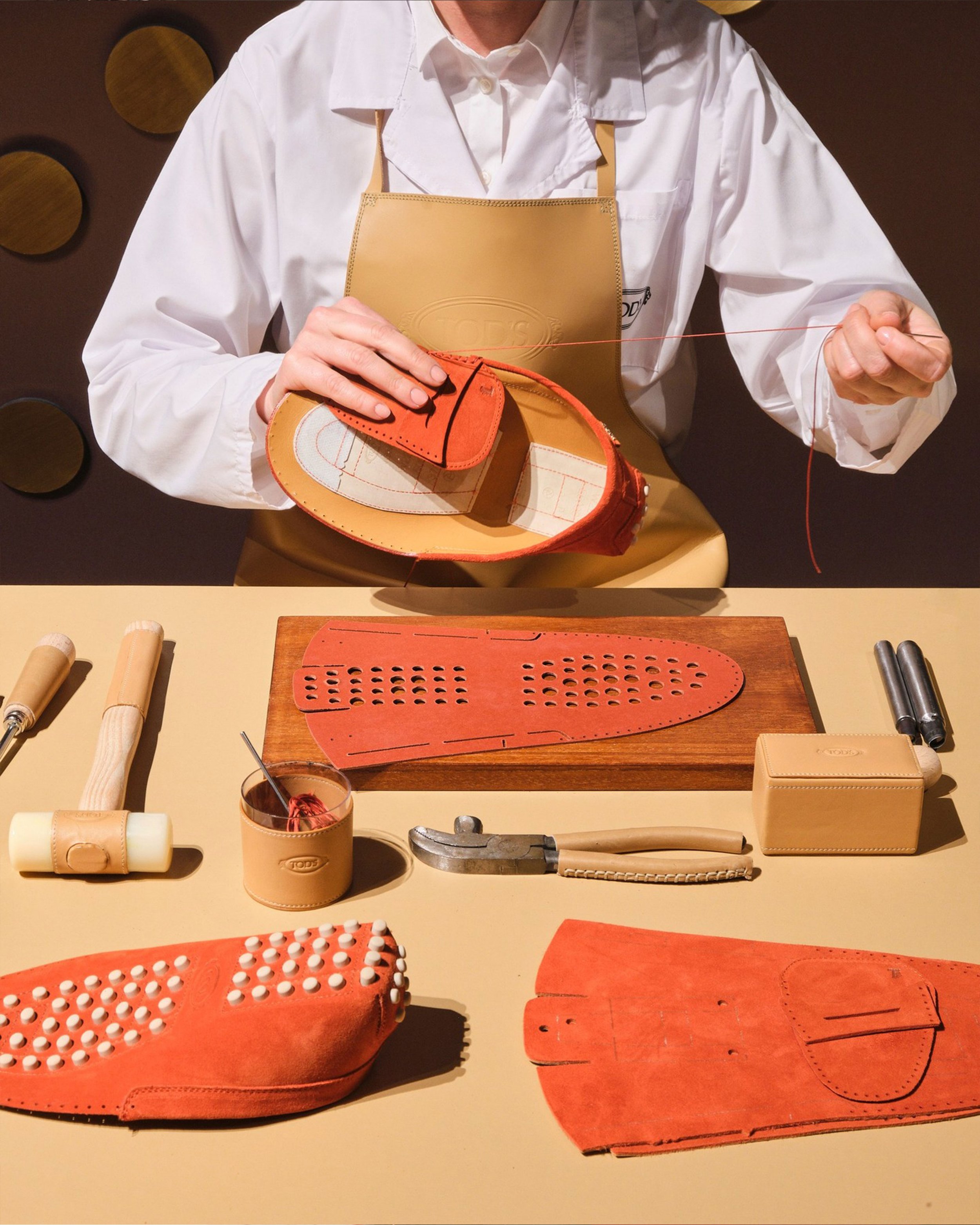
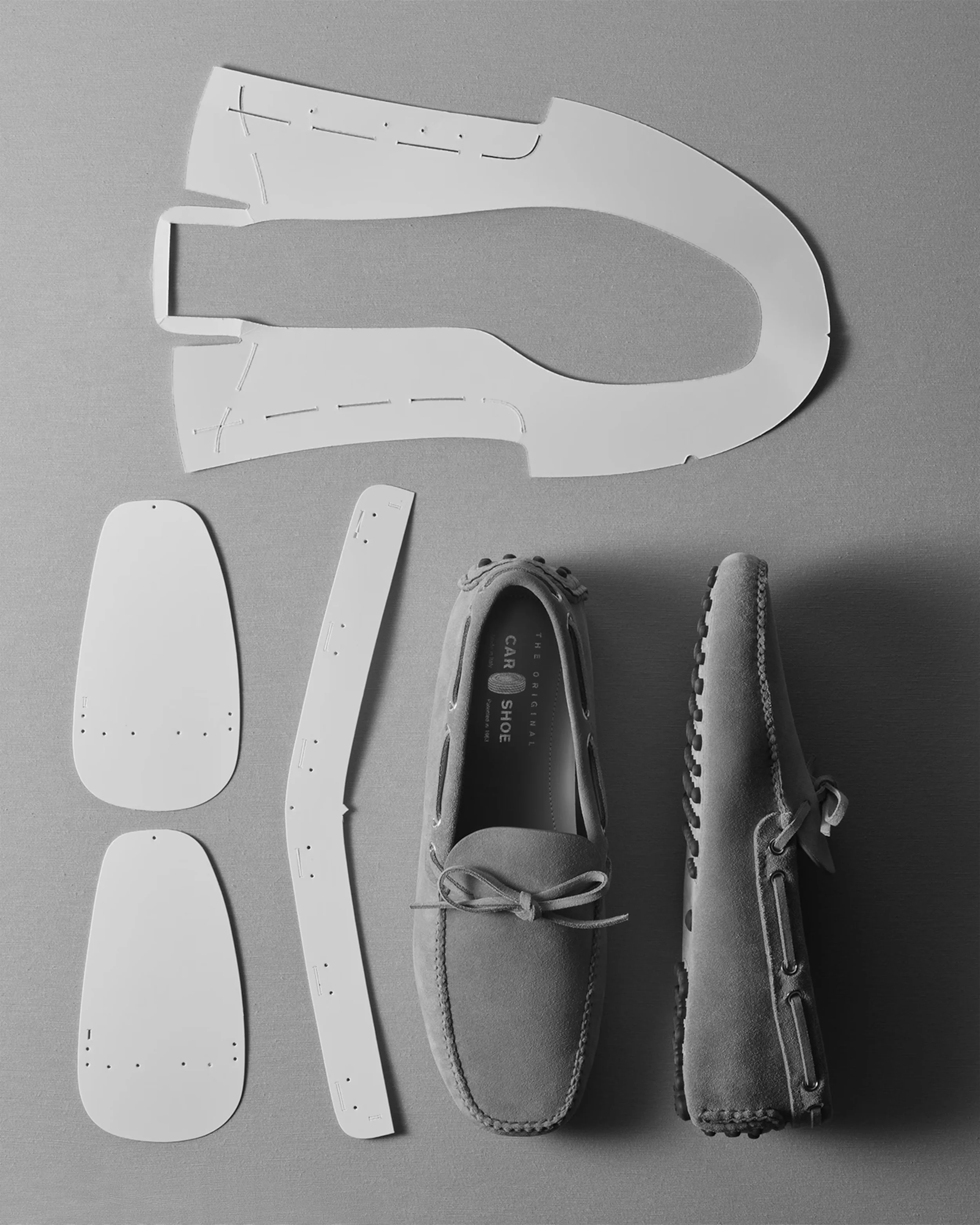
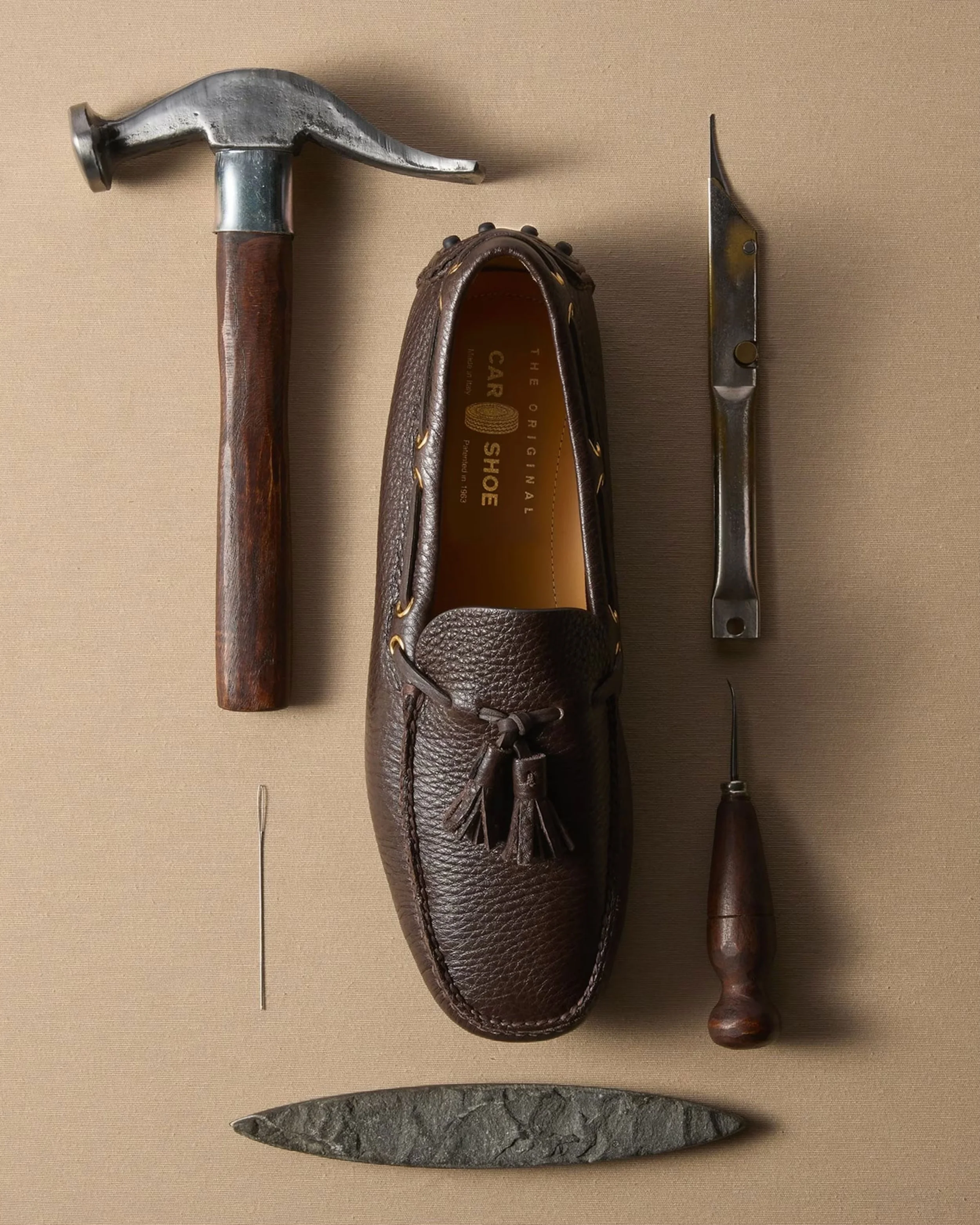
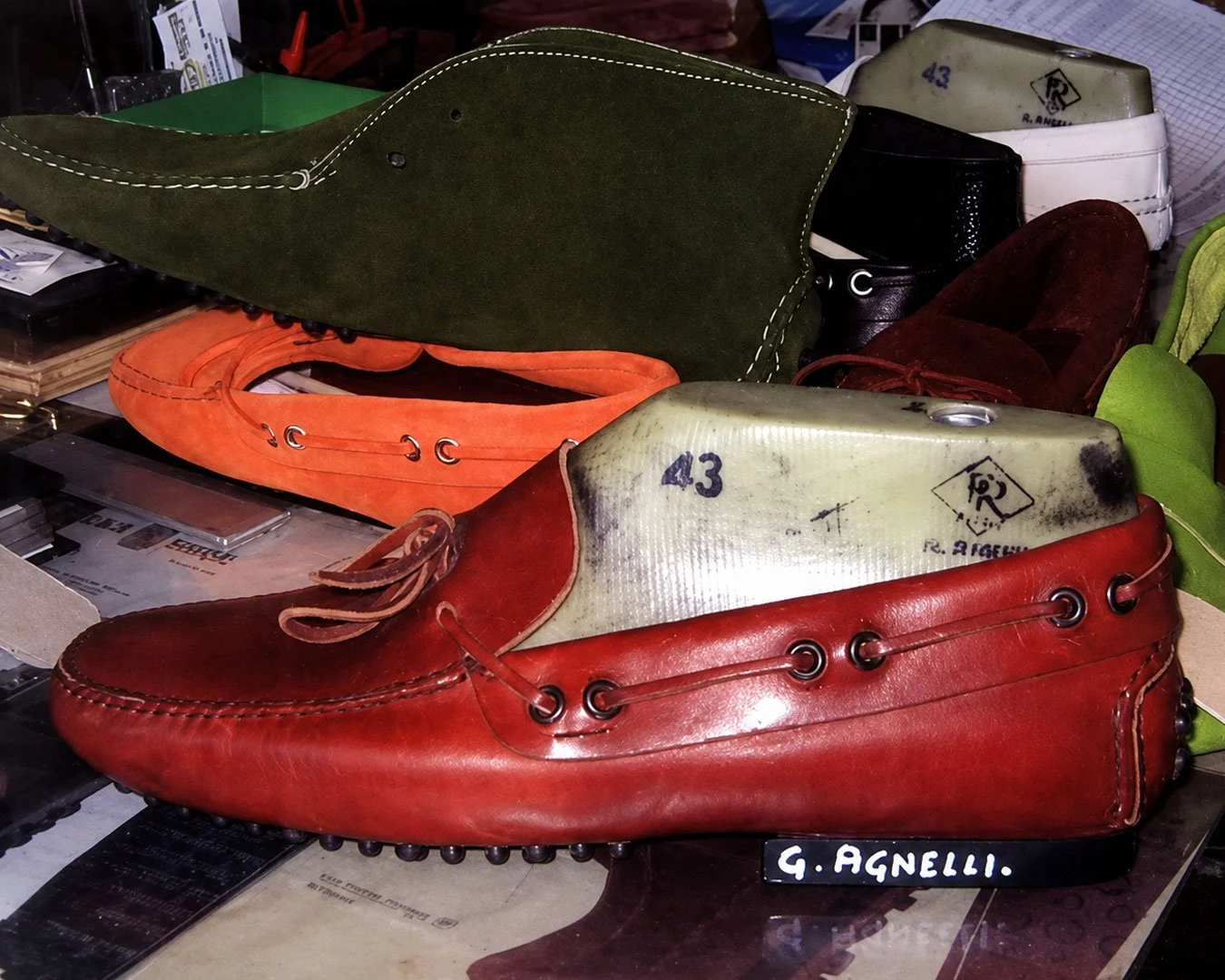
The answer drivers arrived at differs from the conventions of modern shoemaking. Most dress shoes are built from the ground up. Traditionally there is a stiff insole that is fixed to a last. The upper is pulled tight over it, and a substantial outsole is attached by welt or cement, often with a steel or wooden shank bridging the arch. The result is structured and rigid, precisely the qualities drivers do not want.
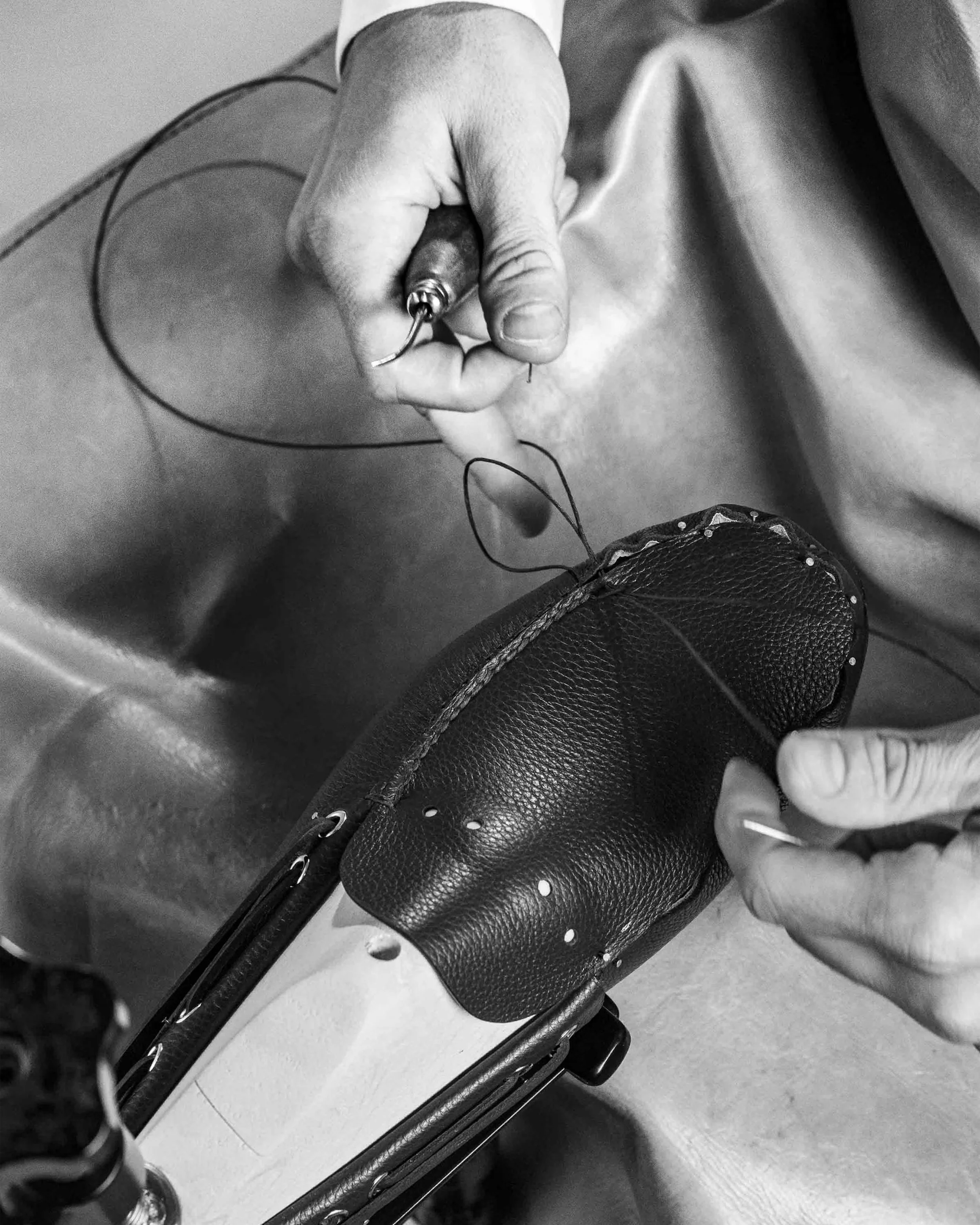
The driving shoe inverts the formula. It is built on true moccasin construction, one of the oldest methods in shoemaking. A single piece of leather forms the bottom of the shoe and wraps up around the sides of the foot, and an apron panel, the plug, is stitched across the top to close it. There is no shank or stiffened insole board, and often little more than a hint of a heel counter. Without internal structure, the shoe bends wherever the foot bends. The ankle can articulate freely between pedals and the ball of the foot can flex through a full throttle stroke without fighting against the sole.
The hand-stitching matters too, and not only as a mark of craft. Sewing the plug to the vamp by hand allows the maker to control tension stitch by stitch around the curve of the toes, gathering the leather so it cups the foot without pinching it and the seam can act as a hinge. Much of this work is invisible once the shoe is on, but it is the reason the category feels the way it does.
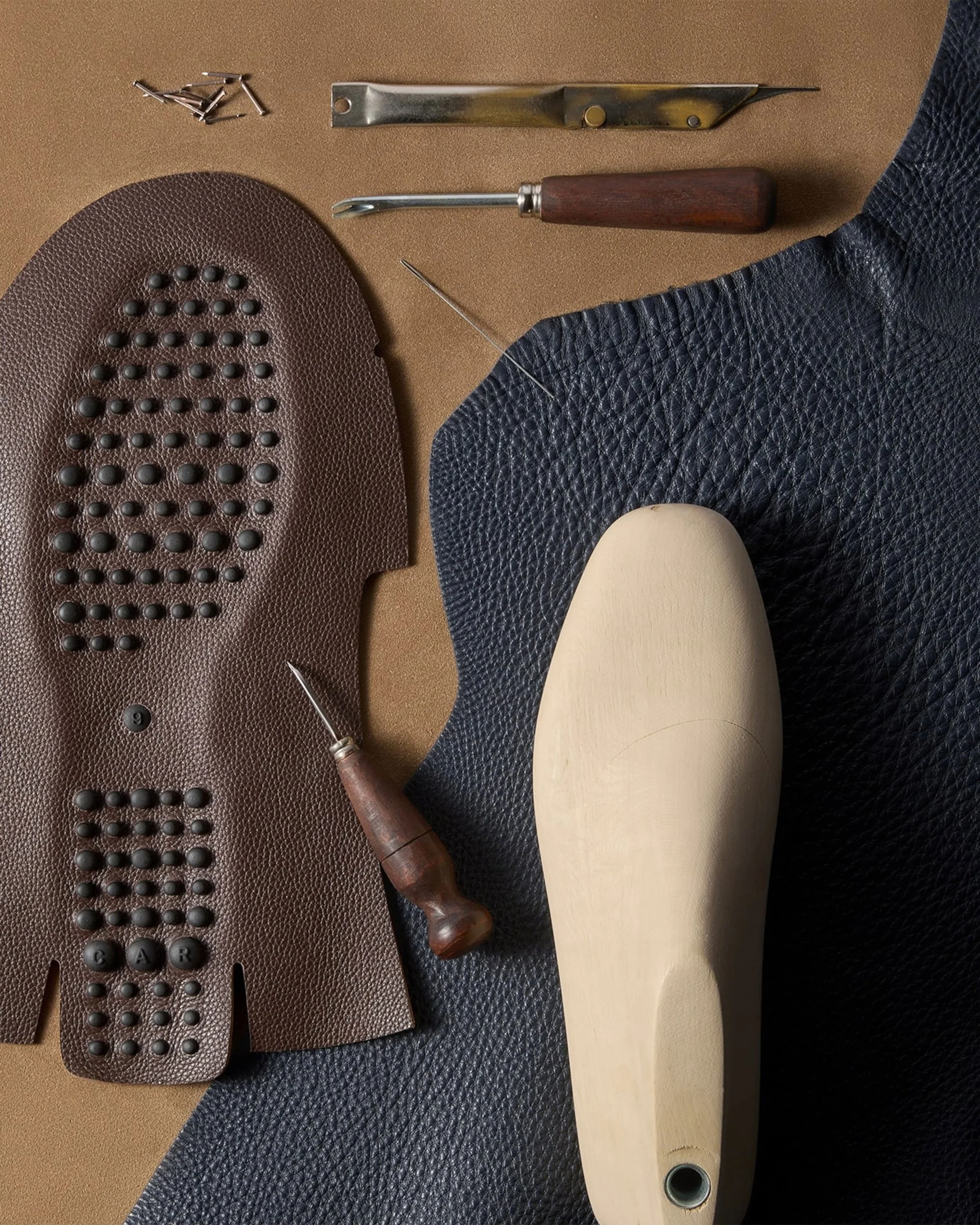
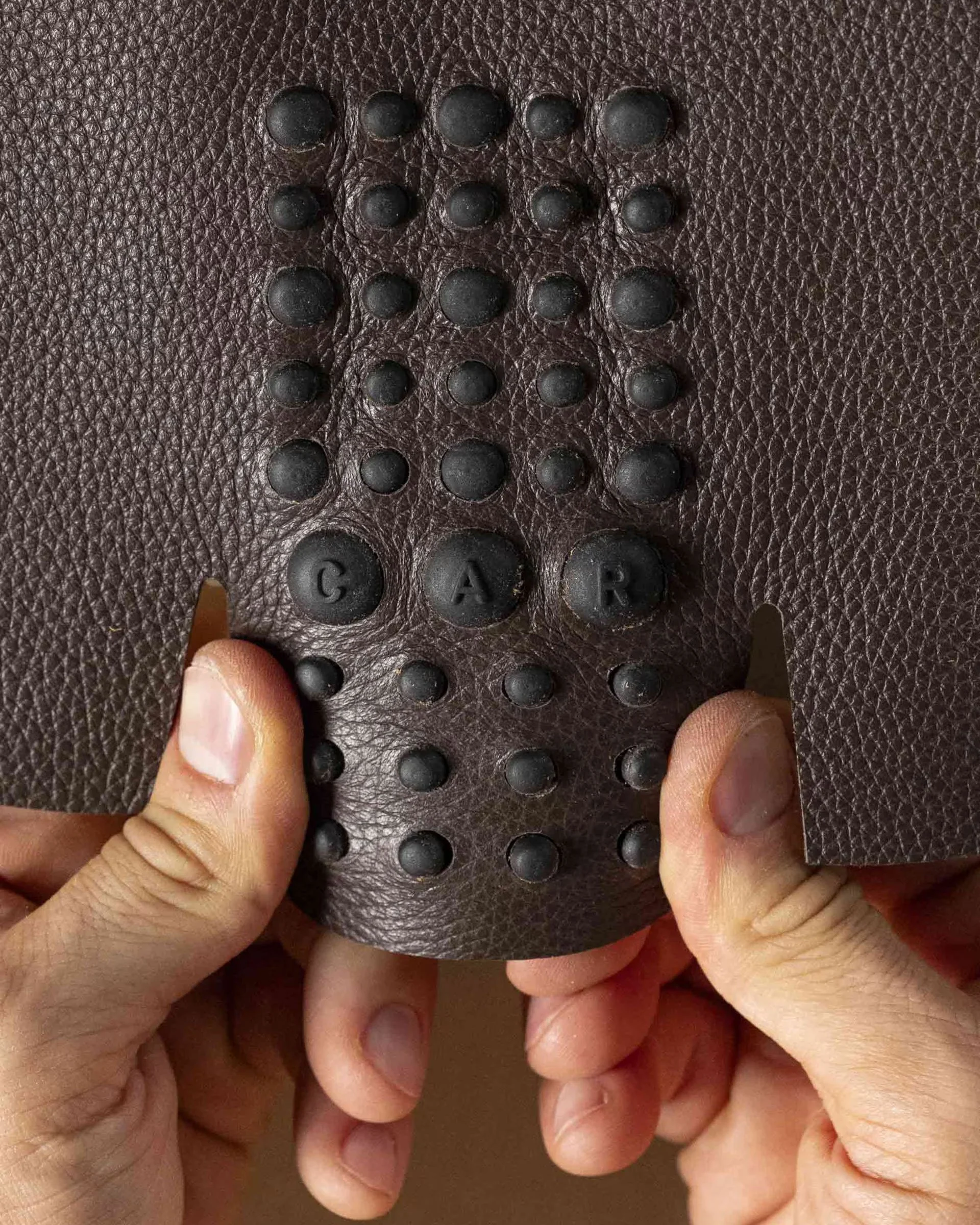
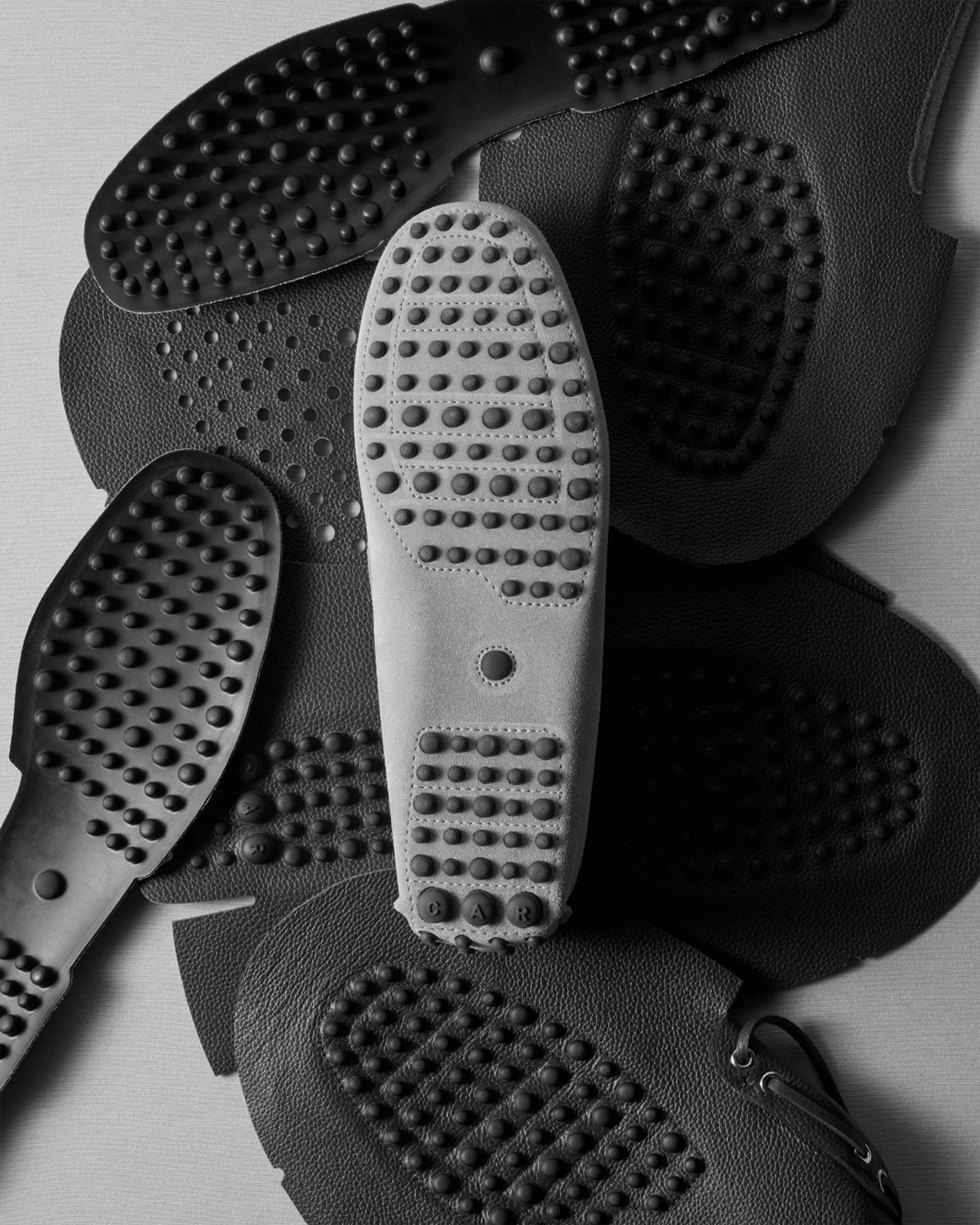
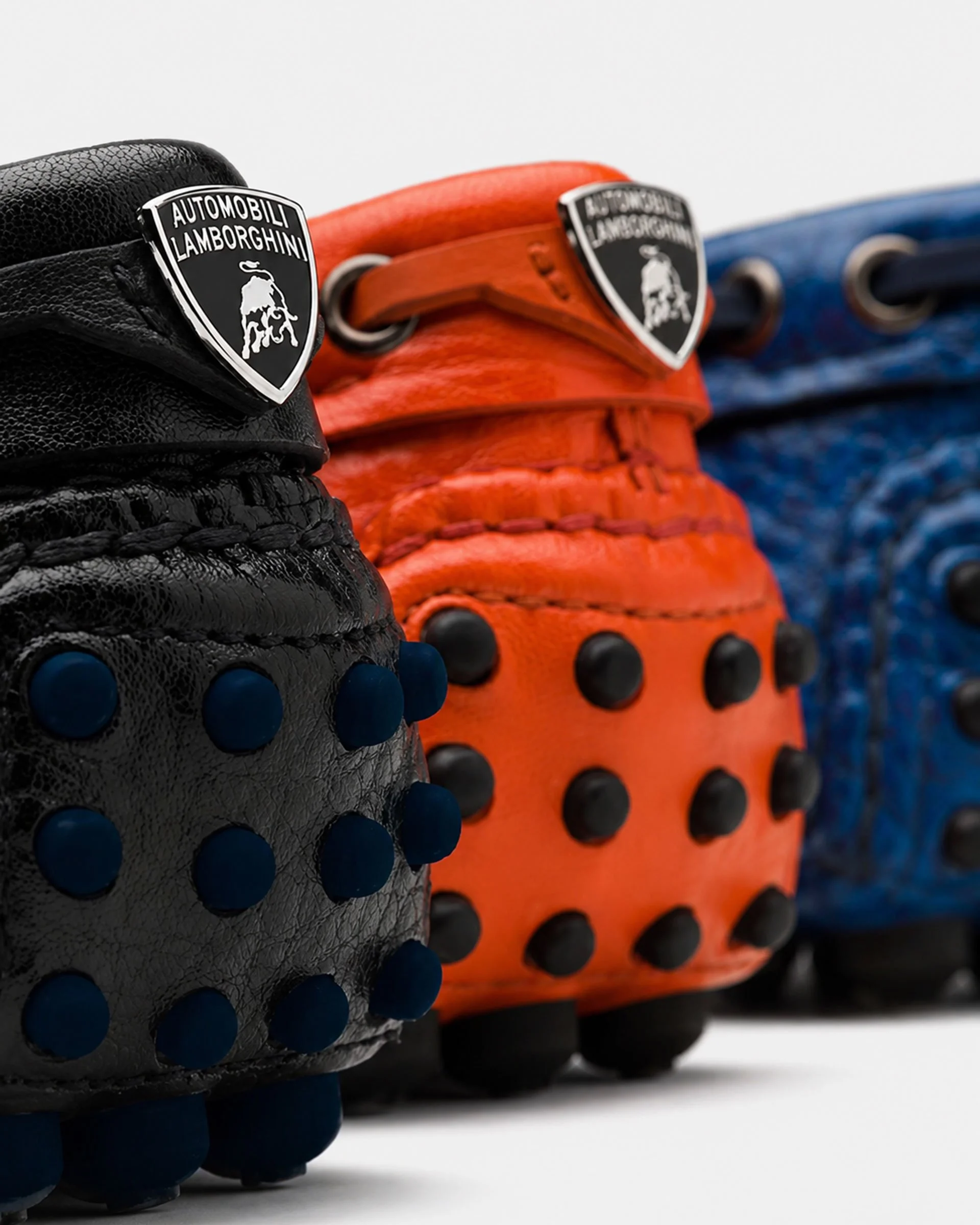
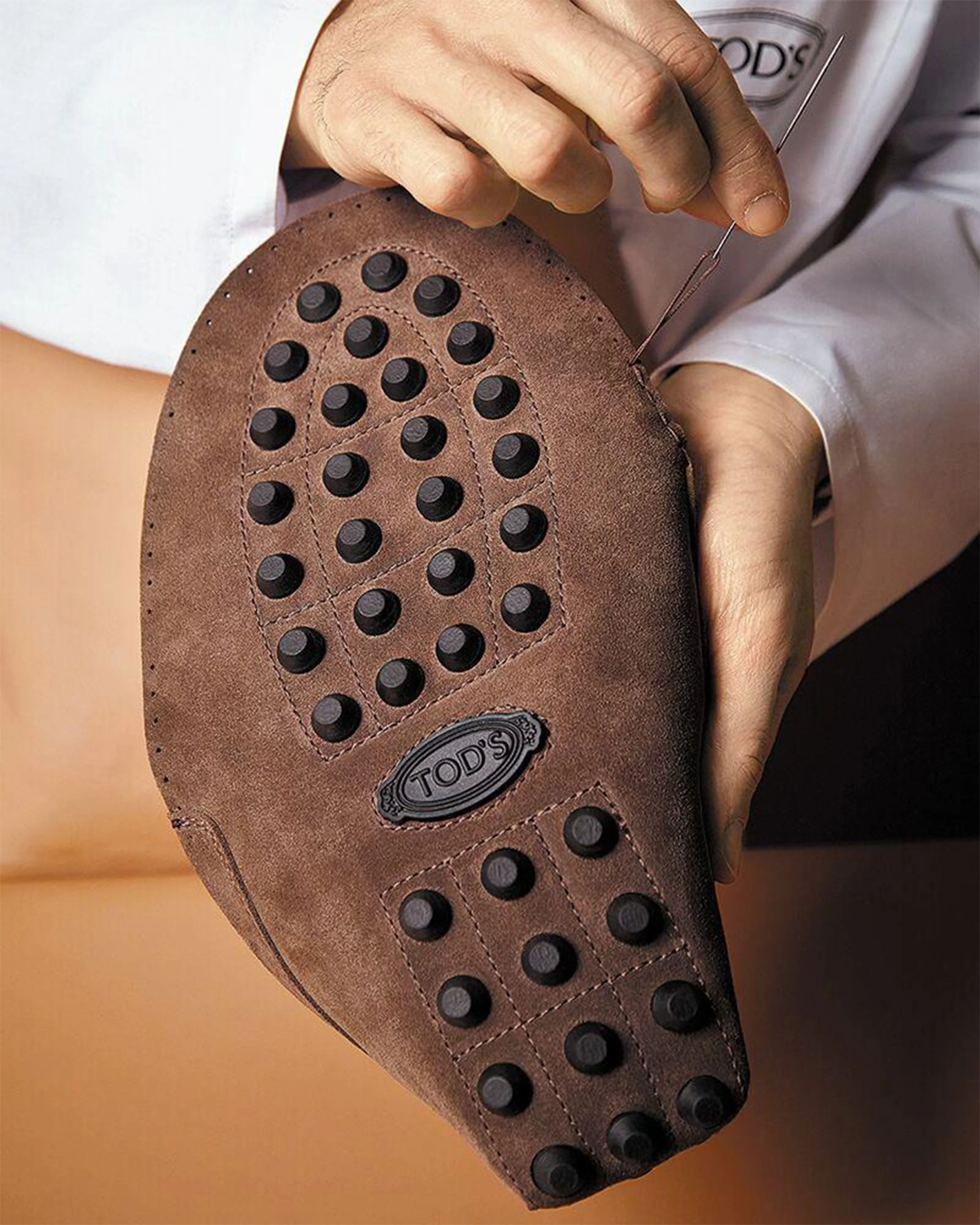
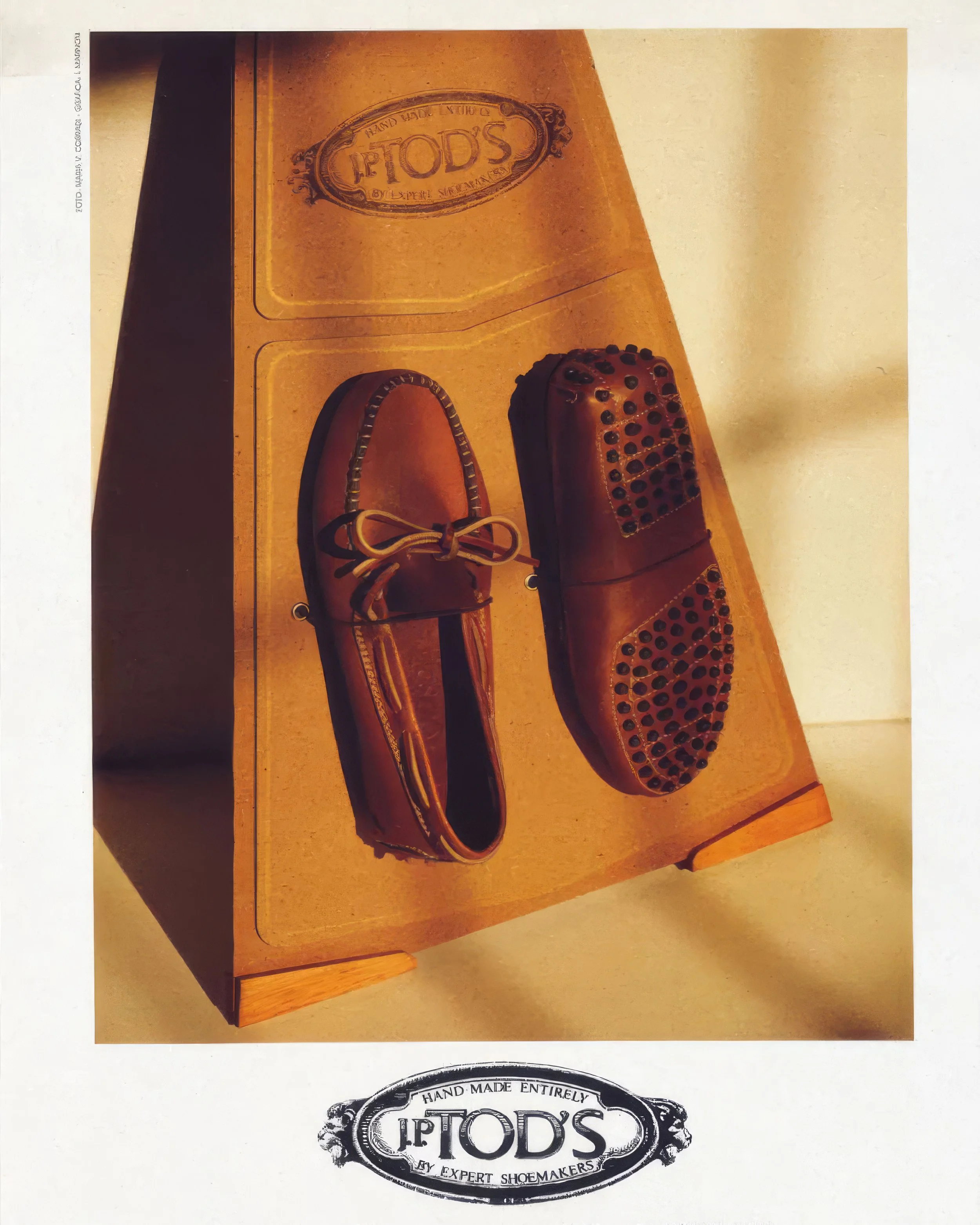
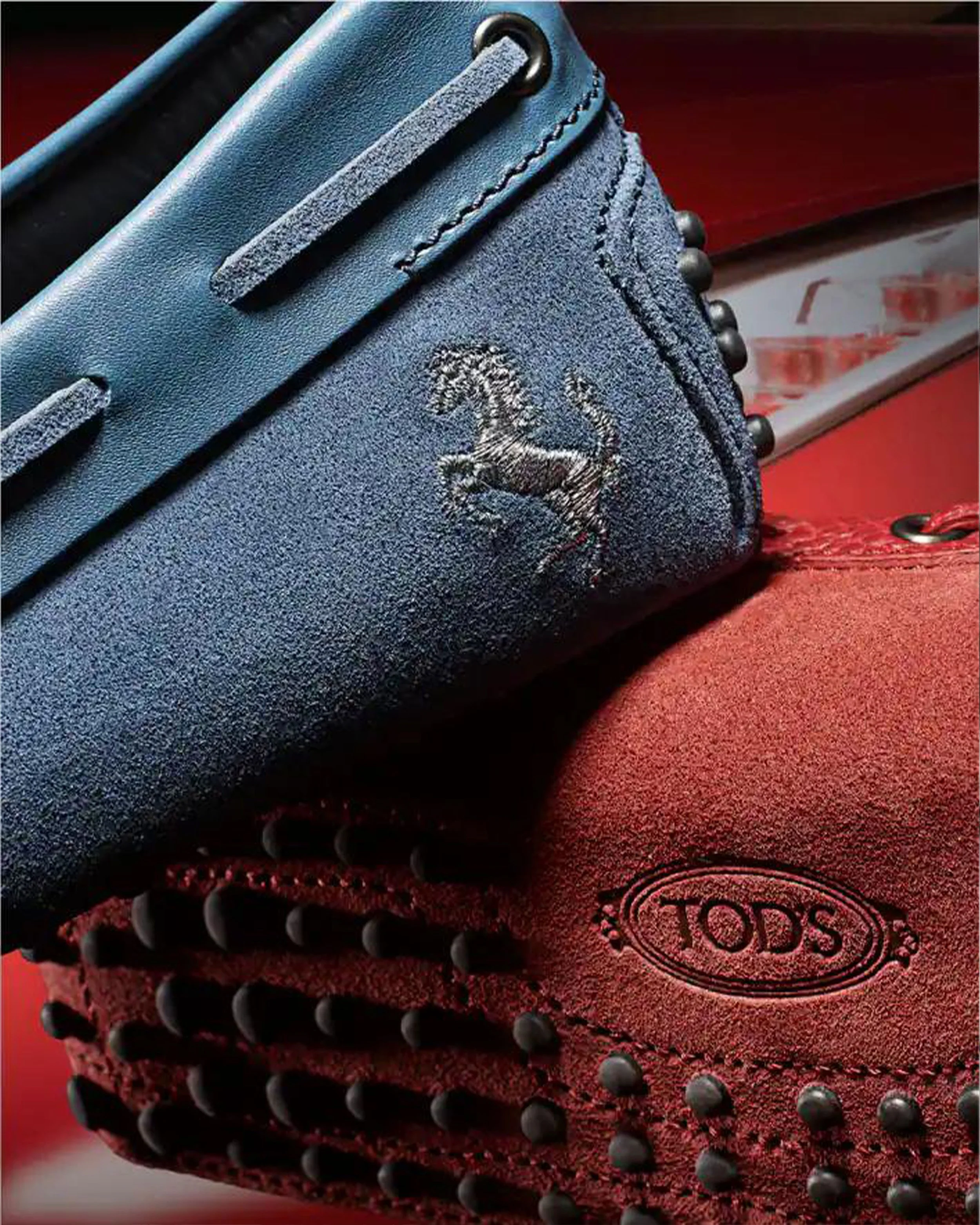
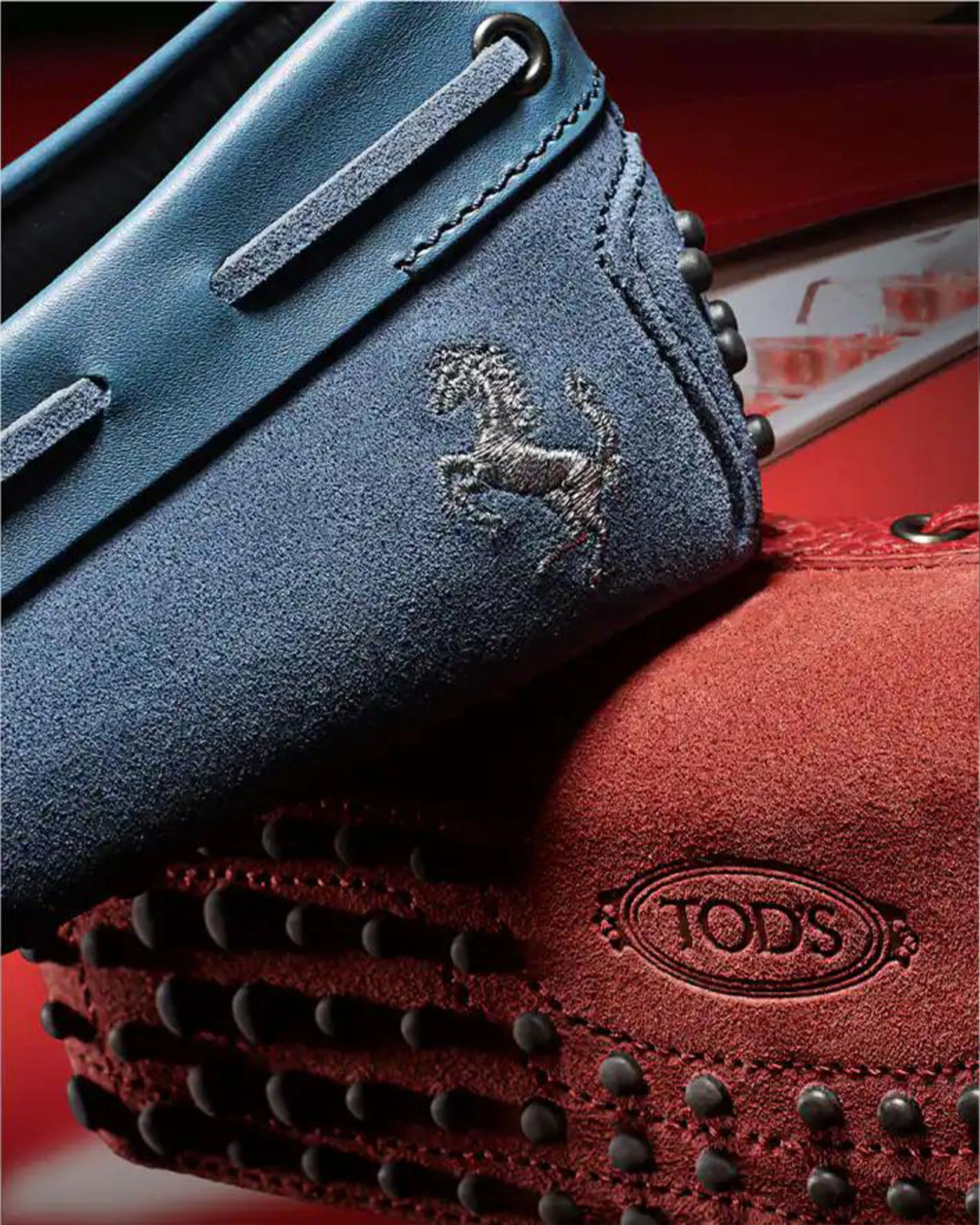
Then there is the driving shoe signature, the sole. Small rubber nubs, called the gommino in Italian, extend across the bottom of the shoe and wrap up over the heel. The rubber grips metal pedals where smooth leather would slide. The spacing of the nubs lets the foot pivot on the heel without catching, which matters when the right foot is rolling constantly between brake and throttle. Some designs carry the rubber partially up the side of the foot as well, a detail borrowed from racing footwear, where heel and toe downshifts, braking with one part of the foot while blipping the throttle with another, create wear in places no ordinary shoe experiences.
Unlike footwear built for cushioning or impact protection, the driving shoe prioritizes sensation. A driver modulating brake pressure on a descending mountain road is working with information that arrives through the sole of the foot.
The materials used, soft suedes and unlined calfskins reduce break in time. They breathe well enough to wear sockless and stay comfortable through hours behind the wheel. None of these choices were made for walking. The thin sole that transmits pedal feel transmits pavement just as faithfully and the rubber nubs that grip metal wear down quickly on asphalt. The driving shoe is honest about what it is for.
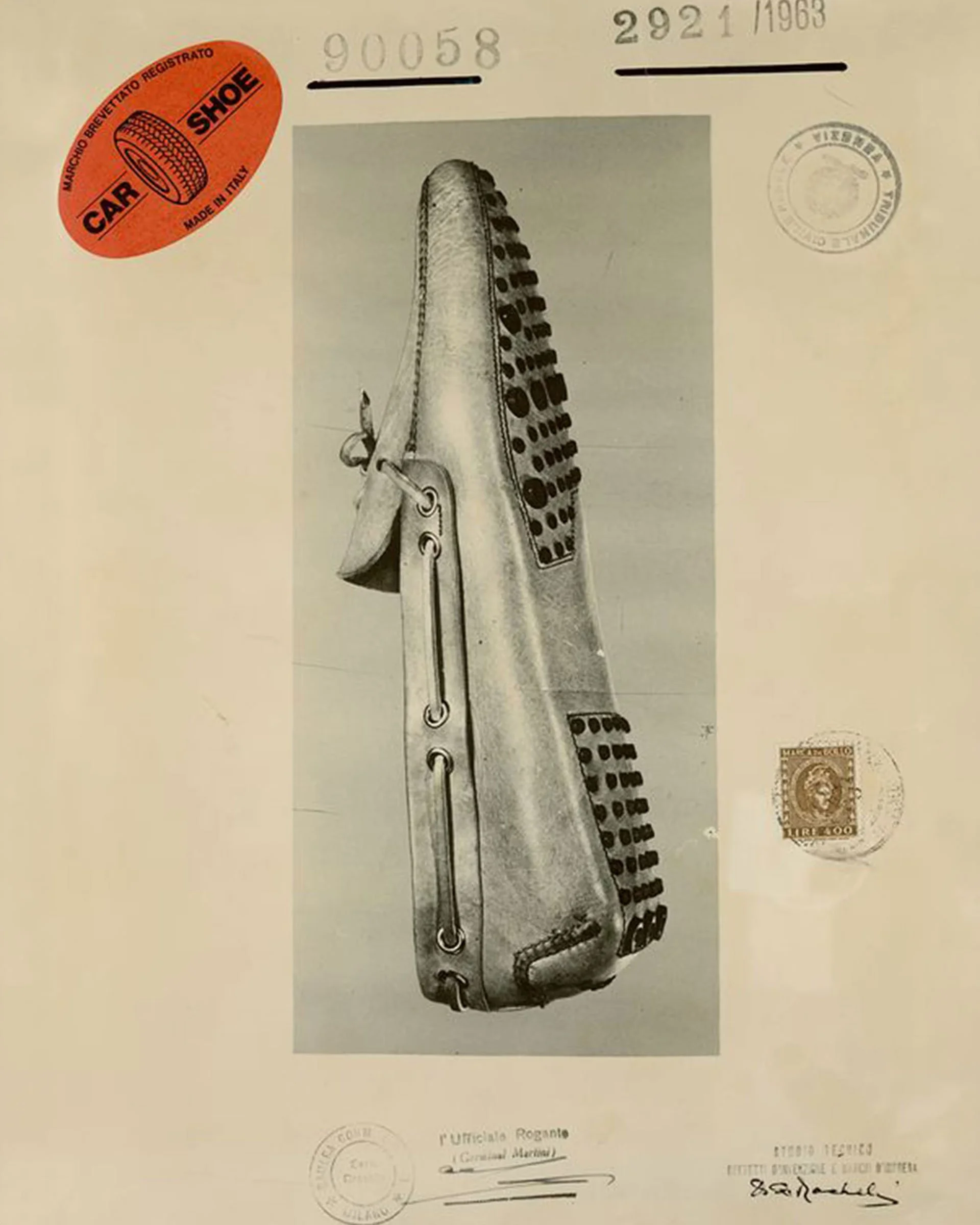
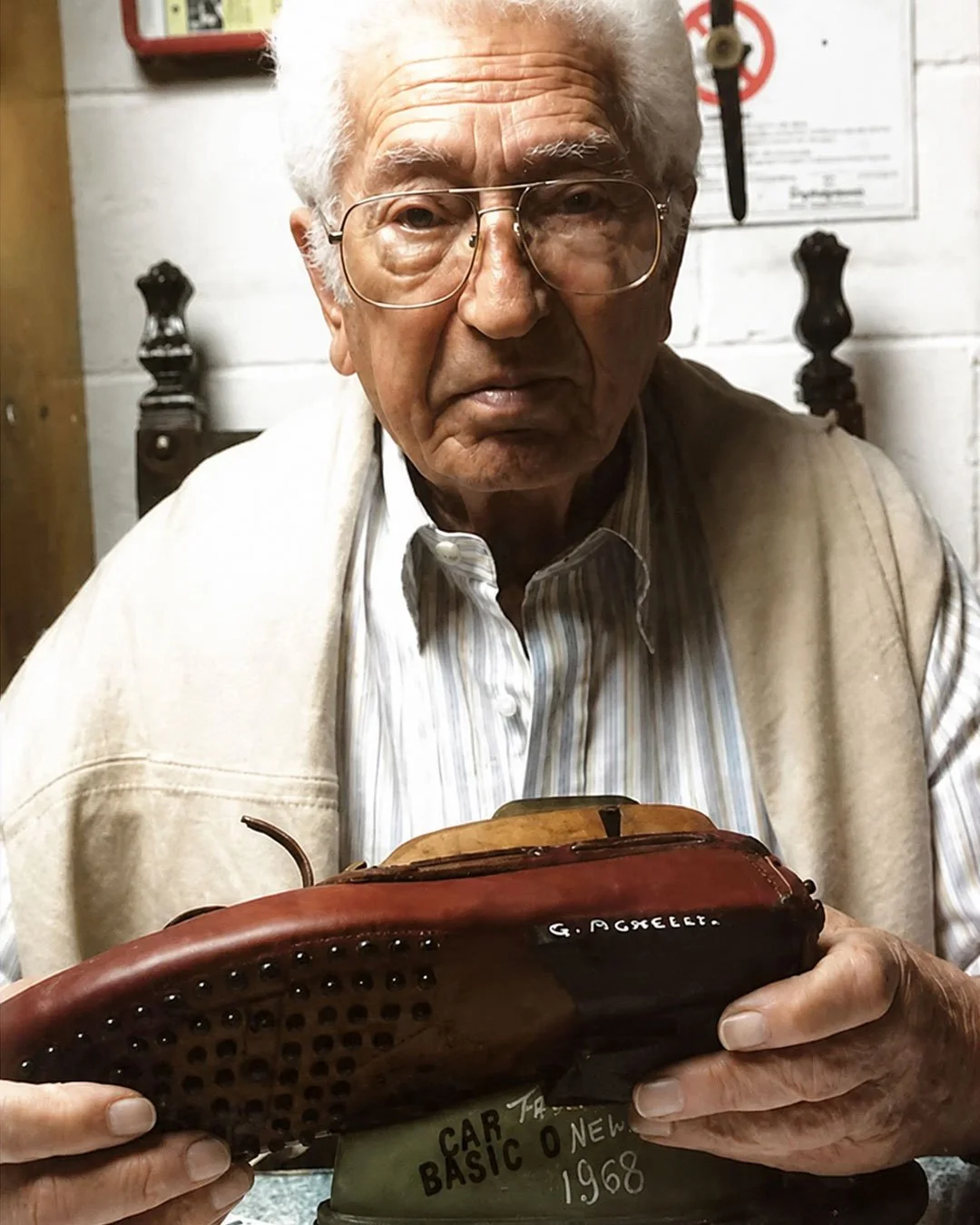
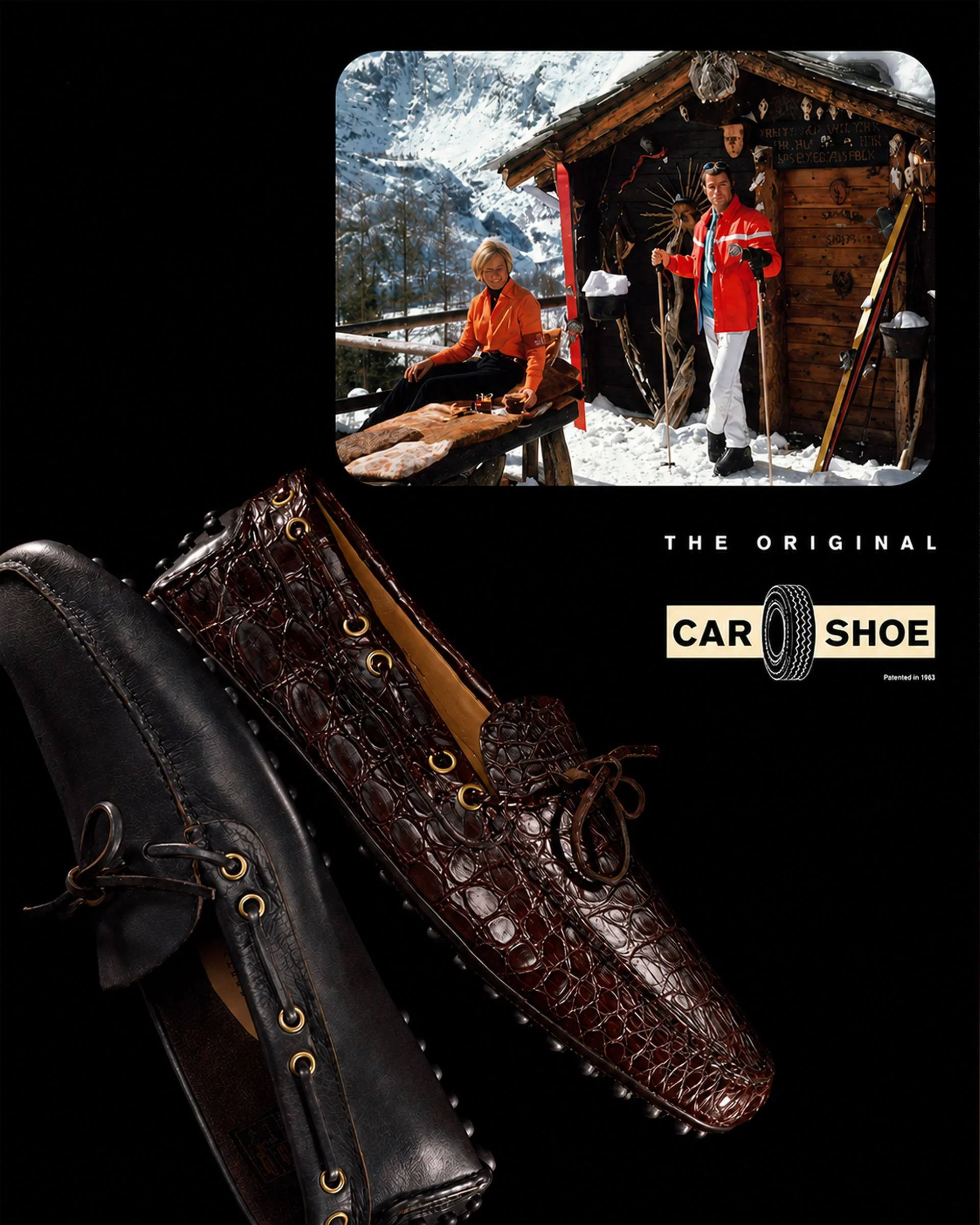
Gianni Mostile invented the driving shoe and patented it under the Italian brand Car Shoe in 1963, a company that wasted no time on an ambiguous name. The pebble soled driving moccasin was an immediate hit among racing drivers and wealthy motorists, men who could afford fine suede footwear made for a single, narrow task. It was a luxury object from the start and more than sixty years later, the gommino sole remains the category's defining feature.
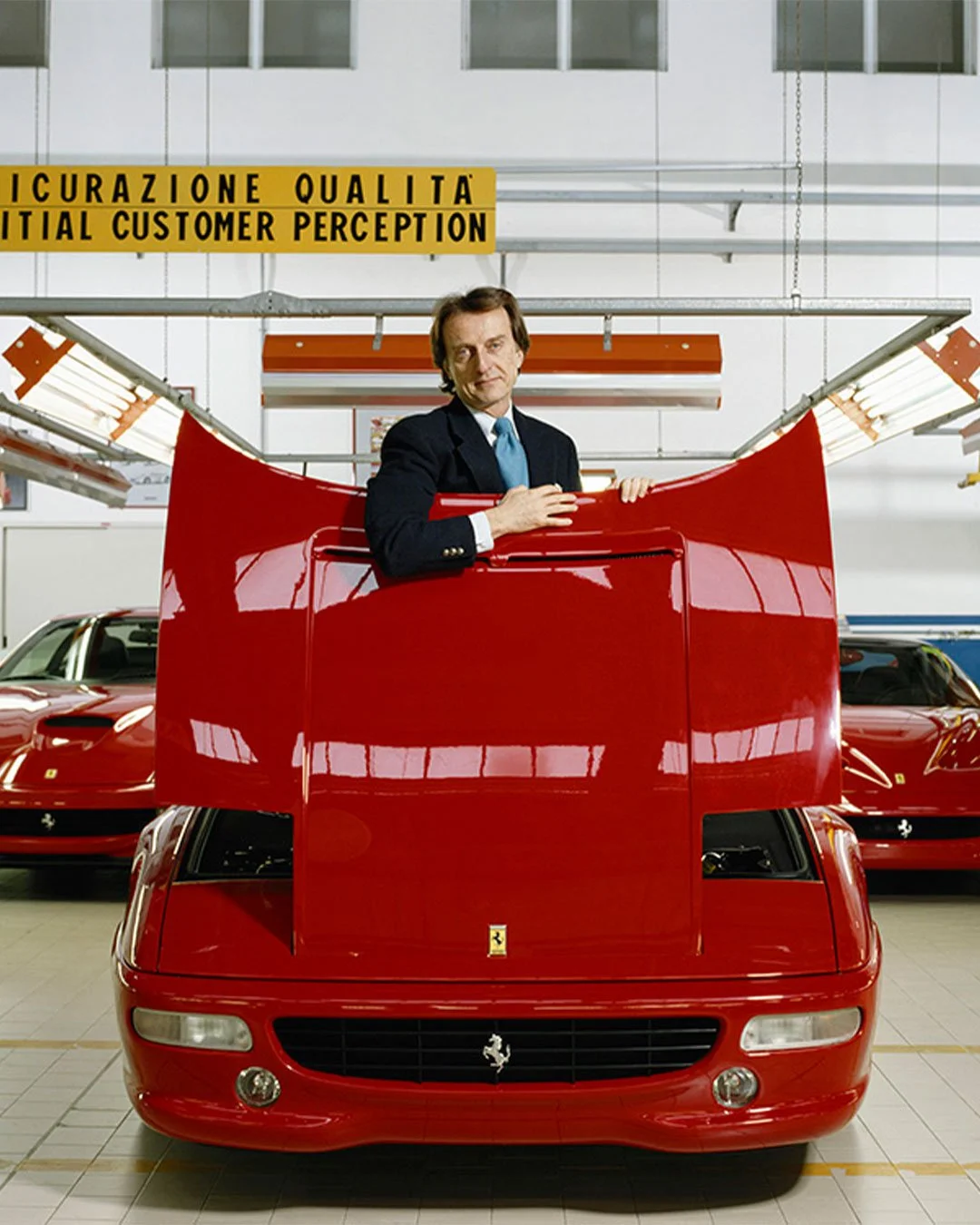
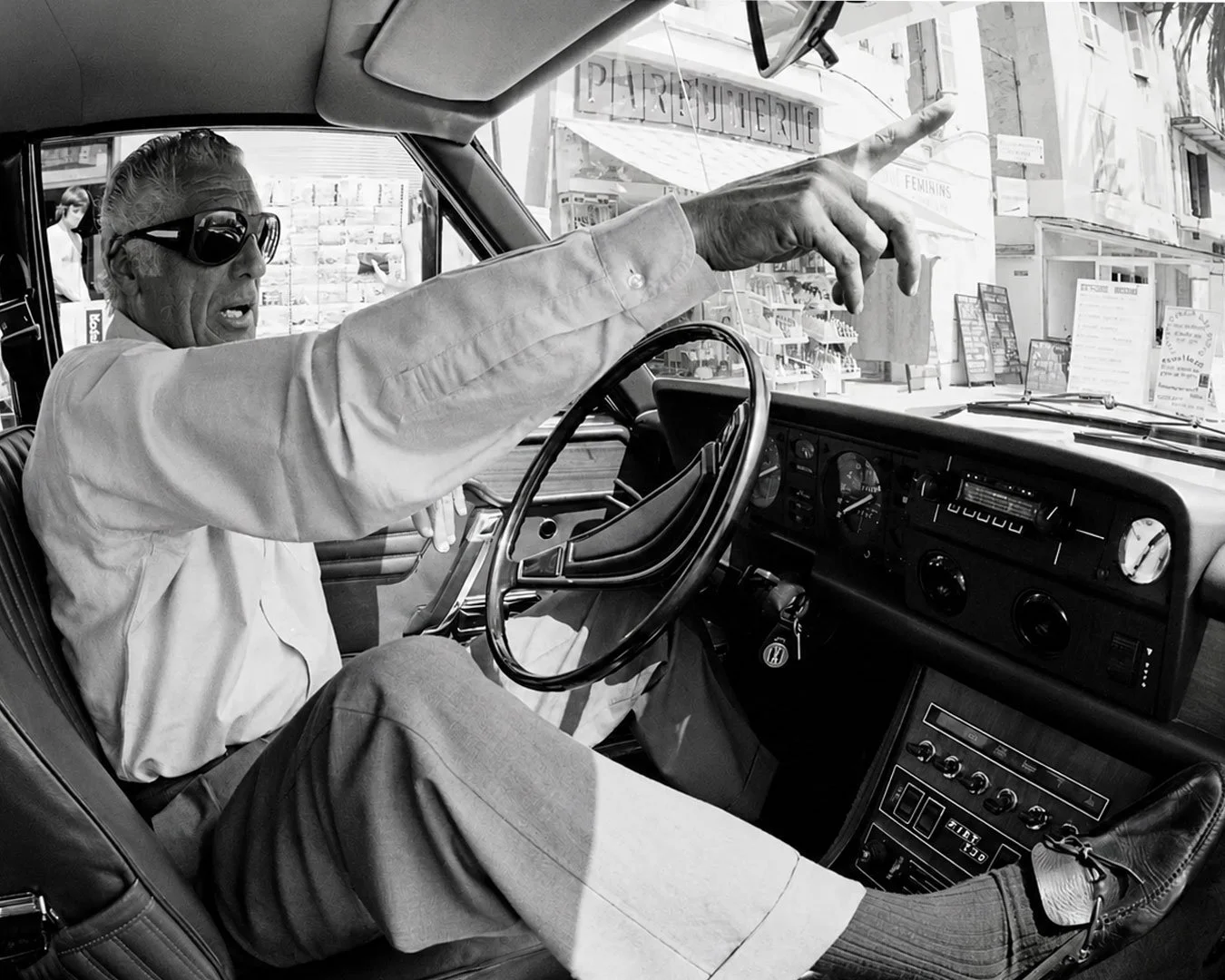
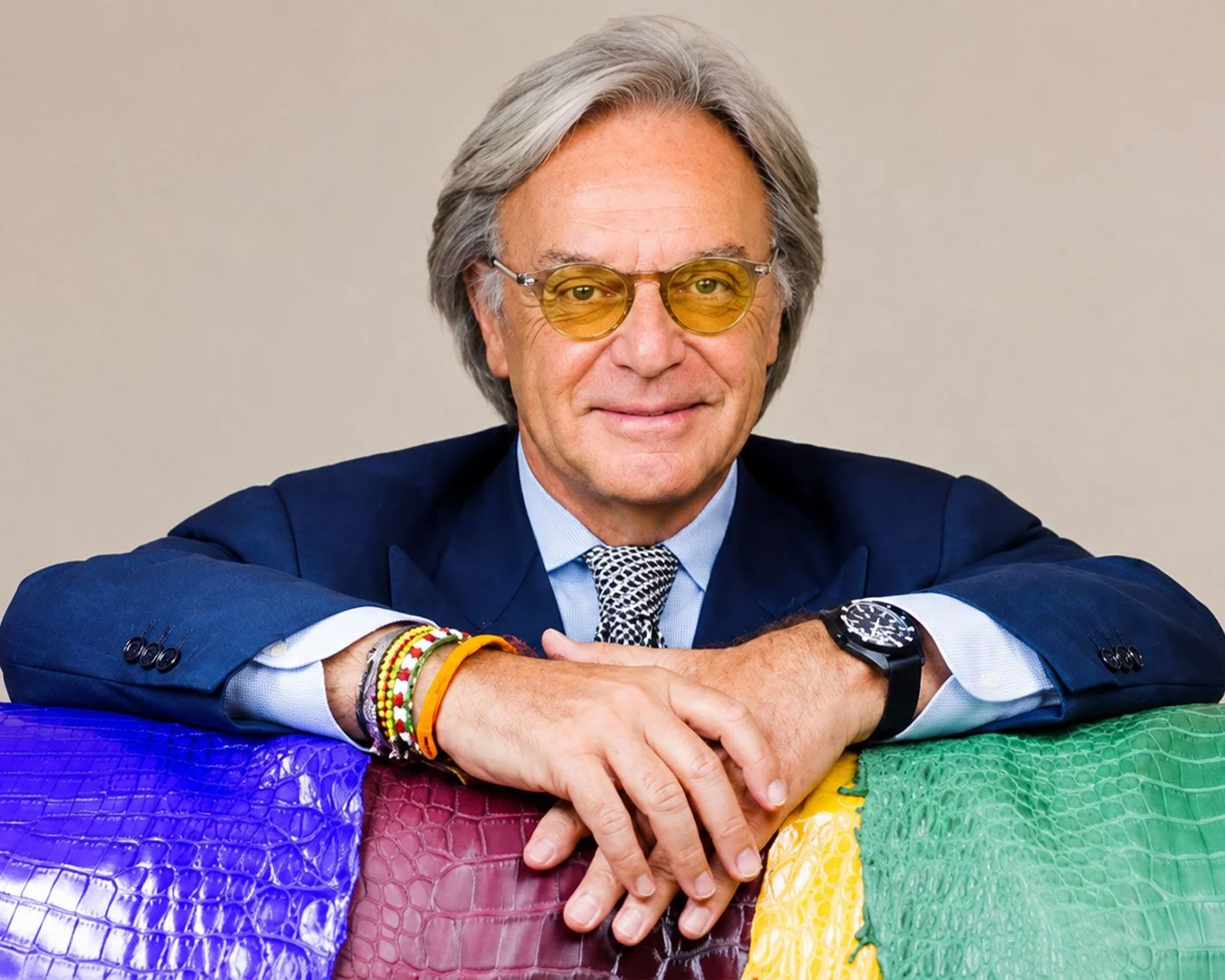
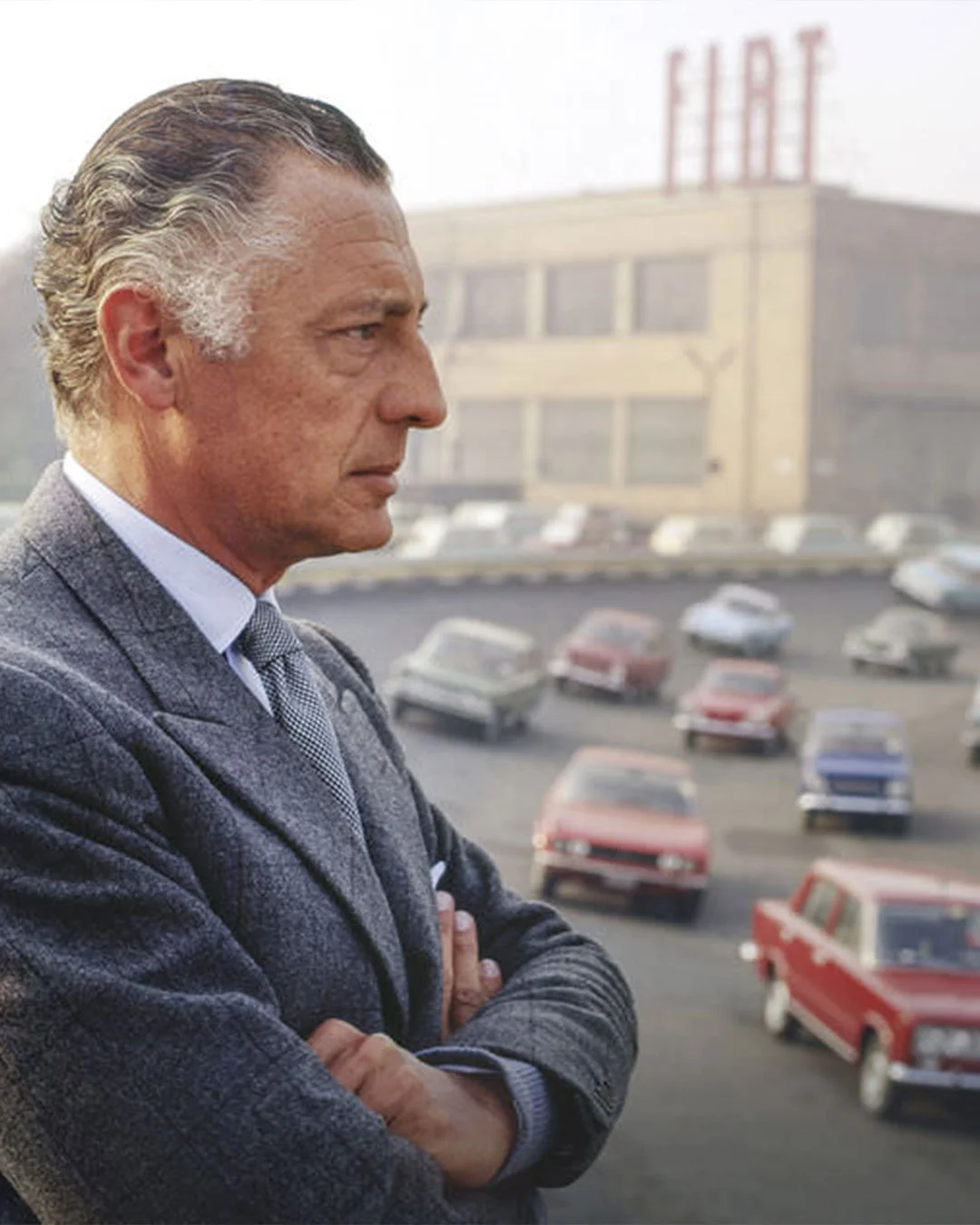
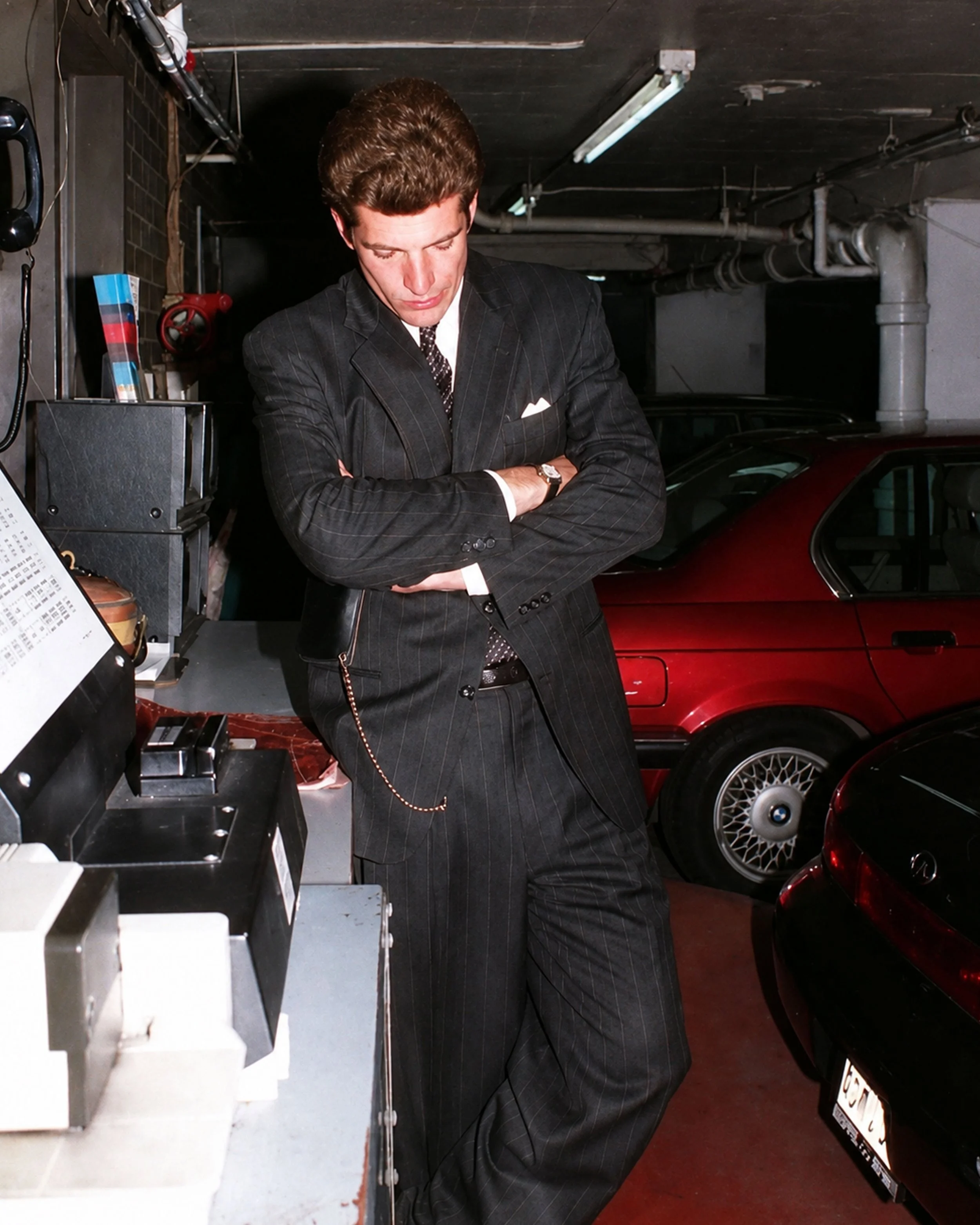
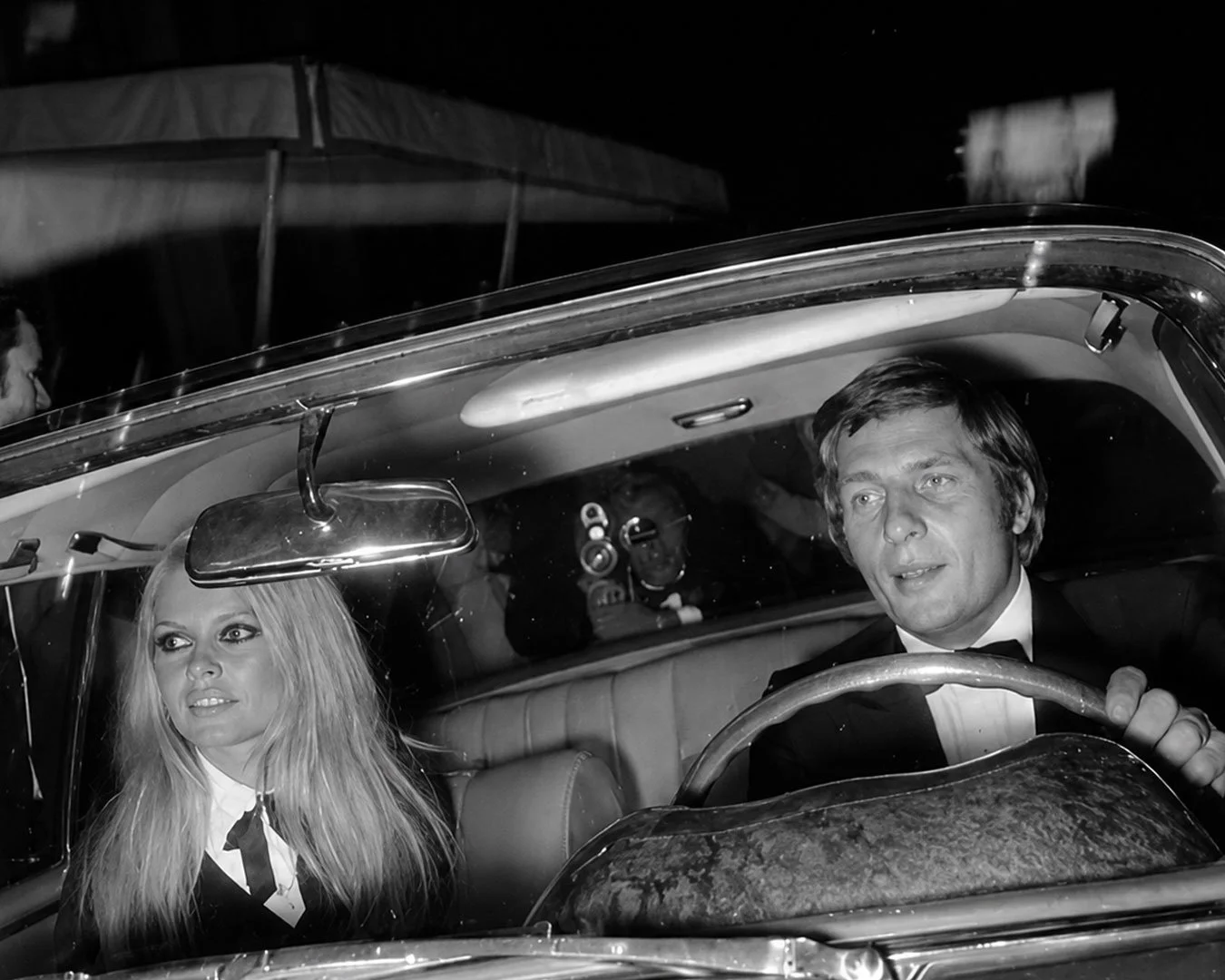
Car Shoe was still relegated to the elite only, but Tod's transformed the driving shoe into a global product. The founder, Diego Della Valle saw an opportunity to bring it to a far wider audience, using modern production methods to make it more attainable, and the brand's Gommino became the category's most commercially successful interpretation. It was worn by presidents, industrialists, and playboys like John F. Kennedy Jnr, Gianni Agnelli, and Gunther Sachs. They were the men's style icons of the era.
The irony is that the better cars got, the less anyone needed driving shoes. Power steering arrived and automatics took over. Pedals no longer demanded a calf workout and the driving shoe should have perhaps fallen into obsolescence the way the driving glove and the paper road map did. Instead it flourished. People stopped buying it for what it did and started buying it for the lifestyle it represented.

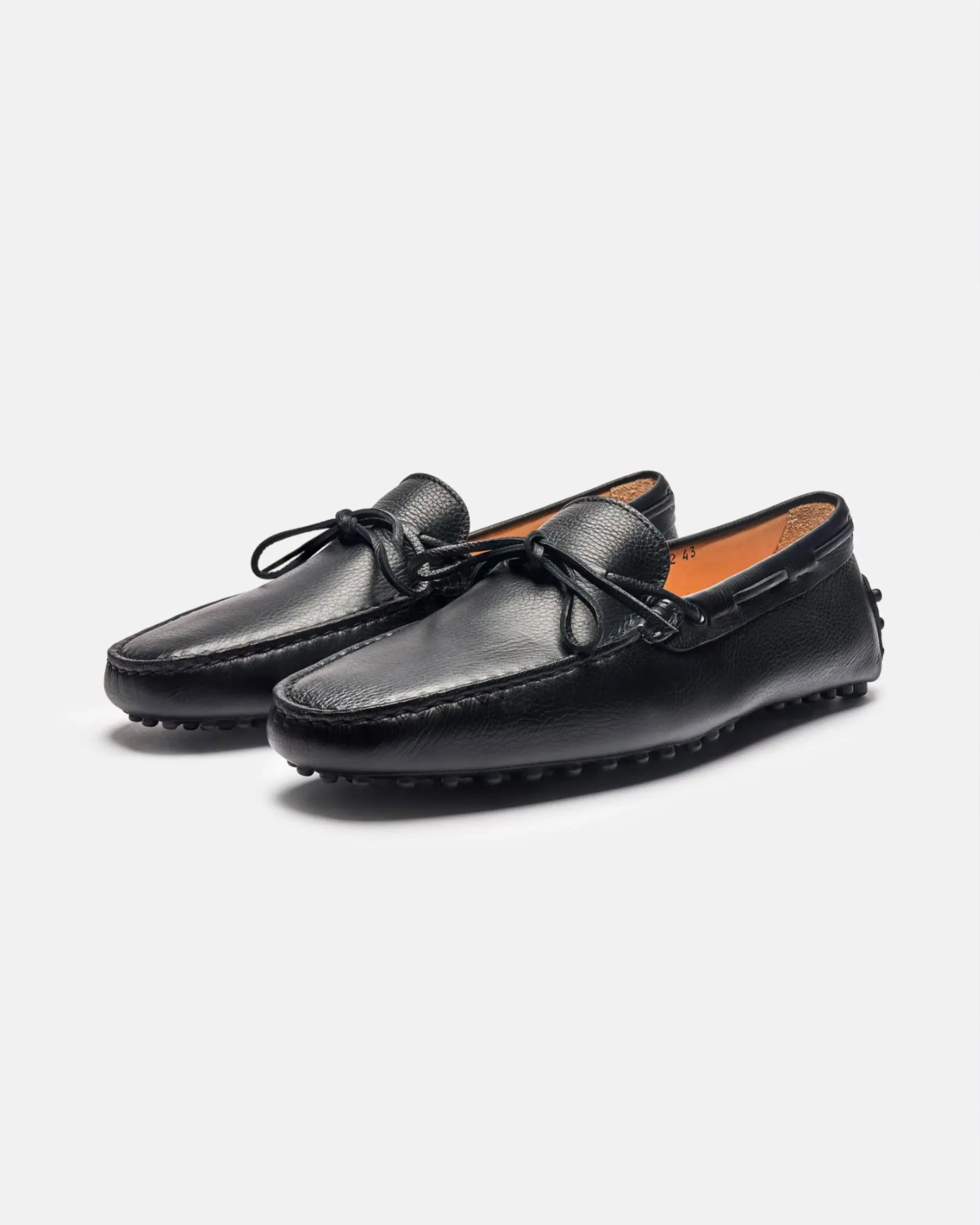
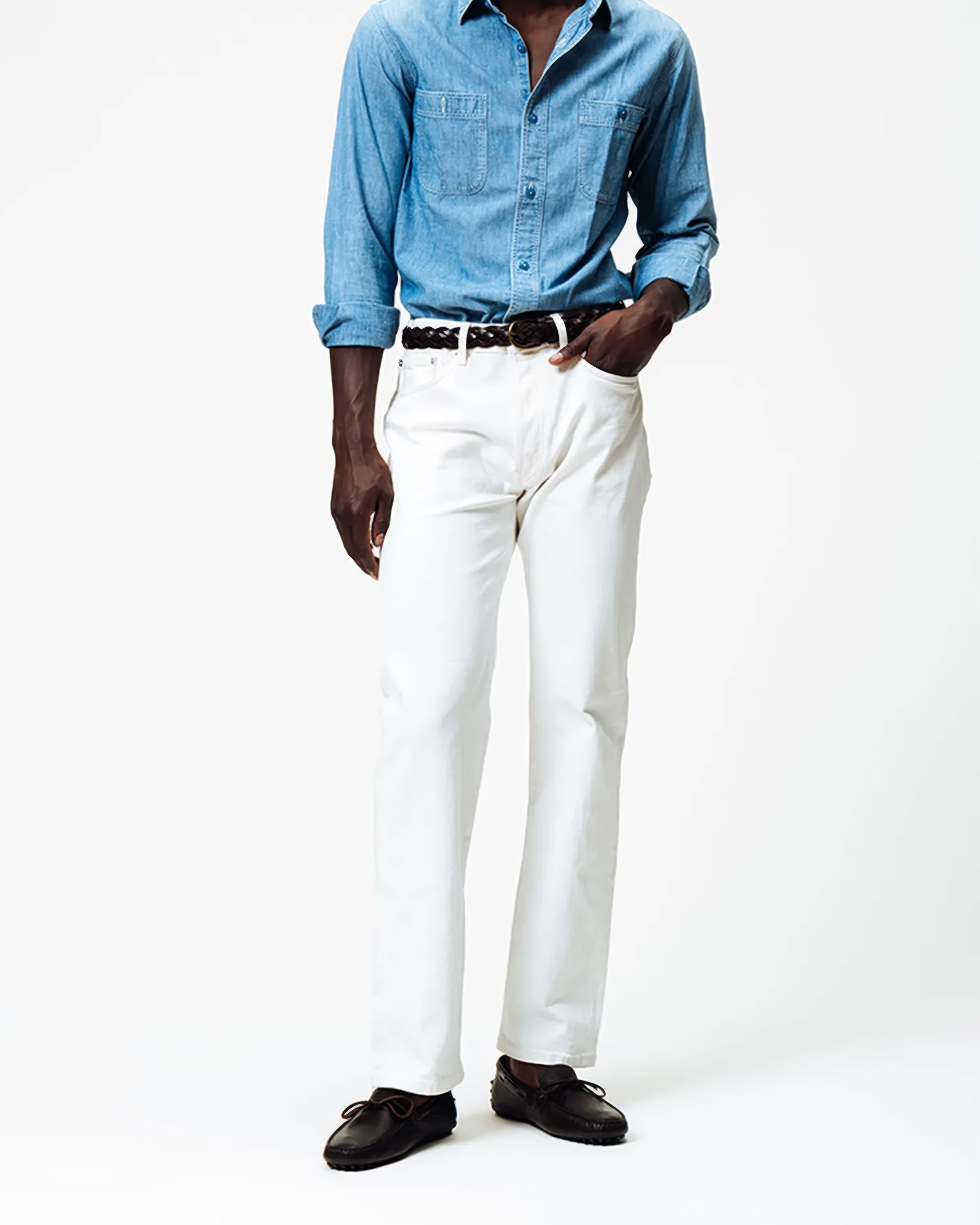
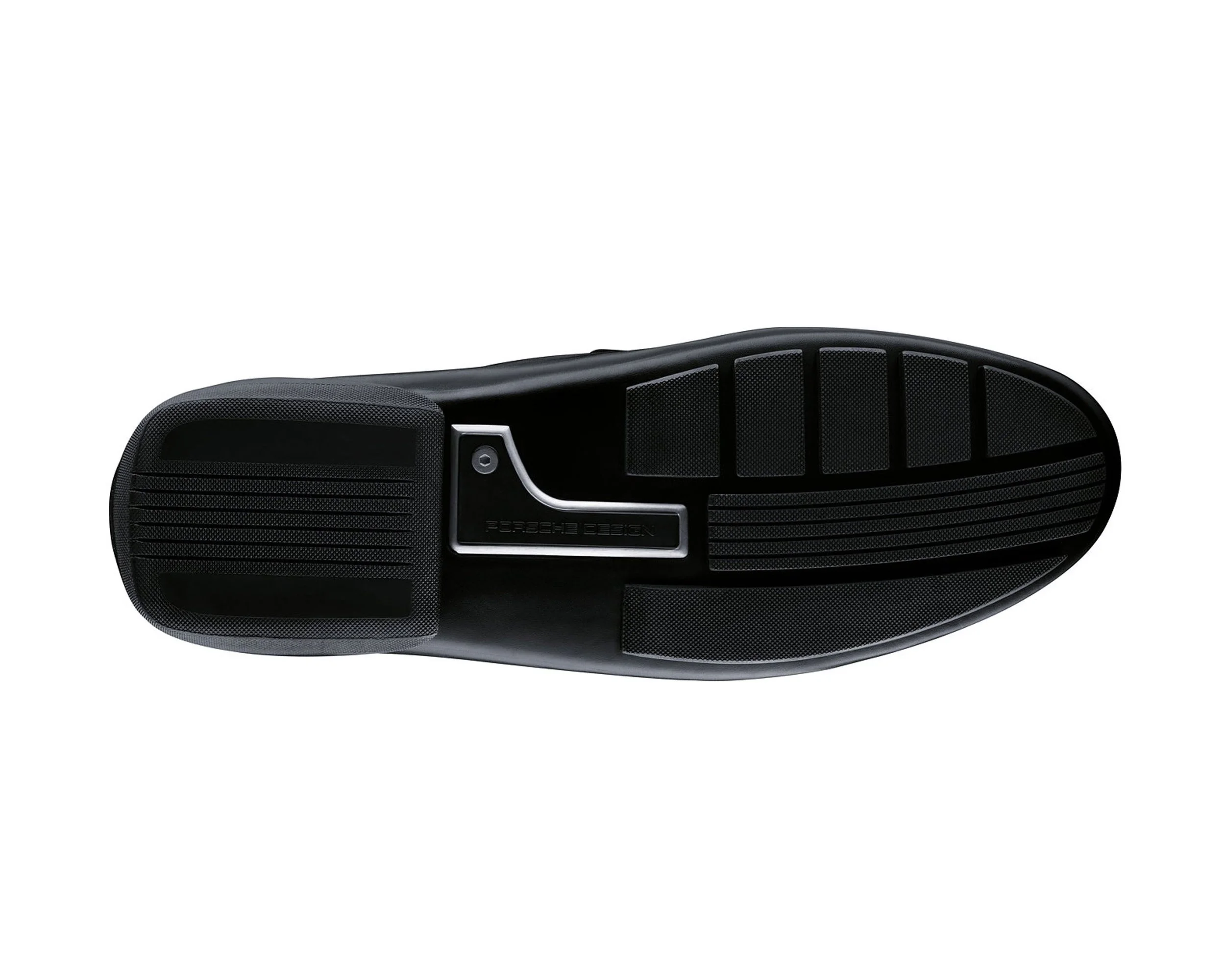
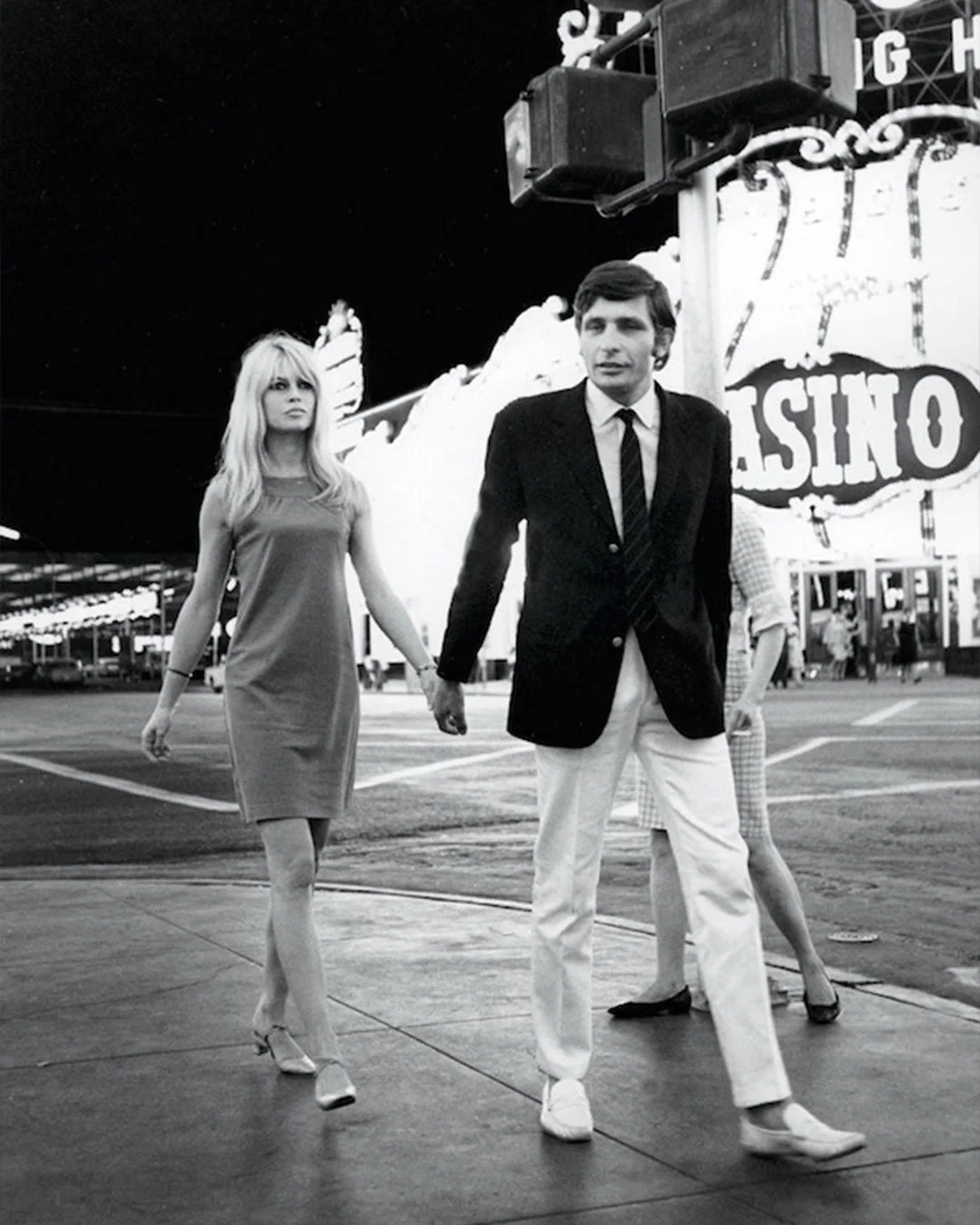
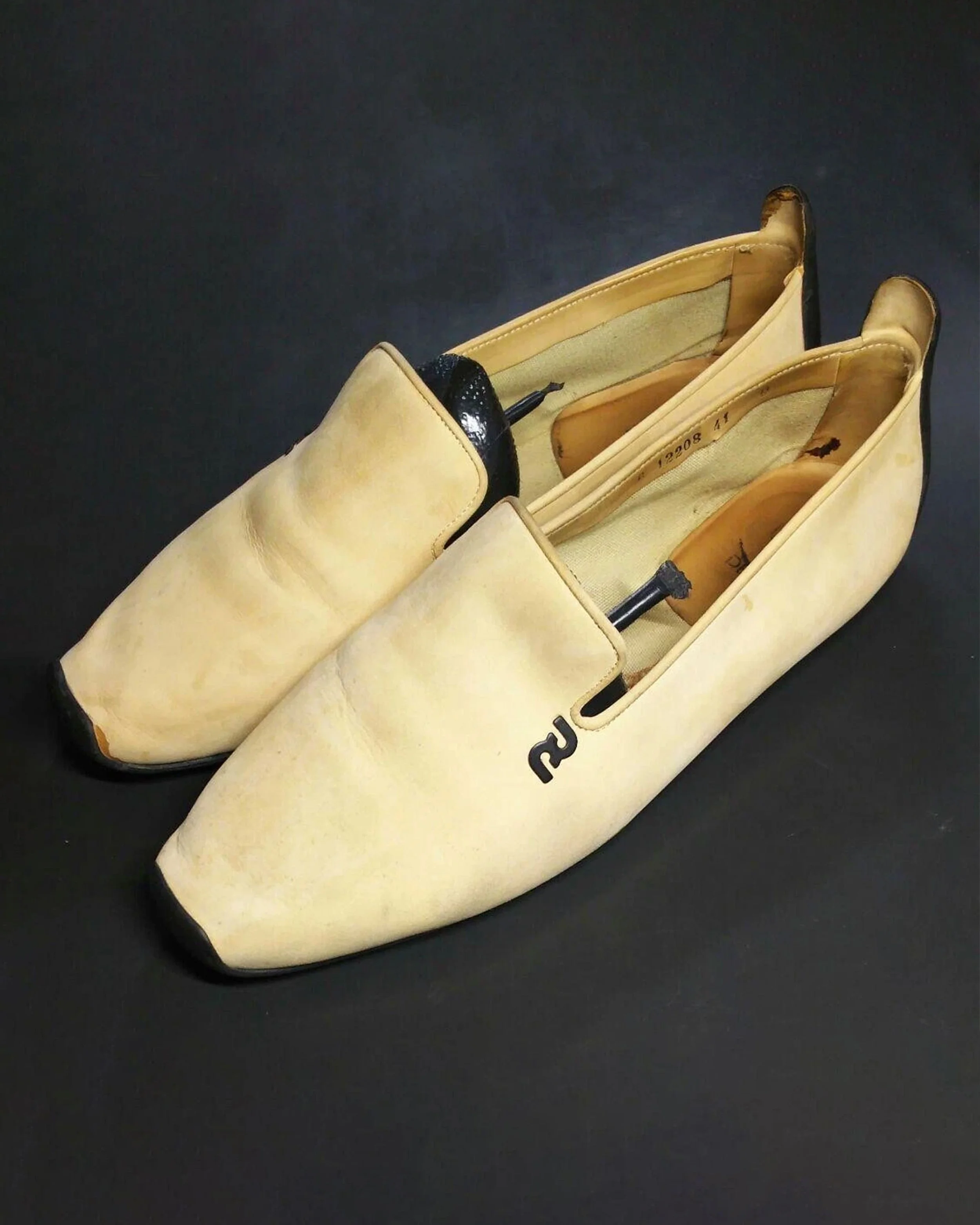
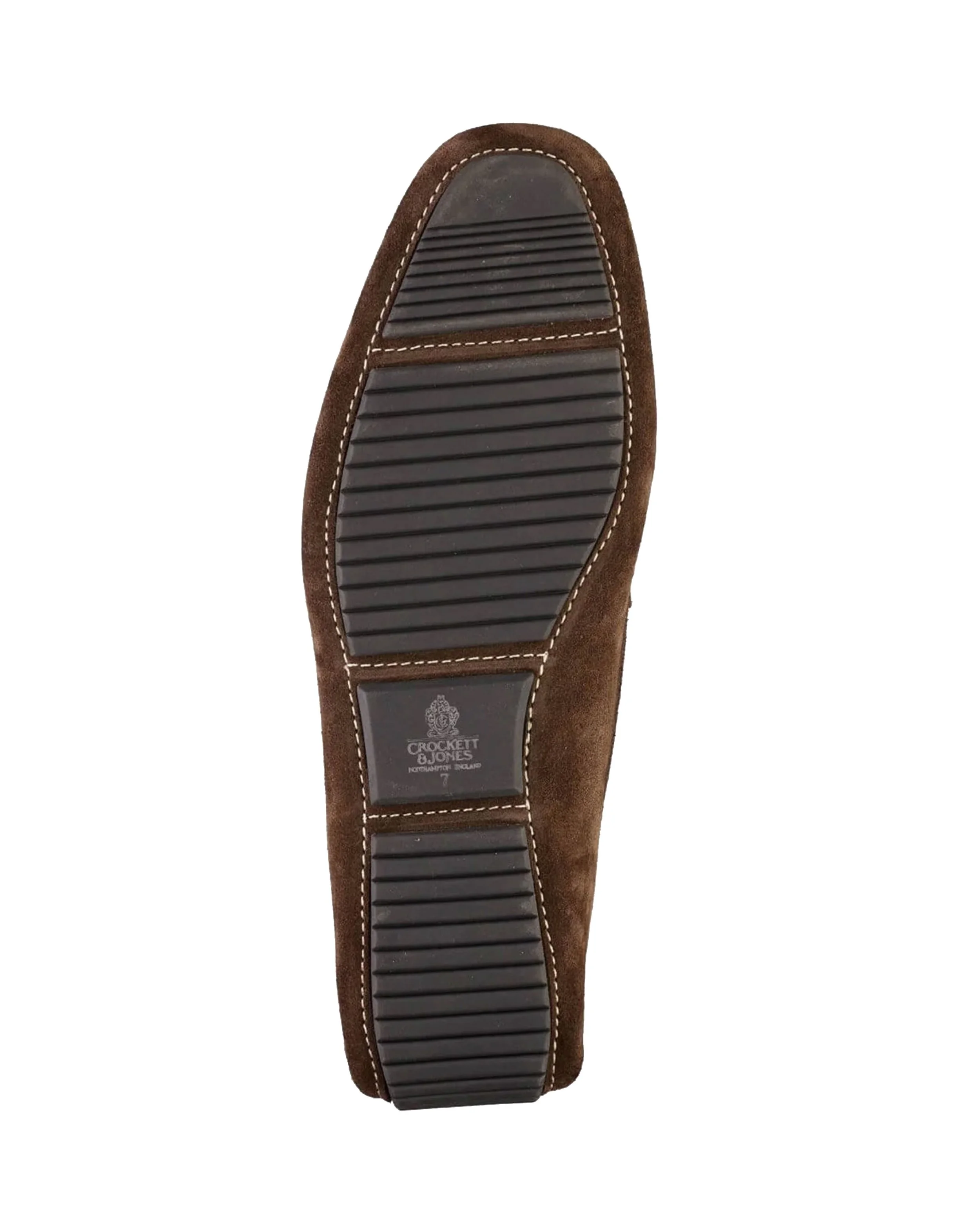
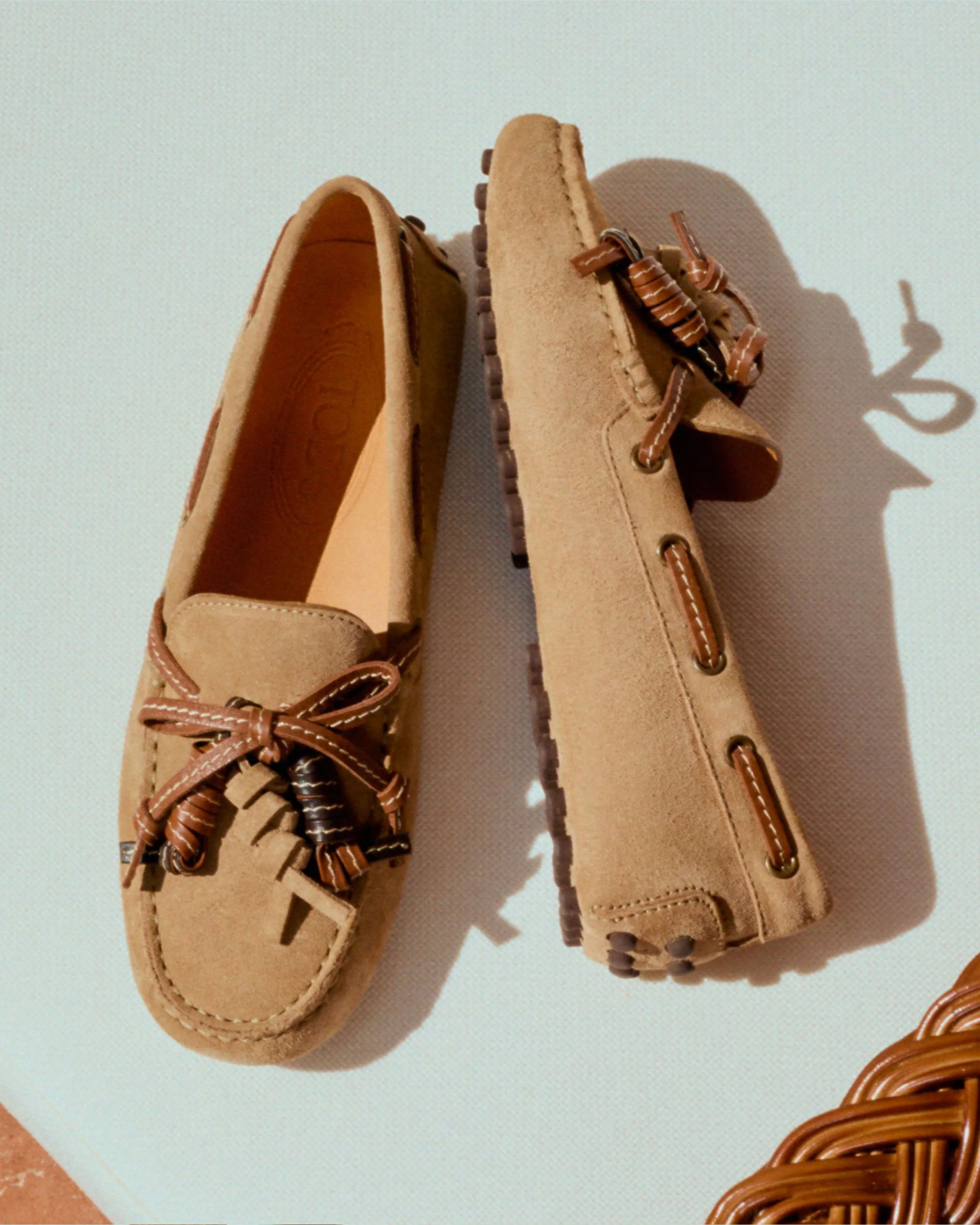
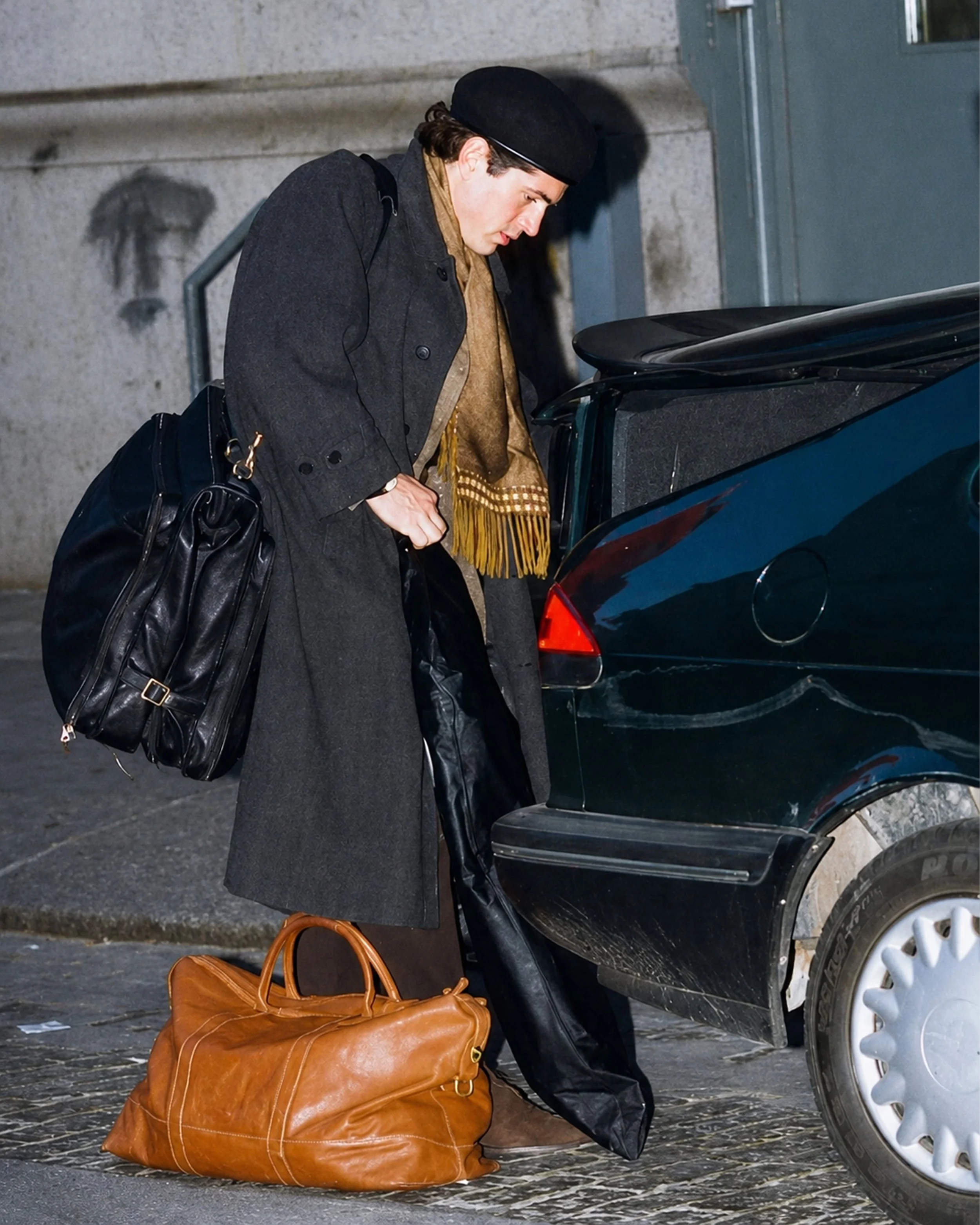
Brands such as Loake and Crockett & Jones, houses built on generations of structured welted shoemaking, took up a silhouette that originated in motoring culture and applied their own traditions of handwork to it. Contemporary brands continue to reinterpret the design. Morjas, for example, presents the driving shoe less as specialist equipment and more as a versatile wardrobe staple. Yet looking across current examples, a grain leather model from Morjas or a suede interpretation from Crockett & Jones, it is striking how little has changed.
A shoe that isn't built for pavement assumes you won't be on pavement much and that you'll move through the world by machine, coast road to lunch to coast road. In that sense, not walking becomes its own kind of status. Sprezzatura is the art of expensive carelessness, and no shoe is more fluent in it. It looks tossed on. It is, in fact, hand-sewn by someone whose family has been wrapping leather around lasts since before most of us gained consciousness.
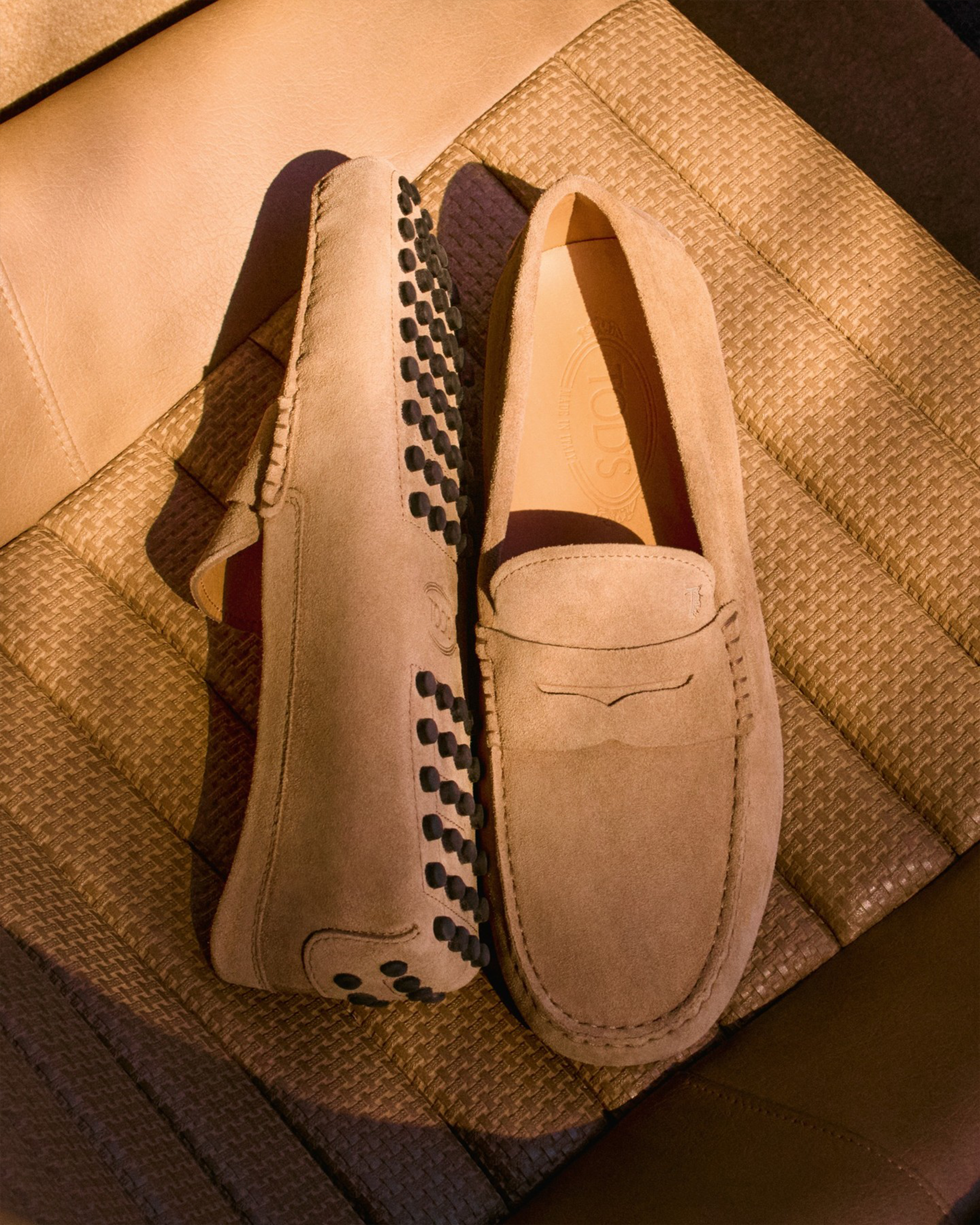
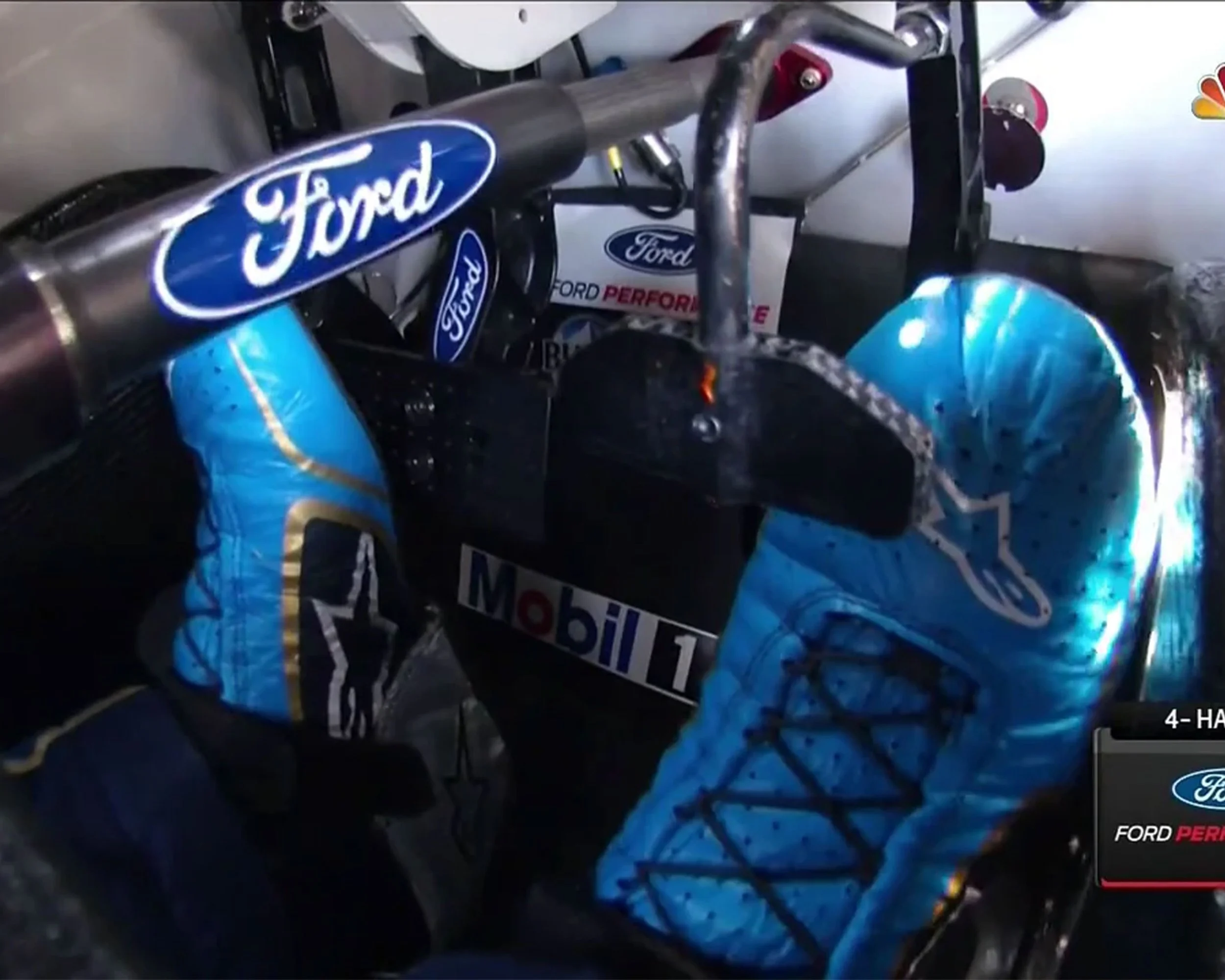
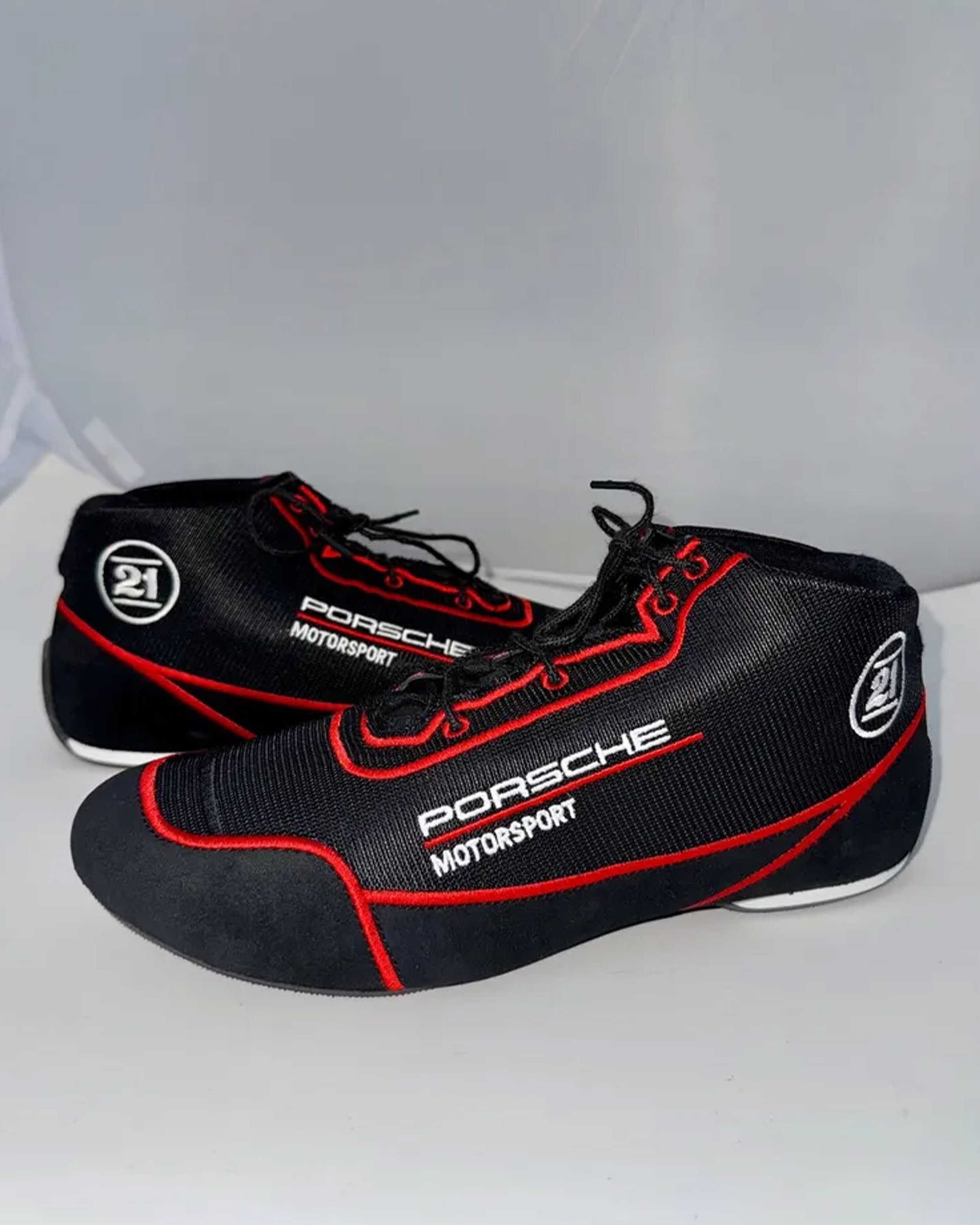
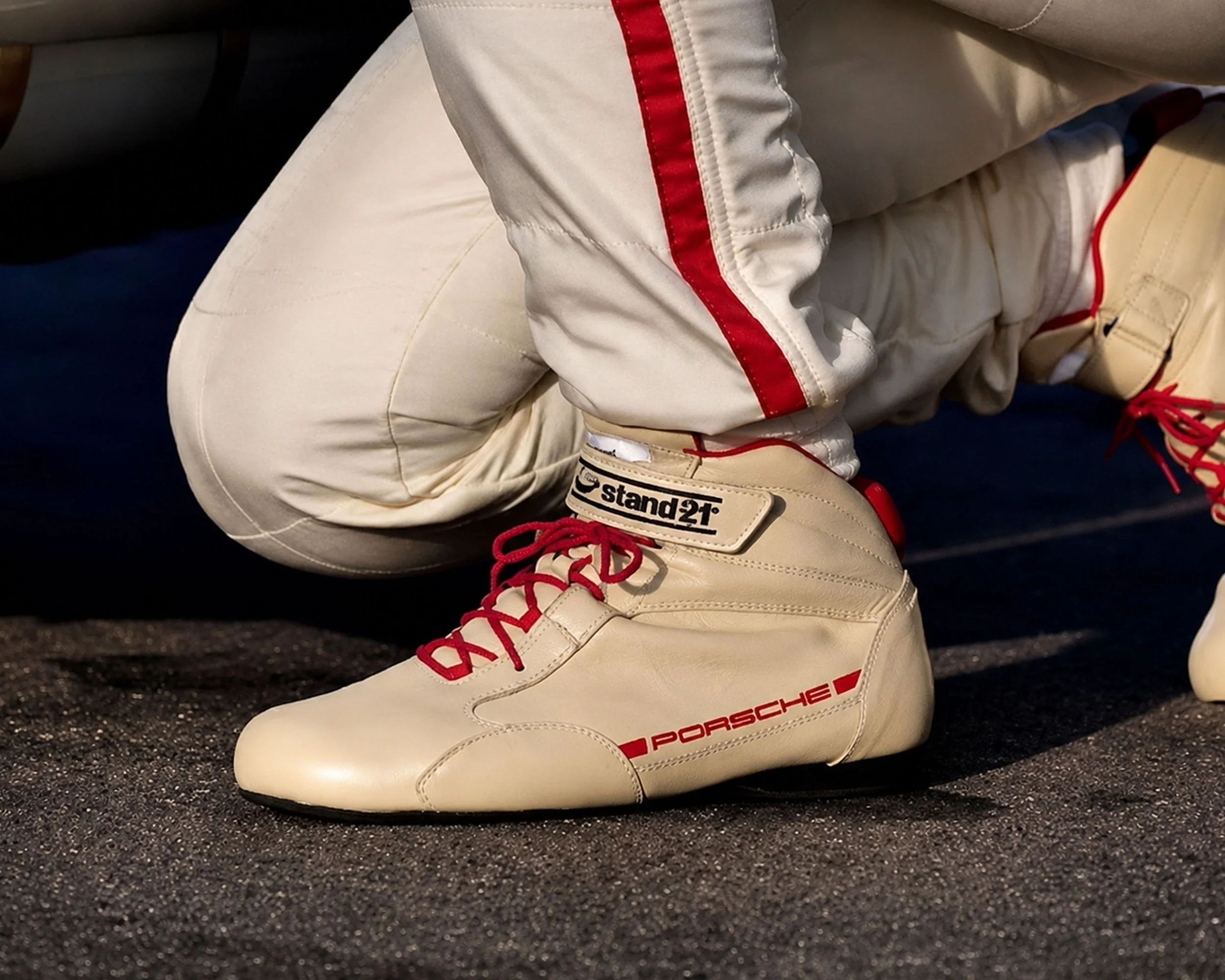
Meanwhile, in a parallel universe with more fireproofing, motorsport never stopped working on the same goal of connecting the pedal to the driver. A Stand21 racing boot and a Tod's Gommino look like distant cousins, but they descend from the same idea that the foot should feel as much of the car as possible. The driving shoe's lasting success comes from achieving something far more difficult than its original task and it has transformed a practical solution into a timeless object of desire, enjoyed ideally somewhere with a sea view.