
Sole Systems 010 : Resoling
Built to Be Repaired
Written by Leah Balagopal
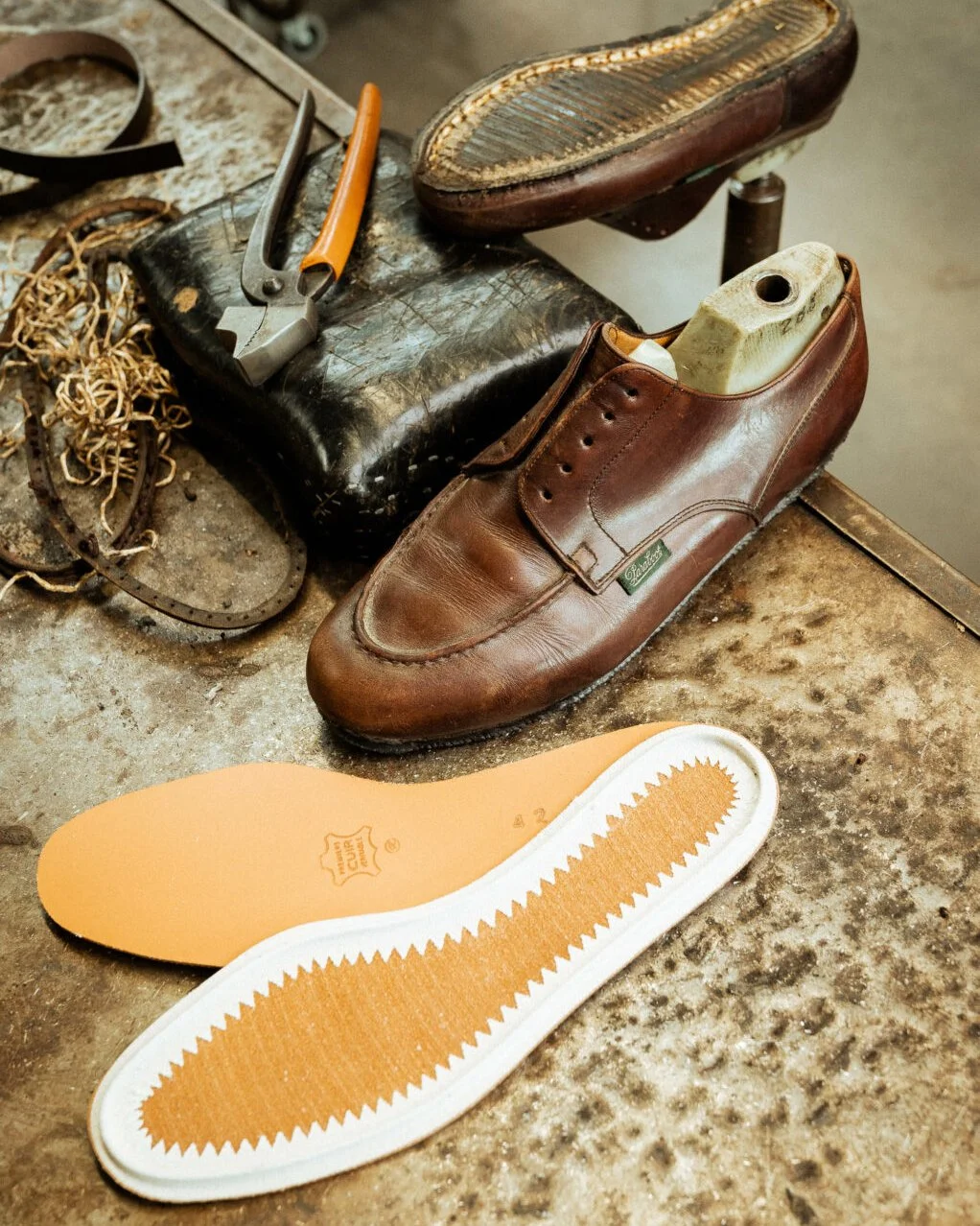
The sole of a shoe is sacrificial by definition. It exists to be ground away against the world so the rest of the shoe can shine. Over the years there has been innovation in sole tech, from the robust vibram soles that we often see associated with tough shoes to the delicate sole of a driving shoe that is not meant for the pavement. Obviously any shoe that exists on your foot is at some point going to encounter the problem of wearing down. This raises a question the industry has answered very differently depending on the decade and the type of shoe which is when the sacrificial part is used up, do you replace the part, or the shoe?
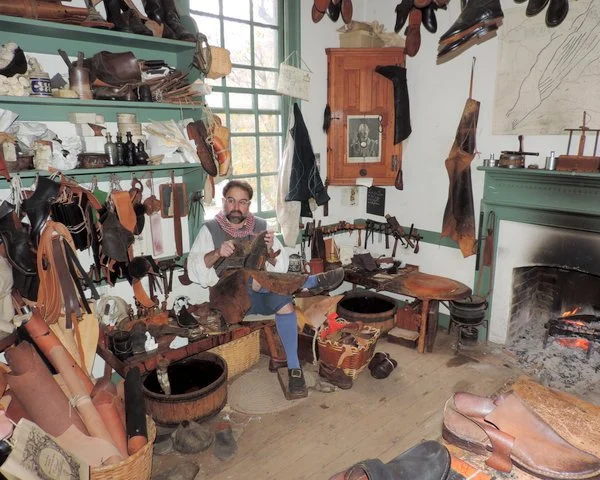
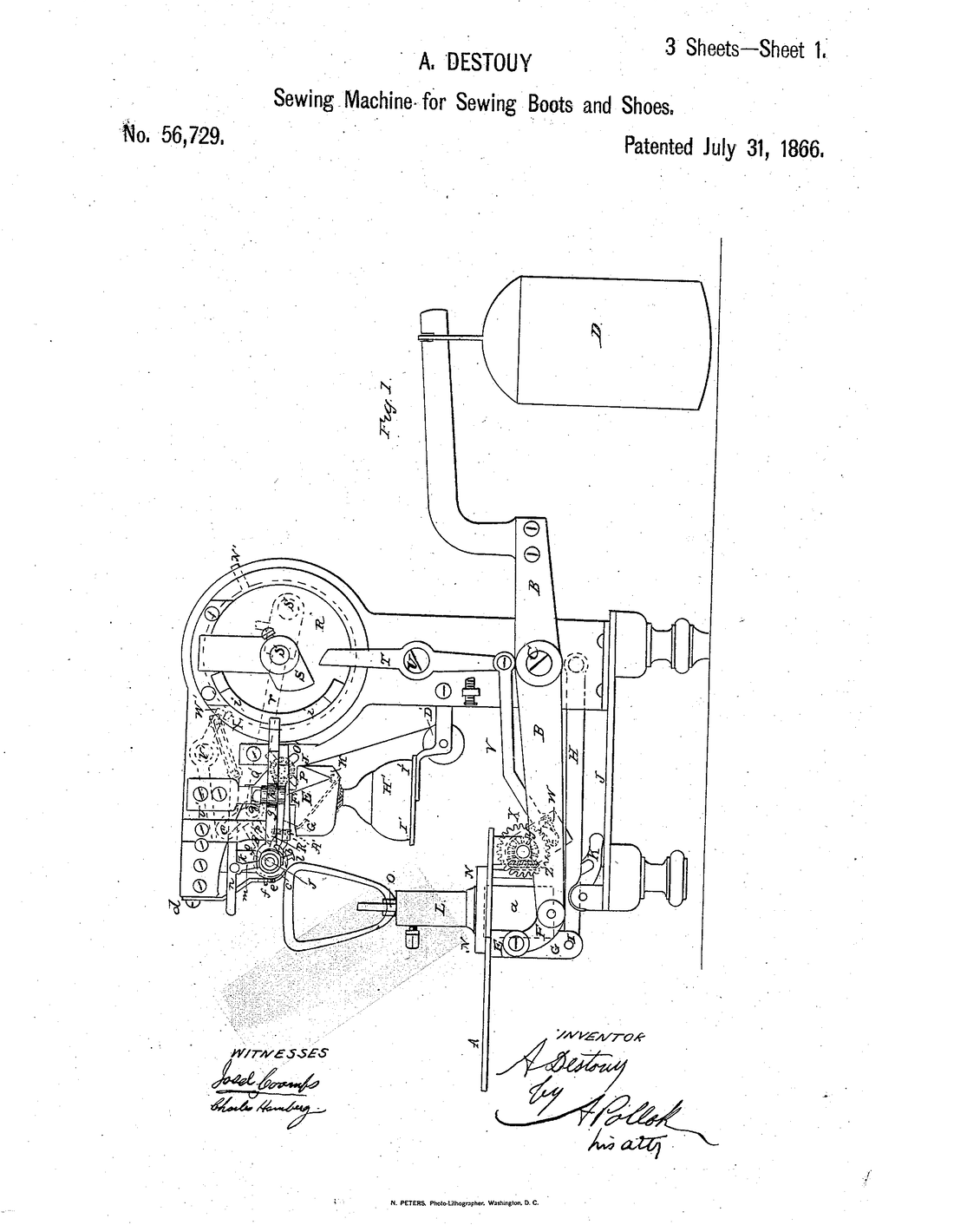
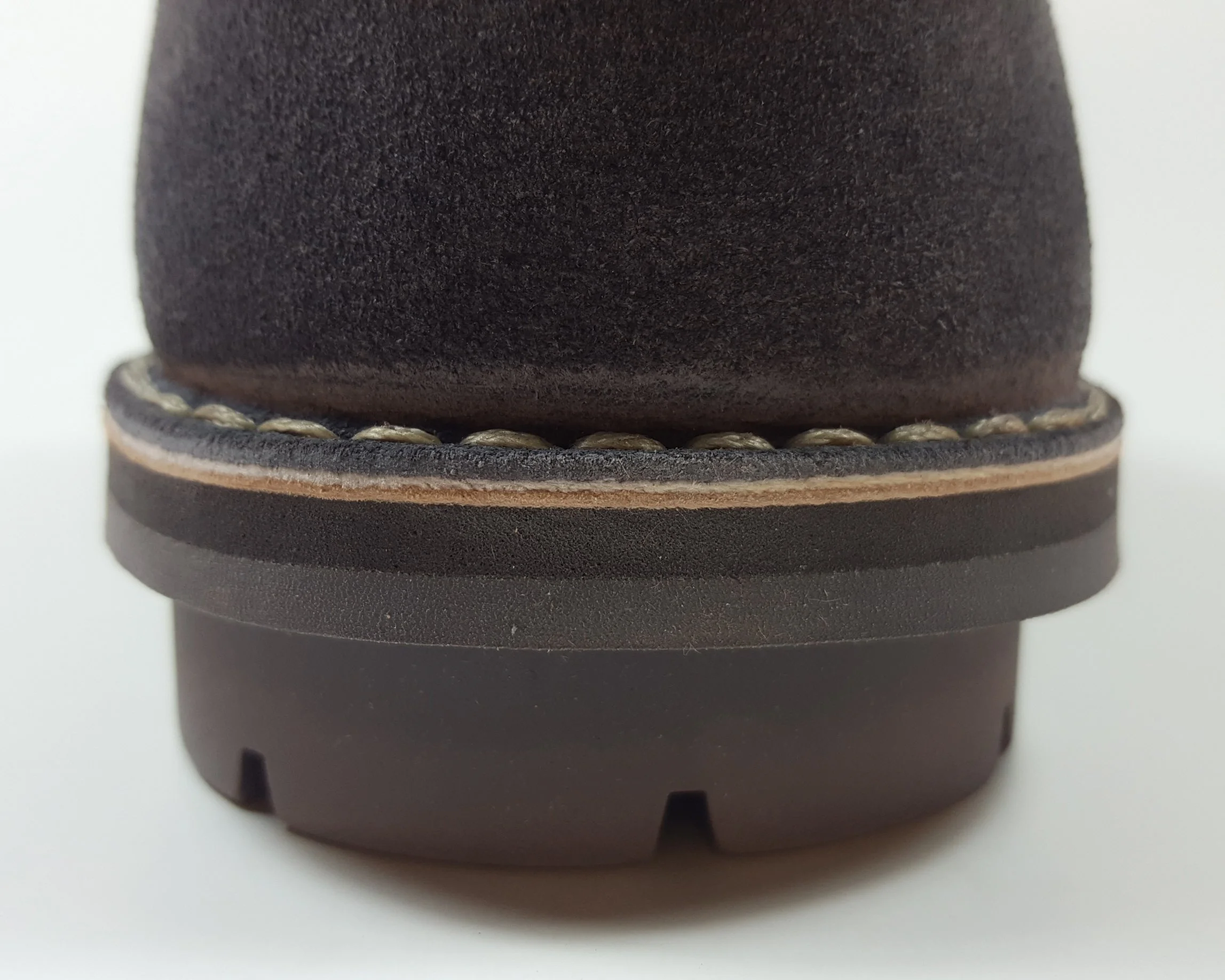

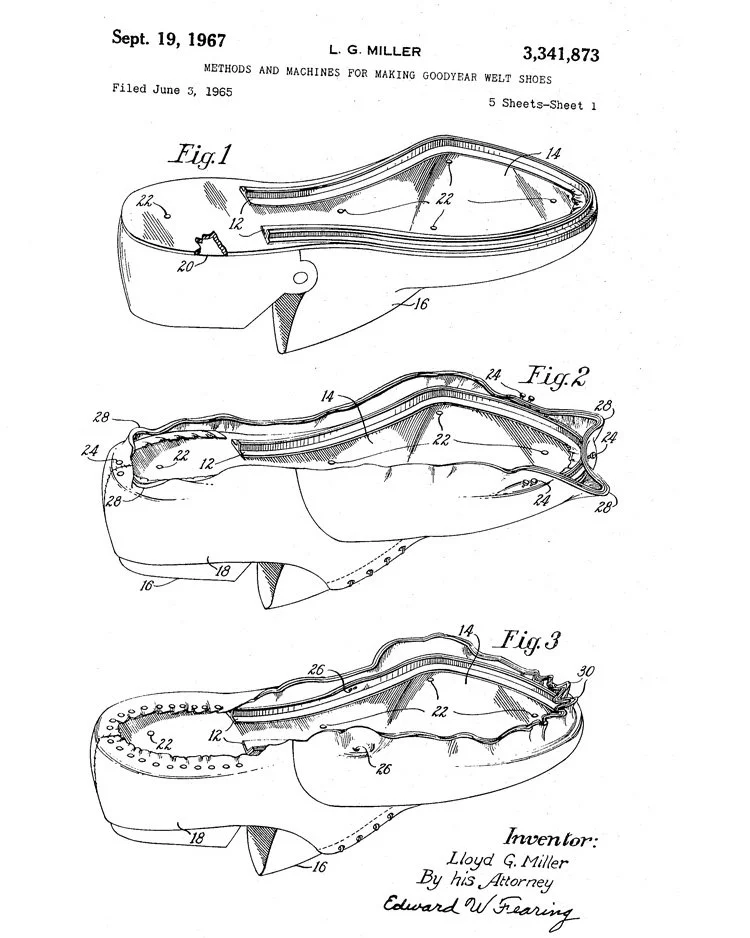

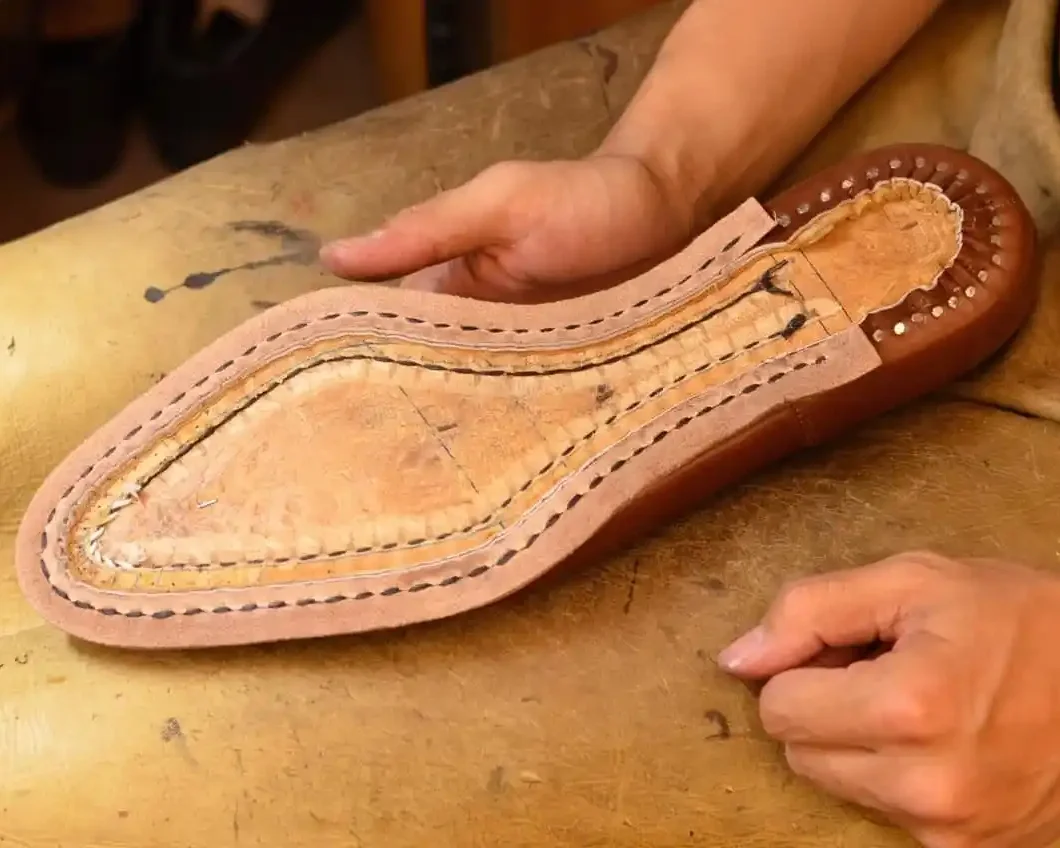
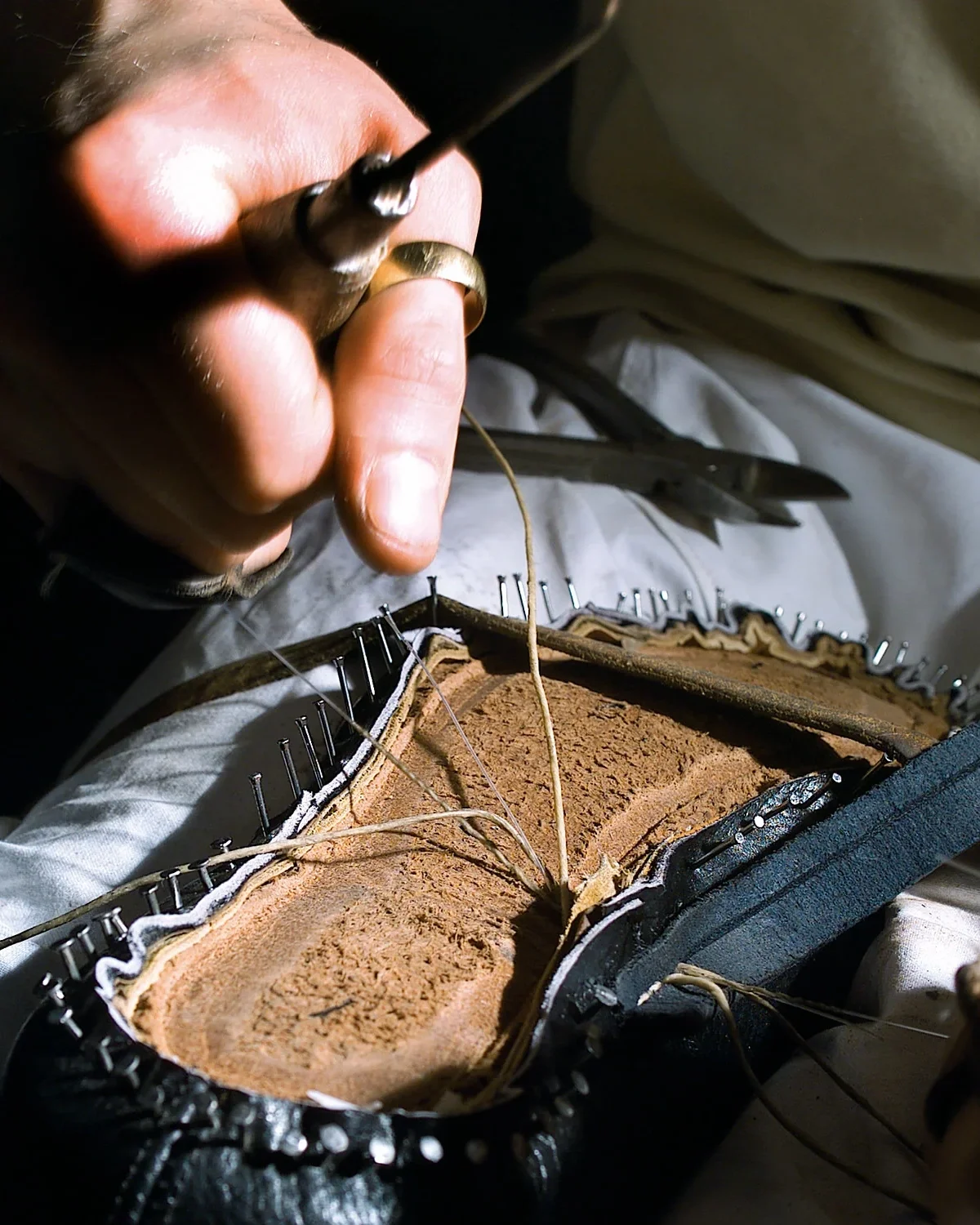
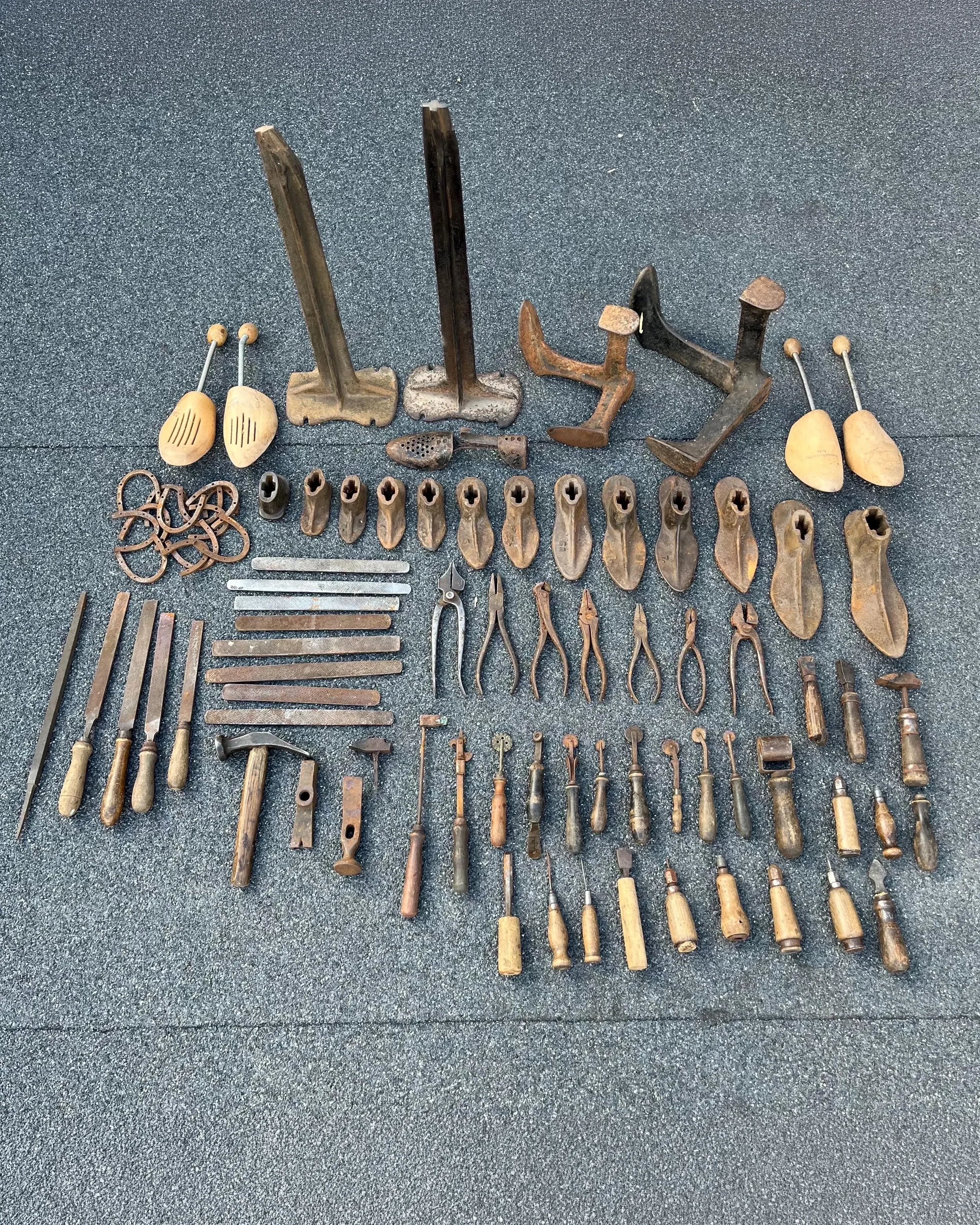
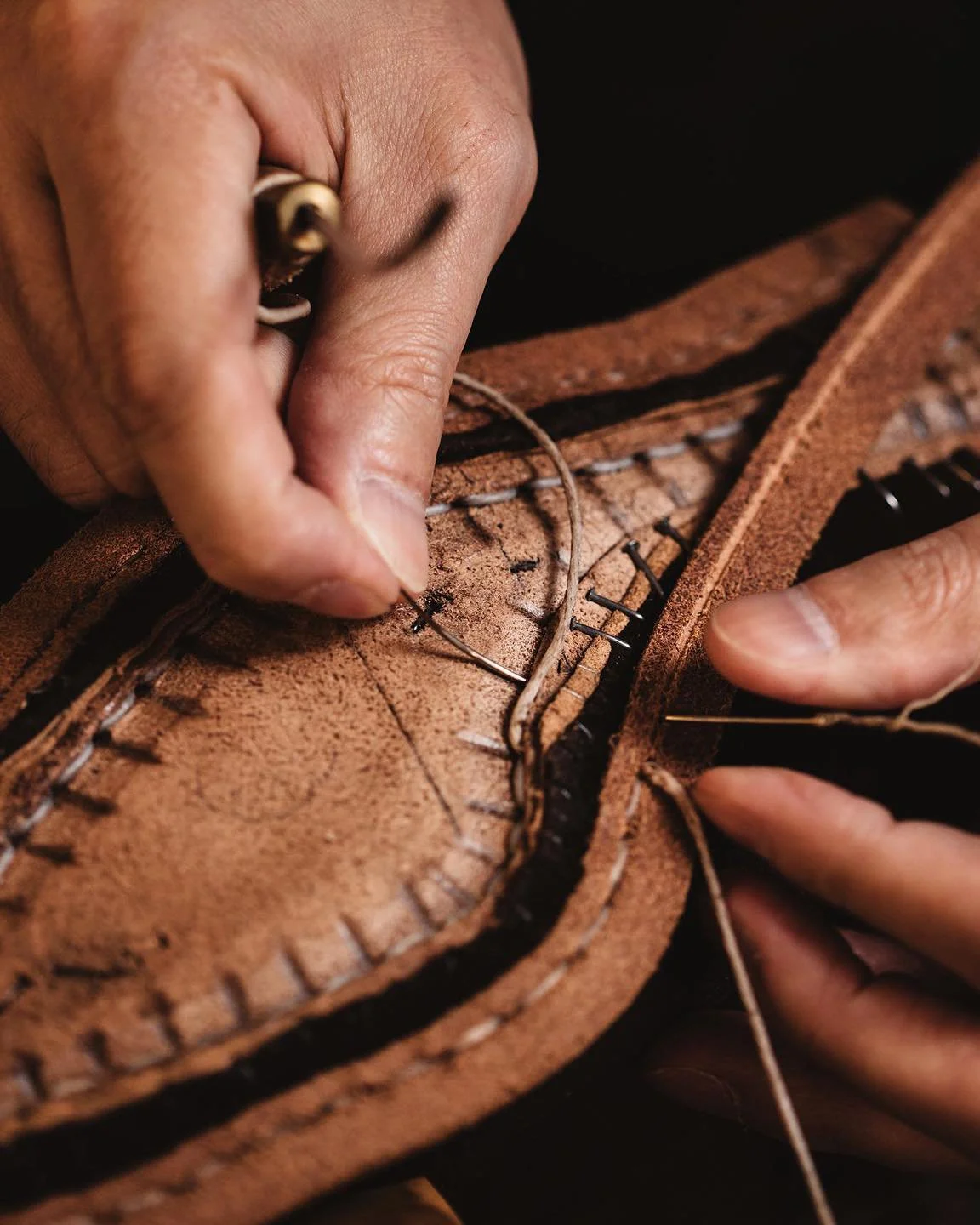
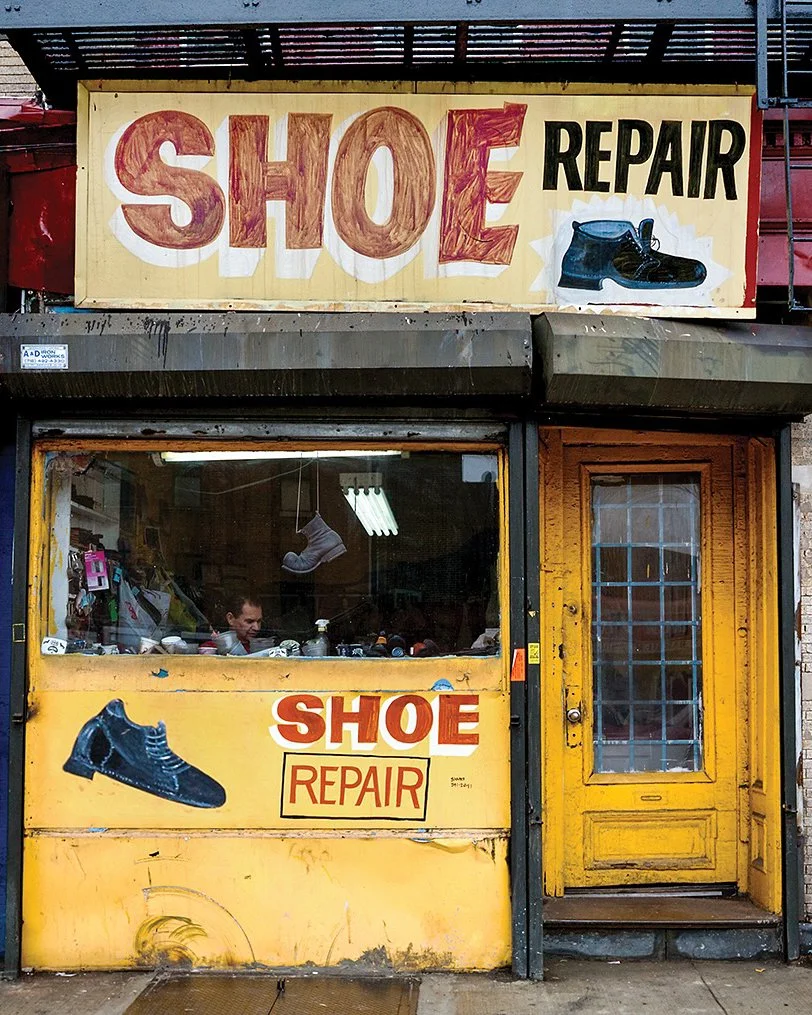
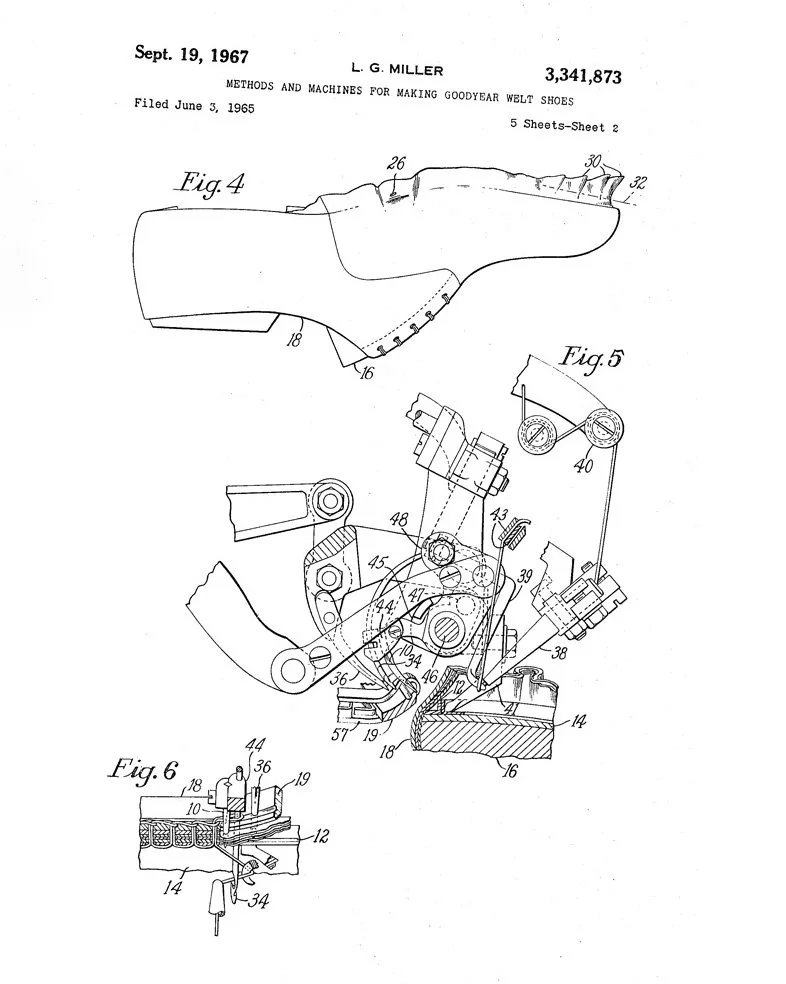
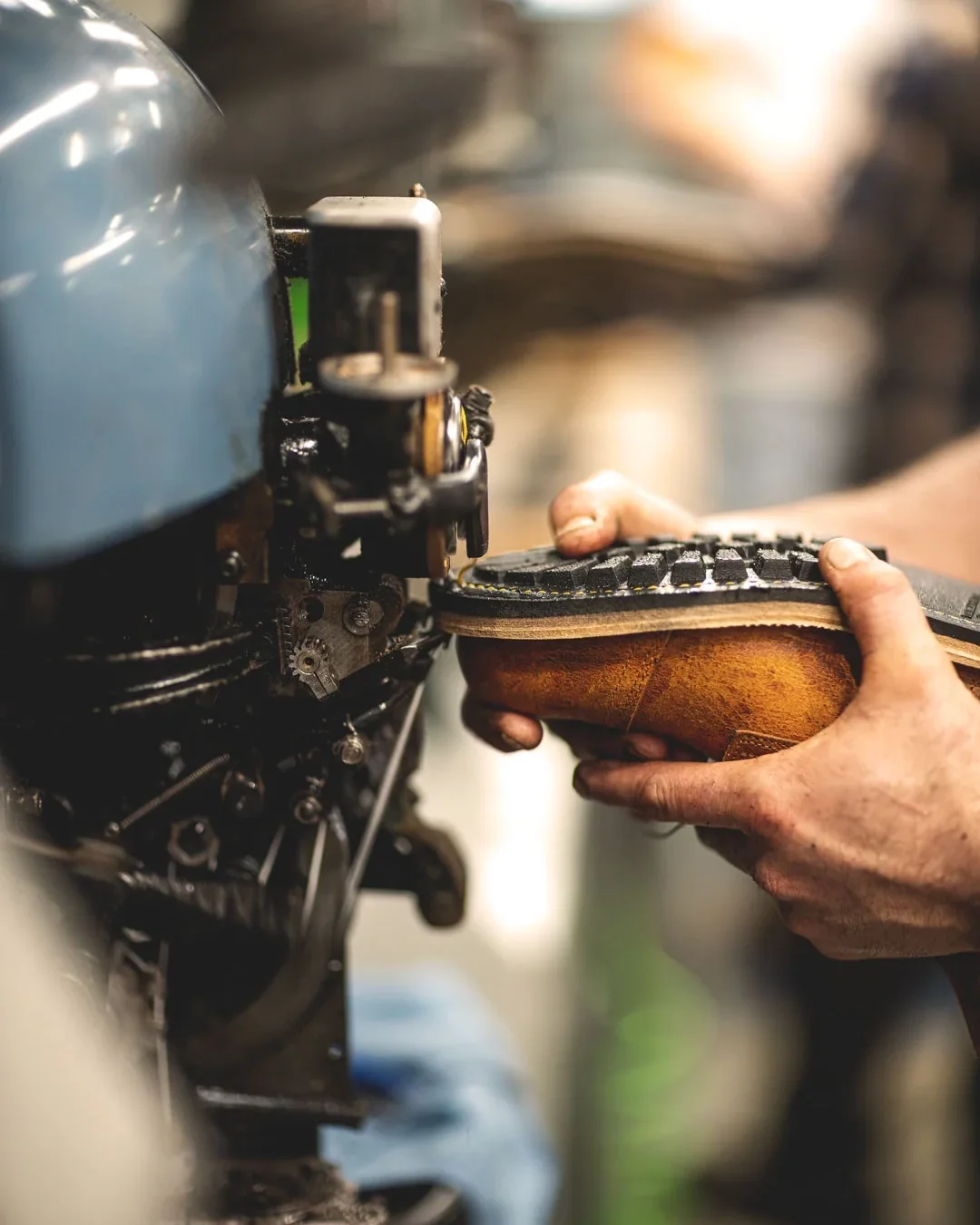
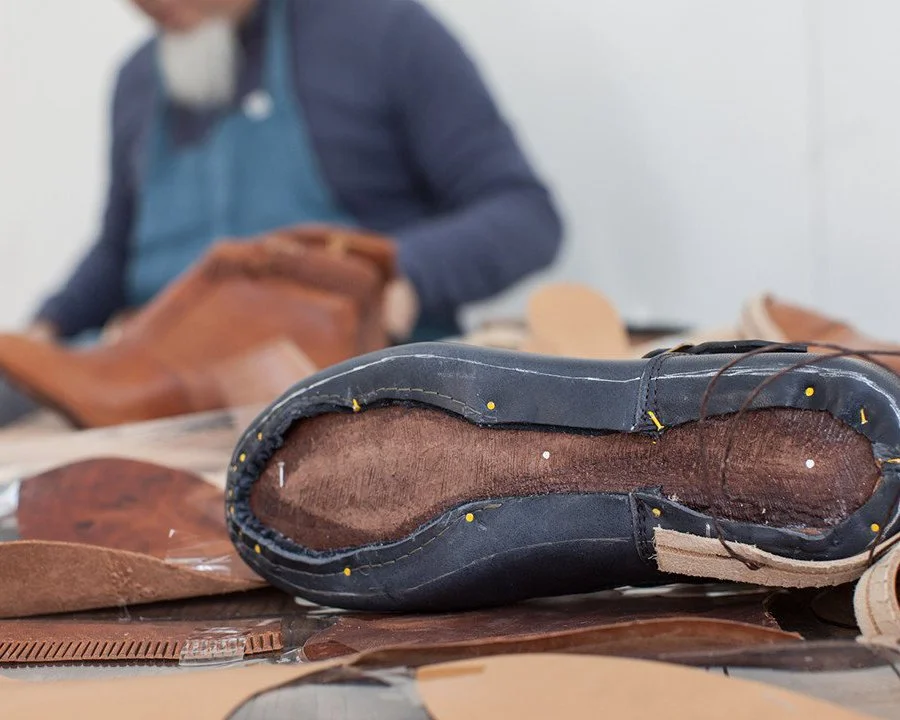
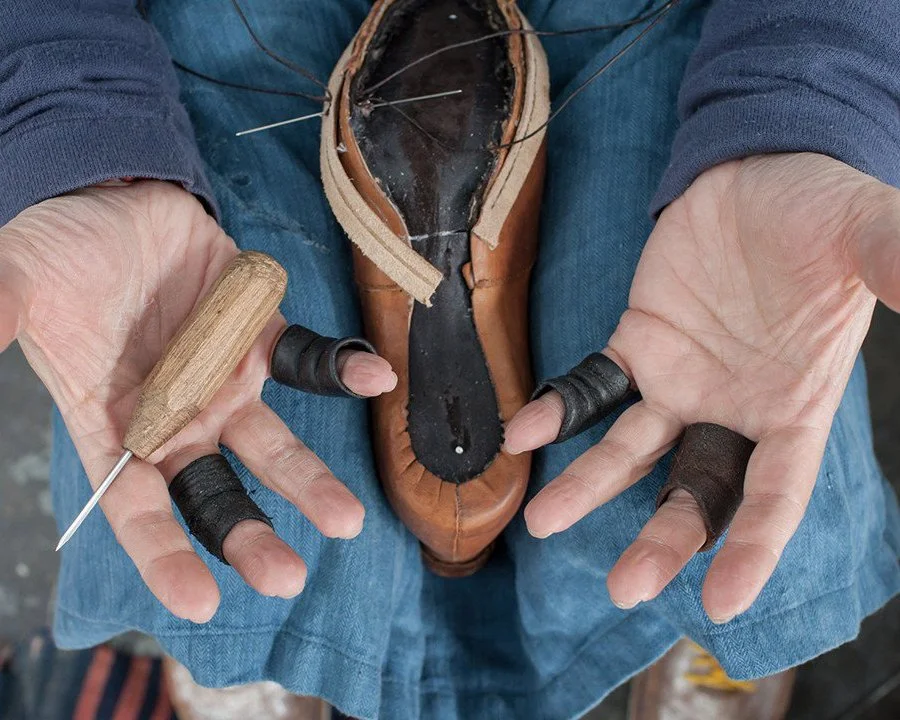
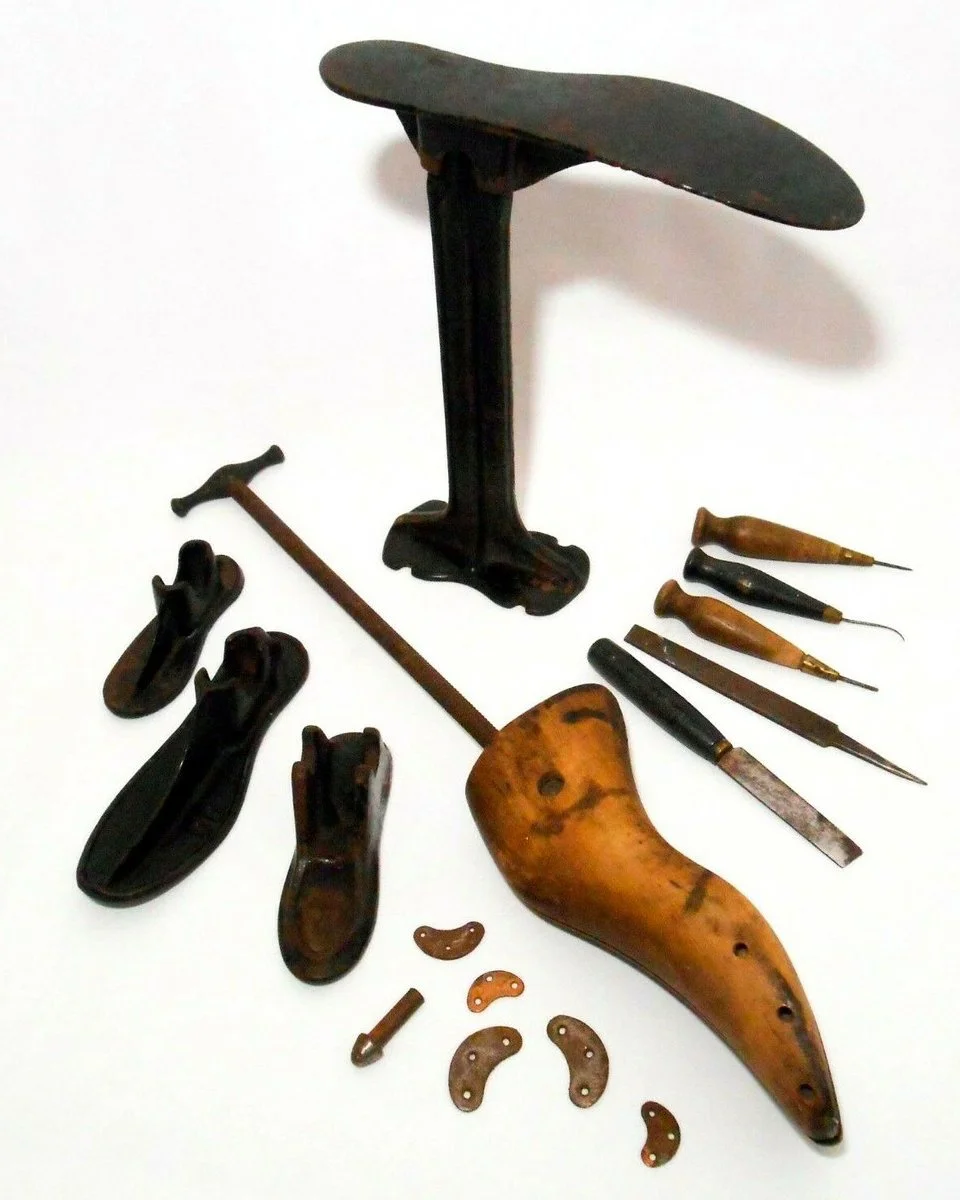
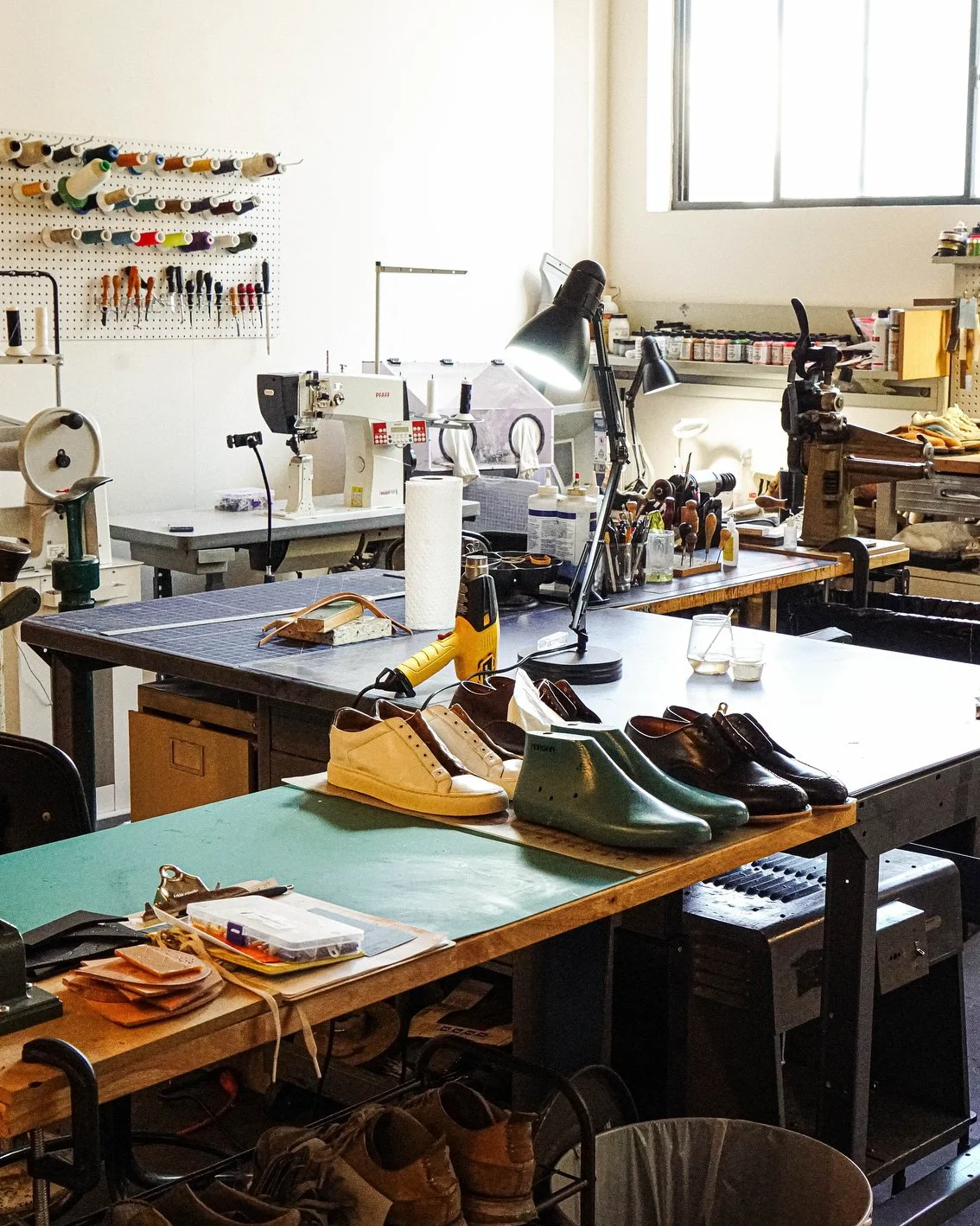
For most of footwear history, the answer was obvious. Shoes were expensive but labour was cheap. Every town had someone whose job was putting new bottoms on old shoes. At the height of the Great Depression there were roughly 120,000 shoe repair shops in the United States. These cobblers could all fix a shoe by cutting the sole stitching, pulling the worn sole, and attaching a new one without disturbing the rest of the shoe. A Goodyear welted shoe is built around a strip of leather or the welt that is then stitched to the upper and insole, with the outsole stitched to the welt. The genius of the system is that the outsole never touches the upper directly. From the beginning the construction anticipates its own repair. Stitchdown works similarly with visible stitching around the perimeter and a sole that can be removed and replaced as long as the welt and the leather at its base hold.
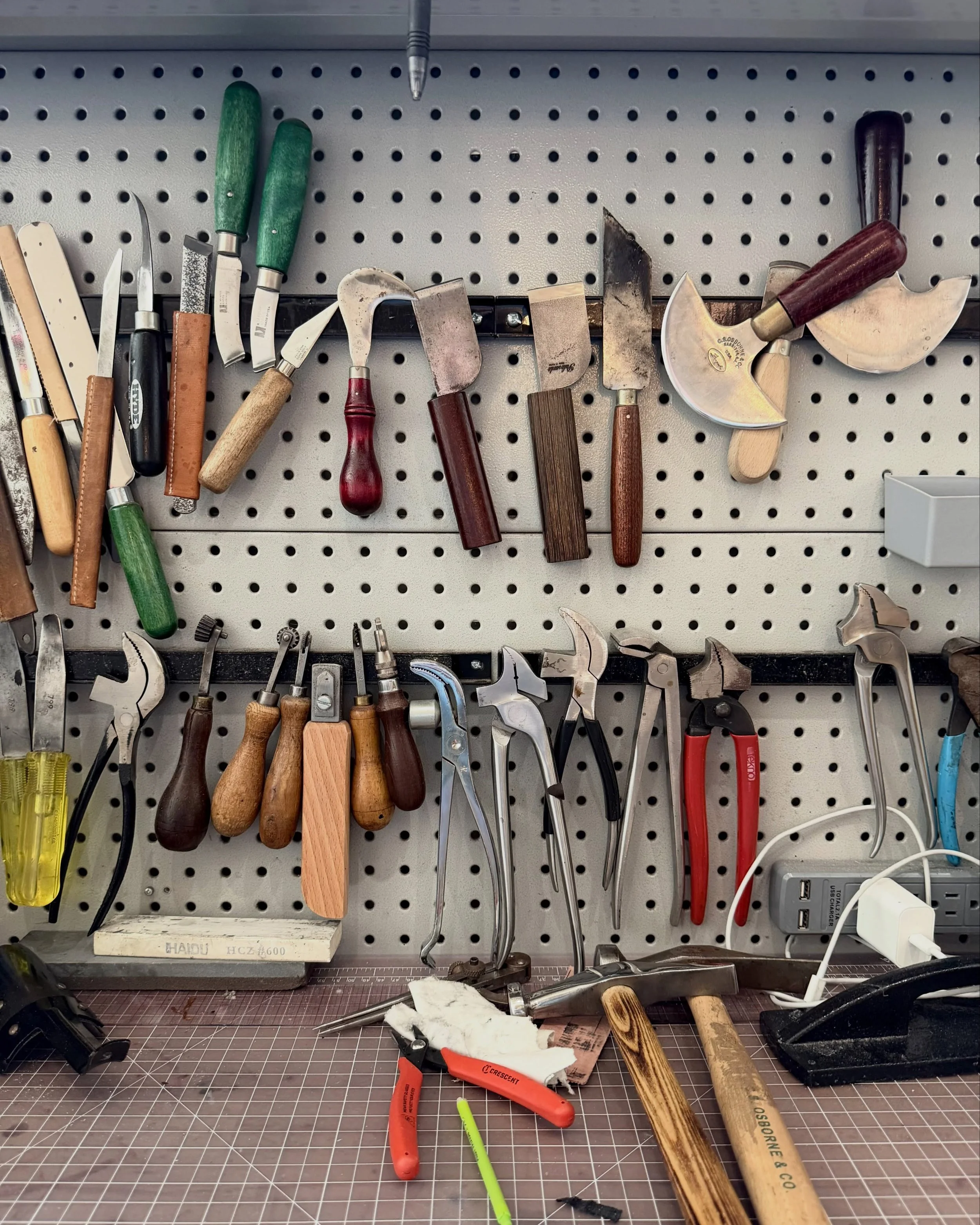
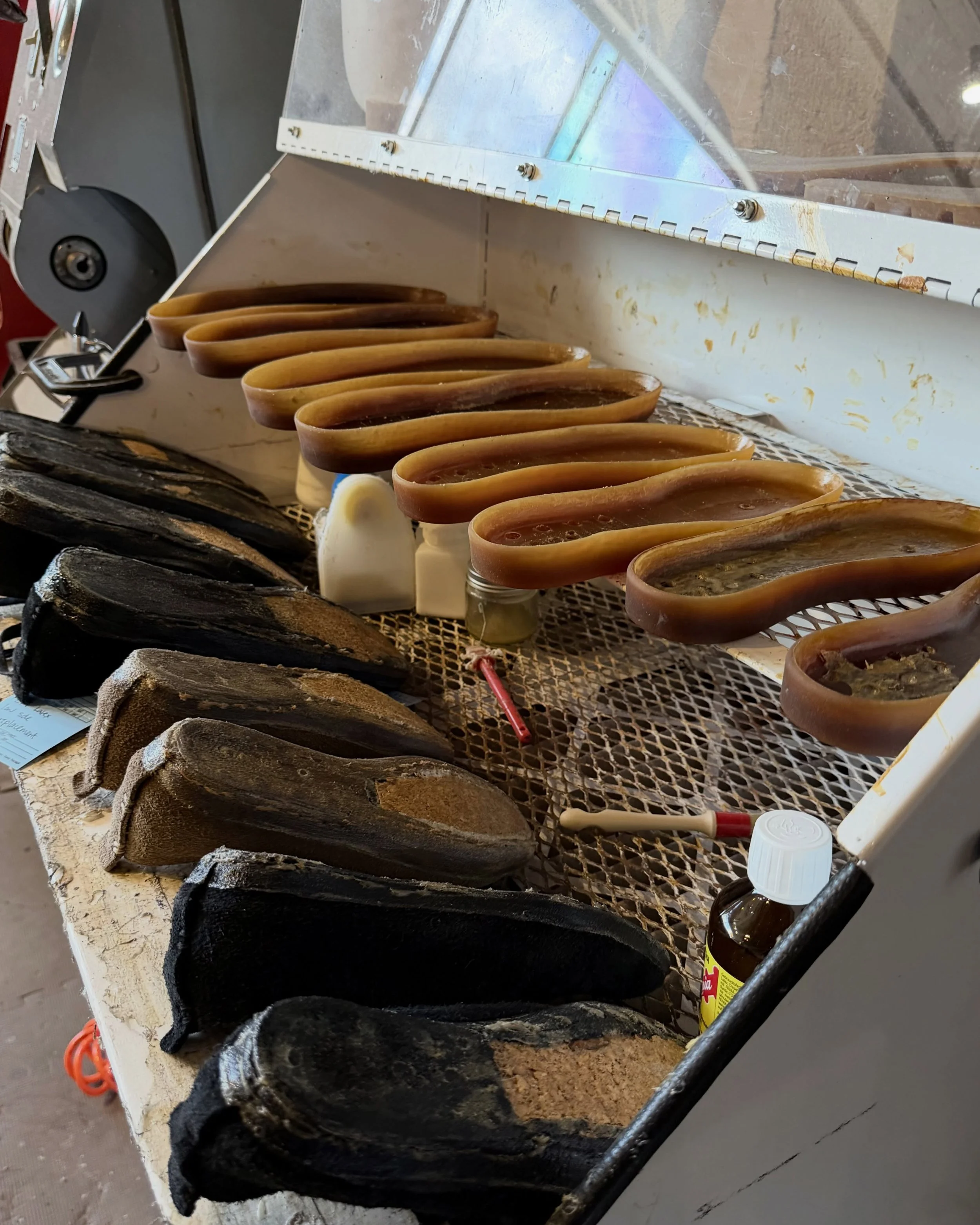
In the early 20th century new methods like vulcanized rubber and cold cement construction would mold the sole directly to the upper. This changed the economics of ownership. Once a sole could no longer be removed without destroying the upper, repair stopped being part of a shoe's life cycle. Replacement became the default, and the cobbler slowly disappeared from the high street. Today there are around 3,500 cobbler shops in the US and most of them are run by cobblers approaching retirement, without apprentices. The dominant construction method made repair structurally impossible, while low coast imports made replacement even cheaper. The trade declined not only due to this but also because the social consciousness changed from a society of reuse to a society of the new. However, there are two very opposite corners of the footwear world that have maintained a tradition in repair culture and that is heritage boots and climbing shoes.
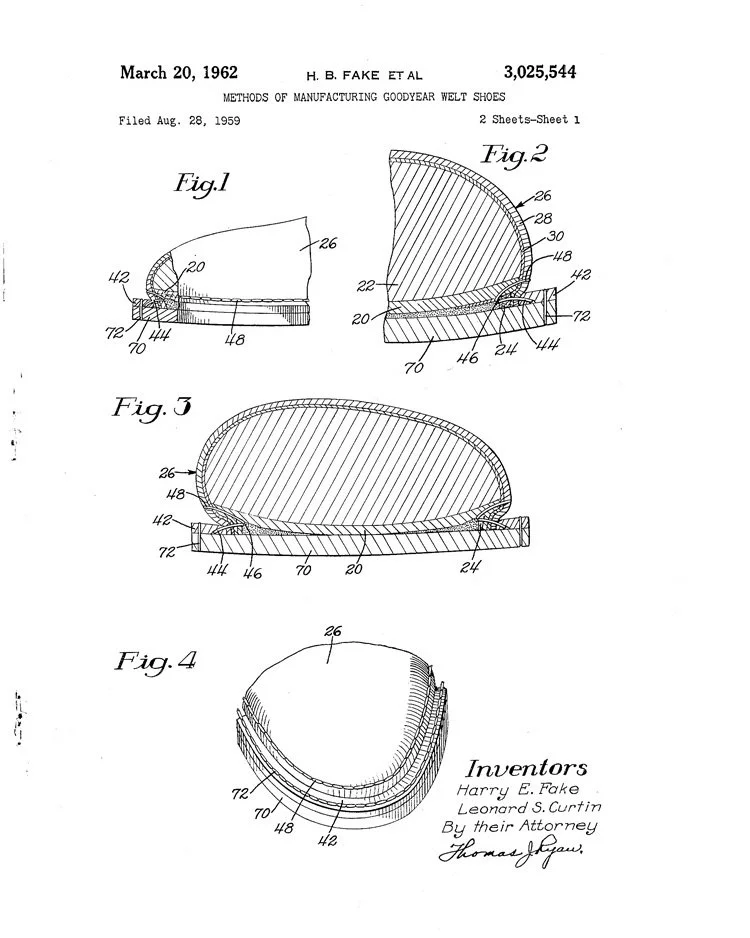
Climbing shoes wear out fast and asymmetrically. Around 90 percent of sole wear happens at the big toe, the foot's power point, where four millimeters of rubber gets ground toward paper thin. A serious climber can burn through a factory sole in months (sometimes singular). At around £150 a pair, replacement was never a viable answer, so a parallel economy formed instead that dedicated resole shops clustered near climbing towns, most run by one or two climbers, doing half-soles for around £40 and rand repairs by the crescent.
The resole is never quite neutral and a shoe rarely comes back exactly as it left. Different rubber compounds change how the shoe grips and flexes. A different rand can alter the way the toe hooks or smears. Even the colour of the rubber becomes part of the calculation. The repair becomes another chapter in the shoe's life.
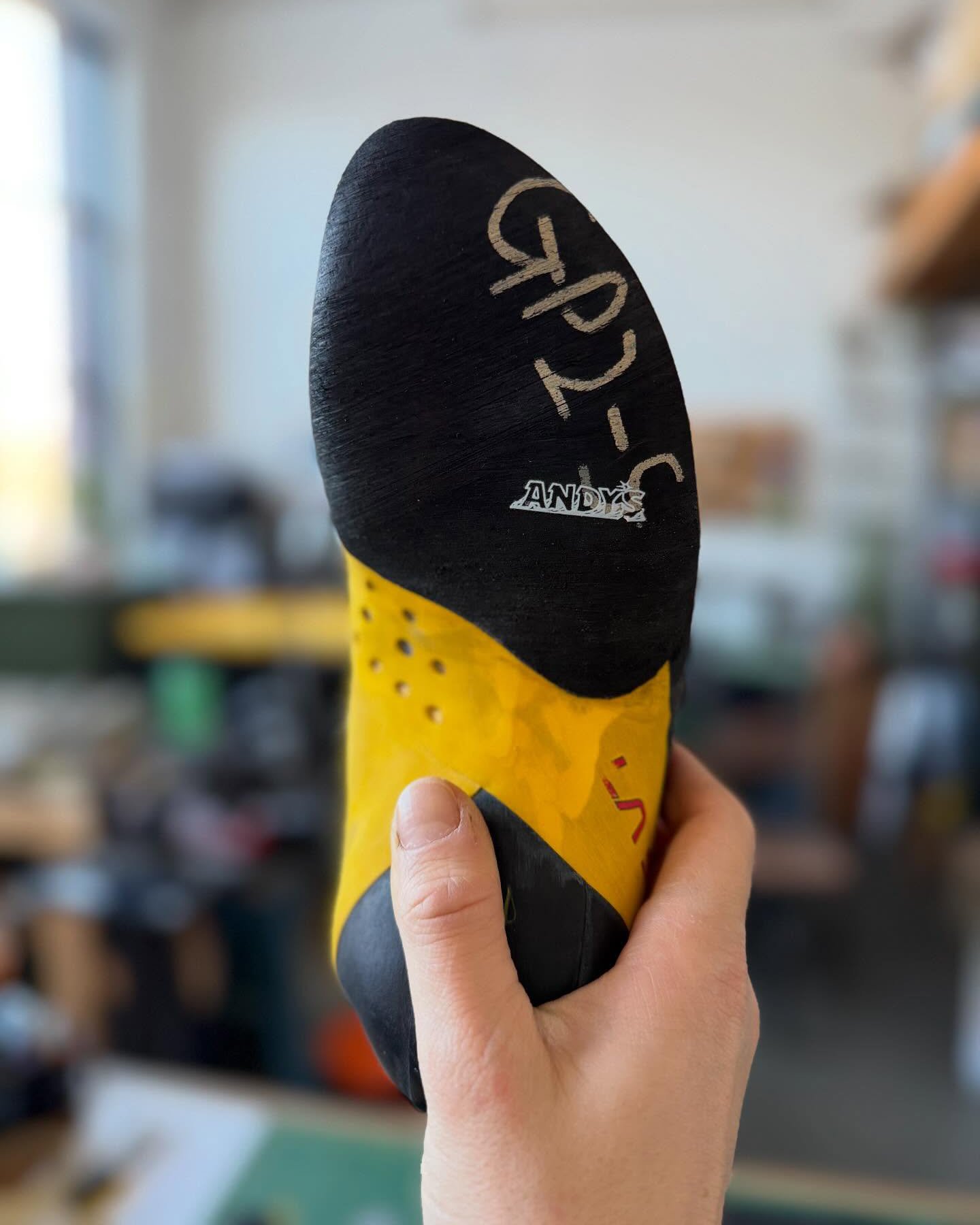
The craft survives largely through specialists. Rock & Resole has rebuilt climbing shoes in Boulder since 1989, while Evolv's Yosemite Bum remains one of the few manufacturer owned resoling operations in North America, where the same people who build the shoes also rebuild them. Across Europe, La Sportiva and Scarpa return worn pairs to their original lasts before fitting fresh rubber. In Canada, more bespoke brands like Andy's Outdoors has made the process unusually visible, documenting each rebuild in detail and reminding climbers that a worn shoe is often the beginning of a repair rather than the end of its life. New resolers continue to appear wherever climbing communities mature, reflecting a gradual shift toward repair over replacement.
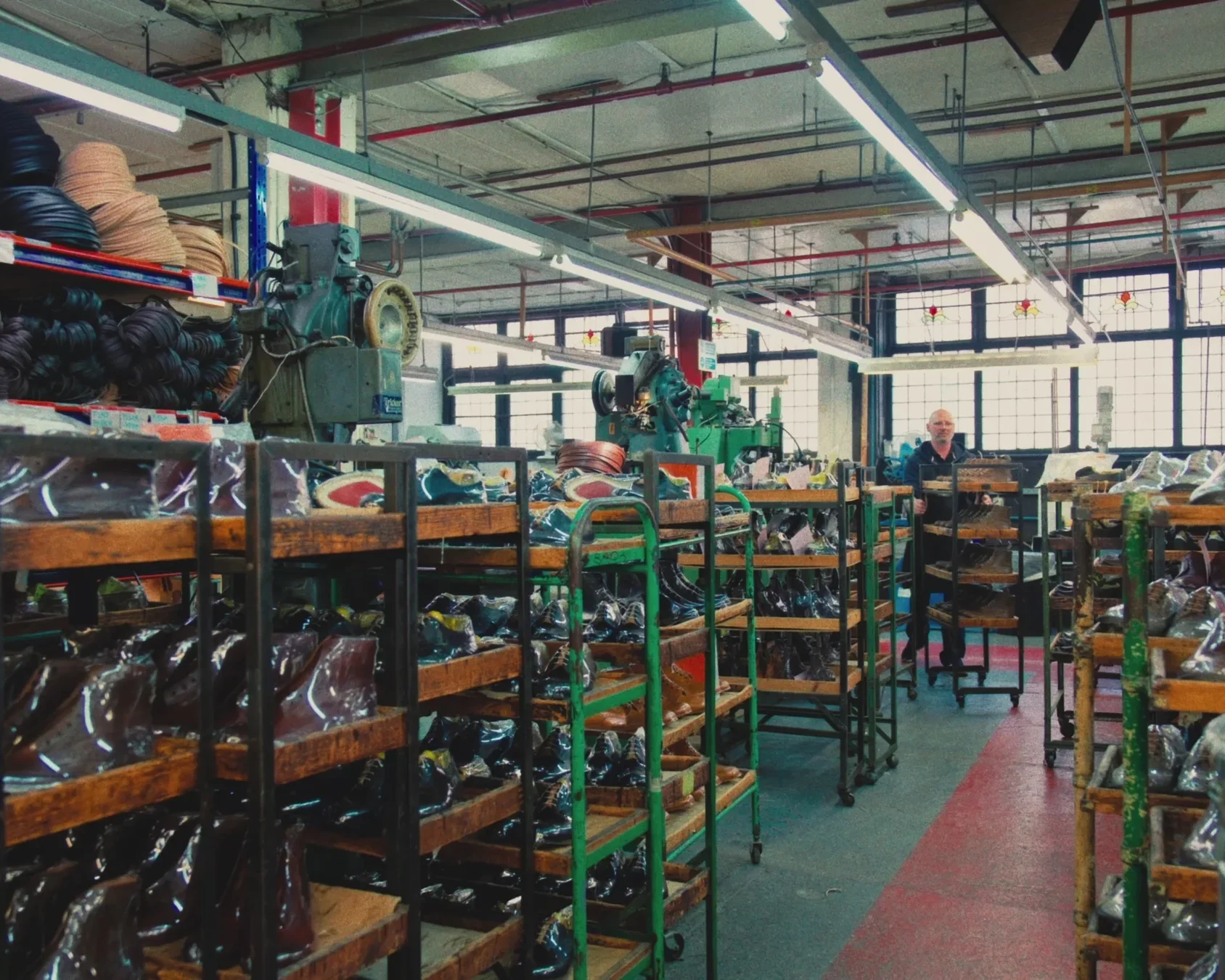
Heritage boots operate much the same just on a slightly different timeline. A worker may wear through a sole over several years rather than months, but the principle is the same. Danner's recrafting programme strips a boot back to its upper before fitting new soles, heel counters, hardware and liners where necessary. Tricker's has rebuilt English country boots for generations, while Paraboot still speaks about repair as an expected stage in ownership.
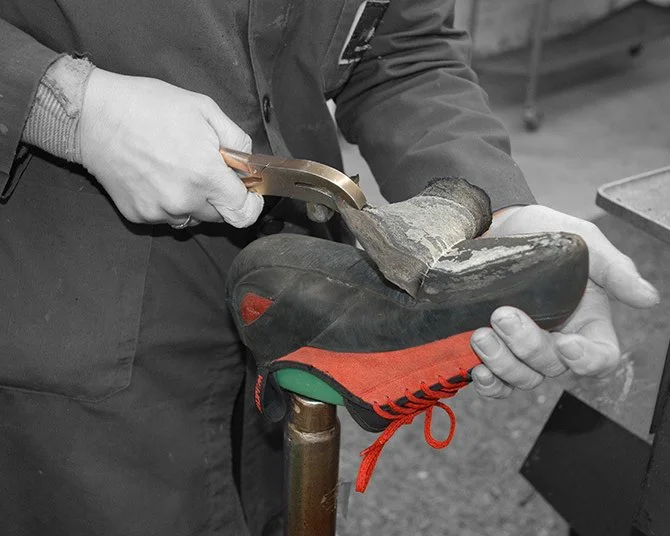
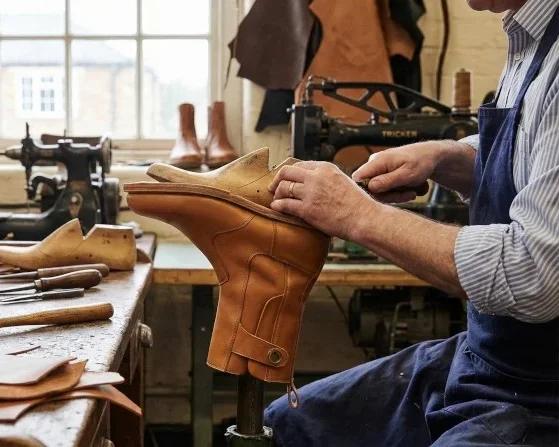
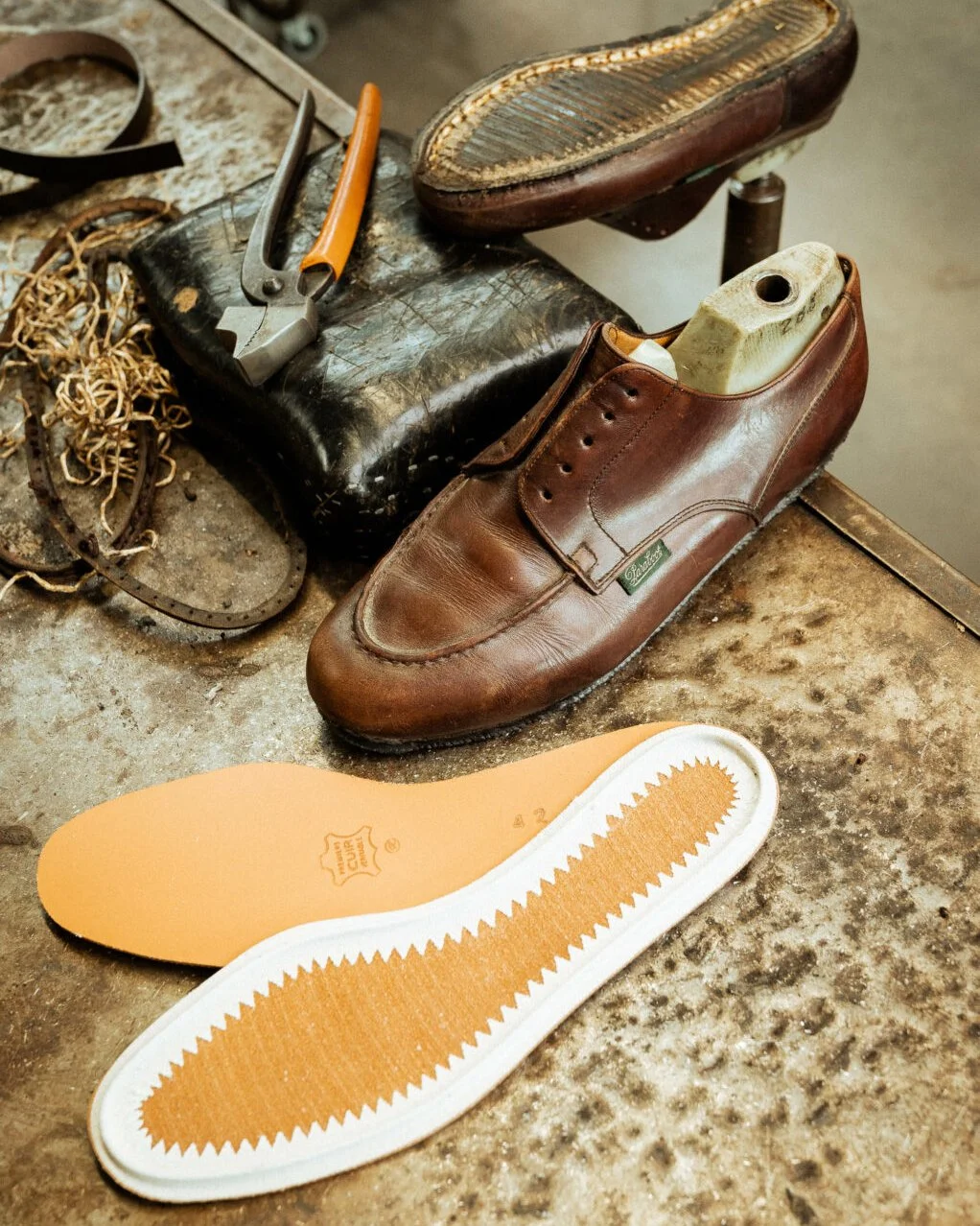
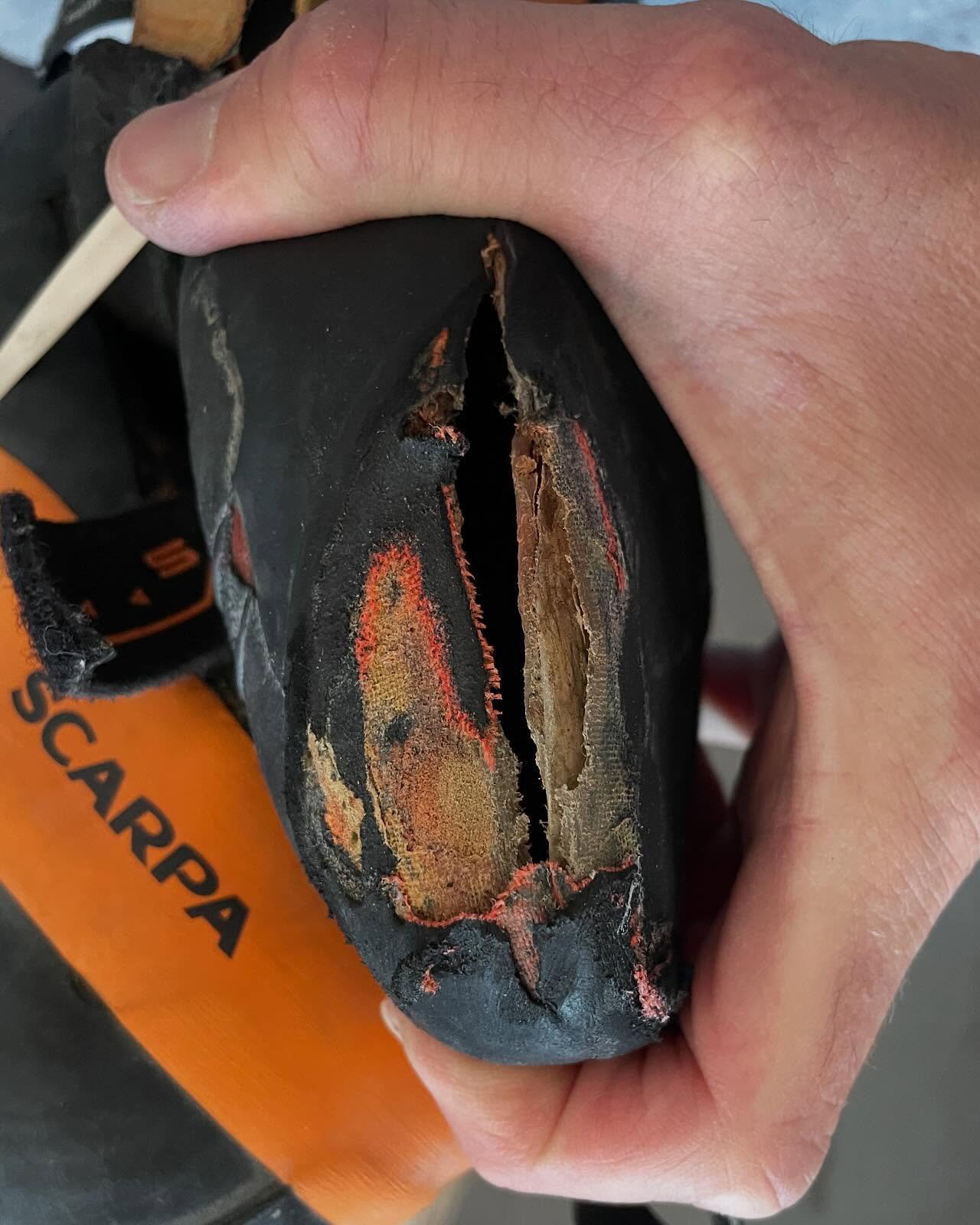
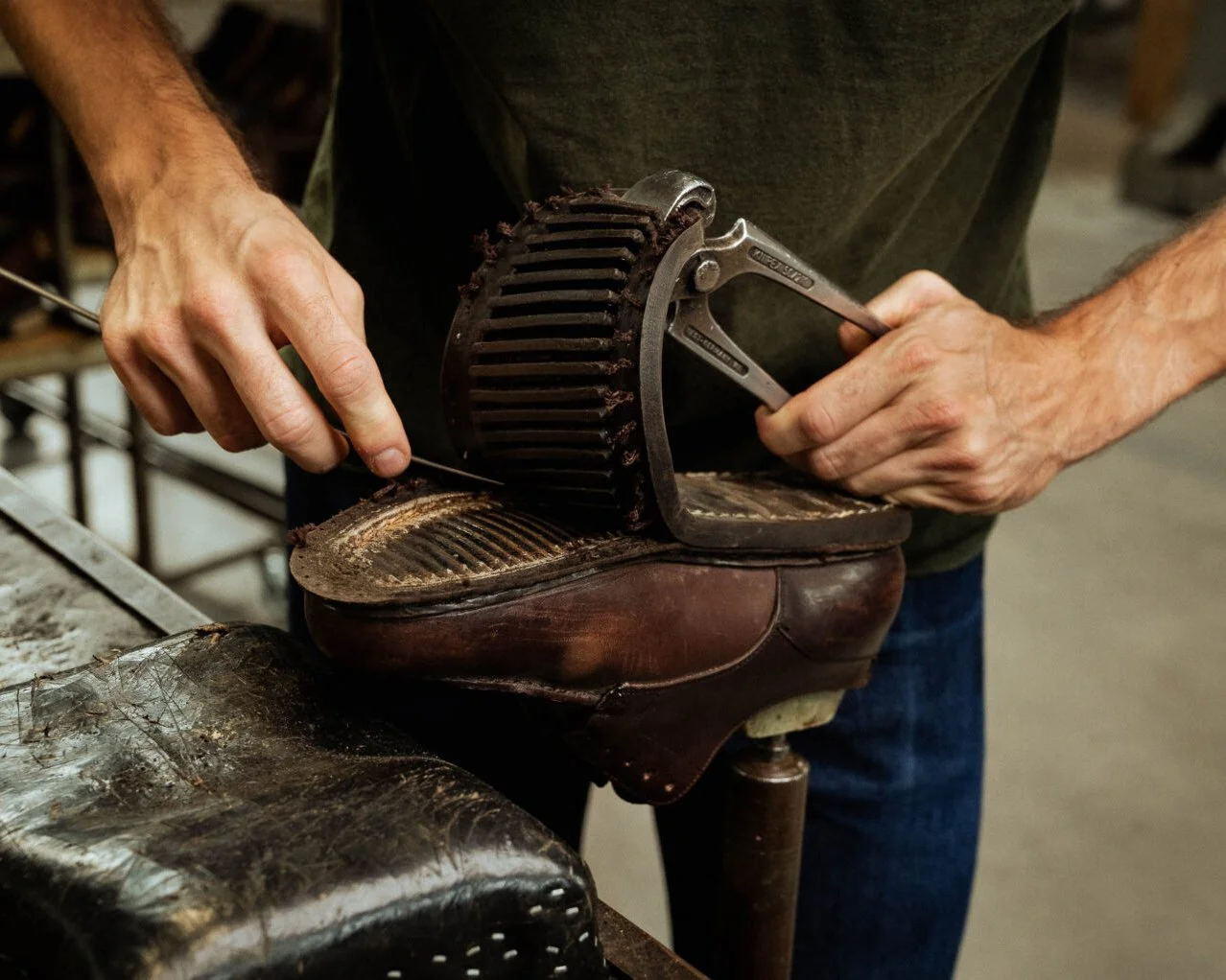
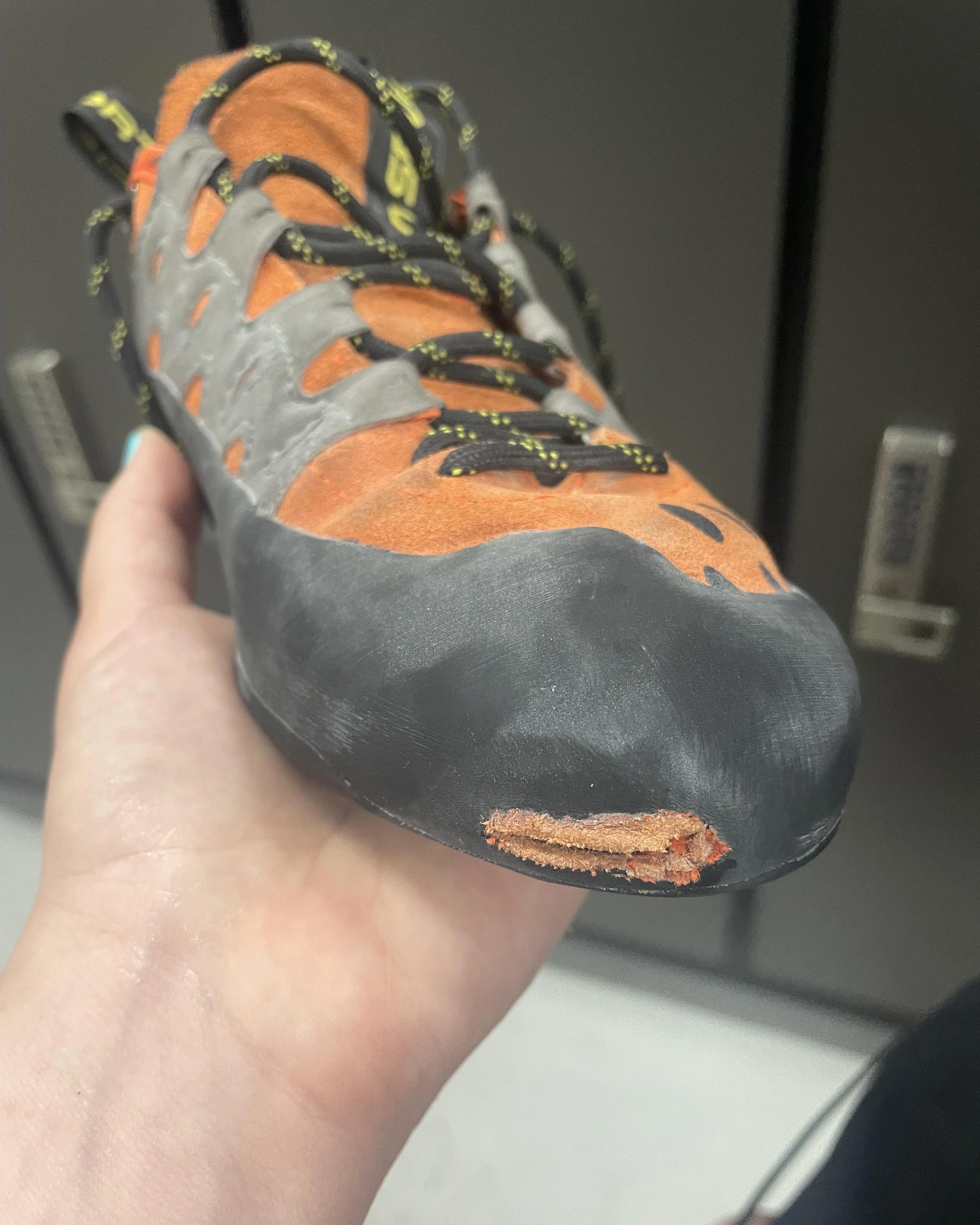
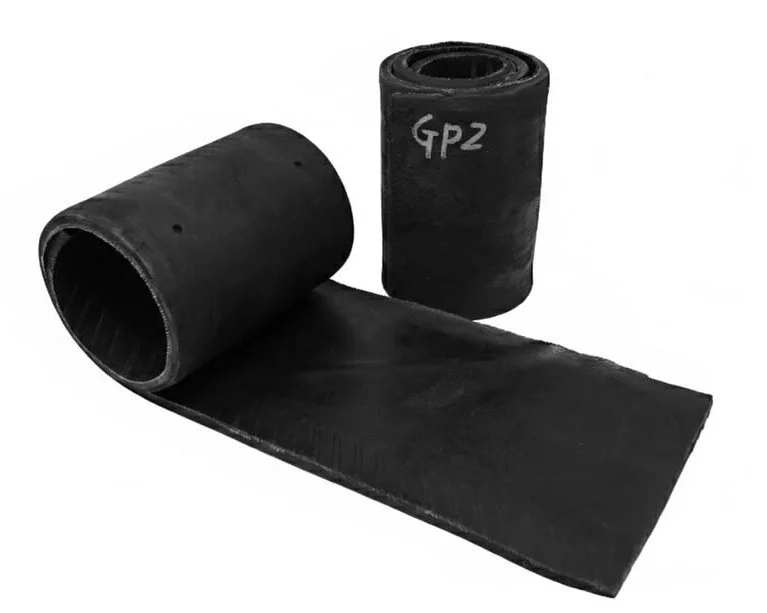
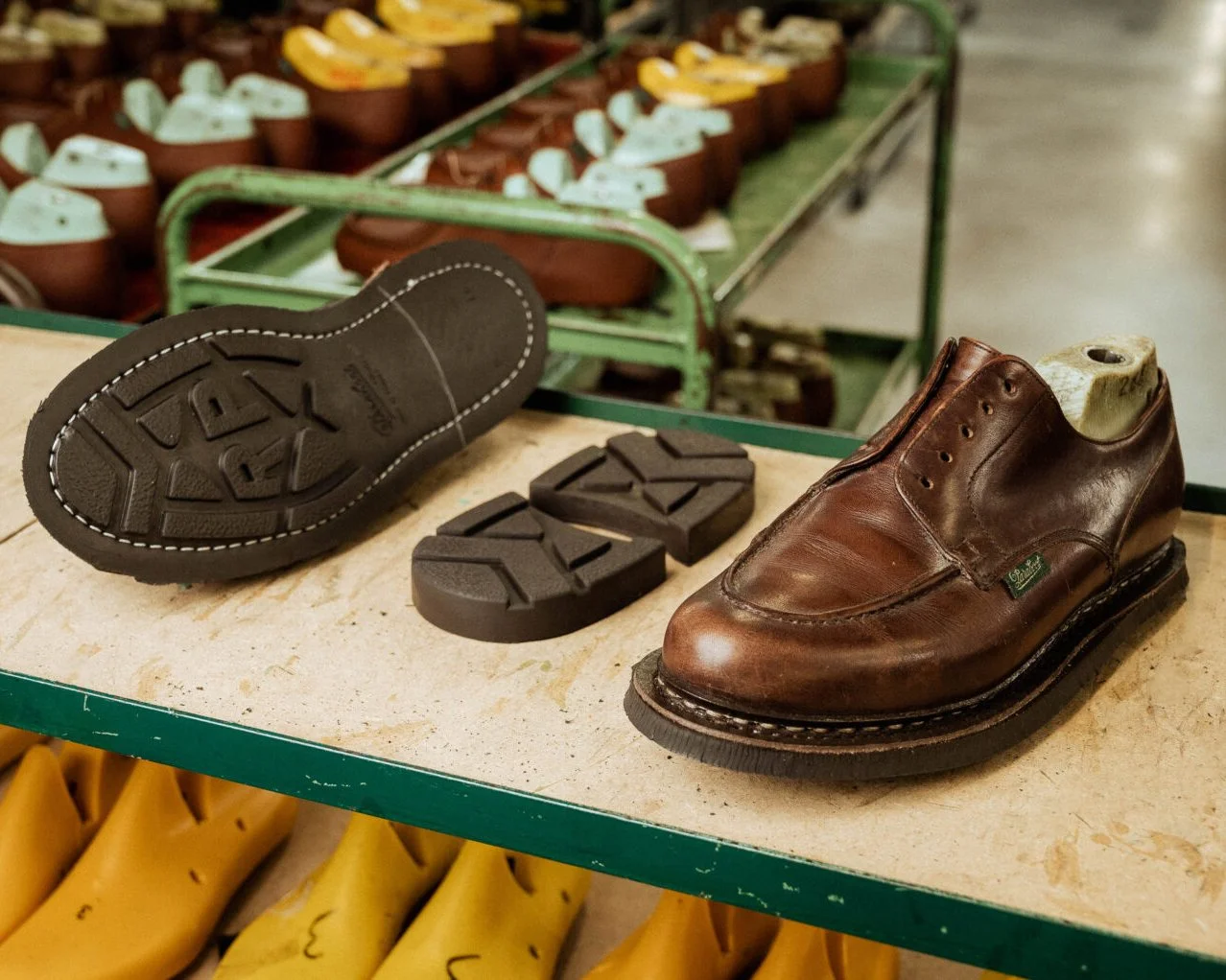
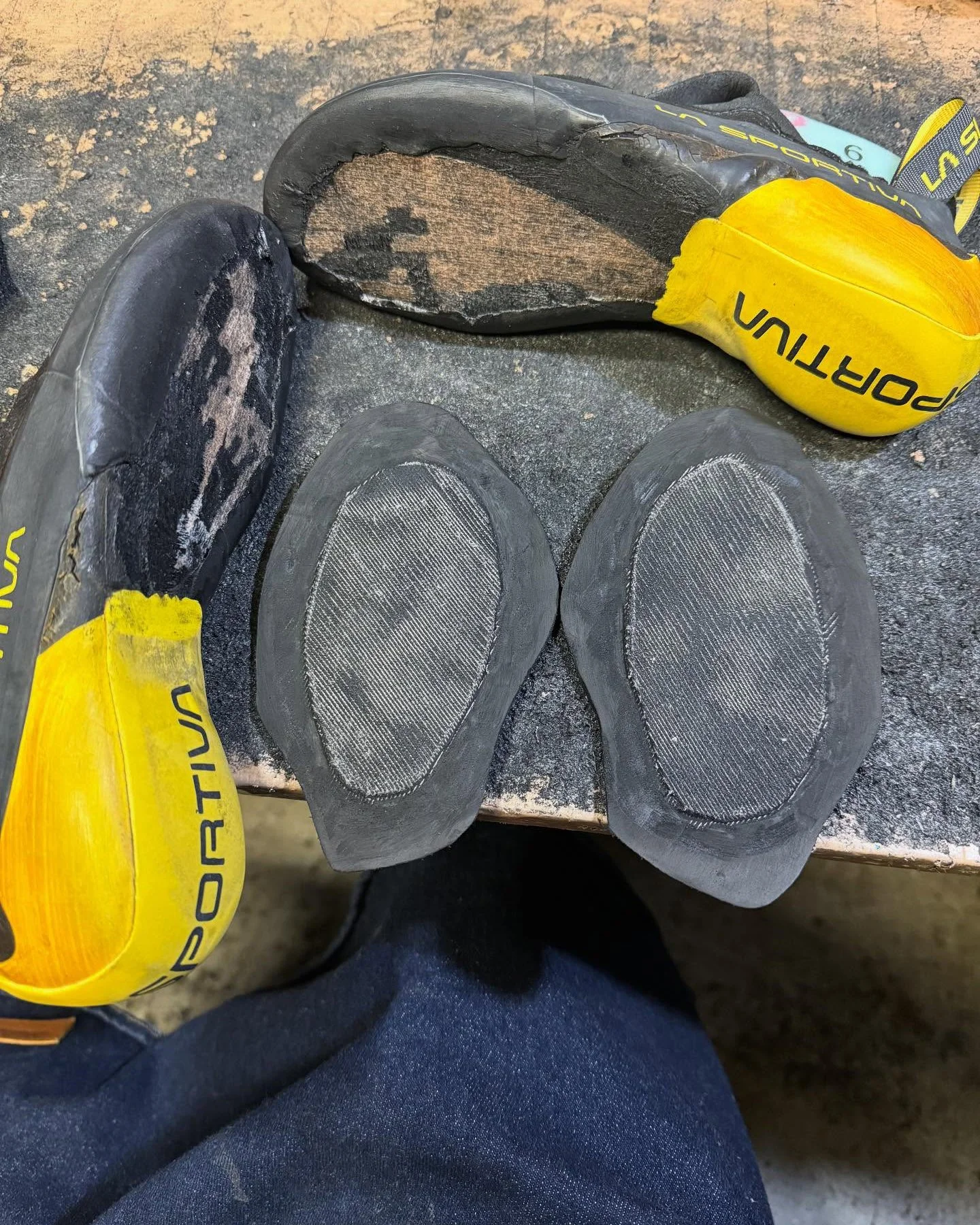
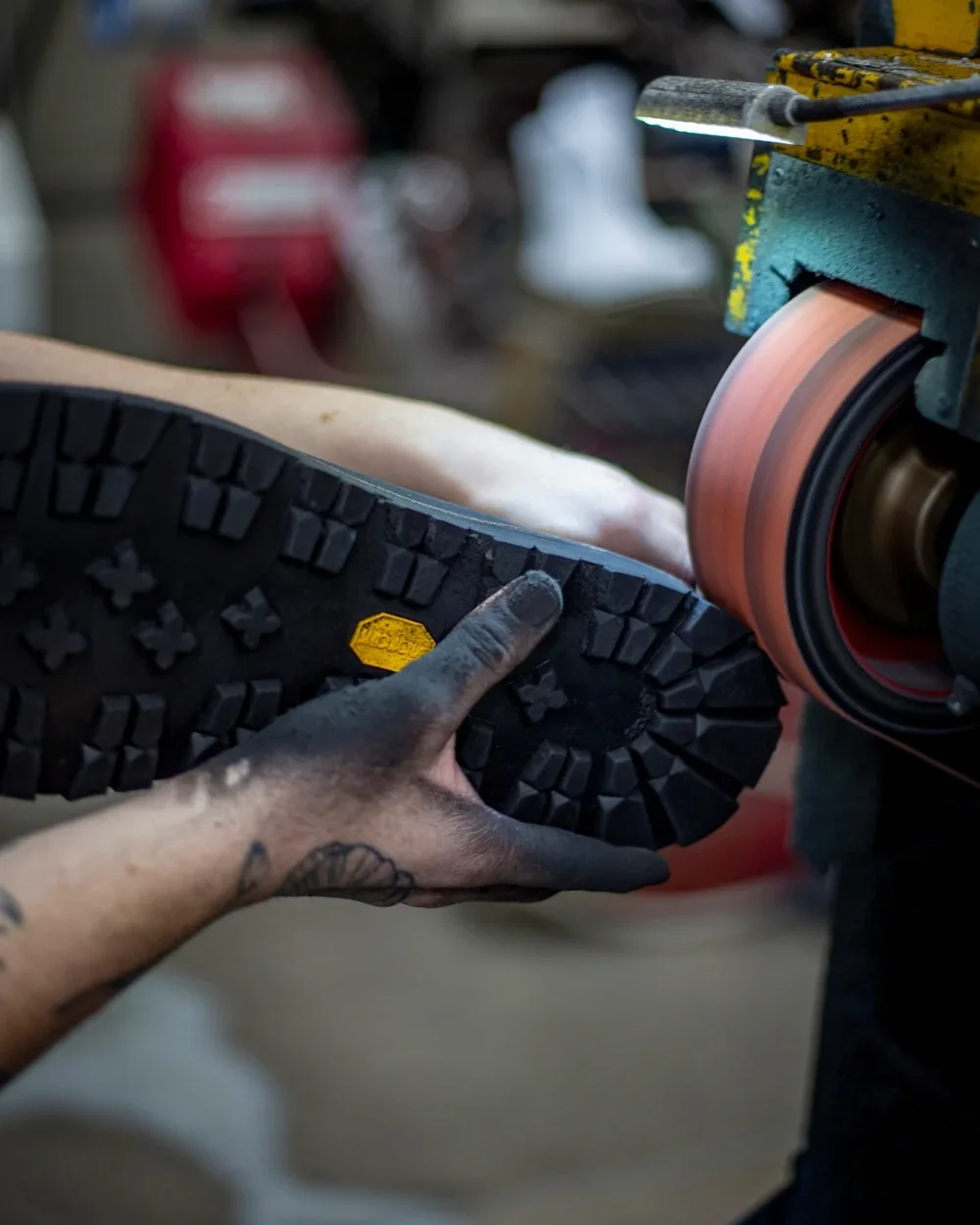
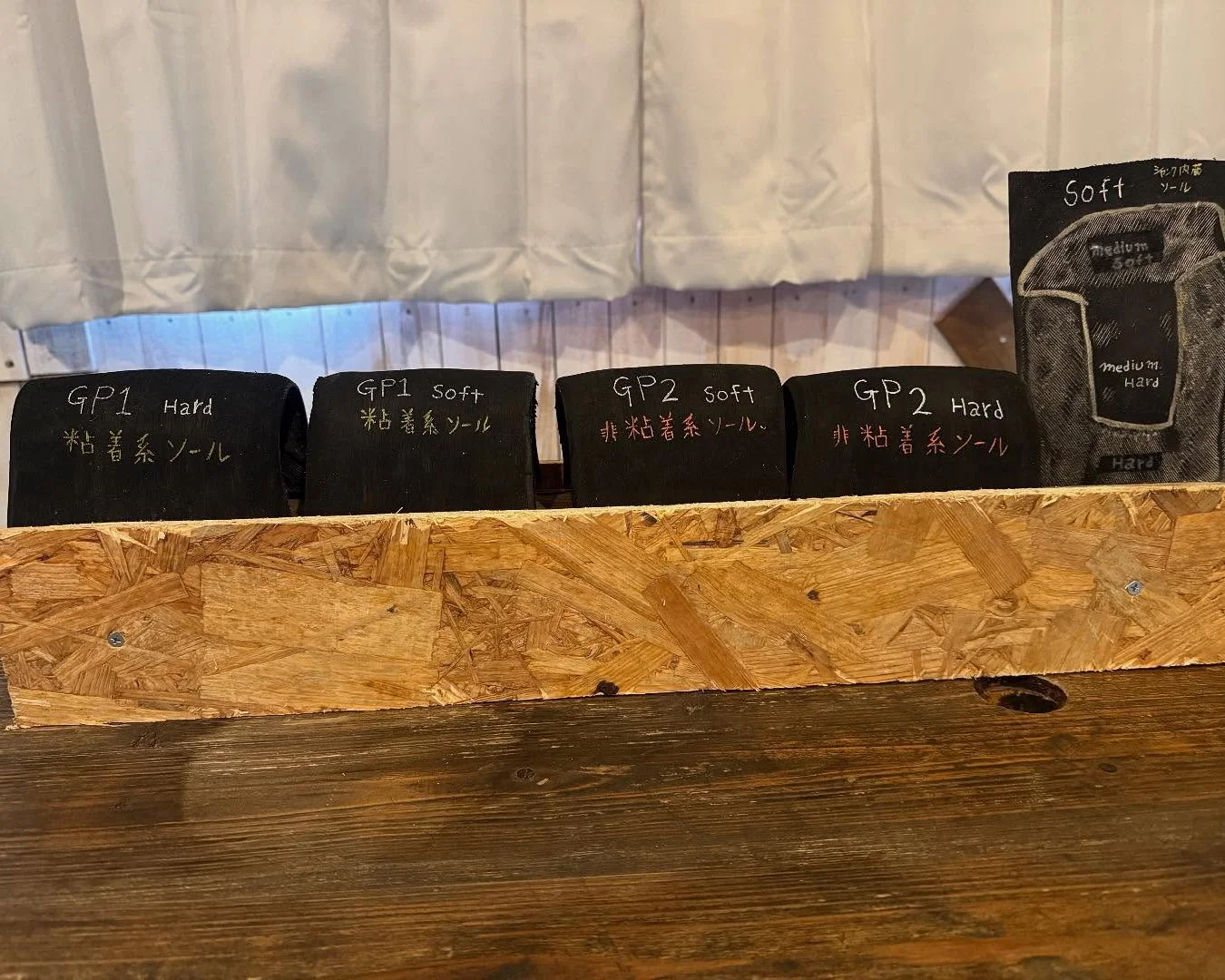
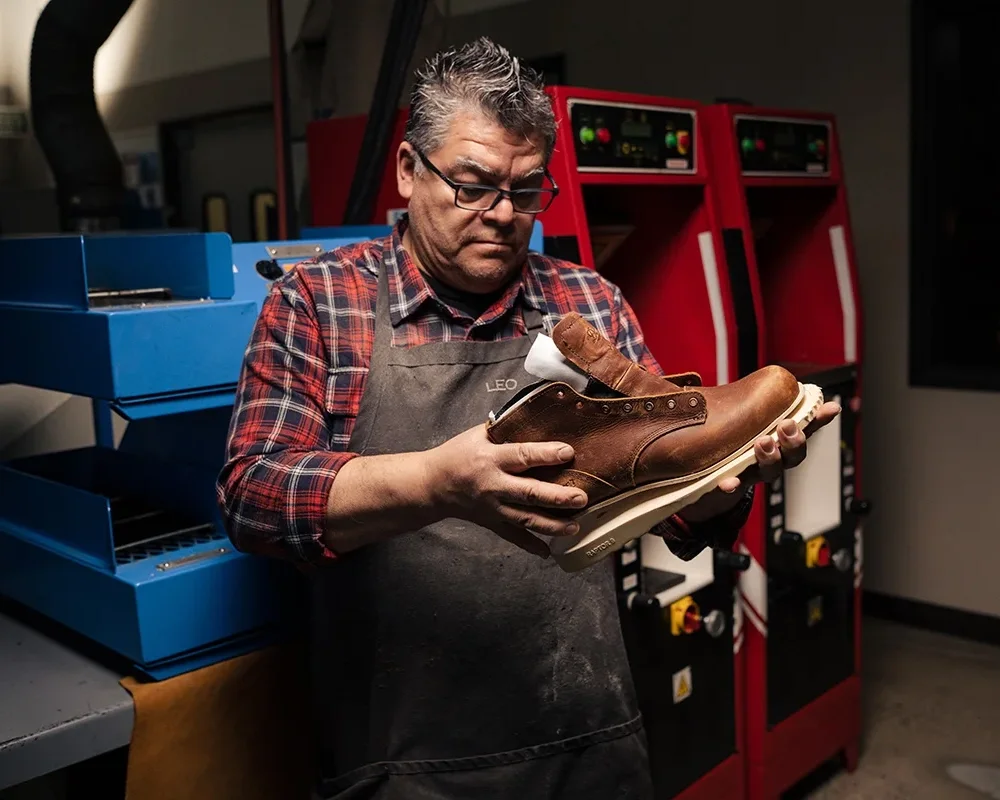
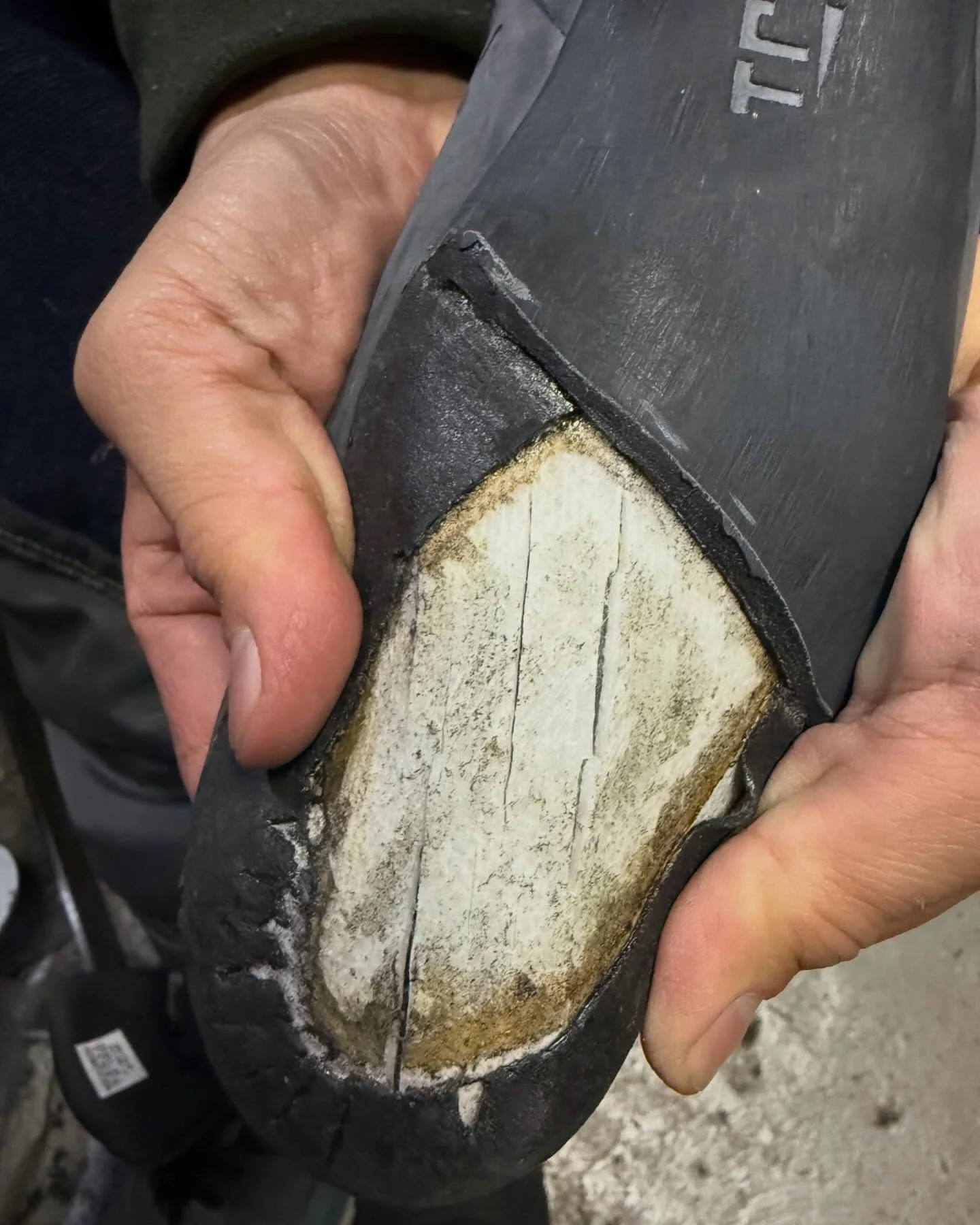
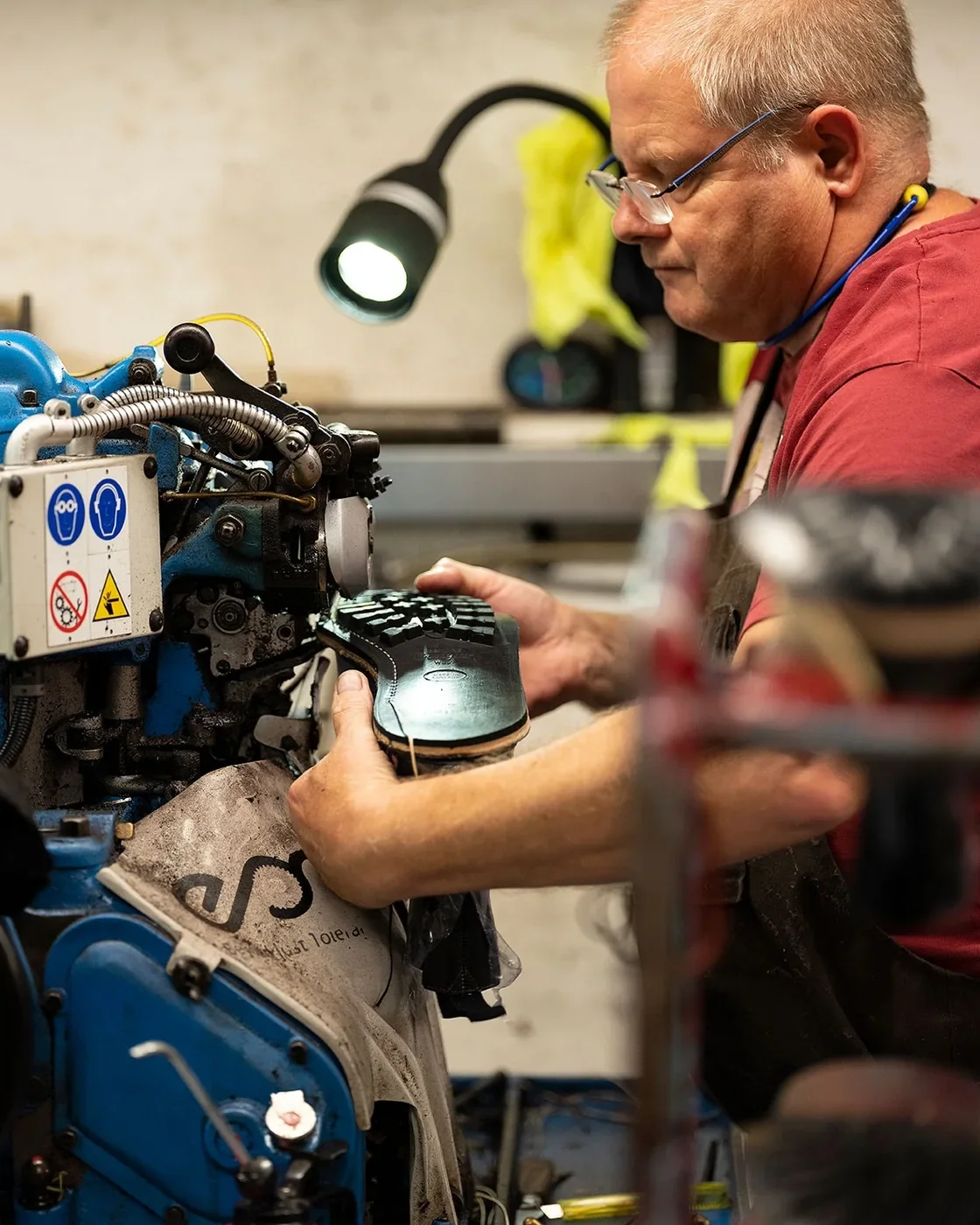
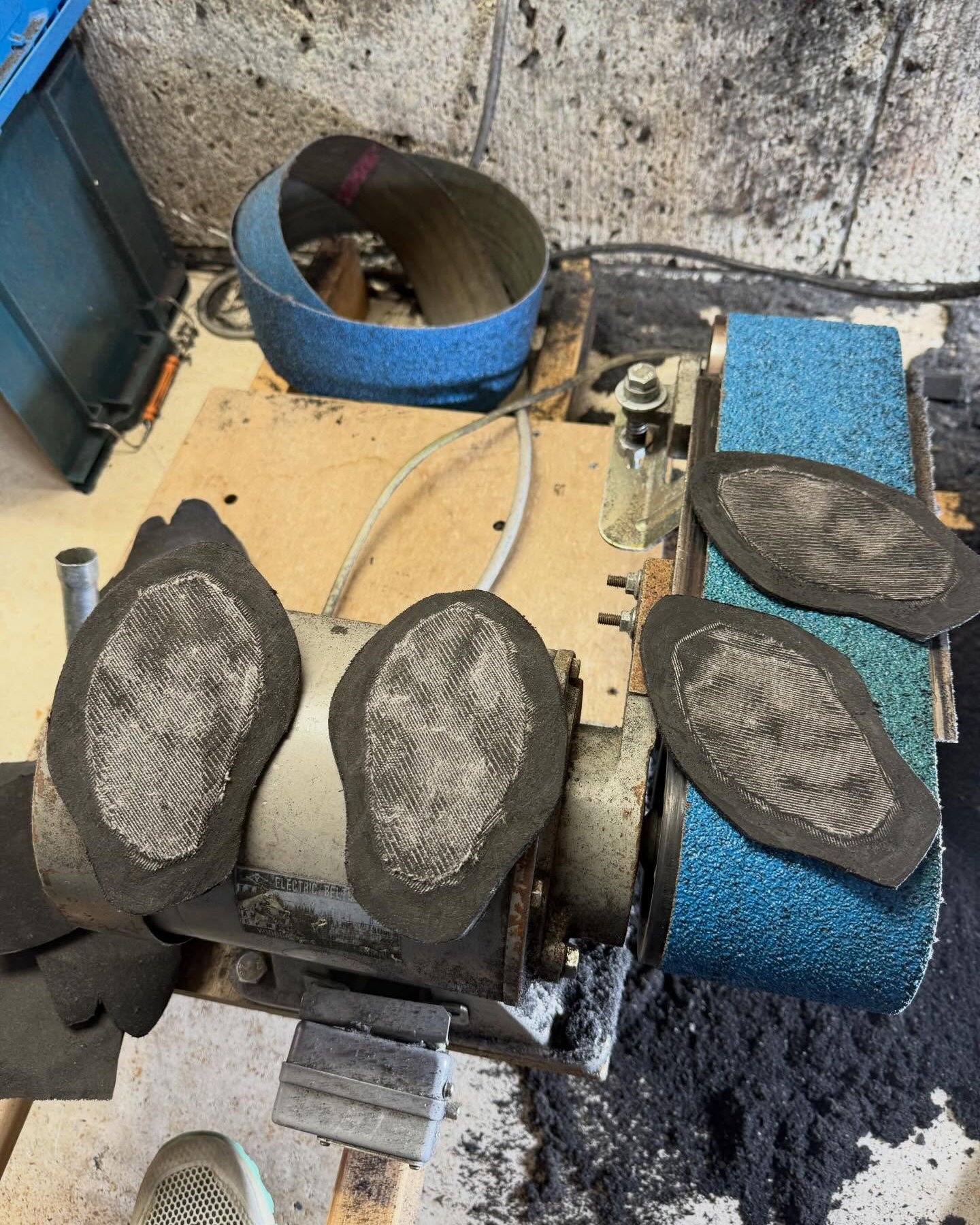
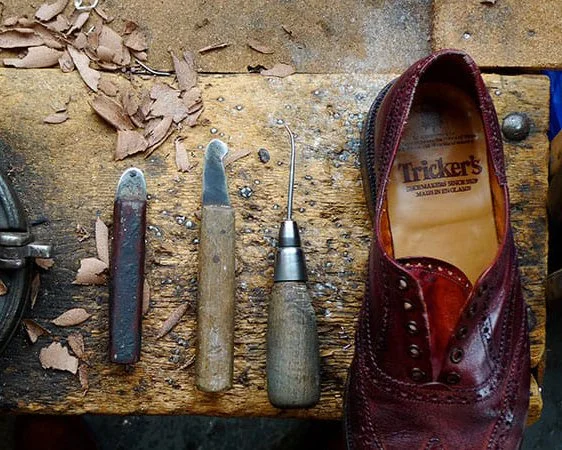
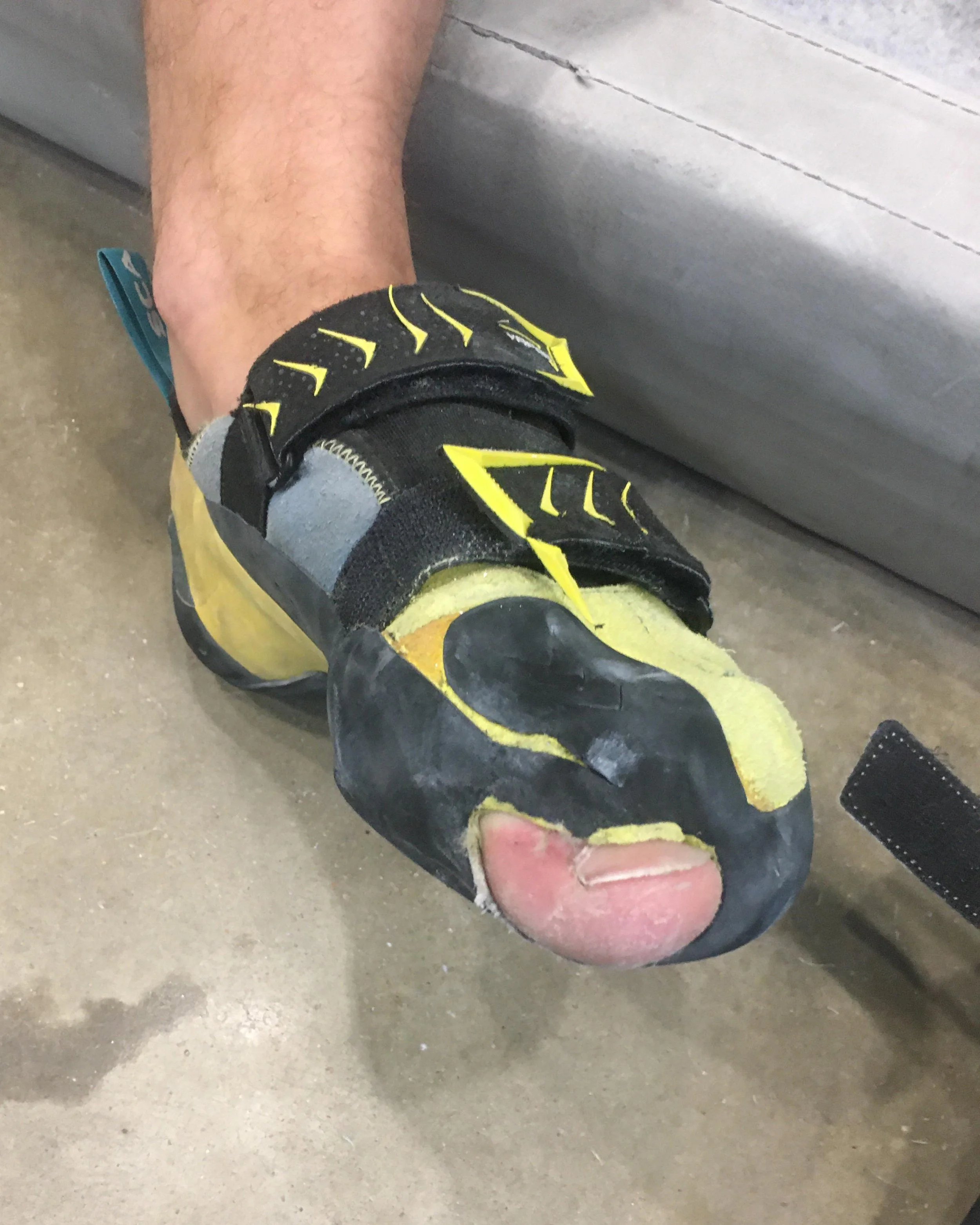
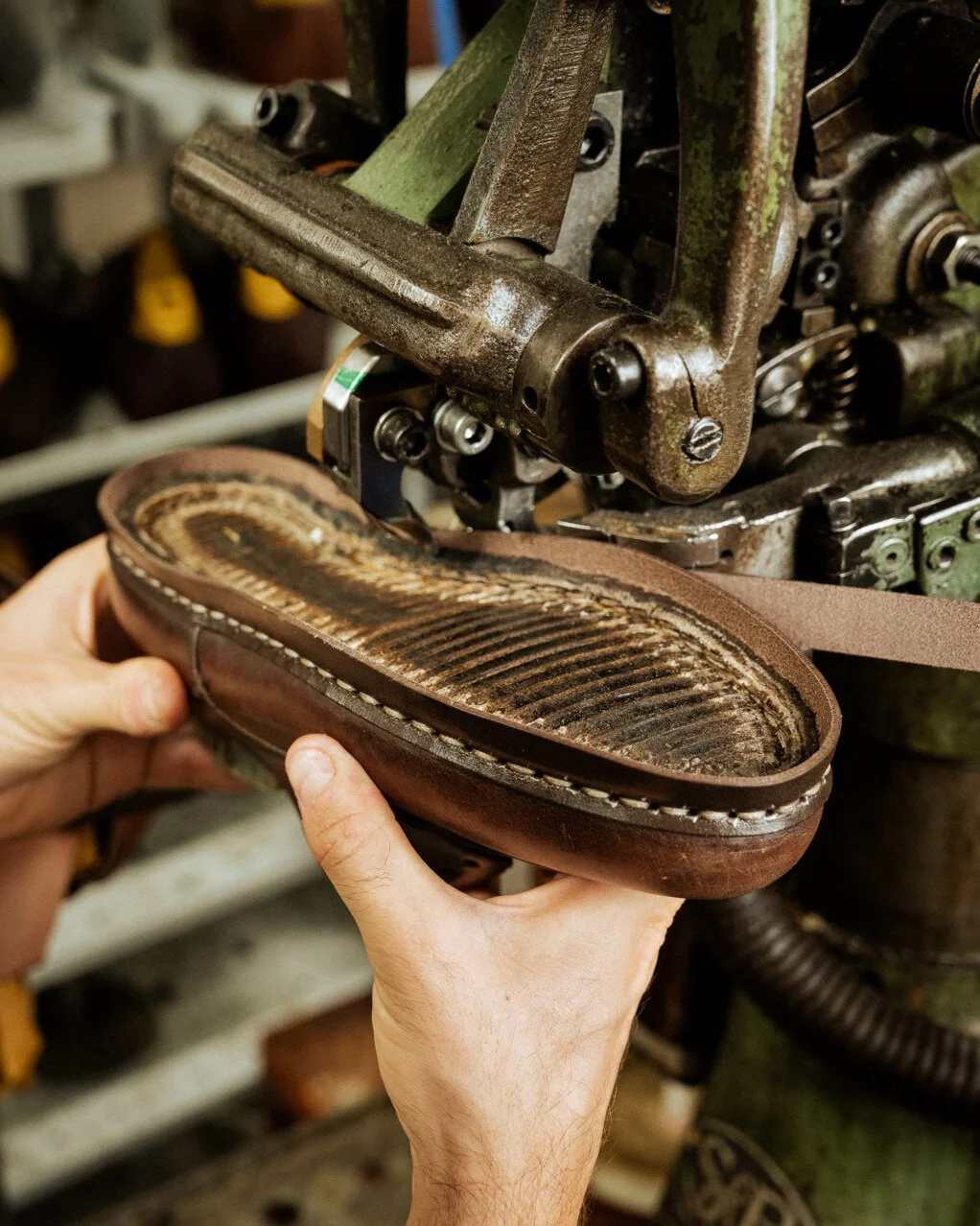
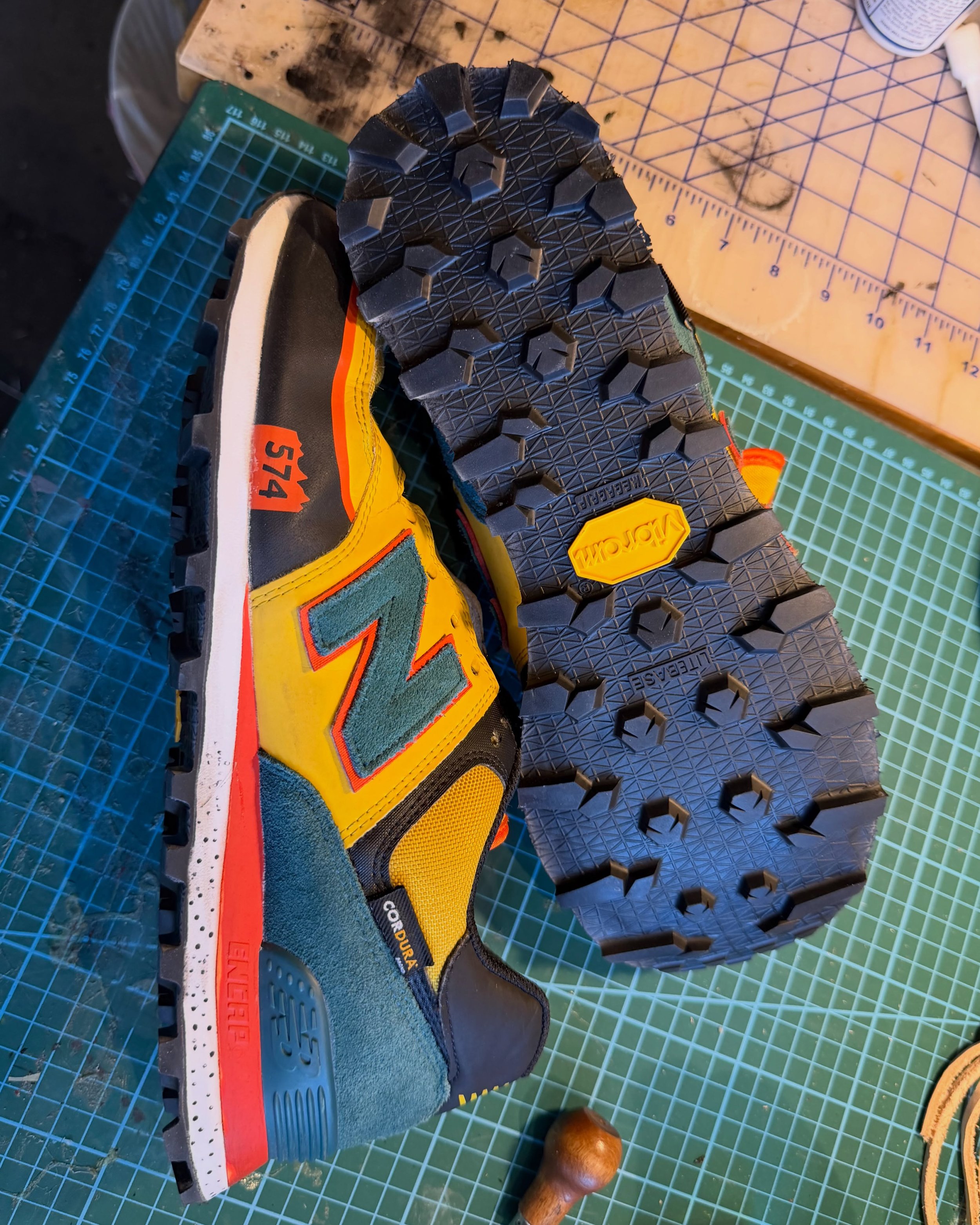
There's also a common denominator underneath most of it. Walk into almost any surviving repair shop and the replacement sole going onto the bench whatever the boot started with is likely a Vibram. The company became famous for industrialising the lug sole after the Second World War, but quickly grew into common infrastructure. Cobblers may disagree on adhesives, stitching techniques and finishing methods, yet many reach for the same yellow octagon. A fragmented trade acquired a surprisingly standardised component.
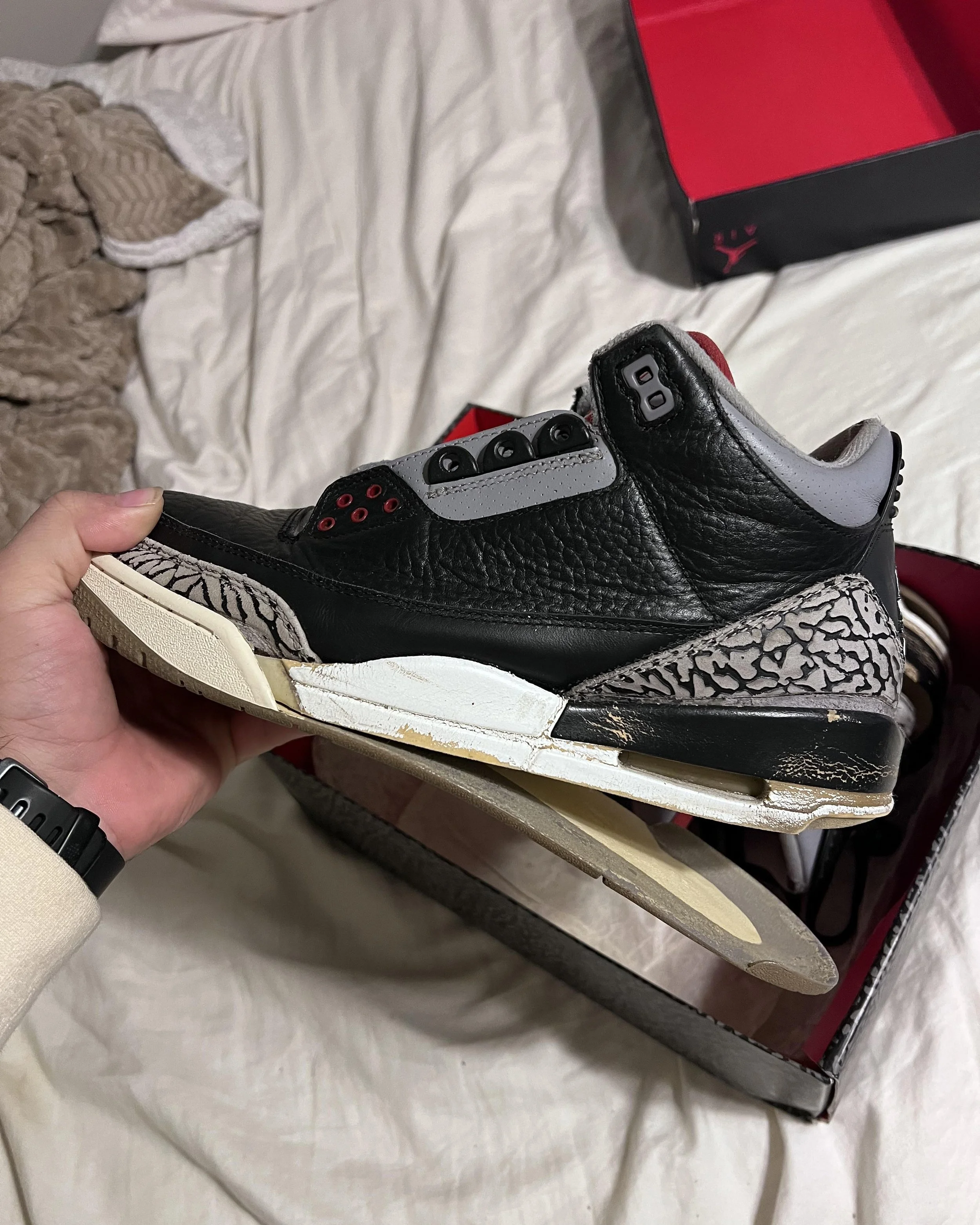
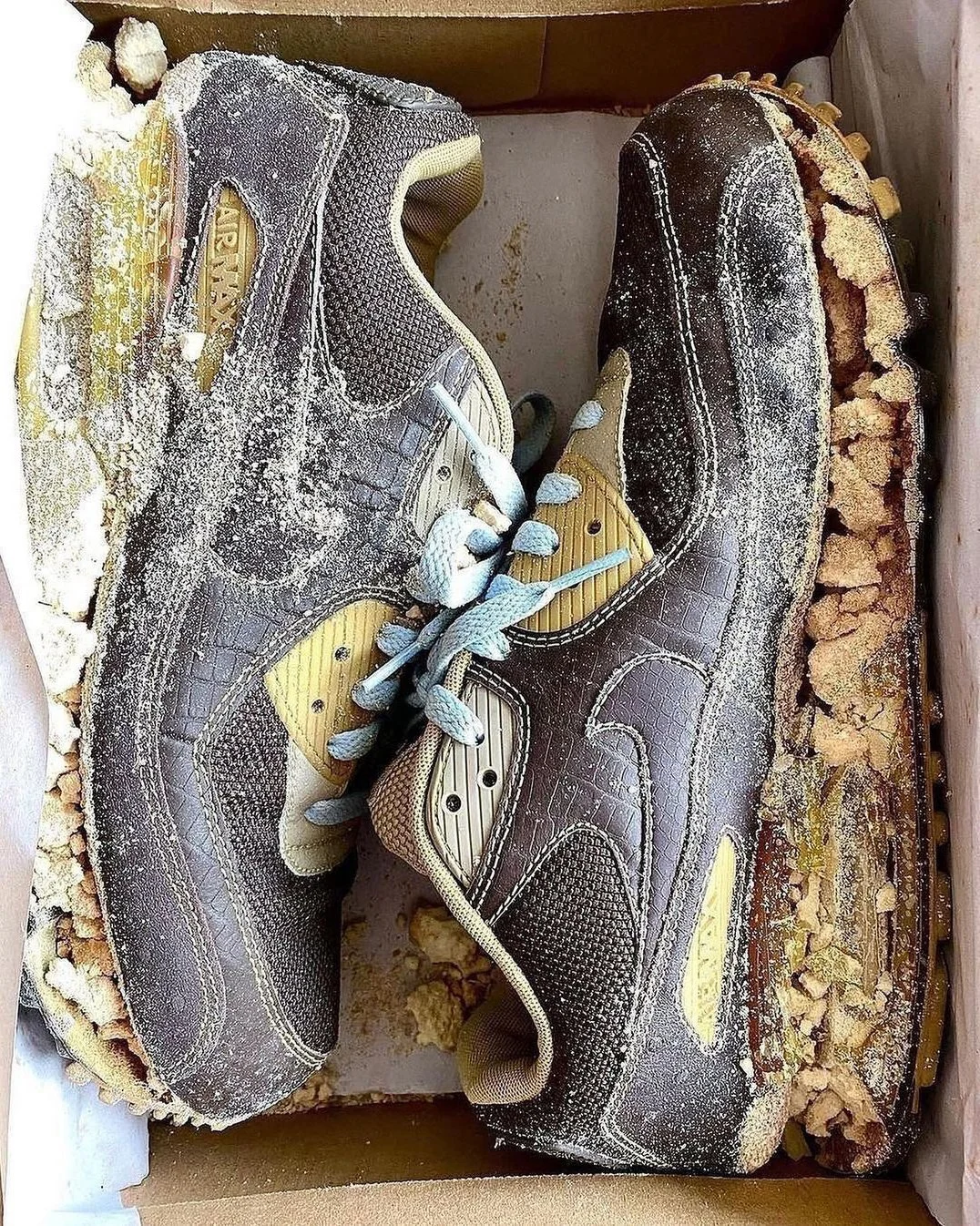
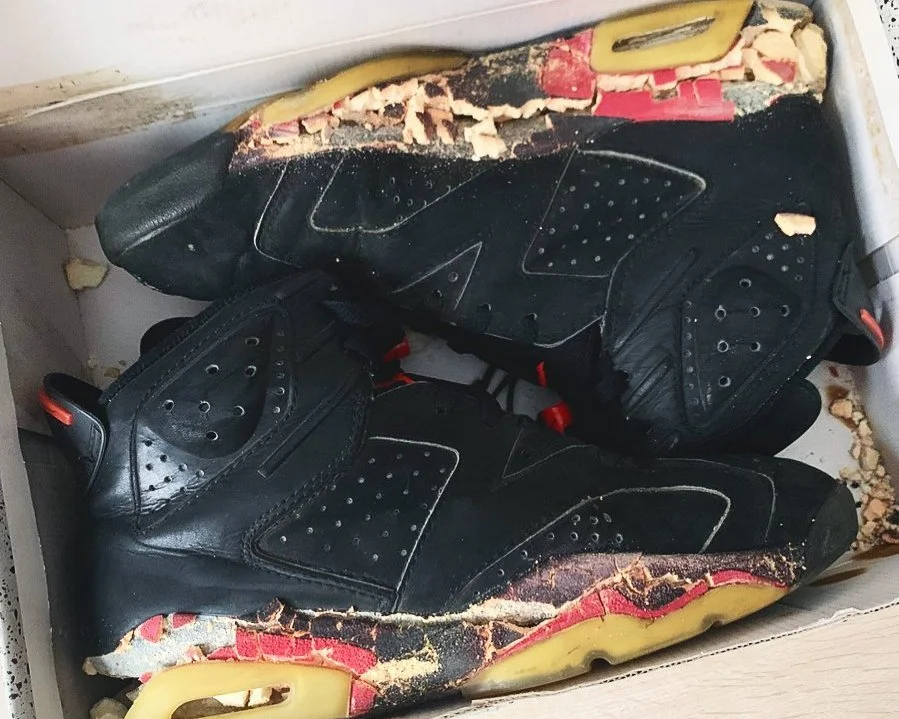
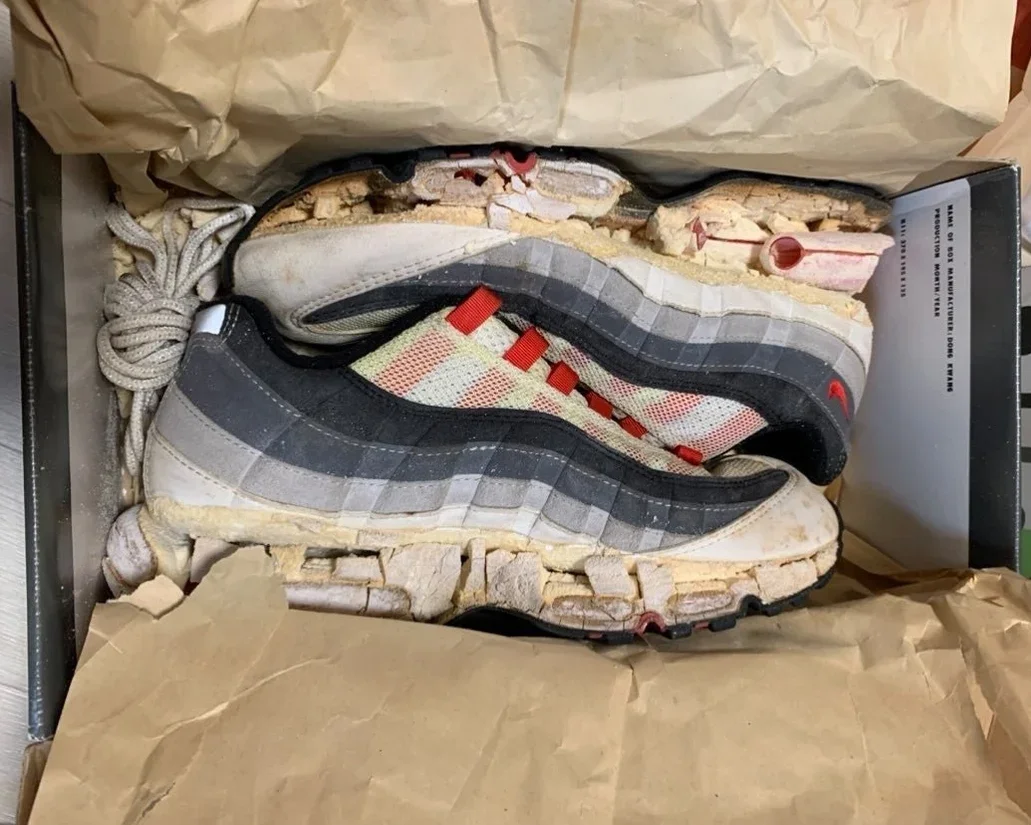
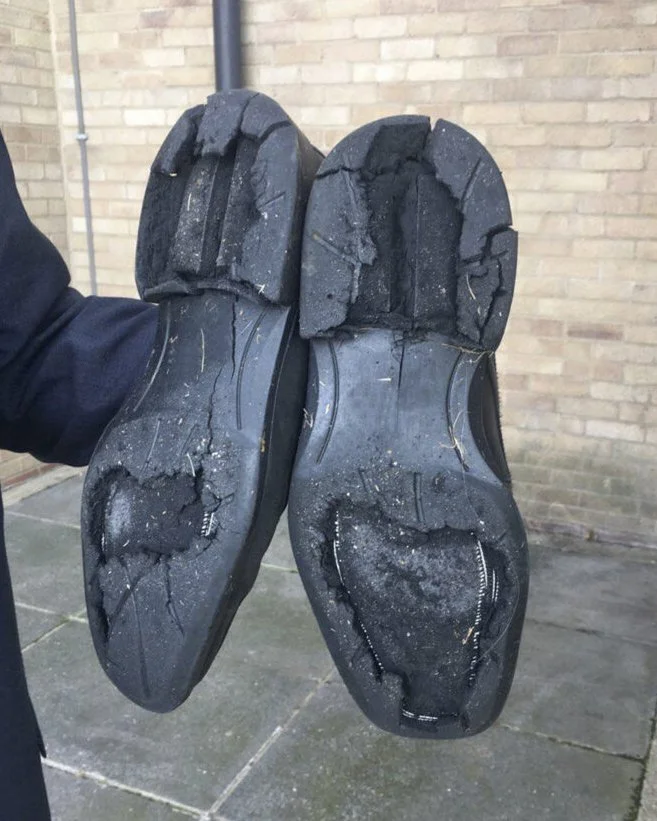
Sneakers, however, were built around a different philosophy. Instead of extending a shoe's life through replacement parts, they prioritised lower cost and faster manufacturing. Their cemented construction produced shoes that were lighter, cheaper and easier to manufacture than almost anything that came before. The compromise only becomes obvious decades later. Polyurethane midsoles slowly absorb moisture and break down regardless of whether the shoe is worn. Deadstock pairs, perfectly preserved in their boxes can crumble like cake after years on the shelf.
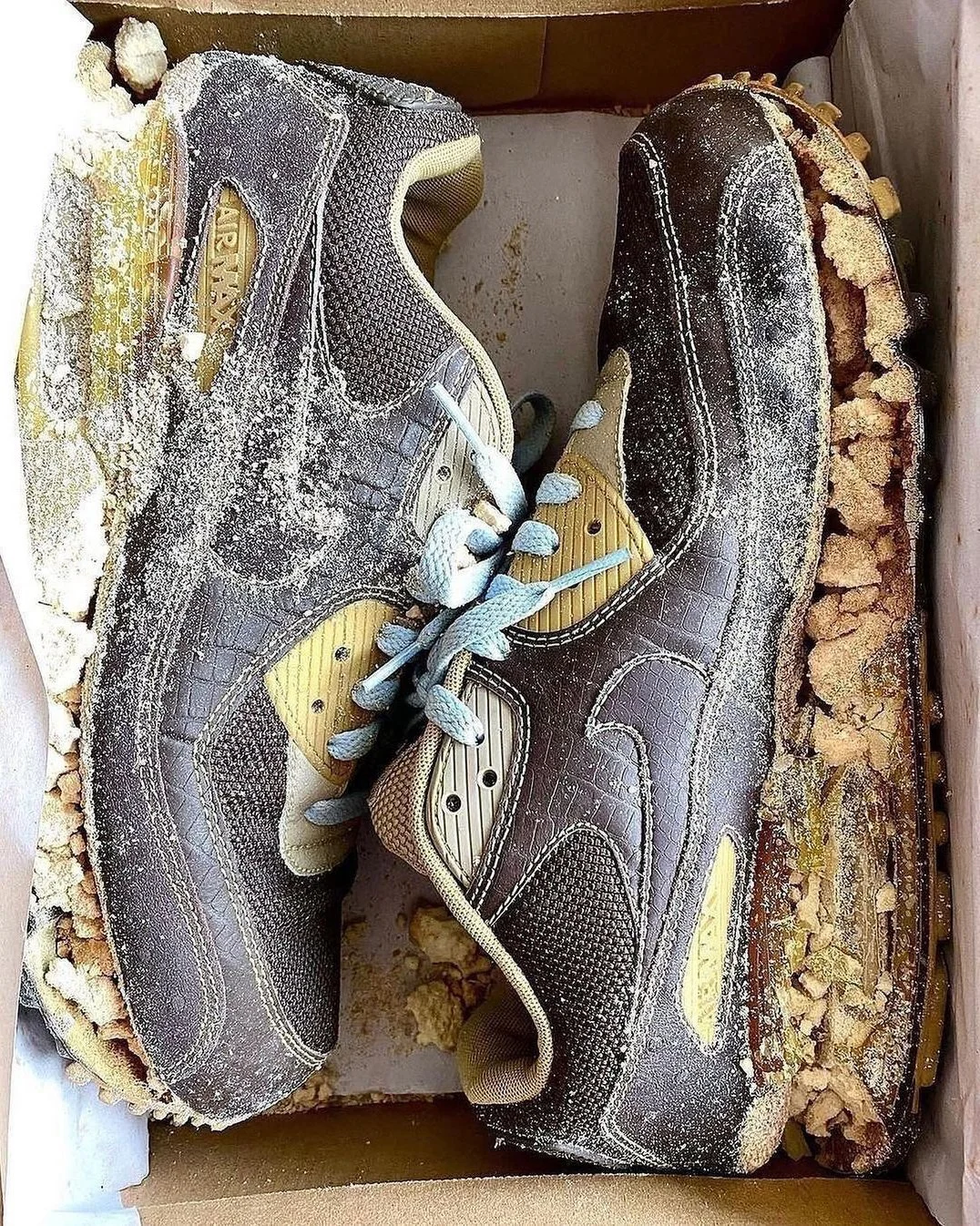
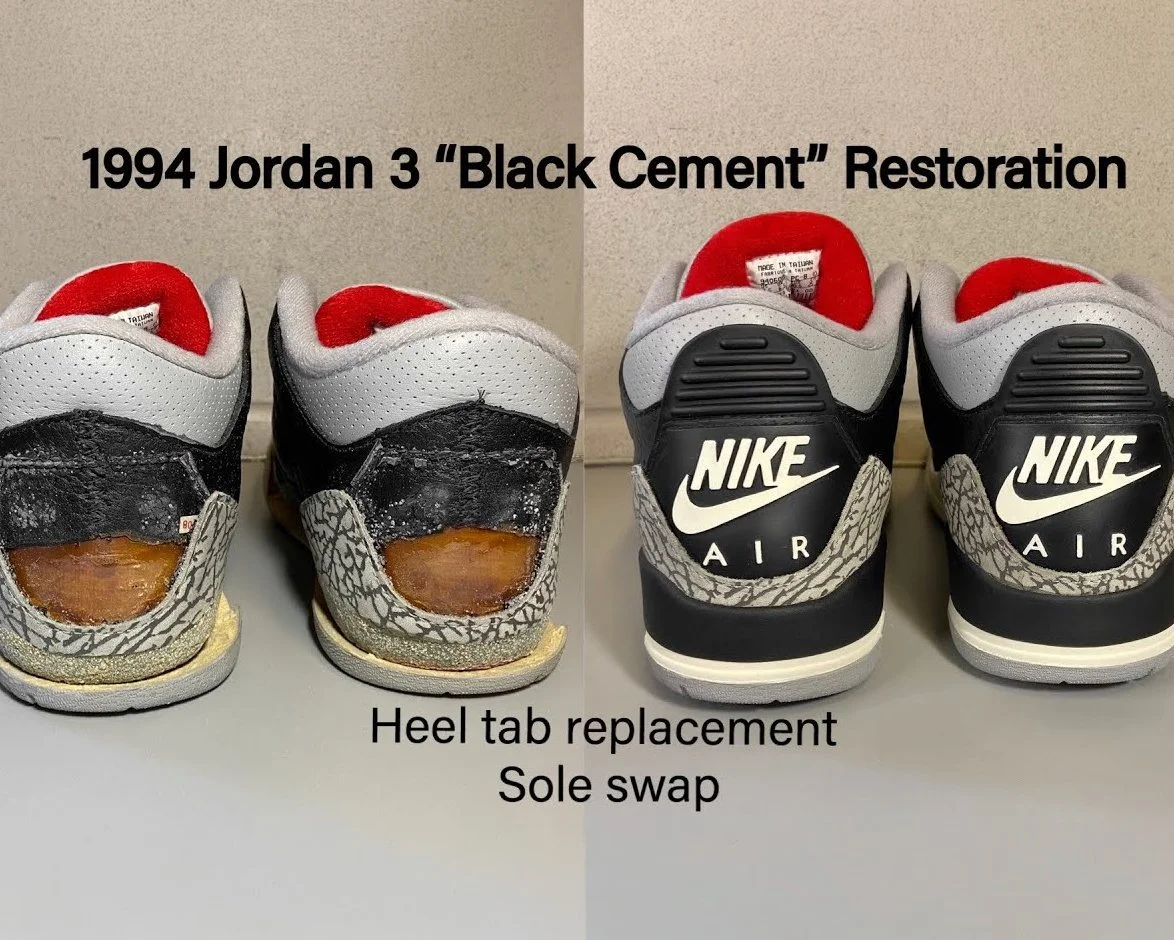
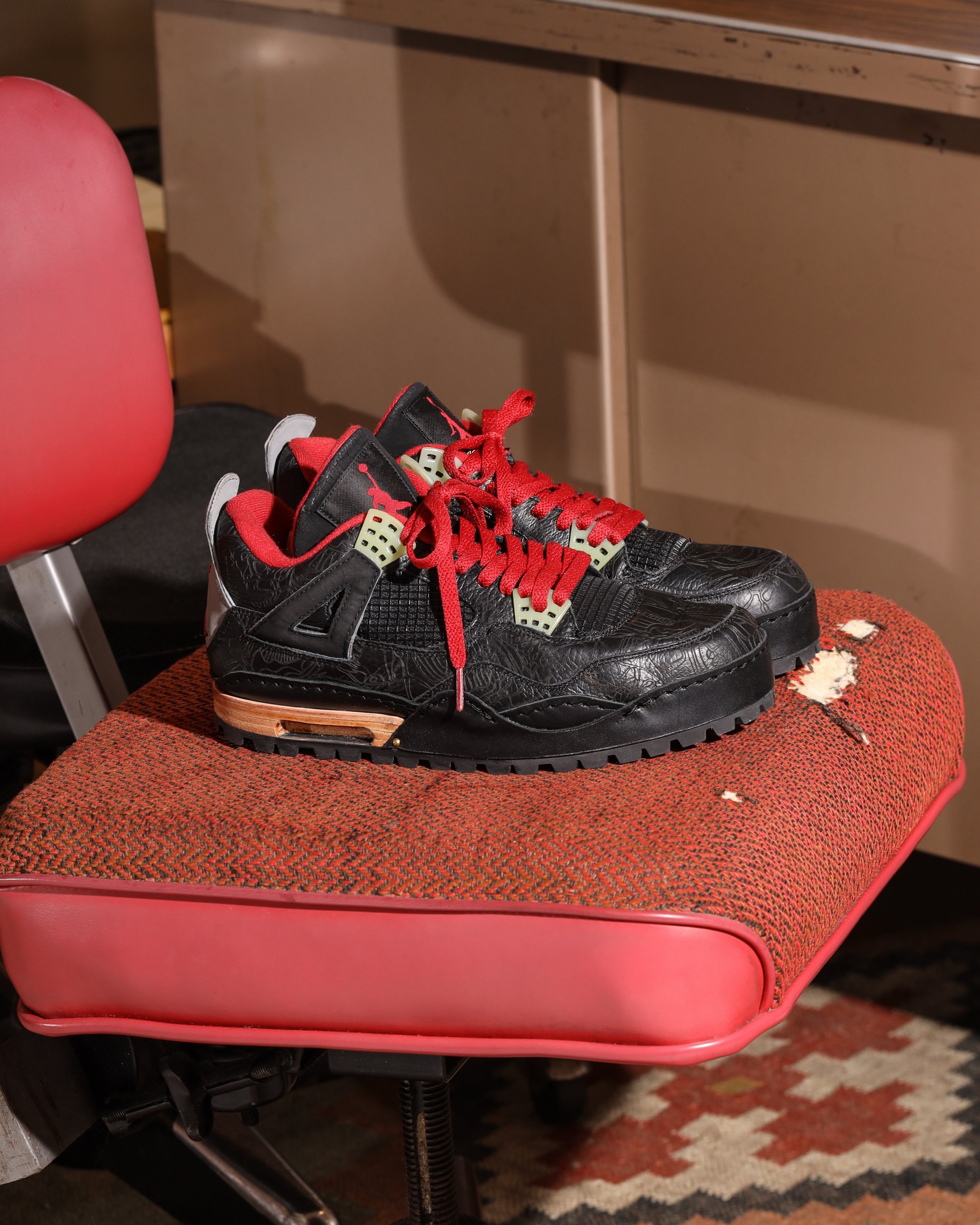
An entire restoration industry has formed around the consequence, the sole swap. A donor pair, usually a cheaper or newer release sharing the same tooling. is sacrificed for its sole unit, which is cut free, cleaned with acetone, and stitched and glued to the vintage upper. Restoration shops like Goods & Services in Los Angeles even rebuilds cemented sneakers into traditionally constructed shoes. At roughly $400 to $475, which often exceeds the cost of the original pair, the service turns footwear designed as disposable into something intended to be repaired for decades.
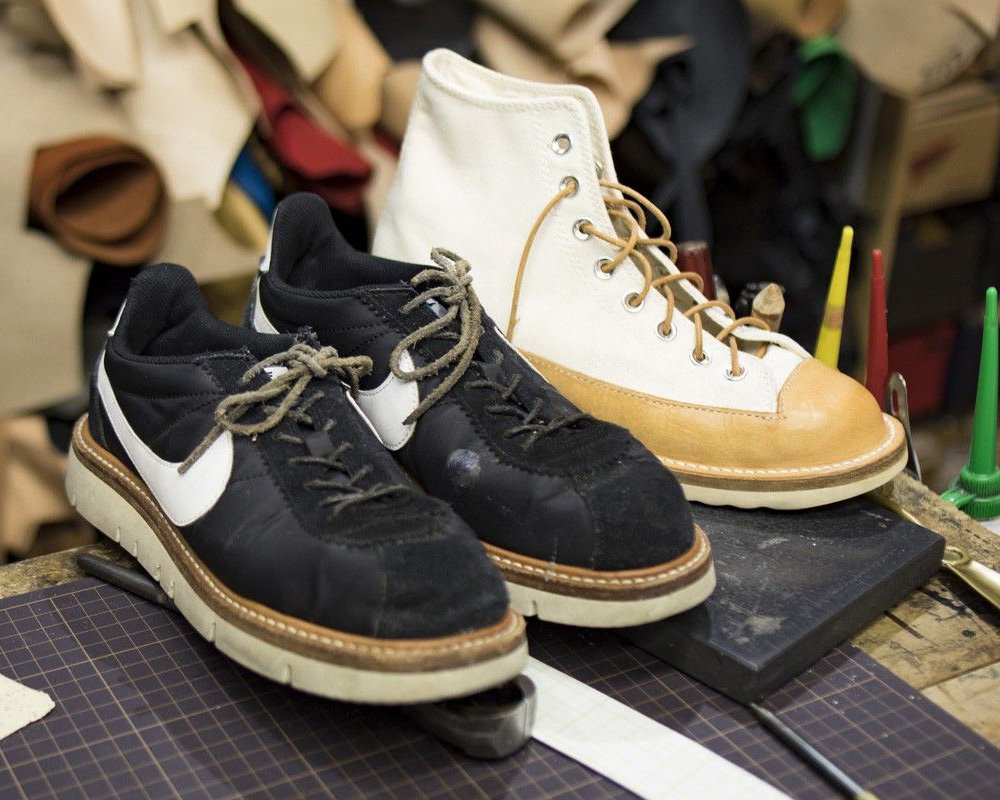
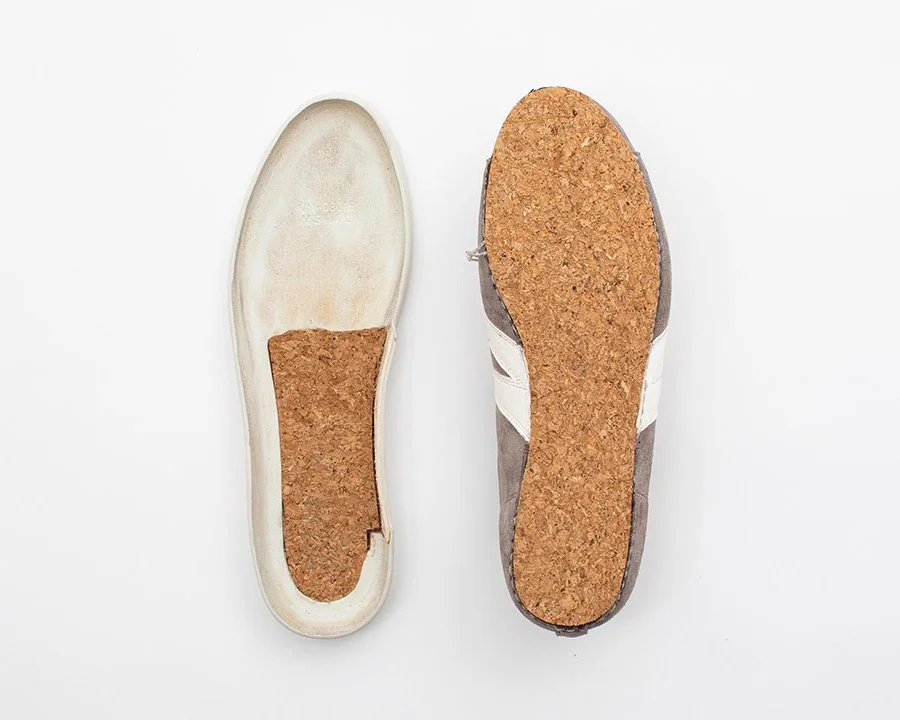
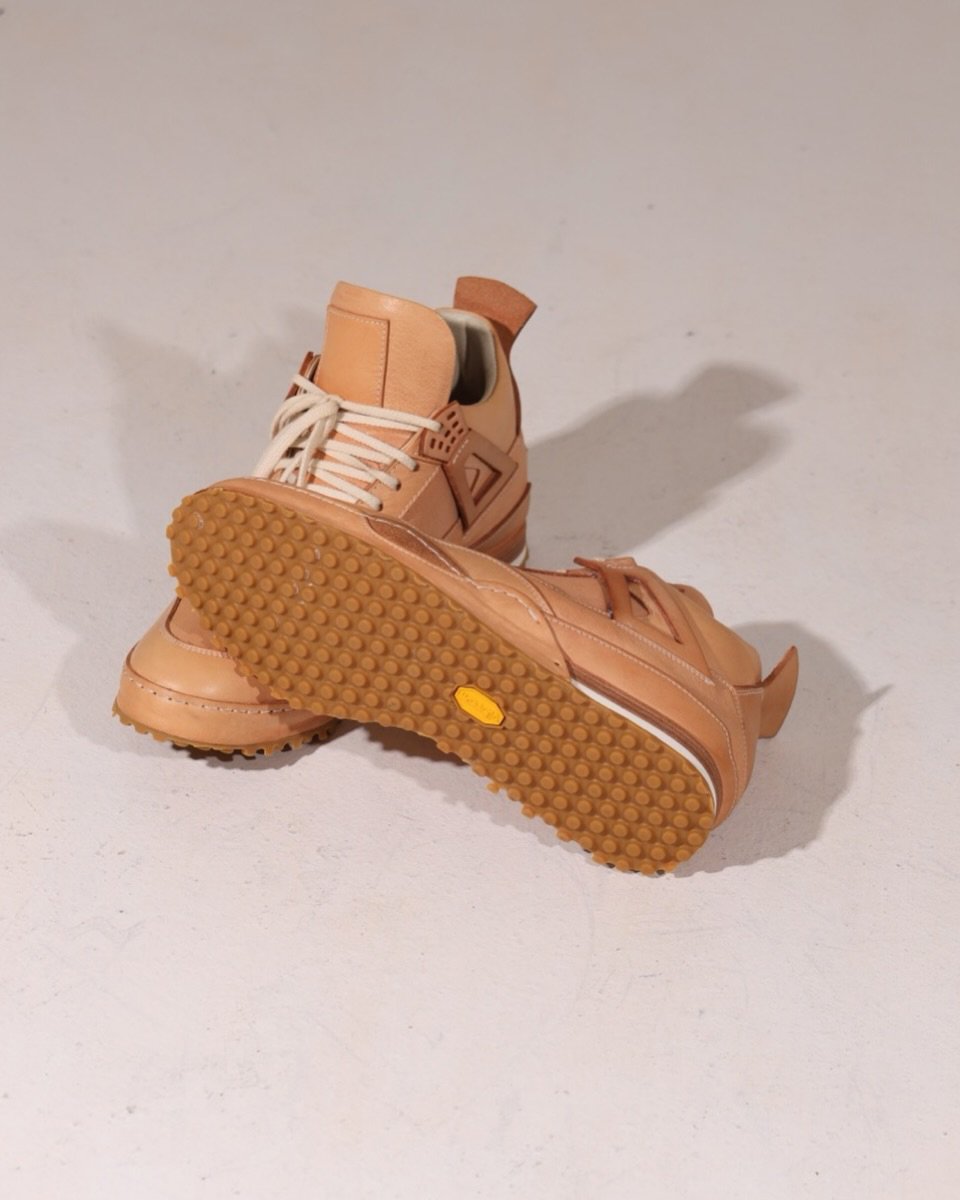
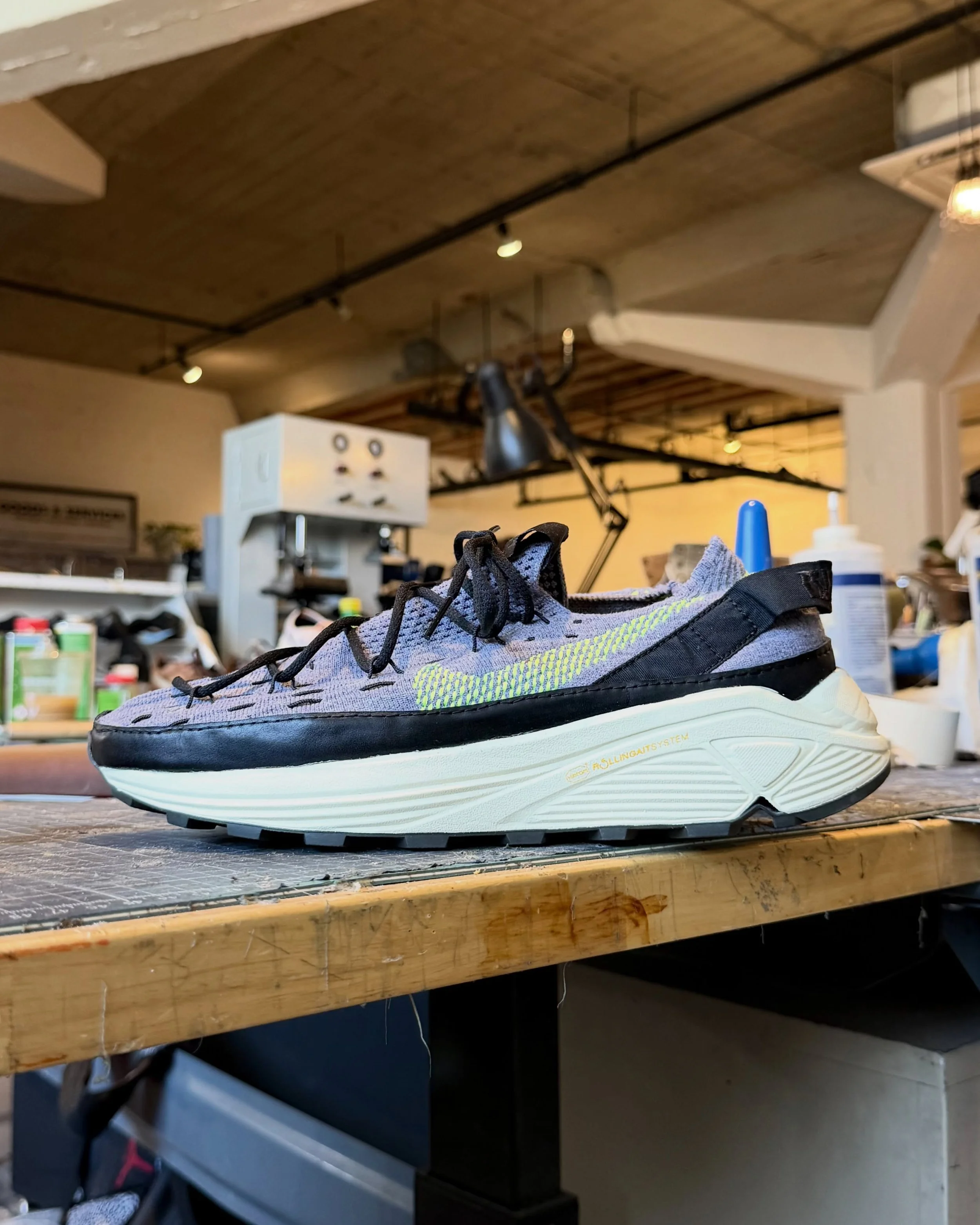
Some makers have gone a different route and instead of thinking about repair have begun to question the construction. Visvim's replaceable outsole sneakers borrow more from Goodyear welted footwear than conventional sports shoes, accepting that the upper and the ground interface do not necessarily belong to the same lifespan instead of assuming that every layer should expire together. Every example so far relies on the same bottleneck of skilled labour. Wherever resoling has survived, it has done so as a service business, with its capacity determined by the availability of experienced craftspeople.

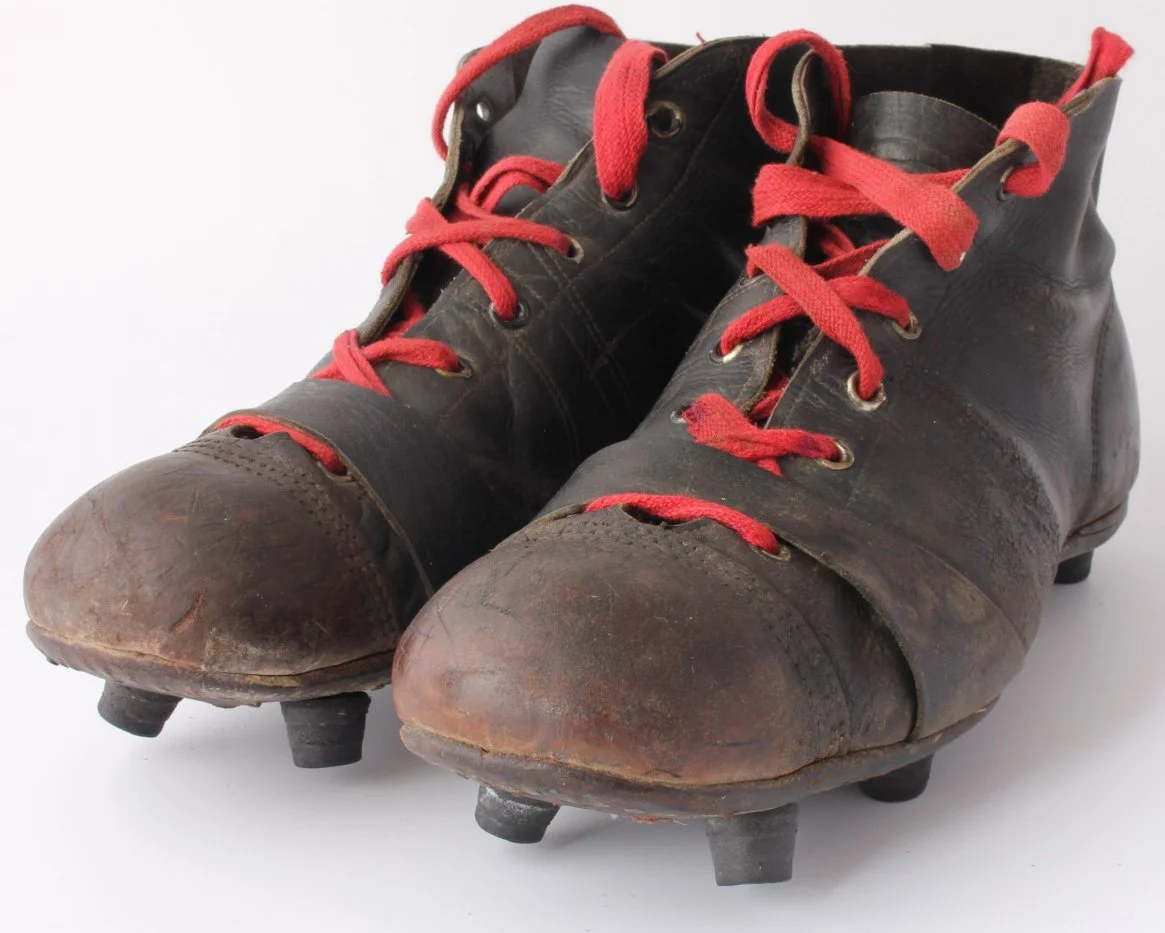
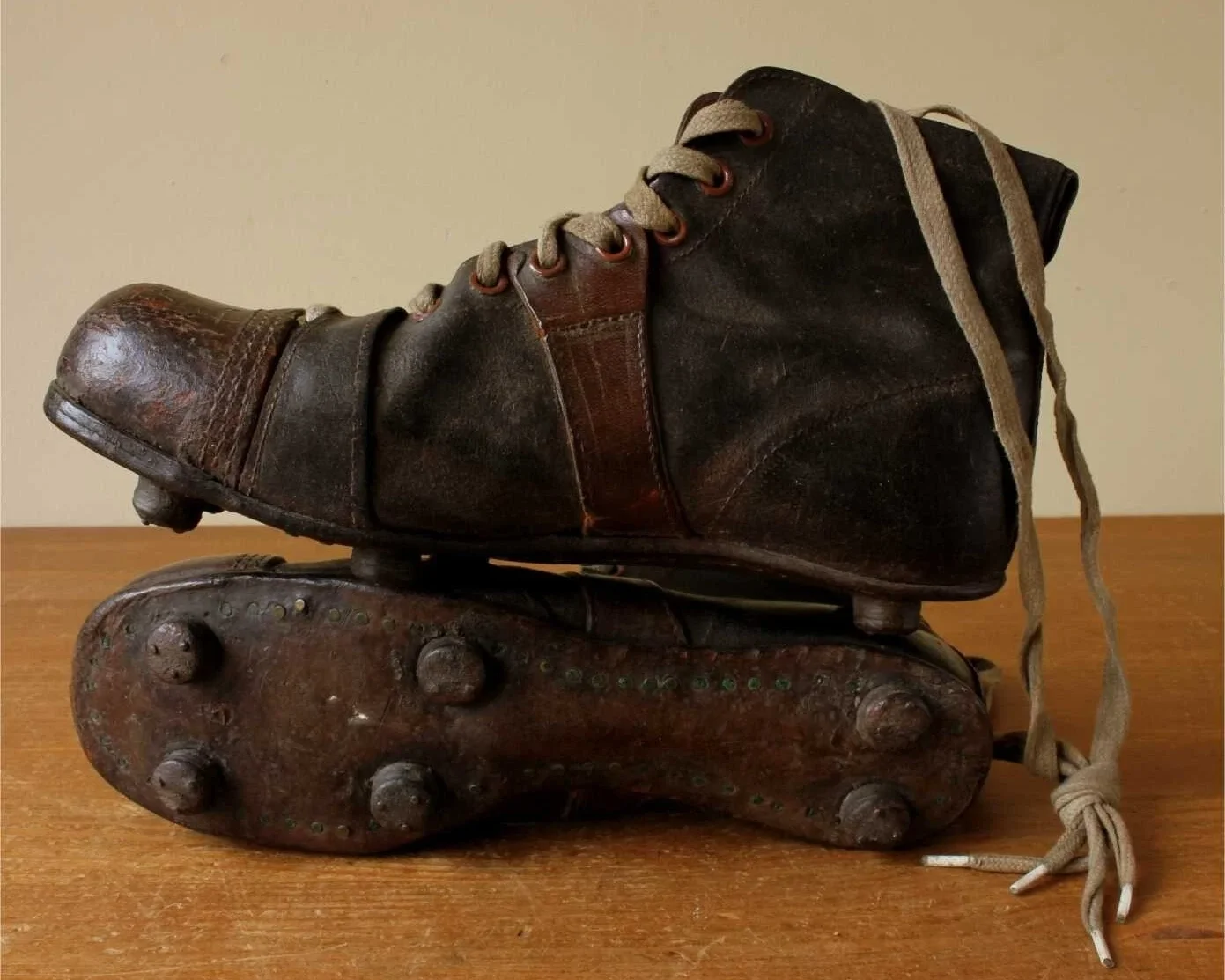
There have always been exceptions. By 1954, football boots with interchangeable screw-in studs had already demonstrated an early form of modular footwear. During the rain soaked World Cup final in Bern, Adi Dassler famously fitted longer studs to West Germany's adidas boots as the pitch turned to mud, giving the players better traction when they needed it. Track spikes thread in and out with a two dollar wrench and crampons easily strap on and off a mountain boot. These are among the oldest examples of replaceable ground interfaces in footwear that rely on mechanical attachment instead of the hands of a cobbler.
The distinction sounds subtle, but it has shaped footwear for more than a century. Stitching allows replacement while adhesive resists it. Mechanical attachment changes the relationship entirely. A worn sole is a record. A good cobbler can read these wear patterns and could know if you are a heel striker or an overpronator or a climber that drives off one big toe. By the time a sole wears through, the upper has already become specific to one person. Leather softens where the ankle flexes, the toe box relaxes around one foot, and break in becomes something impossible to manufacture. The sole and the upper simply do not age at the same rate.

That mismatch is where modern footwear begins to fall apart. Modern footwear has become remarkably good at manufacturing complete objects and surprisingly poor at distinguishing between permanent parts and consumable ones. Yet climbing shoes, heritage boots, mountain footwear and even the humble football stud all point toward the same idea from different directions. Longevity is less a property of the materials than of the architecture that allows worn parts to be replaced without sacrificing the whole.